


Catalog No.: SS140881
CAS No.: 868844-74-0
Purity(HPLC): 98% min
Product Name: Acetyl octapeptide-3
Certificate: ISO14001
Molecular Formula: C41H70N16O16S
Molecular Weight: 1075.16
Product Introduction
Peptides are short chains of amino acids linked by peptide bonds, typically containing fewer than 50 amino acids. They serve as crucial biological molecules that regulate a wide range of physiological functions, including hormone activity, immune response, and cell signaling. Peptides are also integral to protein synthesis and are found in various forms, from naturally occurring in the body to synthetically created for research, medical, and cosmetic applications. In recent years, peptides have gained attention in the fields of pharmaceuticals, skincare, and fitness, where they are used for their regenerative, anti-aging, and therapeutic properties.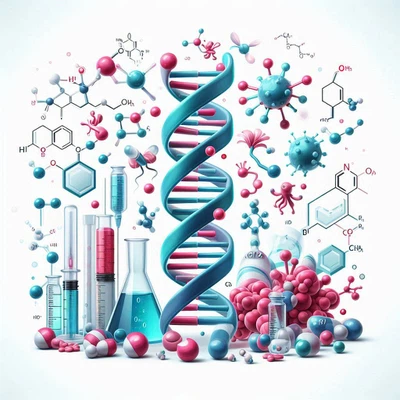
-
![Acetyl Octapeptide-3丨CAS 868844-74-0]()
-
![Biotinoyl Tripeptide-1丨CAS 299157-54-3]() Biotinoyl Tripeptide-1丨CAS 299157-54-3RAW MATERIAL Only for research use, personal inquiry will not be replied.read more
Biotinoyl Tripeptide-1丨CAS 299157-54-3RAW MATERIAL Only for research use, personal inquiry will not be replied.read more
Catalog No.: SS138368
CAS No.: 299157-54-3
Peptide purity(by HPLC): 98% min
Product Name: Biotinoyl Tripeptide-1... -
![Elamipretide丨CAS 736992-21-5]() Elamipretide丨CAS 736992-21-5Catalog No.: SS137688read more
Elamipretide丨CAS 736992-21-5Catalog No.: SS137688read more
CAS No.: 736992-21-5
Purity (By HPLC): 98.0% min
Product Name: Elamipretide
Molecular Formula: C32H49N9O5
Molecular Weight: 639.8 -
![Icatibant Acetate丨CAS 138614-30-9]() Icatibant Acetate丨CAS 138614-30-9Catalog No.: SS133661read more
Icatibant Acetate丨CAS 138614-30-9Catalog No.: SS133661read more
CAS No.: 138614-30-9
Purity(by HPLC): 98% min
Product Name: Icatibant acetate
Molecular Formula: C59H89N19O13S.C2H4O2
Molecular Weight: 1364.59 -
![L-(+)-Selenomethionine丨CAS 3211-76-5]() L-(+)-Selenomethionine丨CAS 3211-76-5Catalog No.: SS130517read more
L-(+)-Selenomethionine丨CAS 3211-76-5Catalog No.: SS130517read more
CAS No.: 3211-76-5
Purity: 98%Min
Product Name: L-(+)-Selenomethionine
Molecular Formula: C5H11NO2Se
Molecular Weight: 196.11
Synonym(s):... -
![Vasopressin丨CAS 9034-50-8]() Vasopressin丨CAS 9034-50-8Catalog No.: SS081119read more
Vasopressin丨CAS 9034-50-8Catalog No.: SS081119read more
CAS No.: 9034-50-8
Purity: 98% min
Product Name: Vasopressin
Molecular Formula: C46H65N15O12S2
Molecular Weight: 1050.22
Synonym(s): Vasopressin acetate -
![FAP2286丨CAS 2581741-18-4]() FAP2286丨CAS 2581741-18-4Catalog No.: SS133036read more
FAP2286丨CAS 2581741-18-4Catalog No.: SS133036read more
CAS No.: 2581741-18-4
Purity: 98%min
Product Name: FAP2286
Molecular Formula: C67H99N13O18S3
Molecular Weight: 1470.78 -
![Tbuo-ste-glu(aeea-aeea-OH)-otbu丨CAS 1118767-16-0]() Tbuo-ste-glu(aeea-aeea-OH)-otbu丨CAS 1118767-16-0Catalog No.: SS131596read more
Tbuo-ste-glu(aeea-aeea-OH)-otbu丨CAS 1118767-16-0Catalog No.: SS131596read more
CAS No.: 1118767-16-0
Purity: 99.0%min
Product Name: Tbuo-ste-glu(aeea-aeea-OH)-otbu
Molecular Formula: C39H71N3O13
Molecular Weight: 846.1
Synonym(s): Semaglutide side... -
![L-Anserine Nitrate Salt丨CAS 10030-52-1]() L-Anserine Nitrate Salt丨CAS 10030-52-1Catalog No.: SS130576read more
L-Anserine Nitrate Salt丨CAS 10030-52-1Catalog No.: SS130576read more
CAS No.: 10030-52-1
Purity(HPLC): 98.0% min
Product Name: L-Anserine Nitrate Salt
Molecular Formula: C10H17N5O6
Molecular Weight: 303.28 -
![CAS 2381089-83-2]() CAS 2381089-83-2RAW MATERIAL Only for research use, personal inquiry will not be replied.read more
CAS 2381089-83-2RAW MATERIAL Only for research use, personal inquiry will not be replied.read more
Catalog No.: SS130143
CAS No.: 2381089-83-2
Purity: 98% min, Peptide Assay: 80.0% min
Product Name: Retatrutide... -
![N-(1-Oxohexadecyl)glycyl-L-histidyl-L-lysine丨CAS 147732-56-7]() N-(1-Oxohexadecyl)glycyl-L-histidyl-L-lysine丨CAS 147732-56-7Catalog No.: SS125727read more
N-(1-Oxohexadecyl)glycyl-L-histidyl-L-lysine丨CAS 147732-56-7Catalog No.: SS125727read more
CAS No.: 147732-56-7
Content: 80.0%min; Purity(HPLC): 95.0%min
Product Name: N-(1-Oxohexadecyl)glycyl-L-histidyl-L-lysine
Molecular Formula: C30H54N6O5
Molecular Weight:... -
![Terlipressin丨CAS 14636-12-5]() Terlipressin丨CAS 14636-12-5Catalog No.: SS090574read more
Terlipressin丨CAS 14636-12-5Catalog No.: SS090574read more
CAS No.: 14636-12-5
Peptide Purity(By HPLC): 98.5% min
Product Name: Terlipressin
Molecular Formula: C52H74N16O15S2
Molecular Weight: 1227.37
Synonym(s):...



Product Advantages And Features
Versatile Biological Functions
Peptides play diverse roles, such as acting as hormones, neurotransmitters, and growth factors. They regulate many physiological processes, including metabolism, immune responses, and tissue repair.
Therapeutic Potential
Many peptide-based drugs have been developed to treat conditions like diabetes (e.g., insulin) and cancer. Their specificity and ability to target precise biological pathways make them highly effective in medicine.
Skin Health and Anti-Aging:
Peptides are key ingredients in skincare products due to their ability to promote collagen production, reduce wrinkles, and enhance skin elasticity.
Muscle Growth and Recovery
Certain peptides, such as growth hormone-releasing peptides (GHRPs), are used in fitness and bodybuilding to promote muscle repair, growth, and recovery after exercise.
Highly Bioactive
Peptides are small enough to easily penetrate cells and initiate biological processes, making them effective in targeted therapies.
Natural and Synthetic Options
Peptides can be isolated from natural sources or synthetically engineered to improve stability, potency, or specificity for particular functions.
Product Type
1
Signaling Peptides: These peptides communicate with cells to trigger specific biological responses, such as stimulating collagen production or activating immune defenses.
2
Antimicrobial Peptides (AMPs): Naturally occurring peptides in the immune system that fight bacteria, fungi, and viruses by disrupting their cell membranes.
3
Enzyme Inhibitor Peptides: Peptides that inhibit specific enzymes, often used in medicine to slow down disease progression, such as protease inhibitors in HIV treatment.
4
Therapeutic Peptides: Peptides used in medicine for specific treatments, such as insulin for diabetes or peptide-based cancer therapies.
5
Cosmetic Peptides: Peptides used in skincare products to reduce signs of aging, stimulate cell renewal, and improve skin hydration.
6
Carrier Peptides: These peptides help deliver trace minerals and other active ingredients to cells, enhancing their bioavailability and effectiveness.
7
Neurotransmitter Peptides: Involved in transmitting signals in the nervous system, these peptides regulate mood, pain perception, and other neurological functions.
Application Of The Product
Peptides are utilized in a variety of industries and fields, including:
01/
Pharmaceuticals: Peptide-based drugs are used to treat diseases like diabetes (insulin), cancer (peptide vaccines), and metabolic disorders. Their high specificity reduces side effects and improves therapeutic outcomes.
02/
Skincare: Cosmetic peptides are used in anti-aging creams and serums to stimulate collagen production, promote skin elasticity, and reduce wrinkles and fine lines.
03/
Fitness and Bodybuilding: Peptides like growth hormone-releasing peptides (GHRPs) and collagen peptides are popular supplements for enhancing muscle repair, growth, and recovery after intense workouts.
04/
Immunotherapy: Peptides are used in vaccines to stimulate the immune system and in treatments for autoimmune diseases to modulate immune responses.
05/
Research: Peptides serve as important tools in biomedical research for studying protein interactions, enzyme activity, and cellular pathways.
06/
Weight Management: Certain peptides help regulate appetite and metabolism, making them useful in weight loss treatments and supplements.
Material Of The Product
Peptides are primarily made from amino acids, the building blocks of proteins. These materials include:
Amino Acids
Peptides are short chains of amino acids. There are 20 naturally occurring amino acids, each contributing specific properties to the peptide's function.
Peptide Bonds
The bonds between amino acids that form the backbone of the peptide chain. Peptide bonds are formed through dehydration synthesis, linking the carboxyl group of one amino acid to the amine group of another.
Natural Sources
Peptides can be derived from natural sources, such as milk proteins (casein peptides), fish collagen, or plant-based proteins like soy peptides.
Synthetic Peptides
These are chemically synthesized in the lab to create peptides with enhanced stability, bioavailability, or targeted action for medical and cosmetic purposes.
Production Process Or Procedure
The production of Peptides involves advanced scientific processes to ensure high purity, stability, and effectiveness:
Synthesis
Peptides are typically synthesized using a method called solid-phase peptide synthesis (SPPS). This allows for the precise addition of amino acids in the desired sequence to form the peptide chain.
01
Purification
After synthesis, peptides are purified using techniques like high-performance liquid chromatography (HPLC) to remove any impurities and ensure the peptide's purity and potency.
02
Formulation
For therapeutic or cosmetic use, peptides are carefully formulated into creams, serums, injectables, or oral supplements to ensure they remain stable and effective.
03
Quality Control
Stringent testing for purity, biological activity, and stability is performed to ensure the highest quality peptides are delivered to the market, particularly in pharmaceuticals and skincare.
04
Components Of The Product
The core components of Peptides include:
Amino Acids
The basic units that make up peptide chains. The sequence of amino acids determines the peptide's structure and function.
Peptide Backbone
The repeating sequence of peptide bonds that forms the structure of the peptide.
Side Chains
The side chains of amino acids give peptides their unique chemical properties, influencing how they interact with other molecules and biological systems.
Pharmaceutical Additives:
In therapeutic peptides, stabilizing agents and preservatives may be added to improve shelf life and bioavailability.
Product Maintenance And Precautions
To ensure Peptides maintain their effectiveness, proper storage and handling are critical:
Storage Conditions
Peptides should be stored in a cool, dry place, often refrigerated or frozen to prevent degradation. Most peptides are stable at -20°C.
Protection from Light
Many peptides are sensitive to light and should be stored in dark, airtight containers to prevent degradation caused by UV exposure.
Reconstitution
Peptides supplied in lyophilized (freeze-dried) form need to be reconstituted with sterile water or buffer solutions before use, especially in research or therapeutic applications.
Shelf Life
Regularly check expiration dates and follow proper storage guidelines to ensure the peptide remains active and stable for use.
Company Advantages
Our Focus on Quality & Customer Experience
We dedicate to delivering high-quality products and exceptional customer service beyond your expectation.
Comprehensive Product Range
Extensive catalog of over 27,000 chemicals for diverse industries, offering both standard compounds and specialized solutions.
Strong Industry Expertise
Our experienced diverse team provides expert guidance, staying current with industry trends to deliver optimal chemical solutions tailored to your needs.
Competitive Pricing & Reliability
Competitive pricing and reliable deliveries ensure cost-effective, efficient supply chains without compromising quality.
How To Collaborate With Us
Partnering with LEAPChem gives you access to the expertise of a leading company with 18 years of experience in the chemical industry. We offer over 27,000 chemical substances tailored to meet diverse needs. All our products adhere to industry standards and are accompanied by the necessary certifications.
We collaborate with a wide range of partners, including:
• Research Laboratories
• Pharmaceutical Companies
• Cosmetics Manufacturers
• Electronics Manufacturers
• Chemical Manufacturers
• Universities and Colleges Worldwide
• And more.
We specialize in helping our clients find the right chemical solutions tailored to their specific requirements. Additionally, we provide custom synthesis services to meet the unique needs of our partners. Whether you need bulk quantities for industrial processes or small batches for specialized applications, we've got you covered.
If you are looking for a reliable chemical supplier, we would be delighted to hear from you. Please send your inquiry or project details to sales@leapchem.com. Our professional team is eager to collaborate with you and help achieve your goals.
FAQ
Q: What are peptides?
A: Peptides are short chains of amino acids linked by peptide bonds. They are involved in various biological processes, including cell signaling, hormone regulation, and tissue repair.
Q: How are peptides different from proteins?
A: Peptides are shorter chains of amino acids (usually fewer than 50), while proteins are larger, more complex molecules composed of one or more long chains of amino acids.
Q: What are the benefits of peptides in skincare?
A: Peptides in skincare promote collagen production, improve skin elasticity, reduce wrinkles, and enhance overall skin health.
Q: What are therapeutic peptides used for?
A: Therapeutic peptides are used in medicine to treat conditions like diabetes (e.g., insulin), cancer, and autoimmune diseases. They offer targeted, effective treatments with fewer side effects than traditional drugs.
Q: How do peptides work in fitness and bodybuilding?
A: Peptides such as growth hormone-releasing peptides (GHRPs) stimulate the production of growth hormones, aiding in muscle growth, repair, and recovery after exercise.
Q: Can peptides be used for weight loss?
A: Yes, certain peptides help regulate metabolism and appetite, making them effective in weight loss treatments or supplements.
Q: How are peptides made?
A: Peptides are synthesized in the lab using a process called solid-phase peptide synthesis (SPPS), which allows for precise control over the sequence of amino acids.
Q: What are antimicrobial peptides?
A: Antimicrobial peptides (AMPs) are naturally occurring molecules in the immune system that protect against infections by disrupting the membranes of bacteria, fungi, and viruses.
Q: Are peptides safe to use in skincare?
A: Yes, peptides are generally considered safe for topical use in skincare products. They are non-toxic and gentle on the skin, making them suitable for most skin types.
Q: How should peptides be stored?
A: Peptides should be stored in a cool, dry place, often refrigerated or frozen, and protected from light to prevent degradation.
Q: What are peptide vaccines?
A: Peptide vaccines use short chains of amino acids to stimulate an immune response against specific pathogens, offering a targeted approach to immunization.
Q: Can peptides be used in hair care?
A: Yes, peptides in hair care products can help strengthen hair follicles, promote hair growth, and improve hair texture and thickness.
Hangzhou Leap Chem Co., Ltd. is well-known as one of the leading peptide manufacturers and suppliers in China, also supports custom service. We warmly welcome you to wholesale bulk high quality peptide from our factory.
Popular Products
-
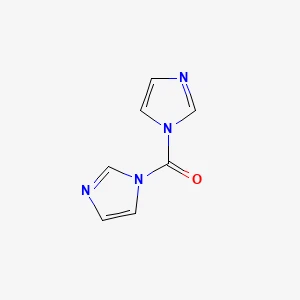
![1,1'-Carbonyldiimidazole丨CAS 530-62-1]() 1,1'-Carbonyldiimidazole丨CAS 530-62-1Catalog No.: SS080884read more
1,1'-Carbonyldiimidazole丨CAS 530-62-1Catalog No.: SS080884read more
CAS No.: 530-62-1
Assay(T): 98%min
Product Name:... -
![Palladium丨CAS 7440-05-3]() Palladium丨CAS 7440-05-3Catalog No.: SS067788read more
Palladium丨CAS 7440-05-3Catalog No.: SS067788read more
CAS No.: 7440-05-3
Assay(Pd): 10% Pd/C on dry basis.
Product Name:... -
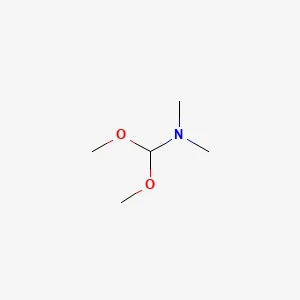
![N,N-Dimethylformamide Dimethyl Acetal丨CAS 4637-24-5]() N,N-Dimethylformamide Dimethyl Acetal丨CAS 4637-24-5Catalog No.: SS036295read more
N,N-Dimethylformamide Dimethyl Acetal丨CAS 4637-24-5Catalog No.: SS036295read more
CAS No.: 4637-24-5
Assay: 98%min
Product Name: N,N-Dimethylformamide... -
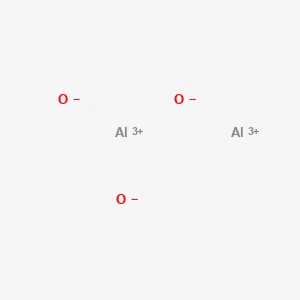
![Aluminum Oxide丨CAS 1344-28-1]() Aluminum Oxide丨CAS 1344-28-1Catalog No.: SS119815read more
Aluminum Oxide丨CAS 1344-28-1Catalog No.: SS119815read more
CAS No.: 1344-28-1
Purity: 99.99% min; Average particle size: 50nm... -
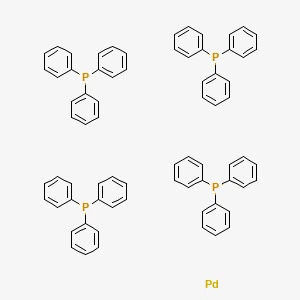
![Tetrakis(triphenylphosphine)palladium丨CAS 14221-01-3]() Tetrakis(triphenylphosphine)palladium丨CAS 14221-01-3Catalog No.: SS118525read more
Tetrakis(triphenylphosphine)palladium丨CAS 14221-01-3Catalog No.: SS118525read more
CAS No.: 14221-01-3
Purity: 99%min Pd: 9.2%min
Product Name:... -
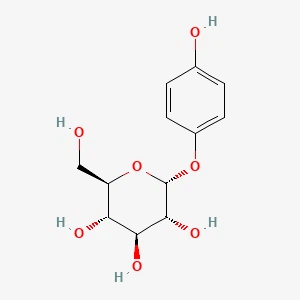
![Alpha-Arbutin丨CAS 84380-01-8]() Alpha-Arbutin丨CAS 84380-01-8Catalog No.: SS087082read more
Alpha-Arbutin丨CAS 84380-01-8Catalog No.: SS087082read more
CAS No.: 84380-01-8
Purity: 99.5%min.
Product Name: alpha-Arbutin... -
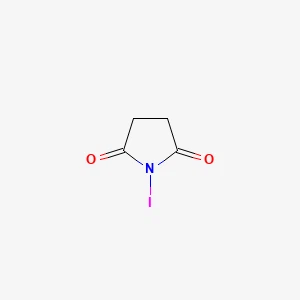
![N-Iodosuccinimide丨CAS 516-12-1]() N-Iodosuccinimide丨CAS 516-12-1Catalog No.: SS018455read more
N-Iodosuccinimide丨CAS 516-12-1Catalog No.: SS018455read more
CAS No.: 516-12-1
Purity: 98.0%min
Product Name: N-Iodosuccinimide... -
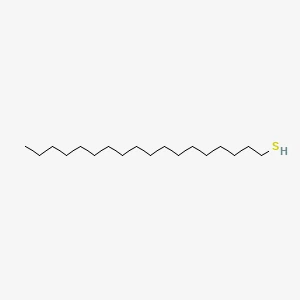
![Octadecanethiol丨CAS 2885-00-9]() Octadecanethiol丨CAS 2885-00-9Catalog No.: SS085366read more
Octadecanethiol丨CAS 2885-00-9Catalog No.: SS085366read more
CAS No.: 2885-00-9
Assay(GC): 98.00%min
Product Name: Octadecanethiol...

Send Inquiry