


Catalog No.: SS137576
CAS No.: 4551-88-6
SSL Purity(as purity of SSL, by dry basis): 88% min
Product Name: Lithium-p-styrenesulfonate
Molecular Formula: C8H9LiO3S
Molecular Weight: 192.16...
Product Introduction
Lithium chemicals are essential compounds used in a wide range of industries, primarily for energy storage solutions like lithium-ion batteries. These chemicals, including lithium carbonate, lithium hydroxide, and lithium chloride, are critical for manufacturing high-performance batteries, ceramics, and specialized greases. Due to their unique properties like light weight, high electrochemical potential, and excellent conductivity, lithium chemicals are pivotal in the growth of renewable energy, electric vehicles, and portable electronics.
-
![Lithium-p-styrenesulfonate丨CAS 4551-88-6]()
-
![Lithium Fluoride丨CAS 7789-24-4]() Lithium Fluoride丨CAS 7789-24-4Catalog No.: SS100313read more
Lithium Fluoride丨CAS 7789-24-4Catalog No.: SS100313read more
CAS No.: 7789-24-4
Assay: 99.9% min
Product Name: Lithium fluoride
Molecular Formula: LiF
Molecular Weight: 25.94
Synonym(s): Fluorolithium -
![Lithium Aluminium Hydride丨CAS 16853-85-3]() Lithium Aluminium Hydride丨CAS 16853-85-3Catalog No.: SS090870read more
Lithium Aluminium Hydride丨CAS 16853-85-3Catalog No.: SS090870read more
CAS No.: 16853-85-3
Purity of pure powder: 97%min
Product Name: Lithium aluminium hydride
Molecular Formula: LiAlH4
Molecular Weight: 37.95
Synonym(s): LAH; Lithium... -
![Lithium Tetraborate丨CAS 12007-60-2]() Lithium Tetraborate丨CAS 12007-60-2Catalog No.: SS119300read more
Lithium Tetraborate丨CAS 12007-60-2Catalog No.: SS119300read more
CAS No.: 12007-60-2
LiBO2: 99.99%min.
Product Name: Lithium tetraborate
Molecular Formula: Li2B4O7
Molecular Weight: 169.12
Synonym(s): Dilithium tetraborate -
![2-Chloro-1,3-dimethylimidazolidinium Chloride丨CAS 37091-73-9]() 2-Chloro-1,3-dimethylimidazolidinium Chloride丨CAS 37091-73-9Catalog No.: SS129259read more
2-Chloro-1,3-dimethylimidazolidinium Chloride丨CAS 37091-73-9Catalog No.: SS129259read more
CAS No.: 37091-73-9
Assay(Titration): 95% min
Product Name: 2-Chloro-1,3-dimethylimidazolidinium chloride
Molecular Formula: C5H10Cl2N2
Molecular Weight: 169.05 -
![Lithium Dihydrogen Phosphate丨CAS 13453-80-0]() Lithium Dihydrogen Phosphate丨CAS 13453-80-0Catalog No.: SS108190read more
Lithium Dihydrogen Phosphate丨CAS 13453-80-0Catalog No.: SS108190read more
CAS No.: 13453-80-0
LiH2PO4(T): 99% min
Product Name: Lithium dihydrogen phosphate
Certificate: ISO9001
Molecular Formula: LiH2PO4
Molecular Weight: 103.93... -
![LiFSI (lithium Bisfluorosulfonimide)丨CAS 171611-11-3]() LiFSI (lithium Bisfluorosulfonimide)丨CAS 171611-11-3Catalog No.: SS110660read more
LiFSI (lithium Bisfluorosulfonimide)丨CAS 171611-11-3Catalog No.: SS110660read more
CAS No.: 171611-11-3
Assay: 99.9%min
Product Name: LiFSI (Lithium Bisfluorosulfonimide)
Molecular Formula: F2LiNO4S2
Molecular Weight: 187.1
Synonym(s): Lithium... -
![LiODFB (lithium Difluoroxalate Borate)丨CAS 409071-16-5]() LiODFB (lithium Difluoroxalate Borate)丨CAS 409071-16-5Catalog No.: SS115816read more
LiODFB (lithium Difluoroxalate Borate)丨CAS 409071-16-5Catalog No.: SS115816read more
CAS No.: 409071-16-5
Assay/Grade: 99.8%min/ Battery grade
Product Name: Lithium Difluoroxalate Borate (LiODFB)
Molecular Formula: C2BF2LiO4
Molecular Weight: 143.8... -
![LiPO2F2 (lithium Difluorophosphate)丨CAS 24389-25-1]() LiPO2F2 (lithium Difluorophosphate)丨CAS 24389-25-1Catalog No.: SS124206read more
LiPO2F2 (lithium Difluorophosphate)丨CAS 24389-25-1Catalog No.: SS124206read more
CAS No.: 24389-25-1
Purity/Grade: 99.9%min
Product Name: Lithium Difluorophosphate (LiPO₂F₂)
Molecular Formula: F2HLiO2P
Molecular Weight: 108.9 -
![LiBF4 (lithium Tetrafluoroborate)丨CAS 14283-07-9]() LiBF4 (lithium Tetrafluoroborate)丨CAS 14283-07-9Catalog No.: SS120476read more
LiBF4 (lithium Tetrafluoroborate)丨CAS 14283-07-9Catalog No.: SS120476read more
CAS No.: 14283-07-9
Purity/Grade: 99.9%min
Product Name: Lithium tetrafluoroborate (LiBF4)
Molecular Formula: LiBF4
Molecular Weight: 93.74 -
![Lithium Iodide丨CAS 10377-51-2]() Lithium Iodide丨CAS 10377-51-2Catalog No.: SS107049read more
Lithium Iodide丨CAS 10377-51-2Catalog No.: SS107049read more
CAS No.: 10377-51-2
LiI: 99.9%min
Product Name: Lithium iodide
Molecular Formula: LiI
Synonym(s): Lithium iodide -
![Lithium Bromide丨CAS 7550-35-8]() Lithium Bromide丨CAS 7550-35-8Catalog No.: SS106863read more
Lithium Bromide丨CAS 7550-35-8Catalog No.: SS106863read more
CAS No.: 7550-35-8
Purity: 99%min
Product Name: Lithium bromide
Molecular Formula: LiBr
Molecular Weight: 86.84
Synonym(s): Lithium monobromide, LiBr


Product advantages and features
1. High Energy Density
Lithium chemicals enable the development of lightweight, high-capacity batteries that power everything from smartphones to electric vehicles.
2. Stability and Performance
Lithium compounds offer stable electrochemical properties, making them ideal for long-lasting and efficient energy storage.
3. Broad Industrial Application
From energy storage to ceramics and lubricants, lithium chemicals are versatile and widely used across various sectors.
4. Critical for Clean Energy
Lithium is a key component in sustainable energy technologies, such as solar storage systems and EV batteries, driving the global transition to clean energy.
5. Scalable Production
Lithium chemicals can be produced at scale, meeting the growing demand for battery materials in the automotive and electronics industries.
Product type
Lithium Carbonate
Widely used in battery manufacturing, glass production, and as a precursor for other lithium compounds.
01
Lithium Hydroxide
Essential for high-nickel cathodes in lithium-ion batteries, offering improved energy density and performance.
02
Lithium Chloride
Used in the production of lithium metal and as a desiccant for air conditioning and industrial drying systems.
03
Lithium Fluoride
Applied in the manufacturing of optical lenses and aluminum electrolysis due to its high melting point and chemical resistance.
04
Lithium Bromide
Commonly used in absorption chillers for air conditioning and industrial cooling applications.
05
Application of the product
Lithium-Ion Batteries: Lithium carbonate and lithium hydroxide are fundamental in producing rechargeable batteries for electric vehicles, electronics, and energy storage systems.
Glass and Ceramics: Lithium chemicals improve the melting behavior and thermal expansion properties of glass and ceramics, enhancing durability and clarity.
Greases and Lubricants: Lithium compounds are key components in high-temperature and multi-purpose greases, providing excellent stability and resistance.
Pharmaceuticals and Polymers: Used in specialty applications like mood stabilizers and as polymerization catalysts in the production of certain plastics.
Air Treatment Systems: Lithium chloride and lithium bromide are effective desiccants, used in HVAC systems and industrial dehumidification processes.
Material of the product
1
Lithium Carbonate (Li2CO3): A versatile compound used in battery cathodes, glass manufacturing, and as a precursor for other lithium compounds.
2
Lithium Hydroxide (LiOH): A crucial material for high-performance batteries, offering enhanced energy density for electric vehicles.
3
Lithium Chloride (LiCl): Primarily used in air conditioning systems and in the electrolysis process to produce lithium metal.
4
Lithium Bromide (LiBr): Applied in cooling and dehumidification systems due to its hygroscopic nature.
5
Lithium Fluoride (LiF): Important in producing optical components and as a flux in metal processing.
Production Process Or Procedure
The production of lithium chemicals typically begins with lithium extraction from mineral sources like spodumene or from brine deposits. The extracted material undergoes a series of chemical processes, including leaching, filtration, and precipitation, to produce lithium carbonate or lithium hydroxide. These compounds are then purified and refined to achieve the required quality and consistency. The purified lithium chemicals can be further processed into more specialized compounds like lithium chloride or lithium bromide, depending on their end use. Stringent quality control measures are applied throughout the manufacturing process to ensure product purity and performance.
Components of the product
Lithium Carbonate
Acts as a precursor for various lithium compounds and is integral to battery and glass production.
Lithium Hydroxide
Enhances battery performance, particularly in high-nickel cathodes for EV batteries.
Trace Metals and Additives
Used in small quantities to modify the properties of lithium chemicals for specialized applications.
Stabilizers and Purifiers
Added during processing to ensure high-purity output and consistent quality across different batches.
Product maintenance and precautions
1. Storage Tips
Store in airtight containers in a cool, dry environment to prevent moisture absorption and degradation.
2. Proper Handling
Use PPE, such as gloves and masks, to avoid direct contact, as some lithium chemicals can be corrosive or reactive.
3. Compatibility Testing
Ensure that lithium chemicals are compatible with other materials in your process to avoid unwanted reactions.
4. Moisture Control
Certain lithium compounds are hygroscopic and can degrade if exposed to moisture; handle with care in humid environments.
5. Regular Quality Testing
Perform batch tests to confirm the chemical composition and purity of lithium products before use in critical applications.
Company advantages
Our Focus on Quality & Customer Experience
We dedicate to delivering high-quality products and exceptional customer service beyond your expectation.
Comprehensive Product Range
Extensive catalog of over 27,000 chemicals for diverse industries, offering both standard compounds and specialized solutions.
Strong Industry Expertise
Our experienced diverse team provides expert guidance, staying current with industry trends to deliver optimal chemical solutions tailored to your needs.
Competitive Pricing & Reliability
Competitive pricing and reliable deliveries ensure cost-effective, efficient supply chains without compromising quality.
How to collaborate with us
Partnering with LEAPChem gives you access to the expertise of a leading company with 18 years of experience in the chemical industry. We offer over 27,000 chemical substances tailored to meet diverse needs. All our products adhere to industry standards and are accompanied by the necessary certifications.
We collaborate with a wide range of partners, including:
• Research Laboratories
• Pharmaceutical Companies
• Cosmetics Manufacturers
• Electronics Manufacturers
• Chemical Manufacturers
• Universities and Colleges Worldwide
• And more.
We specialize in helping our clients find the right chemical solutions tailored to their specific requirements. Additionally, we provide custom synthesis services to meet the unique needs of our partners. Whether you need bulk quantities for industrial processes or small batches for specialized applications, we’ve got you covered.
If you are looking for a reliable chemical supplier, we would be delighted to hear from you. Please send your inquiry or project details to sales@leapchem.com. Our professional team is eager to collaborate with you and help achieve your goals.
FAQ
Q: What are lithium chemicals used for?
A: Lithium chemicals are primarily used in batteries, glass and ceramics, greases, and HVAC systems.
Q: Which lithium chemical is used in batteries?
A: Lithium carbonate and lithium hydroxide are key components in lithium-ion batteries.
Q: How are lithium chemicals stored?
A: Store in cool, dry places, ideally in airtight containers, to prevent contamination and moisture absorption.
Q: What are the types of lithium chemicals?
A: Common types include lithium carbonate, lithium hydroxide, lithium chloride, lithium fluoride, and lithium bromide.
Q: What industries rely on lithium chemicals?
A: The automotive, electronics, energy storage, glass, ceramics, and lubrication industries heavily depend on lithium chemicals.
Q: Why is lithium important for energy storage?
A: Lithium's high electrochemical potential makes it ideal for creating high-capacity, long-lasting batteries.
Q: Can lithium chemicals be recycled?
A: Yes, lithium can be recovered and recycled from used batteries, helping to reduce environmental impact.
Q: What role does lithium play in ceramics?
A: Lithium chemicals are added to ceramics to improve their thermal and mechanical properties.
Q: Are there safety concerns with lithium chemicals?
A: Some lithium chemicals can be corrosive or reactive, so proper handling and storage are essential.
Q: What is the difference between lithium carbonate and lithium hydroxide?
A: Lithium carbonate is used in general battery applications, while lithium hydroxide is preferred for high-nickel cathodes in advanced batteries.
Q: How do you produce lithium chemicals?
A: Lithium is extracted from minerals or brine, then processed and purified to produce specific compounds like lithium carbonate or hydroxide.
Q: What is lithium chloride used for?
A: Lithium chloride is used in air conditioning systems, dehumidifiers, and in producing lithium metal.
Q: What are the environmental impacts of lithium production?
A: While lithium extraction can be resource-intensive, recycling and sustainable mining practices are being developed to minimize environmental impact.
Hangzhou Leap Chem Co., Ltd. is well-known as one of the leading lithium chemicals manufacturers and suppliers in China, also supports custom service. We warmly welcome you to wholesale bulk high quality lithium chemicals from our factory.
lithium chemicalsPopular Products
-
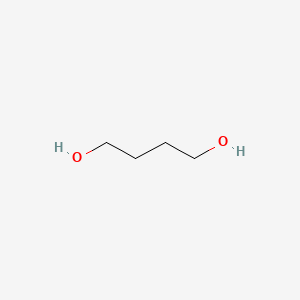
![1,4-Butanediol丨CAS 110-63-4]() 1,4-Butanediol丨CAS 110-63-4CAS No.: 110-63-4read more
1,4-Butanediol丨CAS 110-63-4CAS No.: 110-63-4read more
Product Name: 1,4-Butanediol
Molecular Formula: C4H10O2
Molecular Weight:... -
![FDCA丨CAS 3238-40-2]() FDCA丨CAS 3238-40-2Catalog No.: SS098300read more
FDCA丨CAS 3238-40-2Catalog No.: SS098300read more
CAS No.: 3238-40-2
Purity(HPLC): 99.9%min.
Product Name:... -
![Sodium Dodecyl Sulfate丨CAS 151-21-3]() Sodium Dodecyl Sulfate丨CAS 151-21-3CAS No.: 151-21-3read more
Sodium Dodecyl Sulfate丨CAS 151-21-3CAS No.: 151-21-3read more
Assay/Grade: EP11/99%min/95%min/CP2020
Product Name: Sodium dodecyl... -
![Glycerol丨CAS 56-81-5]() Glycerol丨CAS 56-81-5CAS No.: 56-81-5read more
Glycerol丨CAS 56-81-5CAS No.: 56-81-5read more
Grade: API/Injection/Pharmaceutical/Food/Industrial
Product Name:... -
![Cesium Carbonate丨CAS 534-17-8]() Cesium Carbonate丨CAS 534-17-8CAS No.: 534-17-8read more
Cesium Carbonate丨CAS 534-17-8CAS No.: 534-17-8read more
Assay: 99.9%min
Product Name: Cesium carbonate
Molecular Formula: Cs2CO3... -
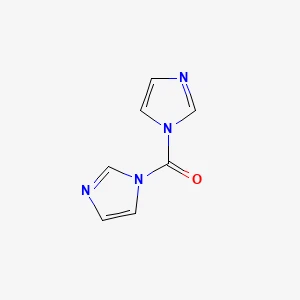
![1,1'-Carbonyldiimidazole丨CAS 530-62-1]() 1,1'-Carbonyldiimidazole丨CAS 530-62-1Catalog No.: SS080884read more
1,1'-Carbonyldiimidazole丨CAS 530-62-1Catalog No.: SS080884read more
CAS No.: 530-62-1
Assay(T): 98%min
Product Name:... -
![Palladium丨CAS 7440-05-3]() Palladium丨CAS 7440-05-3Catalog No.: SS067788read more
Palladium丨CAS 7440-05-3Catalog No.: SS067788read more
CAS No.: 7440-05-3
Assay(Pd): 10% Pd/C on dry basis.
Product Name:... -
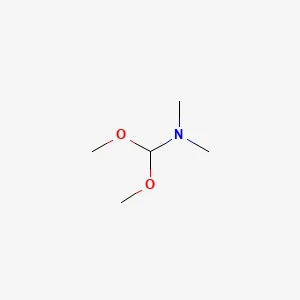
![N,N-Dimethylformamide Dimethyl Acetal丨CAS 4637-24-5]() N,N-Dimethylformamide Dimethyl Acetal丨CAS 4637-24-5Catalog No.: SS036295read more
N,N-Dimethylformamide Dimethyl Acetal丨CAS 4637-24-5Catalog No.: SS036295read more
CAS No.: 4637-24-5
Assay: 98%min
Product Name: N,N-Dimethylformamide...


Send Inquiry