


Catalog No.: SS018455
CAS No.: 516-12-1
Purity: 98.0%min
Product Name: N-Iodosuccinimide
Molecular Formula: C4H4INO2
Molecular Weight: 224.98
Synonym(s): 1-Iodo-2,5-pyrrolidinedione; NIS
Product Introduction
Chemical synthesis is the process of creating complex chemical compounds from simpler substances through controlled chemical reactions. It plays a vital role in various industries, including pharmaceuticals, agrochemicals, materials science, and manufacturing. Chemical synthesis enables the development of new materials, pharmaceuticals, and advanced technologies by facilitating precise manipulation of chemical structures to achieve desired properties. This process is integral to producing everything from daily household items to high-end technology components, ensuring innovation and progress across industries.
-
![N-Iodosuccinimide丨CAS 516-12-1]()
-
![2,5-Tetrahydrofurandimethanol (THFDM)丨CAS 104-80-3]() 2,5-Tetrahydrofurandimethanol (THFDM)丨CAS 104-80-3CAS No.: 104-80-3read more
2,5-Tetrahydrofurandimethanol (THFDM)丨CAS 104-80-3CAS No.: 104-80-3read more
Product Name: 2,5-Tetrahydrofurandimethanol
Molecular Formula: C6H12O3
Molecular Weight: 132.16
Synonym(s): THFDM -
![N,N-Dimethylacetamide丨CAS 127-19-5]() N,N-Dimethylacetamide丨CAS 127-19-5Catalog No.: SS145931read more
N,N-Dimethylacetamide丨CAS 127-19-5Catalog No.: SS145931read more
CAS No.: 127-19-5
Purity: 99.9%min
Product Name: N,N-Dimethylacetamide
Molecular Formula: C4H9NO
Molecular Weight: 87.12
Synonym(s): DMAC -
![Murexide丨CAS 3051-09-0]() Murexide丨CAS 3051-09-0Catalog No.: SS118947read more
Murexide丨CAS 3051-09-0Catalog No.: SS118947read more
CAS No.: 3051-09-0
Grade: Indicator grade
Product Name: Murexide
Molecular Formula: C8H8N6O6
Molecular Weight: 284.18
Synonym(s): Ammonium purpurate -
![N,N-Dimethylhexadecylamine丨CAS 112-69-6]() N,N-Dimethylhexadecylamine丨CAS 112-69-6Catalog No.: SS142321read more
N,N-Dimethylhexadecylamine丨CAS 112-69-6Catalog No.: SS142321read more
CAS No.: 112-69-6
Purity: 97%min
Product Name: N,N-Dimethylhexadecylamine
Molecular Formula: C18H39N
Molecular Weight: 269.51
Synonym(s): Armeen DM 16D -
![Choline Hydroxide丨CAS 123-41-1]() Choline Hydroxide丨CAS 123-41-1Catalog No.: SS122415read more
Choline Hydroxide丨CAS 123-41-1Catalog No.: SS122415read more
CAS No.: 123-41-1
Assay: 43-45%
Product Name: Choline hydroxide
Molecular Formula: C5H15NO2
Molecular Weight: 121.18
Synonym(s): 2-Hydroxyethyl trimethylammonium... -
![Potassium Thiocyanate丨CAS 333-20-0]() Potassium Thiocyanate丨CAS 333-20-0Catalog No.: SS084241read more
Potassium Thiocyanate丨CAS 333-20-0Catalog No.: SS084241read more
CAS No.: 333-20-0
Grade: AR
Product Name: Potassium thiocyanate
Molecular Formula: KCNS
Molecular Weight: 97.18
Synonym(s): Potassium rhodanide -
![4-Methylvaleryl Chloride丨CAS 38136-29-7]() 4-Methylvaleryl Chloride丨CAS 38136-29-7Catalog No.: SS004375read more
4-Methylvaleryl Chloride丨CAS 38136-29-7Catalog No.: SS004375read more
CAS No.: 38136-29-7
Assay: 98%min
Product Name: 4-Methylvaleryl chloride
Molecular Formula: C6H11ClO
Molecular Weight: 134.6
Synonym(s): Isocapronyl chloride -
![Thiazolyl Blue丨CAS 298-93-1]() Thiazolyl Blue丨CAS 298-93-1Catalog No.: SS084143read more
Thiazolyl Blue丨CAS 298-93-1Catalog No.: SS084143read more
CAS No.: 298-93-1
Assay: 98%min
Product Name: Thiazolyl Blue
Molecular Formula: C18H16BrN5S
Molecular Weight: 414.32
Synonym(s): MTT -
![Propyl Acetate丨CAS 109-60-4]() Propyl Acetate丨CAS 109-60-4Catalog No.: SS145817read more
Propyl Acetate丨CAS 109-60-4Catalog No.: SS145817read more
CAS No.: 109-60-4
N-propyl acetate(m/m): 99.7% min
Product Name: Propyl acetate
Certificates: ISO9001; REACH; ISO45001; ISO14001
Molecular Formula: C5H10O2
Molecular... -
![Indigoidine丨CAS 2435-59-8]() Indigoidine丨CAS 2435-59-8Catalog No.: SS145841read more
Indigoidine丨CAS 2435-59-8Catalog No.: SS145841read more
CAS No.: 2435-59-8
Relative Content: 90.0% min
Product Name: Indigoidine
Molecular Formula: C10H8N4O4
Molecular Weight: 248.19492
Synonym(s):... -
![Formamide丨CAS 75-12-7]() Formamide丨CAS 75-12-7Catalog No.: SS109950read more
Formamide丨CAS 75-12-7Catalog No.: SS109950read more
CAS No.: 75-12-7
Assay: 99.5% min
Product Name: Formamide
Molecular Formula: CH3NO
Molecular Weight: 45.04


Product Advantages And Features
Customized Chemical Production:
Chemical synthesis allows for the creation of specific compounds tailored to industry needs, including custom pharmaceuticals, specialized polymers, and industrial materials.
Scalability
Synthesis methods can be scaled from small laboratory batches to large-scale industrial production, providing flexibility for research and manufacturing.
Cost Efficiency
Synthesis enables the development of cost-effective methods to produce valuable chemicals and materials, reducing reliance on rare or naturally occurring compounds.
Enhanced Purity
Controlled synthesis allows for the creation of pure chemical compounds, essential for high-precision applications in medicine, electronics, and materials science.
Innovation in Material Science
Chemical synthesis is key in developing new materials with enhanced properties, such as improved conductivity, strength, or chemical resistance, driving innovation across multiple sectors.
Product Type
1
Borane (BH₃): Borane is a highly reactive compound used primarily as a reducing agent in organic synthesis. It is critical in hydroboration reactions, which add boron to alkenes, and in the production of pharmaceuticals and fine chemicals. Borane derivatives also play a role in the synthesis of complex boron-containing compounds.
2
Crown Ether: Crown ethers are cyclic compounds containing several ether groups. They are known for their ability to selectively bind to metal ions, making them essential in coordination chemistry, catalysis, and ion transportation. Crown ethers facilitate the separation of ions and are crucial in phase-transfer catalysis.
3
Fluorine (F₂): Fluorine is an extremely reactive halogen, essential in the production of a wide variety of compounds, including pharmaceuticals, agrochemicals, and polymers like Teflon. Fluorine's incorporation into organic compounds often enhances stability, bioavailability, and resistance to degradation, making it indispensable in medical and materials applications.
4
Grignard Reagents (RMgX): Grignard reagents are organomagnesium compounds used to form carbon-carbon bonds in organic synthesis. They are critical in the construction of complex molecules, making them valuable for pharmaceutical synthesis, material science, and industrial chemistry.
5
Ligands: Ligands are molecules that bind to a central metal atom, forming coordination complexes. In chemical synthesis, ligands are essential for catalysis, controlling the reactivity and selectivity of chemical reactions. Ligands are used in catalysis, drug development, and the creation of advanced materials with specific properties.
6
Organophosphorus Compounds: These compounds contain phosphorus-carbon bonds and are used in a variety of applications, including flame retardants, plasticizers, and agrochemicals. Organophosphorus compounds are also important in organocatalysis and are used in the synthesis of pharmaceuticals and materials with enhanced properties.
7
Stable Isotopes:Stable isotopes are non-radioactive forms of elements used in research, medical diagnostics, and environmental studies. In chemical synthesis, they serve as tracers for studying reaction mechanisms and processes. Isotopically labeled compounds are vital in drug development and metabolic studies.
Application Of The Product
Pharmaceutical Development
Chemical synthesis enables the design and production of active pharmaceutical ingredients (APIs), leading to the development of life-saving drugs and therapies. Custom synthesized compounds are essential for creating new treatments for diseases and conditions.
Material Science
The synthesis of polymers, composites, and advanced materials allows for the creation of products with unique properties, such as high strength, flexibility, or electrical conductivity. These materials are critical in industries like aerospace, electronics, and construction.
Agrochemicals
Chemical synthesis produces key agrochemicals like herbicides, insecticides, and fungicides, which help improve crop yields and protect food sources. Synthesis allows for the development of more effective and environmentally friendly agricultural products.
Industrial Catalysts
Catalysts synthesized through chemical processes are used in refining, petrochemical, and chemical industries to accelerate reactions, increase efficiency, and reduce costs. These catalysts are essential for large-scale chemical production.
Material Of The Product
Reagents
Reagents such as acids, bases, and oxidizing agents drive chemical reactions forward, providing the necessary conditions for synthesis.
Catalysts
Metals, ligands, and organocatalysts are often used to enhance the rate of chemical reactions without being consumed in the process.
Solvents
Solvents like water, ethanol, or dimethyl sulfoxide (DMSO) are used to dissolve reactants and facilitate reactions. Solvent choice is critical for reaction efficiency and product purity.
Production Process Or Procedure
Chemical synthesis requires meticulous control over reaction conditions, including temperature, pressure, and concentration of reactants. The process involves precise manipulation of reaction pathways to maximize yield and minimize side products. Craftsmanship in synthesis ensures the creation of high-purity compounds and scalable processes, whether in small-batch laboratory settings or large industrial applications.
Components Of The Product
Active Ingredients
These are the core reactants that undergo chemical transformation to form the desired product.
Catalysts
Compounds that speed up reactions without being consumed, essential for efficient synthesis.
Solvents and Carriers
These facilitate reactions and help with the distribution of reactants during the process.
Stabilizers
Added to ensure that products remain effective and stable during storage and application.
Product Maintenance And Precautions
Proper Storage
Chemicals should be stored in appropriate conditions, away from moisture, light, or heat to prevent degradation or unwanted reactions.
Safe Handling Procedures
When working with chemicals, protective equipment such as gloves, goggles, and lab coats should be used to avoid contact or inhalation.
Regular Inspections
Equipment and storage facilities should be inspected regularly to ensure they meet safety and operational standards.
Company Advantages
Our Focus on Quality & Customer Experience
We dedicate to delivering high-quality products and exceptional customer service beyond your expectation.
Comprehensive Product Range
Extensive catalog of over 27,000 chemicals for diverse industries, offering both standard compounds and specialized solutions.
Strong Industry Expertise
Our experienced diverse team provides expert guidance, staying current with industry trends to deliver optimal chemical solutions tailored to your needs.
Competitive Pricing & Reliability
Competitive pricing and reliable deliveries ensure cost-effective, efficient supply chains without compromising quality.
How To Collaborate With Us
Partnering with LEAPChem gives you access to the expertise of a leading company with 18 years of experience in the chemical industry. We offer over 27,000 chemical substances tailored to meet diverse needs. All our products adhere to industry standards and are accompanied by the necessary certifications.
We collaborate with a wide range of partners, including:
• Research Laboratories
• Pharmaceutical Companies
• Cosmetics Manufacturers
• Electronics Manufacturers
• Chemical Manufacturers
• Universities and Colleges Worldwide
• And more.
We specialize in helping our clients find the right chemical solutions tailored to their specific requirements. Additionally, we provide custom synthesis services to meet the unique needs of our partners. Whether you need bulk quantities for industrial processes or small batches for specialized applications, we've got you covered.
If you are looking for a reliable chemical supplier, we would be delighted to hear from you. Please send your inquiry or project details to sales@leapchem.com. Our professional team is eager to collaborate with you and help achieve your goals.
FAQ
Q: What is chemical synthesis?
A: Chemical synthesis is the process of creating complex chemical compounds from simpler substances through controlled chemical reactions.
Q: Why is chemical synthesis important in pharmaceuticals?
A: It allows for the development of new drugs by creating specific chemical compounds that can target diseases and conditions.
Q: How does chemical synthesis contribute to material science?
A: It enables the creation of new materials with enhanced properties, such as strength, flexibility, or conductivity.
Q: What role do catalysts play in synthesis?
A: Catalysts speed up reactions without being consumed, making processes more efficient.
Q: What are Grignard reagents used for?
A: They are used to form carbon-carbon bonds, which are essential in building complex organic molecules.
Q: What safety precautions should be taken when handling synthesis chemicals?
A: Always use protective gear and work in a well-ventilated area to avoid exposure to hazardous substances.
Q: What are ligands?
A: Ligands are molecules that bind to metal atoms, playing a crucial role in catalysis and coordination chemistry.
Q: What is the significance of stable isotopes in synthesis?
A: Stable isotopes are used as tracers in research to study reaction mechanisms and biological processes.
Q: Can chemical synthesis be scaled for industrial use?
A: Yes, methods developed in the lab can often be scaled up for mass production in industrial settings.
Q: How does chemical synthesis improve environmental sustainability?
A: By creating more efficient and targeted chemicals, synthesis can reduce waste and minimize environmental impact.
Q: What are crown ethers used for?
A: Crown ethers selectively bind metal ions, making them useful in ion transport and catalysis.
Q: How does fluorine improve pharmaceutical products?
A: Fluorine enhances the stability and bioavailability of drugs, making them more effective.
Q: What materials are commonly used in synthesis reactions?
A: Common materials include reagents like acids, solvents, and catalysts.
Q: What is organophosphorus chemistry used for?
A: It is used in the production of flame retardants, agrochemicals, and pharmaceuticals.
Q: How are chemical reactions controlled during synthesis?
A: Reaction conditions such as temperature, pressure, and concentration are tightly regulated for optimal results.
Hangzhou Leap Chem Co., Ltd. is well-known as one of the leading chemical synthesis manufacturers and suppliers in China, also supports custom service. We warmly welcome you to wholesale bulk high quality chemical synthesis from our factory.
Popular Products
-
![FDCA丨CAS 3238-40-2]() FDCA丨CAS 3238-40-2Catalog No.: SS098300read more
FDCA丨CAS 3238-40-2Catalog No.: SS098300read more
CAS No.: 3238-40-2
Purity(HPLC): 99.9%min.
Product Name:... -
![Sodium Dodecyl Sulfate丨CAS 151-21-3]() Sodium Dodecyl Sulfate丨CAS 151-21-3CAS No.: 151-21-3read more
Sodium Dodecyl Sulfate丨CAS 151-21-3CAS No.: 151-21-3read more
Assay/Grade: EP11/99%min/95%min/CP2020
Product Name: Sodium dodecyl... -
![Glycerol丨CAS 56-81-5]() Glycerol丨CAS 56-81-5CAS No.: 56-81-5read more
Glycerol丨CAS 56-81-5CAS No.: 56-81-5read more
Grade: API/Injection/Pharmaceutical/Food/Industrial
Product Name:... -
![Cesium Carbonate丨CAS 534-17-8]() Cesium Carbonate丨CAS 534-17-8CAS No.: 534-17-8read more
Cesium Carbonate丨CAS 534-17-8CAS No.: 534-17-8read more
Assay: 99.9%min
Product Name: Cesium carbonate
Molecular Formula: Cs2CO3... -
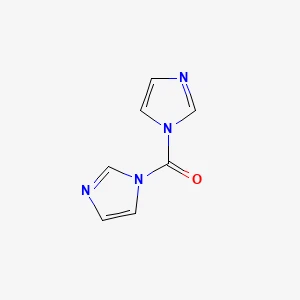
![1,1'-Carbonyldiimidazole丨CAS 530-62-1]() 1,1'-Carbonyldiimidazole丨CAS 530-62-1Catalog No.: SS080884read more
1,1'-Carbonyldiimidazole丨CAS 530-62-1Catalog No.: SS080884read more
CAS No.: 530-62-1
Assay(T): 98%min
Product Name:... -
![Palladium丨CAS 7440-05-3]() Palladium丨CAS 7440-05-3Catalog No.: SS067788read more
Palladium丨CAS 7440-05-3Catalog No.: SS067788read more
CAS No.: 7440-05-3
Assay(Pd): 10% Pd/C on dry basis.
Product Name:... -
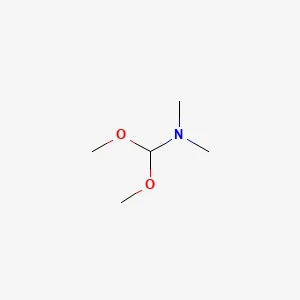
![N,N-Dimethylformamide Dimethyl Acetal丨CAS 4637-24-5]() N,N-Dimethylformamide Dimethyl Acetal丨CAS 4637-24-5Catalog No.: SS036295read more
N,N-Dimethylformamide Dimethyl Acetal丨CAS 4637-24-5Catalog No.: SS036295read more
CAS No.: 4637-24-5
Assay: 98%min
Product Name: N,N-Dimethylformamide... -
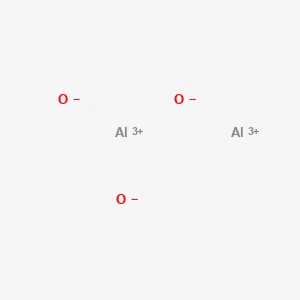
![Aluminum Oxide丨CAS 1344-28-1]() Aluminum Oxide丨CAS 1344-28-1Catalog No.: SS119815read more
Aluminum Oxide丨CAS 1344-28-1Catalog No.: SS119815read more
CAS No.: 1344-28-1
Purity: 99.99% min; Average particle size: 50nm...



Send Inquiry