


Catalog No.: SS138714
CAS No.: 8001-54-5
Active assay: 80%min
Product Name: Benzalkonium chloride
Molecular Formula: C22H40ClN
Molecular Weight: 354.0
Product Introduction
Chemical disinfectants are used in cosmetics to ensure that products remain free from harmful bacteria, fungi, and viruses. These disinfectants are critical in maintaining the hygiene and safety of products like creams, lotions, and makeup, both during production and after purchase. By preventing microbial growth, they help extend product shelf life while ensuring user safety.
-
![Benzalkonium Chloride丨CAS 8001-54-5]()
-
![2-Octyl-2H-isothiazol-3-one丨CAS 26530-20-1]() 2-Octyl-2H-isothiazol-3-one丨CAS 26530-20-1Catalog No.: SS006735read more
2-Octyl-2H-isothiazol-3-one丨CAS 26530-20-1Catalog No.: SS006735read more
CAS No.: 26530-20-1
Purity: 99.0% min
Product Name: 2-Octyl-2H-isothiazol-3-one
Molecular Formula: C11H19NOS
Molecular Weight: 213.34
Synonym(s):... -
![Chlorhexidine Digluconate丨CAS 18472-51-0]() Chlorhexidine Digluconate丨CAS 18472-51-0Catalog No.: SS130278read more
Chlorhexidine Digluconate丨CAS 18472-51-0Catalog No.: SS130278read more
CAS No.: 18472-51-0
Grade: USP35
Product Name: Chlorhexidine digluconate
Molecular Formula: C22H30Cl2N10.2(C6H12O7)
Molecular Weight: 897.56
Synonym(s):... -
![Cresol丨CAS 1319-77-3]() Cresol丨CAS 1319-77-3Catalog No.: SS129597read more
Cresol丨CAS 1319-77-3Catalog No.: SS129597read more
CAS No.: 1319-77-3
Total phenols content: 98%min
Product Name: Cresol
Molecular Formula: C7H8O
Molecular Weight: 108.14
Synonym(s): Cresol (mixed isomers) -
![Chloramine-T Trihydrate丨CAS 7080-50-4]() Chloramine-T Trihydrate丨CAS 7080-50-4Catalog No.: SS089371read more
Chloramine-T Trihydrate丨CAS 7080-50-4Catalog No.: SS089371read more
CAS No.: 7080-50-4
Content: 98% min
Product Name: Chloramine-T trihydrate
Certificate: ISO9001; ISO14001
Molecular Formula: C7H7ClNNaO2S · 3H2O
Molecular Weight:... -
![N-Vinyl-2-pyrrolidone丨CAS 88-12-0]() N-Vinyl-2-pyrrolidone丨CAS 88-12-0Catalog No.: SS077942read more
N-Vinyl-2-pyrrolidone丨CAS 88-12-0Catalog No.: SS077942read more
CAS No.: 88-12-0
Assay: 99.8%min
Product Name: N-Vinyl-2-pyrrolidone
Certificate: ISO9001
Molecular Formula: C6H9NO
Molecular Weight: 111.14
Synonym(s):... -
![Didecyl Dimethyl Ammonium Chloride丨CAS 7173-51-5]() Didecyl Dimethyl Ammonium Chloride丨CAS 7173-51-5Catalog No.: SS128704read more
Didecyl Dimethyl Ammonium Chloride丨CAS 7173-51-5Catalog No.: SS128704read more
CAS No.: 7173-51-5
Active Content: 78%-82%
Product Name: Didecyl dimethyl ammonium chloride
Didecyldimonium chloride; Aliquat 203
Certificate: ISO9001
Molecular Formula:... -
![Sodium Hypochlorite丨CAS 7681-52-9]() Sodium Hypochlorite丨CAS 7681-52-9Catalog No.: SS127341read more
Sodium Hypochlorite丨CAS 7681-52-9Catalog No.: SS127341read more
CAS No.: 7681-52-9
Purity: 12%min
Product Name: Sodium hypochlorite
Molecular Formula: NaClO
Molecular Weight: 74.44 -
![Chloramine-T丨CAS 127-65-1]() Chloramine-T丨CAS 127-65-1Catalog No.: SS004171read more
Chloramine-T丨CAS 127-65-1Catalog No.: SS004171read more
CAS No.: 127-65-1
Assay: 99%min
Product Name: Chloramine-T
Molecular Formula: C7H7ClNNaO2S.3(H2O)
Molecular Weight: 281.69
Synonym(s): Tosylchloramide sodium;... -
![1,3-Dibromo-5,5-dimethylhydantoin丨CAS 77-48-5]() 1,3-Dibromo-5,5-dimethylhydantoin丨CAS 77-48-5Catalog No.: SS070074read more
1,3-Dibromo-5,5-dimethylhydantoin丨CAS 77-48-5Catalog No.: SS070074read more
CAS No.: 77-48-5
Purity(titration): 98%min
Product Name: 1,3-Dibromo-5,5-dimethylhydantoin
Molecular Formula: C5H6Br2N2O2
Molecular Weight: 285.92
Synonym(s): Dibromantin;...


Product advantages and features
Broad-Spectrum Efficacy
Chemical disinfectants are effective against a wide range of microbes, ensuring comprehensive protection for cosmetic products.
Long-Lasting Protection
Once applied, these disinfectants offer extended periods of protection, reducing the risk of contamination throughout the product’s life.
Safe and Non-Toxic Options
Many disinfectants are designed to be safe for skin contact, minimizing irritation while still being highly effective.
Compatibility with Cosmetic Formulations
These disinfectants are easily integrated into various cosmetic products without altering their texture, scent, or performance.
Customizable Concentrations
Available in different strengths and concentrations to suit specific product needs and safety regulations.
Product type
Alcohol-Based Disinfectants: Fast-acting solutions commonly used in hand sanitizers and wipes for quick microbial control.
Quaternary Ammonium Compounds (Quats): Widely used for surface disinfection and in some skincare products for their effective germ-killing properties.
Phenolic Disinfectants: Strong disinfectants used in more robust applications, often found in industrial-grade cleaners but occasionally in cosmetics for added safety.
Aldehyde-Based Disinfectants: Known for their broad-spectrum efficacy, these are used in high-risk environments and certain preservatives.
Chlorine Compounds: Commonly used in industrial settings but occasionally formulated into specific personal care products for sanitation.
Application of the product
Cosmetic Preservation
Used in products like creams and lotions to prevent microbial contamination during daily use.
Surface Sanitization
Employed to sanitize tools and equipment during cosmetic production, ensuring product safety.
Hand Sanitizers
Integrated into skincare products designed for hand hygiene, offering quick and effective disinfection.
Spa and Salon Settings
Used in environments where hygiene is crucial, such as salons, to clean surfaces, tools, and equipment between clients.
Material of the product
Chemical disinfectants include a range of active ingredients depending on the formulation:
Ethanol and Isopropanol
Alcohols that evaporate quickly while killing most microbes on contact, widely used in skin-safe disinfectants.
01
Benzalkonium Chloride (BAC)
A type of quaternary ammonium compound that provides a non-alcohol alternative with lasting effects.
02
Hydrogen Peroxide
Often used as a stabilizer in cosmetic preservatives, it also serves as a disinfectant with oxidizing properties.
03
Chlorhexidine
An antiseptic and disinfectant included in skincare products for its gentle yet effective microbial action.
04
Triclosan
A well-known antibacterial agent, though less commonly used now due to regulatory scrutiny.
05
Production Process Or Procedure
The manufacturing process of chemical disinfectants involves carefully balancing active ingredients with stabilizers and solvents to ensure consistent potency and safety. Raw materials are first tested for purity, then blended in a controlled environment to achieve the correct concentration. Mixing equipment ensures even distribution of the active agents throughout the solution. The product undergoes quality control testing for effectiveness, pH balance, and skin compatibility before packaging. Special precautions are taken during packaging to prevent contamination, including the use of sterilized bottles and seals.
Components of the product
1
Active Disinfectant Agents: The core components responsible for killing or inhibiting microbial growth, such as ethanol, benzalkonium chloride, or hydrogen peroxide.
2
Solvents: Ingredients like water or alcohol that dissolve the active components, allowing them to be evenly distributed and effectively applied.
3
Stabilizers: These ingredients maintain the chemical stability of the disinfectant, ensuring it remains effective over time.
4
Surfactants: Aid in dispersing the active ingredients across surfaces or within a product, enhancing coverage and contact with microbes.
5
Fragrance and Skin Conditioners: Added to improve user experience, reduce irritation, and offer a pleasant scent.
Product maintenance and precautions
Storage Tips
Store chemical disinfectants in tightly sealed containers, away from direct sunlight and high temperatures to preserve potency.
Proper Handling
Always use gloves and follow safety guidelines when handling concentrated disinfectants to avoid skin or eye irritation.
Testing and Validation
Regularly test disinfectants in cosmetic formulations to ensure they do not interfere with the stability or performance of the product.
Expiration Monitoring
Be aware of the product’s expiration date, as effectiveness can diminish over time if improperly stored.
Company advantages
Our Focus on Quality & Customer Experience
We dedicate to delivering high-quality products and exceptional customer service beyond your expectation.
Comprehensive Product Range
Extensive catalog of over 27,000 chemicals for diverse industries, offering both standard compounds and specialized solutions.
Strong Industry Expertise
Our experienced diverse team provides expert guidance, staying current with industry trends to deliver optimal chemical solutions tailored to your needs.
Competitive Pricing & Reliability
Competitive pricing and reliable deliveries ensure cost-effective, efficient supply chains without compromising quality.
How to collaborate with us
Partnering with LEAPChem gives you access to the expertise of a leading company with 18 years of experience in the chemical industry. We offer over 27,000 chemical substances tailored to meet diverse needs. All our products adhere to industry standards and are accompanied by the necessary certifications.
We collaborate with a wide range of partners, including:
• Research Laboratories
• Pharmaceutical Companies
• Cosmetics Manufacturers
• Electronics Manufacturers
• Chemical Manufacturers
• Universities and Colleges Worldwide
• And more.
We specialize in helping our clients find the right chemical solutions tailored to their specific requirements. Additionally, we provide custom synthesis services to meet the unique needs of our partners. Whether you need bulk quantities for industrial processes or small batches for specialized applications, we’ve got you covered.
If you are looking for a reliable chemical supplier, we would be delighted to hear from you. Please send your inquiry or project details to sales@leapchem.com. Our professional team is eager to collaborate with you and help achieve your goals.
FAQ
Q: What is the purpose of chemical disinfectants in cosmetics?
A: They help prevent the growth of harmful bacteria, fungi, and other microbes, ensuring that products remain safe for consumer use over time.
Q: Are all disinfectants safe for skin contact?
A: Not all disinfectants are skin-safe; however, many formulations are specifically designed for cosmetic use and tested for minimal irritation.
Q: Can I use household disinfectants in cosmetic products?
A: No, household disinfectants are not formulated for cosmetic use and may cause irritation or interact poorly with other ingredients.
Q: What’s the difference between preservatives and disinfectants in cosmetics?
A: Preservatives are added to maintain product stability and prevent spoilage, while disinfectants are used more broadly for sanitizing surfaces and tools in production.
Q: How are disinfectants tested for efficacy?
A: Disinfectants undergo rigorous microbiological testing to assess their ability to kill or inhibit a wide spectrum of harmful organisms.
Q: Why are some disinfectants restricted in cosmetics?
A: Certain disinfectants, like triclosan, face regulatory restrictions due to health concerns or environmental impact, leading to limited or banned use in cosmetics.
Q: Are natural disinfectants as effective as synthetic ones?
A: Natural disinfectants like tea tree oil can be effective but usually offer less broad-spectrum protection compared to synthetic options.
Q: How do I know if a disinfectant is compatible with my cosmetic formula?
A: Compatibility testing should be conducted to ensure that the disinfectant does not destabilize other ingredients or cause undesirable reactions.
Q: Can disinfectants affect the scent or color of cosmetics?
A: Yes, some disinfectants can alter the scent or color of a product, which is why carefully formulated blends are essential.
Q: What should I do if a disinfectant irritates my skin?
A: Discontinue use immediately and consult a dermatologist. Look for disinfectants labeled as hypoallergenic or skin-safe for sensitive skin.
Hangzhou Leap Chem Co., Ltd. is well-known as one of the leading chemical disinfectants manufacturers and suppliers in China, also supports custom service. We warmly welcome you to wholesale bulk high quality chemical disinfectants from our factory.
chemical disinfectants, 77-48-5, 1 3 Dibromo 5 5 dimethylhydantoinPopular Products
-
![FDCA丨CAS 3238-40-2]() FDCA丨CAS 3238-40-2Catalog No.: SS098300read more
FDCA丨CAS 3238-40-2Catalog No.: SS098300read more
CAS No.: 3238-40-2
Purity(HPLC): 99.9%min.
Product Name:... -
![Sodium Dodecyl Sulfate丨CAS 151-21-3]() Sodium Dodecyl Sulfate丨CAS 151-21-3CAS No.: 151-21-3read more
Sodium Dodecyl Sulfate丨CAS 151-21-3CAS No.: 151-21-3read more
Assay/Grade: EP11/99%min/95%min/CP2020
Product Name: Sodium dodecyl... -
![Glycerol丨CAS 56-81-5]() Glycerol丨CAS 56-81-5CAS No.: 56-81-5read more
Glycerol丨CAS 56-81-5CAS No.: 56-81-5read more
Grade: API/Injection/Pharmaceutical/Food/Industrial
Product Name:... -
![Cesium Carbonate丨CAS 534-17-8]() Cesium Carbonate丨CAS 534-17-8CAS No.: 534-17-8read more
Cesium Carbonate丨CAS 534-17-8CAS No.: 534-17-8read more
Assay: 99.9%min
Product Name: Cesium carbonate
Molecular Formula: Cs2CO3... -
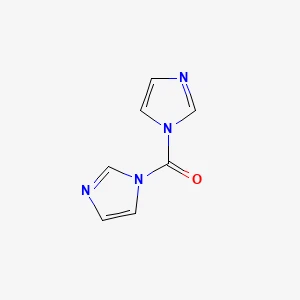
![1,1'-Carbonyldiimidazole丨CAS 530-62-1]() 1,1'-Carbonyldiimidazole丨CAS 530-62-1Catalog No.: SS080884read more
1,1'-Carbonyldiimidazole丨CAS 530-62-1Catalog No.: SS080884read more
CAS No.: 530-62-1
Assay(T): 98%min
Product Name:... -
![Palladium丨CAS 7440-05-3]() Palladium丨CAS 7440-05-3Catalog No.: SS067788read more
Palladium丨CAS 7440-05-3Catalog No.: SS067788read more
CAS No.: 7440-05-3
Assay(Pd): 10% Pd/C on dry basis.
Product Name:... -
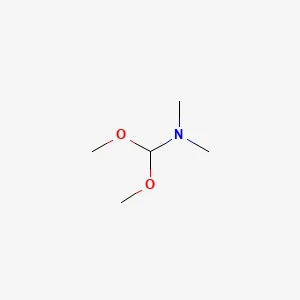
![N,N-Dimethylformamide Dimethyl Acetal丨CAS 4637-24-5]() N,N-Dimethylformamide Dimethyl Acetal丨CAS 4637-24-5Catalog No.: SS036295read more
N,N-Dimethylformamide Dimethyl Acetal丨CAS 4637-24-5Catalog No.: SS036295read more
CAS No.: 4637-24-5
Assay: 98%min
Product Name: N,N-Dimethylformamide... -
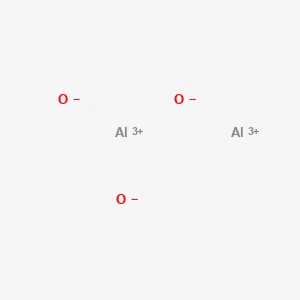
![Aluminum Oxide丨CAS 1344-28-1]() Aluminum Oxide丨CAS 1344-28-1Catalog No.: SS119815read more
Aluminum Oxide丨CAS 1344-28-1Catalog No.: SS119815read more
CAS No.: 1344-28-1
Purity: 99.99% min; Average particle size: 50nm...


Send Inquiry