


Catalog No.: SS136678
CAS No.: 208827-90-1
Purity: 95%min
Product Name: Triethylene Glycol Mono(2-propynyl) Ether
Molecular Formula: C9H16O4
Molecular Weight: 188.22
Synonym(s):...
Product Introduction
Polyethylene Glycol (PEG) is a versatile polymer widely used in the pharmaceutical industry for its unique properties. It is a polyether compound derived from ethylene glycol and comes in various molecular weights, giving it diverse applications ranging from drug formulation to excipient use. PEG serves as a solvent, stabilizer, and binding agent in drug formulations and is commonly found in tablets, ointments, suppositories, and injectable solutions. Its water solubility, biocompatibility, and non-toxicity make it an essential component in modern pharmaceuticals.
-
![Triethylene Glycol Mono(2-propynyl) Ether丨CAS 208827-90-1]()
-
![H2N-PEG6-tBu丨CAS 1286281-32-0]() H2N-PEG6-tBu丨CAS 1286281-32-0Catalog No.: SS134145read more
H2N-PEG6-tBu丨CAS 1286281-32-0Catalog No.: SS134145read more
CAS No.: 1286281-32-0
Purity(by HNMR): 97% min
Product Name: H2N-PEG6-tBu
Molecular Formula: C19H39NO8
Molecular Weight: 409.51486
Synonym(s): Amino-PEG6-COOtBu -
![18F-L-Dopa Precursor丨CAS 2377146-66-0]() 18F-L-Dopa Precursor丨CAS 2377146-66-0Catalog No.: SS131834read more
18F-L-Dopa Precursor丨CAS 2377146-66-0Catalog No.: SS131834read more
CAS No.: 2377146-66-0
Purity: 99%min
Product Name: 18F-L-Dopa precursor
Molecular Formula: C33H54BNO12
Molecular Weight: 667.59
Synonym(s): DMOM-NBoc-BPin-DOPA-OtBu -
![2-(2-(2-Methoxyethoxy)ethoxy)ethyl 4-Methylbenzenesulfonate丨CAS 62921-74-8]() 2-(2-(2-Methoxyethoxy)ethoxy)ethyl 4-Methylbenzenesulfona...Catalog No.: SS132333read more
2-(2-(2-Methoxyethoxy)ethoxy)ethyl 4-Methylbenzenesulfona...Catalog No.: SS132333read more
CAS No.: 62921-74-8
Purity: 95% min
Product Name: 2-(2-(2-Methoxyethoxy)ethoxy)ethyl 4-Methylbenzenesulfonate
Molecular Formula: C14H22O6S
Molecular Weight: 318.38588... -
![M-PEG3-Tos丨CAS 50586-80-6]() M-PEG3-Tos丨CAS 50586-80-6Catalog No.: SS132331read more
M-PEG3-Tos丨CAS 50586-80-6Catalog No.: SS132331read more
CAS No.: 50586-80-6
Purity(by HPLC): 97% min
Product Name: m-PEG3-Tos
Molecular Formula: C12H18O5S
Molecular Weight: 274.33 -
![Nonaethylene Glycol Monomethyl Ether丨CAS 6048-68-6]() Nonaethylene Glycol Monomethyl Ether丨CAS 6048-68-6Catalog No.: SS132330read more
Nonaethylene Glycol Monomethyl Ether丨CAS 6048-68-6Catalog No.: SS132330read more
CAS No.: 6048-68-6
Purity(by HPLC): 97% min
Product Name: Nonaethylene glycol monomethyl ether
Molecular Formula: C19H40O10
Molecular Weight: 428.51 -
![Biotin-PEG2-Acid丨CAS 1365655-89-5]() Biotin-PEG2-Acid丨CAS 1365655-89-5Catalog No.: SS098943read more
Biotin-PEG2-Acid丨CAS 1365655-89-5Catalog No.: SS098943read more
CAS No.: 1365655-89-5
Purity: 95%min
Product Name: Biotin-PEG2-Acid
Molecular Formula: C17H29N3O6S
Molecular Weight: 403.49 -
![14-(((Tert-butoxy)carbonyl)amino)-3,6,9,12-tetraoxatetradecanoic Acid丨CAS 876345-13-0]() 14-(((Tert-butoxy)carbonyl)amino)-3,6,9,12-tetraoxatetrad...Catalog No.: SS123661read more
14-(((Tert-butoxy)carbonyl)amino)-3,6,9,12-tetraoxatetrad...Catalog No.: SS123661read more
CAS No.: 876345-13-0
Purity: 95%min
Product Name: 14-(((Tert-butoxy)carbonyl)amino)-3,6,9,12-tetraoxatetradecanoic acid
Molecular Formula: C15H29NO8
Molecular Weight: 351.39... -
![Tetraethyleneglycol Monomethyl Ether丨CAS 23783-42-8]() Tetraethyleneglycol Monomethyl Ether丨CAS 23783-42-8Catalog No.: SS132325read more
Tetraethyleneglycol Monomethyl Ether丨CAS 23783-42-8Catalog No.: SS132325read more
CAS No.: 23783-42-8
Purity: 99%min
Product Name: Tetraethyleneglycol monomethyl ether
Molecular Formula: C9H20O5
Molecular Weight: 208.25
Synonym(s):... -
![3,6,9,12,15,18,21,24-Octaoxapentacosan-1-amine丨CAS 869718-81-0]() 3,6,9,12,15,18,21,24-Octaoxapentacosan-1-amine丨CAS 869718...Catalog No.: SS132324read more
3,6,9,12,15,18,21,24-Octaoxapentacosan-1-amine丨CAS 869718...Catalog No.: SS132324read more
CAS No.: 869718-81-0
Purity: 99% min
Product Name: 3,6,9,12,15,18,21,24-Octaoxapentacosan-1-amine
Molecular Formula: C17H37NO8
Molecular Weight: 383.48 -
![3,6,9,12,15,18-Hexaoxanonadecan-1-amine丨CAS 184357-46-8]() 3,6,9,12,15,18-Hexaoxanonadecan-1-amine丨CAS 184357-46-8Catalog No.: SS132323read more
3,6,9,12,15,18-Hexaoxanonadecan-1-amine丨CAS 184357-46-8Catalog No.: SS132323read more
CAS No.: 184357-46-8
Purity: 97% min
Product Name: 3,6,9,12,15,18-Hexaoxanonadecan-1-amine
Molecular Formula: C13H29NO6
Molecular Weight: 295.37
Synonym(s):... -
![Dodecaethylene Glycol丨CAS 6790-09-6]() Dodecaethylene Glycol丨CAS 6790-09-6Catalog No.: SS120068read more
Dodecaethylene Glycol丨CAS 6790-09-6Catalog No.: SS120068read more
CAS No.: 6790-09-6
Purity(1HNMR): 97%min
Product Name: Dodecaethylene glycol
Molecular Formula: C24H50O13
Molecular Weight: 546.65
Synonym(s):...


Product advantages and features
Solubility Enhancement
PEG improves the solubility of poorly water-soluble drugs, enhancing their bioavailability and therapeutic effectiveness.
01
Versatile Molecular Weights
Available in varying molecular weights (e.g., PEG 400, PEG 6000), allowing for tailored use in different pharmaceutical applications.
02
Non-Toxic and Biocompatible
PEG is non-toxic, non-irritating, and biocompatible, making it safe for use in various drug delivery systems, including injectables and oral formulations.
03
Stabilization of APIs
PEG helps stabilize active ingredients, preventing degradation and ensuring the shelf-life of pharmaceutical products.
04
Controlled Drug Release
PEG can be used in drug formulations to achieve sustained or controlled release profiles, improving therapeutic outcomes.
05
Product type
1. Low Molecular Weight PEG (PEG 200 to PEG 600)
Typically used as solvents or lubricants in liquid formulations and topical preparations.
2. Medium Molecular Weight PEG (PEG 1000 to PEG 6000)
Commonly used in semi-solid formulations like creams, ointments, and suppositories.
3. High Molecular Weight PEG (PEG 8000 and above)
Utilized in solid dosage forms like tablets as binders and coatings to control drug release.
4. PEG Derivatives
Modified PEGs, such as PEGylated compounds, are used to enhance the solubility, stability, and bioavailability of certain APIs, especially in biopharmaceuticals.
5. Cross-Linked PEGs
Used in specialized drug delivery systems and as hydrogels for wound dressings and tissue engineering applications.
Application of the product
Drug Solubilization: PEG is widely used to solubilize hydrophobic drugs, improving their absorption and bioavailability in oral and injectable formulations.
Topical and Transdermal Formulations: PEG's moisturizing properties make it suitable for creams, ointments, and gels used in dermatological treatments.
Controlled Release Systems: PEG is used in sustained release formulations, allowing for gradual drug release over time, improving patient compliance.
Pharmaceutical Coatings: PEG acts as a coating agent in tablets and capsules, masking taste, controlling release, and enhancing appearance.
Suppositories: PEG is commonly used as a base in suppository formulations, providing a stable and effective delivery system for rectal or vaginal administration.
Material of the product
1
Ethylene Oxide: The primary raw material used in the production of PEG through polymerization, determining its molecular weight and properties.
2
Diethylene Glycol: Sometimes used in the synthesis of PEG to modify its molecular weight and viscosity, offering different functional properties.
3
Monomethyl Ethers: Added to PEG formulations to control viscosity and solubility, especially in liquid pharmaceutical applications.
4
Cross-Linking Agents: Employed in the creation of PEG hydrogels, used in advanced drug delivery systems and medical devices.
5
Stabilizers and Additives: Included to maintain PEG's stability and performance during storage and formulation processing.
Production Process Or Procedure
The production of PEG involves the polymerization of ethylene oxide under controlled conditions, producing polymers of varying chain lengths (molecular weights). The process begins with the catalyzed polymerization of ethylene oxide, forming PEG with different molecular weights, which are then purified and tested for consistency. The final product is available in various forms - liquid, solid, or powder - depending on the intended application. Rigorous quality control measures, including viscosity and molecular weight testing, ensure that the produced PEG meets pharmaceutical-grade standards.
Components of the product
Polymer Chains
The primary component of PEG, consisting of repeating ethylene glycol units, which determine its solubility and physical properties.
Stabilizers
These additives are used to maintain PEG's chemical stability during formulation, preventing degradation due to temperature, light, or pH changes.
Viscosity Modifiers
Adjusted according to the molecular weight, these components determine whether PEG will be used as a thickener, lubricant, or solvent.
Co-Solvents
In some liquid formulations, co-solvents are added to enhance PEG’s solubility with other formulation ingredients.
Surface Active Agents
These are used in some PEG formulations to improve dispersibility, particularly in topical and transdermal applications.
Product maintenance and precautions
Proper Storage Conditions
Store PEG in tightly sealed containers, protected from moisture and direct sunlight to maintain its stability.
Handling Precautions
Follow safety guidelines, such as wearing gloves and eye protection, especially when handling high molecular weight PEGs, which can be irritating.
Temperature Control
PEG should be stored at controlled temperatures to avoid changes in viscosity and potential degradation.
Compatibility Checks
Before use in formulations, ensure PEG is compatible with other ingredients to avoid unwanted interactions.
Regulatory Compliance
Ensure that PEG meets pharmaceutical standards and regulatory guidelines (e.g., GMP) for safe use in drug formulations.
Company advantages
Our Focus on Quality & Customer Experience
We dedicate to delivering high-quality products and exceptional customer service beyond your expectation.
Comprehensive Product Range
Extensive catalog of over 27,000 chemicals for diverse industries, offering both standard compounds and specialized solutions.
Strong Industry Expertise
Our experienced diverse team provides expert guidance, staying current with industry trends to deliver optimal chemical solutions tailored to your needs.
Competitive Pricing & Reliability
Competitive pricing and reliable deliveries ensure cost-effective, efficient supply chains without compromising quality.
How to collaborate with us
Partnering with LEAPChem gives you access to the expertise of a leading company with 18 years of experience in the chemical industry. We offer over 27,000 chemical substances tailored to meet diverse needs. All our products adhere to industry standards and are accompanied by the necessary certifications.
We collaborate with a wide range of partners, including:
• Research Laboratories
• Pharmaceutical Companies
• Cosmetics Manufacturers
• Electronics Manufacturers
• Chemical Manufacturers
• Universities and Colleges Worldwide
• And more.
We specialize in helping our clients find the right chemical solutions tailored to their specific requirements. Additionally, we provide custom synthesis services to meet the unique needs of our partners. Whether you need bulk quantities for industrial processes or small batches for specialized applications, we’ve got you covered.
If you are looking for a reliable chemical supplier, we would be delighted to hear from you. Please send your inquiry or project details to sales@leapchem.com. Our professional team is eager to collaborate with you and help achieve your goals.
FAQ
Q: What is polyethylene glycol (PEG)?
A: Polyethylene Glycol (PEG) is a versatile polymer used in pharmaceutical formulations as a solvent, stabilizer, and drug delivery agent.
Q: Why is PEG used in pharmaceuticals?
A: PEG is used for its solubility-enhancing properties, biocompatibility, and ability to control drug release, making it ideal for a wide range of drug formulations.
Q: What are the types of PEG available?
A: PEG comes in various molecular weights, each suited for different applications, such as low molecular weight PEGs for liquid formulations and high molecular weight PEGs for solid dosage forms.
Q: Is PEG safe for use in medications?
A: Yes, PEG is generally regarded as safe (GRAS) and is widely used in FDA-approved drug formulations due to its non-toxic and non-irritating nature.
Q: How does PEG improve drug solubility?
A: PEG interacts with hydrophobic drugs, increasing their solubility in aqueous environments, which enhances absorption and bioavailability.
Q: What are the common applications of PEG in pharmaceuticals?
A: PEG is used in oral, topical, injectable, and transdermal drug formulations, as well as in controlled-release systems and pharmaceutical coatings.
Q: What factors determine the choice of PEG in a formulation?
A: The choice of PEG depends on its molecular weight, viscosity, and the desired application, such as solubility enhancement or controlled release.
Q: How does PEG control drug release?
A: High molecular weight PEGs can form matrices that allow for slow, sustained release of the drug, improving patient adherence to treatment regimens.
Q: What are PEG derivatives?
A: PEG derivatives, such as PEGylated compounds, are chemically modified forms used to improve the stability, solubility, and bioavailability of APIs, particularly in biopharmaceuticals.
Q: Is PEG used in both human and veterinary medicines?
A: Yes, PEG is used in both human and veterinary formulations for its solubility and stabilization properties.
Q: Can PEG cause allergic reactions?
A: Although rare, some individuals may experience allergic reactions to PEG, necessitating caution in certain patient populations.
Q: How should PEG be stored?
A: PEG should be stored in sealed containers at controlled room temperatures, protected from moisture and light to maintain its integrity.
Q: Is PEG biodegradable?
A: PEG is partially biodegradable, with its breakdown depending on molecular weight and environmental factors, but it is generally considered environmentally safe.
Q: What is the role of PEG in suppository formulations?
A: PEG is used as a base in suppositories, providing a stable medium for drug delivery via rectal or vaginal routes.
Q: How does PEG affect the viscosity of formulations?
A: PEG’s viscosity varies with its molecular weight, allowing it to be used as a thickener, lubricant, or solvent in various pharmaceutical preparations.
Q: What quality control tests are performed on PEG?
A: Tests include assessments of molecular weight, viscosity, purity, and stability, ensuring that the PEG meets pharmaceutical-grade standards.
Q: Can PEG be used in combination with other excipients?
A: Yes, PEG is often used in combination with other excipients to achieve desired properties in drug formulations, such as enhanced solubility and controlled release.
Q: What are some examples of PEG in everyday pharmaceuticals?
A: PEG is found in common products like laxatives, skin creams, and certain types of cough syrups due to its solubility and stabilizing properties.
Q: Are there any regulatory considerations for using PEG in drug formulations?
A: PEG must meet regulatory standards, including those set by the FDA and EMA, for purity, safety, and effectiveness in pharmaceutical products.
Q: How is PEG used in injectable drugs?
A: In injectables, PEG acts as a solvent and stabilizer, ensuring the API remains effective while allowing for safe and smooth delivery.
Hangzhou Leap Chem Co., Ltd. is well-known as one of the leading polyethylene glycol manufacturers and suppliers in China, also supports custom service. We warmly welcome you to wholesale bulk high quality polyethylene glycol from our factory.
polyethylene glycolPopular Products
-
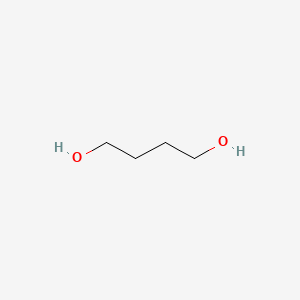
![1,4-Butanediol丨CAS 110-63-4]() 1,4-Butanediol丨CAS 110-63-4CAS No.: 110-63-4read more
1,4-Butanediol丨CAS 110-63-4CAS No.: 110-63-4read more
Product Name: 1,4-Butanediol
Molecular Formula: C4H10O2
Molecular Weight:... -
![FDCA丨CAS 3238-40-2]() FDCA丨CAS 3238-40-2Catalog No.: SS098300read more
FDCA丨CAS 3238-40-2Catalog No.: SS098300read more
CAS No.: 3238-40-2
Purity(HPLC): 99.9%min.
Product Name:... -
![Sodium Dodecyl Sulfate丨CAS 151-21-3]() Sodium Dodecyl Sulfate丨CAS 151-21-3CAS No.: 151-21-3read more
Sodium Dodecyl Sulfate丨CAS 151-21-3CAS No.: 151-21-3read more
Assay/Grade: EP11/99%min/95%min/CP2020
Product Name: Sodium dodecyl... -
![Glycerol丨CAS 56-81-5]() Glycerol丨CAS 56-81-5CAS No.: 56-81-5read more
Glycerol丨CAS 56-81-5CAS No.: 56-81-5read more
Grade: API/Injection/Pharmaceutical/Food/Industrial
Product Name:... -
![Cesium Carbonate丨CAS 534-17-8]() Cesium Carbonate丨CAS 534-17-8CAS No.: 534-17-8read more
Cesium Carbonate丨CAS 534-17-8CAS No.: 534-17-8read more
Assay: 99.9%min
Product Name: Cesium carbonate
Molecular Formula: Cs2CO3... -
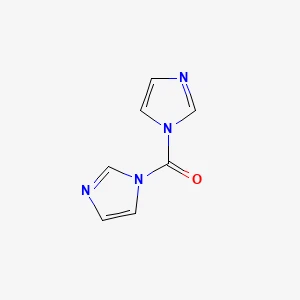
![1,1'-Carbonyldiimidazole丨CAS 530-62-1]() 1,1'-Carbonyldiimidazole丨CAS 530-62-1Catalog No.: SS080884read more
1,1'-Carbonyldiimidazole丨CAS 530-62-1Catalog No.: SS080884read more
CAS No.: 530-62-1
Assay(T): 98%min
Product Name:... -
![Palladium丨CAS 7440-05-3]() Palladium丨CAS 7440-05-3Catalog No.: SS067788read more
Palladium丨CAS 7440-05-3Catalog No.: SS067788read more
CAS No.: 7440-05-3
Assay(Pd): 10% Pd/C on dry basis.
Product Name:... -
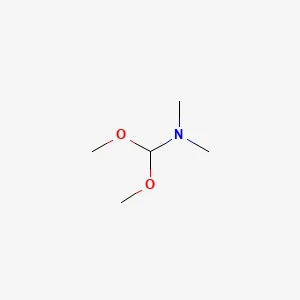
![N,N-Dimethylformamide Dimethyl Acetal丨CAS 4637-24-5]() N,N-Dimethylformamide Dimethyl Acetal丨CAS 4637-24-5Catalog No.: SS036295read more
N,N-Dimethylformamide Dimethyl Acetal丨CAS 4637-24-5Catalog No.: SS036295read more
CAS No.: 4637-24-5
Assay: 98%min
Product Name: N,N-Dimethylformamide...


Send Inquiry