


CAS No.: 56-81-5
Grade: API/Injection/Pharmaceutical/Food/Industrial
Product Name: Glycerol
Molecular Formula: C3H8O3
Molecular Weight: 92.09
Synonym(s): Glycerin; Trihydroxypropane
Product Introduction
Pharmaceutical excipients are inactive substances used in drug formulations to serve as carriers, fillers, or stabilizers, enhancing the performance and delivery of the active pharmaceutical ingredient (API). Though excipients do not provide therapeutic effects, they play critical roles in ensuring the safety, effectiveness, and manufacturability of the drug product. From enhancing solubility to controlling drug release, excipients are indispensable in the production of tablets, capsules, injectables, and other dosage forms.
-
![Glycerol丨CAS 56-81-5]()
-
![Potassium Alginate丨CAS 9005-36-1]()
-
![Sodium Alginate丨CAS 9005-38-3]()
-
![Cetyl Alcohol丨CAS 36653-82-4]() Cetyl Alcohol丨CAS 36653-82-4Catalog No.: SS119498read more
Cetyl Alcohol丨CAS 36653-82-4Catalog No.: SS119498read more
CAS No.: 36653-82-4
Grade: USP43-NF38
Product Name: Cetyl Alcohol
Molecular Formula: C16H34O
Molecular Weight: 242.44
Synonym(s): 1-Hexadecanol -
![Hexylene Glycol丨CAS 107-41-5]() Hexylene Glycol丨CAS 107-41-5Catalog No.: SS146315read more
Hexylene Glycol丨CAS 107-41-5Catalog No.: SS146315read more
CAS No.: 107-41-5
Grade: USP-NF2025
Product Name: Hexylene Glycol
Molecular Formula: C6H14O2
Molecular Weight: 118.17
Synonym(s): 2-Methyl-2,4-pentanediol -
![Carnauba Wax丨CAS 8015-86-9]() Carnauba Wax丨CAS 8015-86-9Catalog No.: SS133007read more
Carnauba Wax丨CAS 8015-86-9Catalog No.: SS133007read more
CAS No.: 8015-86-9
Grade: CP
Product Name: Carnauba wax
Certificate: GMP -
![Methacrylic Acid - Ethyl Acrylate Copolymer丨CAS 25212-88-8]() Methacrylic Acid - Ethyl Acrylate Copolymer丨CAS 25212-88-8Catalog No.: SS144571read more
Methacrylic Acid - Ethyl Acrylate Copolymer丨CAS 25212-88-8Catalog No.: SS144571read more
CAS No.: 25212-88-8
Grade: EP10.0
Product Name: methacrylic acid - ethyl acrylate copolymer
Molecular Formula: C9H14O4
Molecular Weight: 186.20506
Synonym(s): difunctional... -
![1,4-Dioxane-2,5-dione--3,6-dimethyl-1,4-dioxane-2,5-dione (1/1)丨CAS 26780-50-7]() 1,4-Dioxane-2,5-dione--3,6-dimethyl-1,4-dioxane-2,5-dione...Catalog No.: SS137385read more
1,4-Dioxane-2,5-dione--3,6-dimethyl-1,4-dioxane-2,5-dione...Catalog No.: SS137385read more
CAS No.: 26780-50-7
Grade: Injectable Grade (50/50, Acid terminated)
Product Name: 1,4-Dioxane-2,5-dione--3,6-dimethyl-1,4-dioxane-2,5-dione (1/1)
Molecular Formula: C10H12O8... -
![Calcium Chloride丨CAS 10043-52-4]() Calcium Chloride丨CAS 10043-52-4Catalog No.: SS134530read more
Calcium Chloride丨CAS 10043-52-4Catalog No.: SS134530read more
CAS No.: 10043-52-4
Grade/Assay(on dried basis): BP2021/97.0%-103.0%
Product Name: Calcium chloride
Certificate: ISO9001; GMP
Molecular Formula: CaCl2
Molecular Weight:... -
![(2-Hydroxypropyl)-γ-cyclodextrin丨CAS 128446-34-4]() (2-Hydroxypropyl)-γ-cyclodextrin丨CAS 128446-34-4Catalog No.: SS063744read more
(2-Hydroxypropyl)-γ-cyclodextrin丨CAS 128446-34-4Catalog No.: SS063744read more
CAS No.: 128446-34-4
Purity: 95%min.
Product Name: (2-Hydroxypropyl)-γ-cyclodextrin
Molecular Formula: C63H110O45
Molecular Weight: 1587.5 -
![Glycerol Phosphate Disodium Salt Hydrate丨CAS 55073-41-1]() Glycerol Phosphate Disodium Salt Hydrate丨CAS 55073-41-1Catalog No.: SS070109read more
Glycerol Phosphate Disodium Salt Hydrate丨CAS 55073-41-1Catalog No.: SS070109read more
CAS No.: 55073-41-1
Grade/Assay: Pharm grade/98%min
Product Name: Glycerol phosphate disodium salt hydrate
Molecular Formula: C3H7Na2O6P.H2O
Molecular Weight: 216.04 -
![Lactulose丨CAS 4618-18-2]() Lactulose丨CAS 4618-18-2Catalog No.: SS115294read more
Lactulose丨CAS 4618-18-2Catalog No.: SS115294read more
CAS No.: 4618-18-2
Grade: USP
Product Name: Lactulose
Certificates: ISO9001; ISO14001
Molecular Formula: C12H22O11
Molecular Weight: 342.30
Synonym(s):...


Product advantages and features
Improved Drug Stability
Excipients help maintain the stability of the API during manufacturing, storage, and administration.
01
Enhanced Drug Delivery
They enhance the bioavailability of the API, ensuring consistent and efficient drug absorption.
02
Controlled Release Mechanisms
Excipients allow for sustained or delayed release of drugs, optimizing therapeutic outcomes.
03
Manufacturability and Processability
They facilitate the efficient manufacturing of various dosage forms by improving flowability, compressibility, and product uniformity.
04
Patient-Centric Solutions
Excipients can improve the taste, texture, and appearance of drugs, making them more acceptable and easier to administer.
05
Product type
1. Binders
These excipients hold the components of a tablet together, ensuring structural integrity and consistent dosing.
2. Disintegrants
Added to promote the breakdown of tablets into smaller fragments in the gastrointestinal tract, ensuring rapid drug release.
3. PFillers (Diluents)
Used to bulk up formulations with small quantities of API, making tablets or capsules a practical size.
4. Lubricants
Excipients like magnesium stearate are added to reduce friction during the tablet manufacturing process, preventing sticking and ensuring smooth production.
5. Coating Agents
Used in applications requiring see-through displays, like heads-up displays in vehicles and smart windows.Applied to protect the tablet, mask unpleasant tastes, and sometimes control the drug’s release profile.
Application of the product
Tablet and Capsule Formulation: Excipients are essential for producing solid oral dosage forms, ensuring proper tablet structure, stability, and drug release.
Injectable Formulations: In injectables, excipients act as solvents, stabilizers, or pH adjusters, ensuring the API remains effective and safe for administration.
Topical and Transdermal Products: Excipients are used to enhance absorption through the skin and improve the texture and feel of creams, gels, and ointments.
Controlled Release Systems: Specialized excipients enable sustained or delayed drug release, allowing for fewer doses and improved patient adherence.
Nutraceuticals and Dietary Supplements: Excipients are also widely used in supplements to ensure consistent quality, stability, and ease of consumption.
Material of the product
1
Cellulose Derivatives: Widely used as binders, fillers, and disintegrants in tablet formulations, providing flexibility in drug design.
2
Polyethylene Glycol (PEG): A versatile excipient used in various dosage forms for solubilizing and stabilizing APIs.
3
Starch and Starch Derivatives: Commonly used as fillers and disintegrants, contributing to the overall performance and stability of solid oral dosage forms.
4
Silica-Based Compounds: These are often used as glidants to improve powder flow during the manufacturing process.
5
Sugars and Polyols: Used as sweeteners or bulking agents, enhancing the taste and mouthfeel of oral formulations.
Production Process Or Procedure
Pharmaceutical excipients are produced through both natural and synthetic processes. Natural excipients like starch are extracted and purified, while synthetic excipients like PEG are manufactured through chemical synthesis. Once produced, excipients undergo rigorous quality control tests, including assessments for purity, consistency, and stability. The selection and combination of excipients are tailored based on the specific needs of the drug formulation, ensuring optimal performance and safety in the final product.
Components of the product
Carrier Agents
The primary materials that support or carry the API in the formulation, ensuring even distribution.
Stabilizers
These prevent the degradation of the API due to environmental factors like light, temperature, or moisture.
Flow Aids
Excipients that improve the flow properties of powders during manufacturing, reducing clumping and ensuring uniformity.
Taste Masking Agents
Ingredients added to mask the bitter or unpleasant taste of APIs, improving patient compliance.
Preservatives
Excipients that prevent microbial growth, especially in liquid formulations, extending the shelf life of the product.
Product maintenance and precautions
Storage Requirements
Excipients should be stored in controlled environments, protecting them from moisture, heat, and contamination.
Proper Handling
Excipients must be handled according to GMP guidelines to avoid cross-contamination and degradation.
Batch Testing
Regular quality control tests should be conducted to ensure excipients maintain their intended properties throughout storage and use.
Regulatory Compliance
Follow regulatory guidelines (e.g., FDA, ICH) regarding excipient use in pharmaceuticals to ensure safety and quality.
Compatibility Testing
Excipients must be tested for compatibility with APIs and other formulation components to avoid unwanted interactions or reduced efficacy.
Company advantages
Our Focus on Quality & Customer Experience
We dedicate to delivering high-quality products and exceptional customer service beyond your expectation.
Comprehensive Product Range
Extensive catalog of over 27,000 chemicals for diverse industries, offering both standard compounds and specialized solutions.
Strong Industry Expertise
Our experienced diverse team provides expert guidance, staying current with industry trends to deliver optimal chemical solutions tailored to your needs.
Competitive Pricing & Reliability
Competitive pricing and reliable deliveries ensure cost-effective, efficient supply chains without compromising quality.
How to collaborate with us
Partnering with LEAPChem gives you access to the expertise of a leading company with 18 years of experience in the chemical industry. We offer over 27,000 chemical substances tailored to meet diverse needs. All our products adhere to industry standards and are accompanied by the necessary certifications.
We collaborate with a wide range of partners, including:
• Research Laboratories
• Pharmaceutical Companies
• Cosmetics Manufacturers
• Electronics Manufacturers
• Chemical Manufacturers
• Universities and Colleges Worldwide
• And more.
We specialize in helping our clients find the right chemical solutions tailored to their specific requirements. Additionally, we provide custom synthesis services to meet the unique needs of our partners. Whether you need bulk quantities for industrial processes or small batches for specialized applications, we’ve got you covered.
If you are looking for a reliable chemical supplier, we would be delighted to hear from you. Please send your inquiry or project details to sales@leapchem.com. Our professional team is eager to collaborate with you and help achieve your goals.
FAQ
Q: What are pharmaceutical excipients?
A: Pharmaceutical excipients are inactive substances used in drug formulations to enhance the stability, delivery, and manufacturability of the API.
Q: Why are excipients necessary in drug formulations?
A: Excipients play critical roles in ensuring that drugs are stable, effective, and manufacturable, influencing everything from tablet structure to drug release.
Q: What types of excipients are commonly used in tablets?
A: Common excipients include binders, disintegrants, fillers, lubricants, and coating agents, each serving specific functions in tablet formulations.
Q: How do excipients enhance drug solubility?
A: Excipients like PEG and cyclodextrins improve the solubility of poorly water-soluble APIs, increasing bioavailability.
Q: What is the difference between an excipient and an API?
A: The API is the active ingredient responsible for the drug’s therapeutic effect, while excipients are inactive components that support the API's performance.
Q: Are pharmaceutical excipients safe?
A: Yes, pharmaceutical excipients are generally regarded as safe (GRAS) and are extensively tested for safety, stability, and compatibility in drug formulations.
Q: Can excipients affect drug release rates?
A: Yes, certain excipients are specifically used to control the release rate of drugs, enabling sustained or delayed release profiles.
Q: How are excipients selected for a drug formulation?
A: Excipients are chosen based on their compatibility with the API, their impact on the manufacturing process, and their ability to enhance the final product’s stability and performance.
Q: What role do excipients play in injectable drugs?
A: In injectables, excipients can act as solvents, stabilizers, or pH adjusters, ensuring that the drug is safe and effective for administration.
Q: What are some common natural excipients?
A: Natural excipients include cellulose, starch, and gelatin, which are widely used in solid oral and other dosage forms.
Q: How are pharmaceutical excipients regulated?
A: Excipients are regulated under guidelines like Good Manufacturing Practices (GMP) and must meet specific safety and quality standards set by agencies like the FDA.
Q: Can excipients cause allergies or adverse reactions?
A: While excipients are generally safe, some may cause allergic reactions in sensitive individuals, necessitating careful selection and labeling in formulations.
Q: What is the role of preservatives in pharmaceutical formulations?
A: Preservatives are excipients used to prevent microbial growth in liquid formulations, extending shelf life and maintaining safety.
Q: How do excipients improve patient compliance?
A: Excipients can improve the taste, texture, and appearance of drugs, making them more palatable and easier for patients to consume.
Q: Are there specialized excipients for controlled release formulations?
A: Yes, polymers and other specialized excipients are used to create matrices or coatings that control drug release over extended periods.
Q: What is the importance of batch-to-batch consistency in excipients?
A: Consistency is crucial to ensuring that every batch of the drug product performs the same way, impacting efficacy, safety, and regulatory compliance.
Q: How do excipients impact the shelf life of a drug?
A: Excipients stabilize APIs by protecting them from degradation, extending the product's shelf life and maintaining efficacy over time.
Q: Are excipients used in dietary supplements as well?
A: Yes, excipients are commonly used in nutraceuticals and dietary supplements for similar purposes as in pharmaceuticals, including enhancing stability and manufacturability.
Q: What are filler excipients, and why are they used?
A: Fillers, or diluents, are excipients that add bulk to formulations, making the dosage form easier to handle and consume.
Q: Can excipients be used to enhance the aesthetics of pharmaceutical products?
A: Yes, excipients like colorants and flavoring agents are used to improve the appearance and taste of drugs, making them more appealing to consumers.
Hangzhou Leap Chem Co., Ltd. is well-known as one of the leading pharmaceutical excipients manufacturers and suppliers in China, also supports custom service. We warmly welcome you to wholesale bulk high quality pharmaceutical excipients from our factory.
Dimethyl sulfoxide, beta.-Cyclodextrin, sulfobutyl ethers, sodium salts, CAS 66108 95 0Popular Products
-
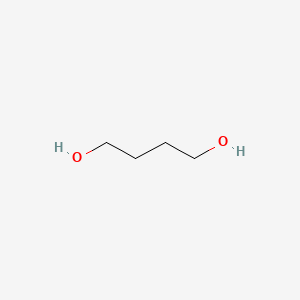
![1,4-Butanediol丨CAS 110-63-4]() 1,4-Butanediol丨CAS 110-63-4CAS No.: 110-63-4read more
1,4-Butanediol丨CAS 110-63-4CAS No.: 110-63-4read more
Product Name: 1,4-Butanediol
Molecular Formula: C4H10O2
Molecular Weight:... -
![FDCA丨CAS 3238-40-2]() FDCA丨CAS 3238-40-2Catalog No.: SS098300read more
FDCA丨CAS 3238-40-2Catalog No.: SS098300read more
CAS No.: 3238-40-2
Purity(HPLC): 99.9%min.
Product Name:... -
![Sodium Dodecyl Sulfate丨CAS 151-21-3]() Sodium Dodecyl Sulfate丨CAS 151-21-3CAS No.: 151-21-3read more
Sodium Dodecyl Sulfate丨CAS 151-21-3CAS No.: 151-21-3read more
Assay/Grade: EP11/99%min/95%min/CP2020
Product Name: Sodium dodecyl... -
![Glycerol丨CAS 56-81-5]() Glycerol丨CAS 56-81-5CAS No.: 56-81-5read more
Glycerol丨CAS 56-81-5CAS No.: 56-81-5read more
Grade: API/Injection/Pharmaceutical/Food/Industrial
Product Name:... -
![Cesium Carbonate丨CAS 534-17-8]() Cesium Carbonate丨CAS 534-17-8CAS No.: 534-17-8read more
Cesium Carbonate丨CAS 534-17-8CAS No.: 534-17-8read more
Assay: 99.9%min
Product Name: Cesium carbonate
Molecular Formula: Cs2CO3... -
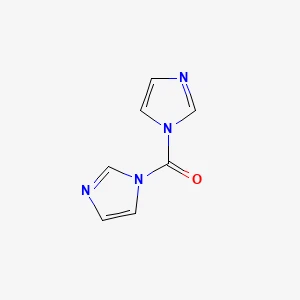
![1,1'-Carbonyldiimidazole丨CAS 530-62-1]() 1,1'-Carbonyldiimidazole丨CAS 530-62-1Catalog No.: SS080884read more
1,1'-Carbonyldiimidazole丨CAS 530-62-1Catalog No.: SS080884read more
CAS No.: 530-62-1
Assay(T): 98%min
Product Name:... -
![Palladium丨CAS 7440-05-3]() Palladium丨CAS 7440-05-3Catalog No.: SS067788read more
Palladium丨CAS 7440-05-3Catalog No.: SS067788read more
CAS No.: 7440-05-3
Assay(Pd): 10% Pd/C on dry basis.
Product Name:... -
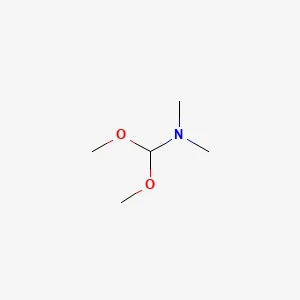
![N,N-Dimethylformamide Dimethyl Acetal丨CAS 4637-24-5]() N,N-Dimethylformamide Dimethyl Acetal丨CAS 4637-24-5Catalog No.: SS036295read more
N,N-Dimethylformamide Dimethyl Acetal丨CAS 4637-24-5Catalog No.: SS036295read more
CAS No.: 4637-24-5
Assay: 98%min
Product Name: N,N-Dimethylformamide...


Send Inquiry