


Catalog No.: SS006920
CAS No.: 155206-00-1
Purity (HPLC): 99.0~101.0%
Product Name: Bimatoprost
Molecular Formula: C25H37NO4
Molecular Weight: 415.57
Synonym(s): bimatoprostum
Product Introduction
Prostaglandins are a group of naturally occurring lipid compounds derived from fatty acids, playing a vital role in various physiological functions such as inflammation, blood flow, the formation of blood clots, and the induction of labor. Prostaglandins act as signaling molecules in the body, and their functions are highly localized, affecting nearby cells in the area where they are produced. They are widely used in medical treatments for conditions ranging from glaucoma to inducing labor and managing inflammation. Synthetic prostaglandins are used in both pharmaceuticals and research for their therapeutic potential.
-
![Bimatoprost丨CAS 155206-00-1]()
-
![Latanoprost丨CAS 130209-82-4]() Latanoprost丨CAS 130209-82-4Catalog No.: SS007725read more
Latanoprost丨CAS 130209-82-4Catalog No.: SS007725read more
CAS No.: 130209-82-4
Purity (by HPLC): 94.0% to 102%
Product Name: Latanoprost
Molecular Formula: C26H40O5
Molecular Weight: 432.6
Synonym(s): Propan-2-yl...

Product Advantages And Features
Wide Range of Biological Functions
Prostaglandins are involved in processes such as inflammation, smooth muscle contraction, and maintaining homeostasis in the cardiovascular system.
Therapeutic Applications
Synthetic prostaglandins are used in medicine to treat glaucoma, control high blood pressure, manage ulcers, and induce labor, among other medical applications.
Targeted Action
Prostaglandins work locally, making them effective in specific areas of the body without affecting other systems. This minimizes potential side effects.
Inflammation Regulation
Prostaglandins help regulate inflammation and immune response, making them useful in managing conditions like arthritis, asthma, and other inflammatory diseases.
Reproductive Health
Prostaglandins are used to induce labor, manage postpartum bleeding, and facilitate abortion in specific medical scenarios.
Improved Ocular Health
Prostaglandins are key in the treatment of glaucoma by reducing intraocular pressure and preserving vision.
Product Type
Prostaglandin E1 (PGE1)
Known for its vasodilatory effects, PGE1 is used to treat erectile dysfunction and peripheral vascular disease. It helps improve blood flow and reduce vascular resistance.
Prostaglandin E2 (PGE2)
Commonly used in obstetrics to induce labor and manage postpartum bleeding. PGE2 stimulates smooth muscle contraction in the uterus.
Prostaglandin F2α (PGF2α)
Used to manage glaucoma by reducing intraocular pressure. It is also employed in reproductive health for inducing labor or treating postpartum bleeding.
HProstaglandin I2 (PGI2, Prostacyclin)
Acts as a vasodilator and inhibitor of platelet aggregation. PGI2 is used in the treatment of pulmonary hypertension and to prevent blood clot formation.
Prostaglandin D2 (PGD2)
Involved in allergic responses and sleep regulation. It plays a role in bronchoconstriction and is studied for its impact on asthma and allergic reactions.
Synthetic Prostaglandins
Laboratory-produced prostaglandins that mimic the effects of natural prostaglandins. These are used in a wide range of pharmaceutical applications, particularly where natural prostaglandins are unstable or difficult to extract.
Application Of The Product
Prostaglandins are applied in various medical fields due to their broad physiological effects:
1
Glaucoma Treatment: Prostaglandin analogs, like latanoprost, are widely used in eye drops to reduce intraocular pressure in glaucoma patients, helping to prevent vision loss.
2
Induction of Labor: Prostaglandins like PGE2 are used to induce labor by softening the cervix and stimulating uterine contractions, essential for safe childbirth.
3
Management of Ulcers: Prostaglandins such as PGE1 analogs are used to protect the stomach lining and prevent ulcers, particularly in patients who use NSAIDs long-term.
4
Pulmonary Hypertension: Prostaglandin I2 (prostacyclin) is used to dilate blood vessels in the lungs and improve oxygen exchange, crucial for managing pulmonary arterial hypertension.
5
Erectile Dysfunction: Prostaglandin E1 (alprostadil) is used to treat erectile dysfunction by relaxing blood vessels and increasing blood flow to the penis.
6
Reproductive Health: In addition to inducing labor, prostaglandins are used to manage miscarriage or as part of abortion procedures
7
Anti-Inflammatory Uses: Prostaglandins play a role in managing inflammatory conditions like arthritis and asthma by modulating the body's immune response.
Material Of The Product
Prostaglandins are composed of lipid molecules derived from arachidonic acid, a type of fatty acid found in cell membranes. The materials required for prostaglandin synthesis include:
Arachidonic Acid
A key precursor for the synthesis of prostaglandins, released from the cell membrane in response to stimuli.
Cyclooxygenase Enzymes (COX-1 and COX-2)
These enzymes convert arachidonic acid into prostaglandins through a biochemical reaction. COX-1 is involved in normal physiological processes, while COX-2 is more active during inflammation.
Lipids and Fatty Acids
Lipids are essential for the formation of prostaglandins, which are synthesized from fatty acids found in the cell membrane.
Synthetic Precursors
In pharmaceutical manufacturing, synthetic analogs of arachidonic acid and other fatty acids are used to produce stable prostaglandin formulations.
Production Process Or Procedure
The production of Prostaglandins involves sophisticated biochemical processes, ensuring purity, stability, and targeted effectiveness:
Extraction and Synthesis
Natural prostaglandins are difficult to extract in large quantities, so most medical prostaglandins are synthesized chemically. Synthetic prostaglandins are structurally similar to natural ones but are designed for improved stability and bioavailability.
Chemical Modification
In synthetic prostaglandins, minor chemical modifications are made to increase their half-life, enhance absorption, or make them more suitable for oral or topical use.
Purification
After synthesis, prostaglandins undergo rigorous purification processes, often involving chromatography, to ensure the removal of impurities and by-products.
Formulation
Prostaglandins are carefully formulated into eye drops, injectable solutions, gels, or tablets for specific therapeutic uses. Stability tests ensure the product remains effective over time.
Components Of The Product
The key components of Prostaglandins include:
Active Ingredient
The specific prostaglandin molecule, such as PGE1, PGE2, or PGF2α, which provides the biological or therapeutic effect.
Carriers
In many formulations, especially topical or injectable products, a carrier substance (like water, oil, or alcohol) is used to help deliver the active ingredient effectively.
Stabilizers
Added to preserve the potency and shelf life of prostaglandins, stabilizers protect the molecule from degradation over time.
Preservatives
Used in certain formulations (especially eye drops) to prevent bacterial contamination and ensure the product remains safe for use.
Product Maintenance And Precautions
Proper storage and handling of Prostaglandins are essential to maintain their effectiveness:
Storage Conditions
Prostaglandins are often temperature-sensitive and should be stored in a cool, dry place. Many prostaglandin products, such as eye drops, require refrigeration.
Protection from Light
Prostaglandins degrade when exposed to light, so they should be stored in opaque containers to prevent UV damage.
Handling Precautions
When handling prostaglandins, it's important to follow the manufacturer's instructions, as they can be potent and must be used under proper medical supervision.
Expiration Date
Ensure that prostaglandins are used within their expiration date, as their potency may decrease over time.
Company Advantages
Our Focus on Quality & Customer Experience
We dedicate to delivering high-quality products and exceptional customer service beyond your expectation.
Comprehensive Product Range
Extensive catalog of over 27,000 chemicals for diverse industries, offering both standard compounds and specialized solutions.
Strong Industry Expertise
Our experienced diverse team provides expert guidance, staying current with industry trends to deliver optimal chemical solutions tailored to your needs.
Competitive Pricing & Reliability
Competitive pricing and reliable deliveries ensure cost-effective, efficient supply chains without compromising quality.
How To Collaborate With Us
Partnering with LEAPChem gives you access to the expertise of a leading company with 18 years of experience in the chemical industry. We offer over 27,000 chemical substances tailored to meet diverse needs. All our products adhere to industry standards and are accompanied by the necessary certifications.
We collaborate with a wide range of partners, including:
• Research Laboratories
• Pharmaceutical Companies
• Cosmetics Manufacturers
• Electronics Manufacturers
• Chemical Manufacturers
• Universities and Colleges Worldwide
• And more.
We specialize in helping our clients find the right chemical solutions tailored to their specific requirements. Additionally, we provide custom synthesis services to meet the unique needs of our partners. Whether you need bulk quantities for industrial processes or small batches for specialized applications, we've got you covered.
If you are looking for a reliable chemical supplier, we would be delighted to hear from you. Please send your inquiry or project details to sales@leapchem.com. Our professional team is eager to collaborate with you and help achieve your goals.
FAQ
Q: What are prostaglandins?
A: Prostaglandins are lipid compounds that regulate various physiological functions like inflammation, blood clotting, and muscle contractions.
Q: How are prostaglandins used in medicine?
A: They are used to treat conditions such as glaucoma, ulcers, pulmonary hypertension, and in reproductive health for inducing labor or managing postpartum bleeding.
Q: What is the role of prostaglandins in labor?
A: Prostaglandins help soften the cervix and stimulate uterine contractions, making them essential for inducing labor and managing childbirth.
Q: Can prostaglandins be used to treat glaucoma?
A: Yes, prostaglandins like latanoprost are used to reduce intraocular pressure, a leading cause of glaucoma-related vision loss.
Q: Are prostaglandins anti-inflammatory?
A: Some prostaglandins play a role in reducing inflammation, while others may promote it. Their role in inflammation is context-dependent.
Q: What are synthetic prostaglandins?
A: Synthetic prostaglandins are chemically manufactured versions that mimic the effects of natural prostaglandins. They are used in various medical treatments.
Q: How do prostaglandins work in the eye?
A: In the treatment of glaucoma, prostaglandins reduce intraocular pressure by increasing the outflow of fluid from the eye.
Q: Are prostaglandins safe to use during pregnancy?
A: Prostaglandins are commonly used to induce labor or manage postpartum bleeding, but their use should be strictly monitored by a healthcare provider.
Q: What are prostaglandin analogs?
A: Prostaglandin analogs are synthetic versions designed to be more stable and effective for therapeutic use, particularly in conditions like glaucoma and hypertension.
Q: How do prostaglandins influence inflammation?
A: Prostaglandins can either promote or inhibit inflammation depending on the type and the context in which they are produced, making them key regulators of the immune response.
Q: What are the side effects of prostaglandins?
A: Side effects vary depending on the type of prostaglandin and its application, but may include nausea, dizziness, and local irritation in some cases.
Q: How are prostaglandins administered?
A: Prostaglandins can be administered through various routes, including eye drops, oral tablets, injections, or topical gels, depending on the treatment purpose.
Hangzhou Leap Chem Co., Ltd. is well-known as one of the leading prostaglandin manufacturers and suppliers in China, also supports custom service. We warmly welcome you to wholesale bulk high quality prostaglandin from our factory.
prostaglandinPopular Products
-
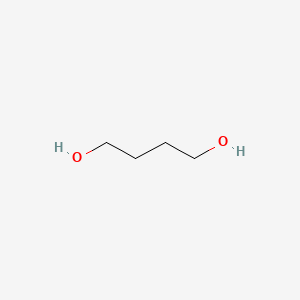
![1,4-Butanediol丨CAS 110-63-4]() 1,4-Butanediol丨CAS 110-63-4CAS No.: 110-63-4read more
1,4-Butanediol丨CAS 110-63-4CAS No.: 110-63-4read more
Product Name: 1,4-Butanediol
Molecular Formula: C4H10O2
Molecular Weight:... -
![FDCA丨CAS 3238-40-2]() FDCA丨CAS 3238-40-2Catalog No.: SS098300read more
FDCA丨CAS 3238-40-2Catalog No.: SS098300read more
CAS No.: 3238-40-2
Purity(HPLC): 99.9%min.
Product Name:... -
![Sodium Dodecyl Sulfate丨CAS 151-21-3]() Sodium Dodecyl Sulfate丨CAS 151-21-3CAS No.: 151-21-3read more
Sodium Dodecyl Sulfate丨CAS 151-21-3CAS No.: 151-21-3read more
Assay/Grade: EP11/99%min/95%min/CP2020
Product Name: Sodium dodecyl... -
![Glycerol丨CAS 56-81-5]() Glycerol丨CAS 56-81-5CAS No.: 56-81-5read more
Glycerol丨CAS 56-81-5CAS No.: 56-81-5read more
Grade: API/Injection/Pharmaceutical/Food/Industrial
Product Name:... -
![Cesium Carbonate丨CAS 534-17-8]() Cesium Carbonate丨CAS 534-17-8CAS No.: 534-17-8read more
Cesium Carbonate丨CAS 534-17-8CAS No.: 534-17-8read more
Assay: 99.9%min
Product Name: Cesium carbonate
Molecular Formula: Cs2CO3... -
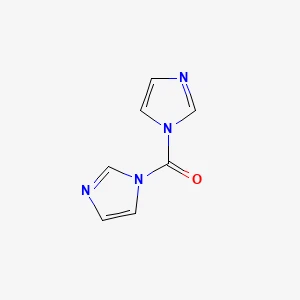
![1,1'-Carbonyldiimidazole丨CAS 530-62-1]() 1,1'-Carbonyldiimidazole丨CAS 530-62-1Catalog No.: SS080884read more
1,1'-Carbonyldiimidazole丨CAS 530-62-1Catalog No.: SS080884read more
CAS No.: 530-62-1
Assay(T): 98%min
Product Name:... -
![Palladium丨CAS 7440-05-3]() Palladium丨CAS 7440-05-3Catalog No.: SS067788read more
Palladium丨CAS 7440-05-3Catalog No.: SS067788read more
CAS No.: 7440-05-3
Assay(Pd): 10% Pd/C on dry basis.
Product Name:... -
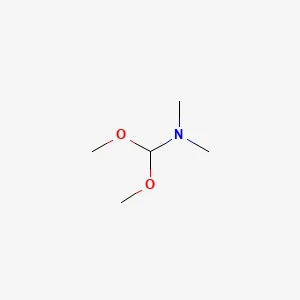
![N,N-Dimethylformamide Dimethyl Acetal丨CAS 4637-24-5]() N,N-Dimethylformamide Dimethyl Acetal丨CAS 4637-24-5Catalog No.: SS036295read more
N,N-Dimethylformamide Dimethyl Acetal丨CAS 4637-24-5Catalog No.: SS036295read more
CAS No.: 4637-24-5
Assay: 98%min
Product Name: N,N-Dimethylformamide...


Send Inquiry