


Catalog No.: SS119815
CAS No.: 1344-28-1
Purity: 99.99% min; Average particle size: 50nm
Product Name: Aluminum Oxide
Molecular Formula: Al2O3
Molecular Weight: 101.96
Product Introduction
Electronic chemicals are high-purity chemical materials used in the manufacturing and processing of semiconductors, printed circuit boards (PCBs), and other electronic components. These chemicals include etchants, photoresists, solvents, and deposition precursors, all essential in the fabrication of integrated circuits, displays, and other electronic devices. The purity and performance of these chemicals directly impact the quality, efficiency, and reliability of electronic products, making them indispensable in the tech industry.
-
![Aluminum Oxide丨CAS 1344-28-1]()
-
![Diphenyl(4-phenylthiophen-2-yl)sulfanium Trifluoromethanesulfonate丨CAS 111281-12-0]() Diphenyl(4-phenylthiophen-2-yl)sulfanium Trifluoromethane...Catalog No.: SS131904read more
Diphenyl(4-phenylthiophen-2-yl)sulfanium Trifluoromethane...Catalog No.: SS131904read more
CAS No.: 111281-12-0
Purity: 98%Min
Product Name: Diphenyl(4-phenylthiophen-2-yl)sulfanium trifluoromethanesulfonate
Molecular Formula: C25H19F3O3S3
Molecular Weight: 520.61 -
![4-Ethenylphenol Acetate丨CAS 2628-16-2]() 4-Ethenylphenol Acetate丨CAS 2628-16-2Catalog No.: SS132902read more
4-Ethenylphenol Acetate丨CAS 2628-16-2Catalog No.: SS132902read more
CAS No.: 2628-16-2
Purity (HPLC): 99.5%Min
Product Name: 4-Ethenylphenol acetate
Molecular Formula: C10H10O2
Molecular Weight: 162.19
Synonym(s): 4-Vinylphenyl acetate -
![Calcium Titanate丨CAS 12049-50-2]() Calcium Titanate丨CAS 12049-50-2Catalog No.: SS122257read more
Calcium Titanate丨CAS 12049-50-2Catalog No.: SS122257read more
CAS No.: 12049-50-2
CaTiO3: 99.5%min
Product Name: Calcium titanate
Molecular Formula: CaTiO3
Molecular Weight: 135.94
Synonym(s): Calcium titanium trioxide -
![Ethylene Glycol Ditosylate丨CAS 6315-52-2]() Ethylene Glycol Ditosylate丨CAS 6315-52-2Catalog No.: SS012983read more
Ethylene Glycol Ditosylate丨CAS 6315-52-2Catalog No.: SS012983read more
CAS No.: 6315-52-2
Purity(by HPLC): 99% min
Product Name: Ethylene glycol ditosylate
Molecular Formula: C16H18O6S2
Molecular Weight: 370.44
Synonym(s):... -
![Barium Titanate丨CAS 12047-27-7]() Barium Titanate丨CAS 12047-27-7Catalog No.: SS122355read more
Barium Titanate丨CAS 12047-27-7Catalog No.: SS122355read more
CAS No.: 12047-27-7
Purity: 99.9%min
Product Name: Barium titanate
Molecular Formula: BaTiO3
Molecular Weight: 233.20
Synonym(s): Barium titanate (IV) -
![Zinc Sulfide丨CAS 1314-98-3]() Zinc Sulfide丨CAS 1314-98-3Catalog No.: SS131707read more
Zinc Sulfide丨CAS 1314-98-3Catalog No.: SS131707read more
CAS No.: 1314-98-3
Purity: 99.99% min
Product Name: Zinc sulfide
Molecular Formula: ZnS
Molecular Weight: 97.47
Synonym(s): Sulfanylidenezinc -
![Europiumchloride Hexahydrate丨CAS 13759-92-7]() Europiumchloride Hexahydrate丨CAS 13759-92-7Catalog No.: SS130262read more
Europiumchloride Hexahydrate丨CAS 13759-92-7Catalog No.: SS130262read more
CAS No.: 13759-92-7
Eu2O3/TREO: 99.99%min
Product Name: Europiumchloride hexahydrate
Molecular Formula: Cl3EuH2O
Molecular Weight: 366.41 -
![Titanium Tetrafluoride丨CAS 7783-63-3]() Titanium Tetrafluoride丨CAS 7783-63-3Catalog No.: SS089462read more
Titanium Tetrafluoride丨CAS 7783-63-3Catalog No.: SS089462read more
CAS No.: 7783-63-3
TiF4: 98.5%min
Product Name: Titanium tetrafluoride
Molecular Formula: TiF4
Molecular Weight: 123.87
Synonym(s): Titanium(IV) fluoride -
![Magnesium Acrylate丨CAS 5698-98-6]() Magnesium Acrylate丨CAS 5698-98-6Catalog No.: SS120317read more
Magnesium Acrylate丨CAS 5698-98-6Catalog No.: SS120317read more
CAS No.: 5698-98-6
Purity(Non-aqueous titration): 98% min
Product Name: Magnesium acrylate
Molecular Formula: C6H6MgO4
Molecular Weight: 166.41
Synonym(s): 2-Propenoic acid,... -
![Bis-(sodium Sulfopropyl)-disulfide丨CAS 27206-35-5]() Bis-(sodium Sulfopropyl)-disulfide丨CAS 27206-35-5Catalog No.: SS128957read more
Bis-(sodium Sulfopropyl)-disulfide丨CAS 27206-35-5Catalog No.: SS128957read more
CAS No.: 27206-35-5
Purity (245nm): 98.0% min
Product Name: Bis-(sodium sulfopropyl)-disulfide
Molecular Formula: C6H12Na2O6S4
Molecular Weight: 354.4
Synonym(s): Disodium... -
![Bismuth Trichloride丨CAS 7787-60-2]() Bismuth Trichloride丨CAS 7787-60-2Catalog No.: SS119854read more
Bismuth Trichloride丨CAS 7787-60-2Catalog No.: SS119854read more
CAS No.: 7787-60-2
Assay/Grade: 98.0%min./AR
Product Name: Bismuth trichloride
Molecular Formula: BiCl3
Molecular Weight: 315.34
Synonym(s): Trichlorobismuth


Product advantages and features
High Purity
Electronic chemicals are produced to achieve ultra-high purity levels, ensuring minimal contaminants that could affect semiconductor performance.
01
Specialized Formulations
Tailored for specific manufacturing processes like photolithography, etching, and deposition, these chemicals provide precise control in microelectronics fabrication..
02
Consistency and Stability
Electronic chemicals maintain stable chemical properties, which is critical for maintaining uniformity in high-volume production.
03
Broad Application Range
From cleaning and etching to doping and coating, electronic chemicals support every stage of semiconductor and electronics manufacturing.
04
Enhanced Process Efficiency
Optimized chemical formulations help reduce waste, lower defect rates, and improve yields in complex manufacturing processes.
05
Product type
1. Photoresists
Light-sensitive materials used in photolithography to create patterns on semiconductor wafers.
2. Etchants
Chemicals that selectively remove material layers during the semiconductor manufacturing process, including wet and dry etching.
3.Deposition Precursors
Chemical compounds used in chemical vapor deposition (CVD) and atomic layer deposition (ALD) processes for building ultra-thin films on substrates.
4. Cleaning Agents
High-purity solvents and acids used to clean wafers and other components, removing organic and inorganic contaminants.
5. Dopants
Chemicals used to alter the electrical properties of semiconductors by introducing impurities into the material, crucial for controlling conductivity.
Application of the product
Semiconductor Manufacturing: Electronic chemicals are used in every stage of semiconductor production, from wafer cleaning and etching to doping and metallization.
Printed Circuit Boards (PCBs): Etchants, plating solutions, and photoresists are used in the fabrication of PCBs, essential components in nearly all electronic devices.
Display Technologies: Photoresists and deposition chemicals are key in manufacturing LCDs, OLEDs, and other advanced display systems.
Solar Panels: Specialized electronic chemicals are used in the production of photovoltaic cells, enhancing energy efficiency and performance.
Optoelectronics: The production of LEDs, laser diodes, and other optoelectronic devices relies heavily on high-purity electronic chemicals.
Material of the product
1
Sulfuric Acid (H₂SO₄): Used as a cleaning agent and etchant in semiconductor manufacturing.
2
Hydrogen Peroxide (H₂O₂): Commonly used in combination with sulfuric acid to clean wafers and remove organic residues.
3
Tetramethylammonium Hydroxide (TMAH): A critical developer used in photolithography for developing photoresist patterns.
4
Isopropyl Alcohol (IPA): A versatile solvent used in cleaning and drying processes for removing particles and contaminants.
5
Precursors like Trimethylaluminum (TMA): Essential in atomic layer deposition (ALD) processes for creating thin films on substrates.
Production Process Or Procedure
The manufacturing of electronic chemicals involves stringent purification processes to remove contaminants and achieve the ultra-high purity needed for electronics applications. Raw materials undergo distillation, filtration, and chemical refinement to meet the exacting standards of the semiconductor industry. Advanced quality control measures are implemented, including continuous monitoring for impurities, precise blending of chemical mixtures, and rigorous testing. The final products are delivered in specially designed containers to prevent contamination during storage and transport, ensuring that the chemicals maintain their purity and stability until they are used in production.
Components of the product
Solvents
Isopropyl alcohol (IPA), acetone, and other solvents are critical for cleaning and rinsing wafers, ensuring that surfaces are free of debris and residues.
Etchants
Hydrofluoric acid, nitric acid, and phosphoric acid are key etchants used in material removal processes during semiconductor fabrication.
Photoresists
These specialized polymers change properties when exposed to light, enabling precise patterning on semiconductor wafers.
Precursors
Deposition precursors like trimethylaluminum (TMA) and silane (SiH₄) are essential in creating ultra-thin films in CVD and ALD processes.
Dopants
Elements like boron and phosphorus are introduced into semiconductors to adjust their electrical conductivity, critical for transistor performance.
Product maintenance and precautions
Storage Tips
Store electronic chemicals in clean, dry environments, away from light and moisture, to maintain their purity and effectiveness.
Proper Handling
Always use personal protective equipment (PPE) when handling electronic chemicals, as many can be hazardous if not properly managed.
Batch Testing
Conduct small-scale tests before full-scale production to verify the compatibility and effectiveness of the chemicals with your specific processes.
Check Shelf Life
Monitor expiration dates and storage conditions to ensure chemicals remain effective over time.
Spill and Disposal Guidelines
Follow all safety protocols for spill containment and proper disposal according to regulatory standards, as improper handling can lead to serious safety and environmental risks.
Company advantages
Our Focus on Quality & Customer Experience
We dedicate to delivering high-quality products and exceptional customer service beyond your expectation.
Comprehensive Product Range
Extensive catalog of over 27,000 chemicals for diverse industries, offering both standard compounds and specialized solutions.
Strong Industry Expertise
Our experienced diverse team provides expert guidance, staying current with industry trends to deliver optimal chemical solutions tailored to your needs.
Competitive Pricing & Reliability
Competitive pricing and reliable deliveries ensure cost-effective, efficient supply chains without compromising quality.
How to collaborate with us
Partnering with LEAPChem gives you access to the expertise of a leading company with 18 years of experience in the chemical industry. We offer over 27,000 chemical substances tailored to meet diverse needs. All our products adhere to industry standards and are accompanied by the necessary certifications.
We collaborate with a wide range of partners, including:
• Research Laboratories
• Pharmaceutical Companies
• Cosmetics Manufacturers
• Electronics Manufacturers
• Chemical Manufacturers
• Universities and Colleges Worldwide
• And more.
We specialize in helping our clients find the right chemical solutions tailored to their specific requirements. Additionally, we provide custom synthesis services to meet the unique needs of our partners. Whether you need bulk quantities for industrial processes or small batches for specialized applications, we’ve got you covered.
If you are looking for a reliable chemical supplier, we would be delighted to hear from you. Please send your inquiry or project details to sales@leapchem.com. Our professional team is eager to collaborate with you and help achieve your goals.
FAQ
Q: What are electronic chemicals used for?
A: Electronic chemicals are used in the production of semiconductors, printed circuit boards (PCBs), displays, and other electronic components.
Q: Why is purity important in electronic chemicals?
A: Ultra-high purity is crucial because even tiny contaminants can cause defects in semiconductors and lead to device failure.
Q: Which industries use electronic chemicals?
A: Electronic chemicals are used in industries such as electronics manufacturing, semiconductor fabrication, display technology, and renewable energy.
Q: What is a photoresist?
A: A photoresist is a light-sensitive material used in photolithography to pattern semiconductor wafers during microchip production.
Q: How are electronic chemicals stored?
A: They should be stored in temperature-controlled, dry environments, often in specialized containers to prevent contamination.
Q: What is an etchant?
A: An etchant is a chemical solution used to selectively remove material layers in the production of semiconductors and PCBs.
Q: How do electronic chemicals affect semiconductor manufacturing?
A: Electronic chemicals are critical at each step, from wafer cleaning to etching, doping, and deposition, ensuring the precision needed for microelectronic devices.
Q: Can electronic chemicals be hazardous?
A: Yes, many electronic chemicals are corrosive, toxic, or reactive and should be handled with appropriate safety measures.
Q: What is the role of deposition precursors in electronics?
A: Deposition precursors are chemicals used to build thin films on semiconductor wafers, crucial for creating transistors and other microelectronic structures.
Q: How are electronic chemicals tested for quality?
A: Rigorous testing procedures, including purity analysis and contaminant detection, are carried out to ensure they meet industry standards.
Q: What solvents are commonly used in electronics manufacturing?
A: Common solvents include isopropyl alcohol (IPA), acetone, and deionized water, used for cleaning and preparing wafers.
Q: What safety measures should be taken when handling electronic chemicals?
A: Proper PPE, ventilation, and storage guidelines should be followed to minimize exposure risks during handling.
Q: Are electronic chemicals recyclable?
A: Some chemicals can be reclaimed or treated for reuse, but the process requires specialized facilities to ensure purity is maintained.
Q: How are electronic chemicals transported?
A: They are transported in sealed, contamination-free containers, often under strict regulatory guidelines to prevent exposure or spills.
Q: What are dopants, and how are they used in semiconductors?
A: Dopants are elements added to semiconductor materials to control their electrical properties, essential for the functioning of electronic devices.
Hangzhou Leap Chem Co., Ltd. is well-known as one of the leading electronic chemicals manufacturers and suppliers in China, also supports custom service. We warmly welcome you to wholesale bulk high quality electronic chemicals from our factory.
electronic chemicalsPopular Products
-
![FDCA丨CAS 3238-40-2]() FDCA丨CAS 3238-40-2Catalog No.: SS098300read more
FDCA丨CAS 3238-40-2Catalog No.: SS098300read more
CAS No.: 3238-40-2
Purity(HPLC): 99.9%min.
Product Name:... -
![Sodium Dodecyl Sulfate丨CAS 151-21-3]() Sodium Dodecyl Sulfate丨CAS 151-21-3CAS No.: 151-21-3read more
Sodium Dodecyl Sulfate丨CAS 151-21-3CAS No.: 151-21-3read more
Assay/Grade: EP11/99%min/95%min/CP2020
Product Name: Sodium dodecyl... -
![Glycerol丨CAS 56-81-5]() Glycerol丨CAS 56-81-5CAS No.: 56-81-5read more
Glycerol丨CAS 56-81-5CAS No.: 56-81-5read more
Grade: API/Injection/Pharmaceutical/Food/Industrial
Product Name:... -
![Cesium Carbonate丨CAS 534-17-8]() Cesium Carbonate丨CAS 534-17-8CAS No.: 534-17-8read more
Cesium Carbonate丨CAS 534-17-8CAS No.: 534-17-8read more
Assay: 99.9%min
Product Name: Cesium carbonate
Molecular Formula: Cs2CO3... -
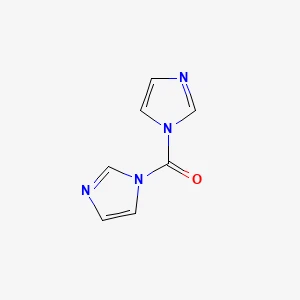
![1,1'-Carbonyldiimidazole丨CAS 530-62-1]() 1,1'-Carbonyldiimidazole丨CAS 530-62-1Catalog No.: SS080884read more
1,1'-Carbonyldiimidazole丨CAS 530-62-1Catalog No.: SS080884read more
CAS No.: 530-62-1
Assay(T): 98%min
Product Name:... -
![Palladium丨CAS 7440-05-3]() Palladium丨CAS 7440-05-3Catalog No.: SS067788read more
Palladium丨CAS 7440-05-3Catalog No.: SS067788read more
CAS No.: 7440-05-3
Assay(Pd): 10% Pd/C on dry basis.
Product Name:... -
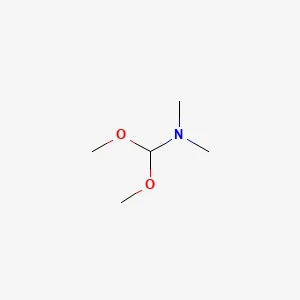
![N,N-Dimethylformamide Dimethyl Acetal丨CAS 4637-24-5]() N,N-Dimethylformamide Dimethyl Acetal丨CAS 4637-24-5Catalog No.: SS036295read more
N,N-Dimethylformamide Dimethyl Acetal丨CAS 4637-24-5Catalog No.: SS036295read more
CAS No.: 4637-24-5
Assay: 98%min
Product Name: N,N-Dimethylformamide... -
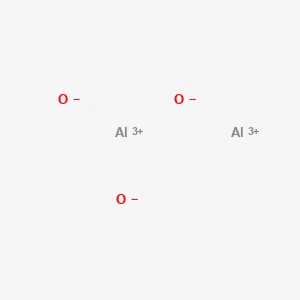
![Aluminum Oxide丨CAS 1344-28-1]() Aluminum Oxide丨CAS 1344-28-1Catalog No.: SS119815read more
Aluminum Oxide丨CAS 1344-28-1Catalog No.: SS119815read more
CAS No.: 1344-28-1
Purity: 99.99% min; Average particle size: 50nm...


Send Inquiry