


Catalog No.: SS061636
CAS No.: 63527-52-6
Assay: 98% min
Product Name: Cefotaxime
Molecular Formula: C16H17N5O7S2
Molecular Weight: 455.46
Product Introduction
Antibiotics are powerful medications used to treat bacterial infections by killing or inhibiting the growth of bacteria. They play a crucial role in modern medicine, helping to control bacterial infections in humans, animals, and plants. Since their discovery, antibiotics have revolutionized healthcare, reducing mortality from previously fatal diseases such as pneumonia, tuberculosis, and sepsis. These medications are categorized into various types based on their chemical structure and the specific bacteria they target. In addition to human medicine, antibiotics are widely used in veterinary care, agriculture, and food preservation.
-
![Cefotaxime丨CAS 63527-52-6]()
-
![Prulifloxacin丨CAS 123447-62-1]() Prulifloxacin丨CAS 123447-62-1Catalog No.: SS006540read more
Prulifloxacin丨CAS 123447-62-1Catalog No.: SS006540read more
CAS No.: 123447-62-1
Content: 98.5%min.
Product Name: Prulifloxacin
Molecular Formula: C21H20FN3O6S
Molecular Weight: 461.46 -
![Ciprofloxacin Hydrochloride丨CAS 93107-08-5]() Ciprofloxacin Hydrochloride丨CAS 93107-08-5Catalog No.: SS129204read more
Ciprofloxacin Hydrochloride丨CAS 93107-08-5Catalog No.: SS129204read more
CAS No.: 93107-08-5
Grade/Assay (Calculated on the anhydrous basis): USP42/ 98.0%~102.0%
Product Name: Ciprofloxacin hydrochloride
Molecular Formula: C17H18FN3O3.HCl
Molecular Weight:... -
![Piperacillin丨CAS 66258-76-2]() Piperacillin丨CAS 66258-76-2Catalog No.: SS129537read more
Piperacillin丨CAS 66258-76-2Catalog No.: SS129537read more
CAS No.: 66258-76-2
Purity(HPLC): 98% min
Product Name: Piperacillin
Molecular Formula: C23H27N5O7S
Molecular Weight: 517.55
Synonym(s): Piperacillin Sodium -
![Erythromycin Stearate丨CAS 643-22-1]() Erythromycin Stearate丨CAS 643-22-1Catalog No.: SS129452read more
Erythromycin Stearate丨CAS 643-22-1Catalog No.: SS129452read more
CAS No.: 643-22-1
Grade: USP2021
Assay: The sum of Ery-A, Ery-B, Ery-C: 55%min
Product Name: Erythromycin stearate
Molecular Formula: C37H67NO13.C18H36O2
Molecular Weight:... -
![Hygromycin B丨CAS 31282-04-9]() Hygromycin B丨CAS 31282-04-9Catalog No.: SS121804read more
Hygromycin B丨CAS 31282-04-9Catalog No.: SS121804read more
CAS No.: 31282-04-9
Purity(HPLC): 85%min
Product Name: Hygromycin B
Molecular Formula: C20H37N3O13
Molecular Weight: 527.52
Synonym(s): Hygrovetine -
![Nystatin丨CAS 1400-61-9]() Nystatin丨CAS 1400-61-9Catalog No.: SS109739read more
Nystatin丨CAS 1400-61-9Catalog No.: SS109739read more
CAS No.: 1400-61-9
Purity/Grade: EP 10.0/ 85.0%min
Product Name: Nystatin
Certifications: ISO9001
Molecular Formula: C47H75NO17
Molecular Weight: 926.10
Synonym(s):... -
![Doxycycline Hyclate丨CAS 24390-14-5]() Doxycycline Hyclate丨CAS 24390-14-5Catalog No.: SS078065read more
Doxycycline Hyclate丨CAS 24390-14-5Catalog No.: SS078065read more
CAS No.: 24390-14-5
Assay/Grade: 800~920μg/mg/USP 41
Product Name: Doxycycline hyclate
Molecular Formula: C24H31ClN2O9
Molecular Weight: 526.97
Synonym(s): Doxycycline... -
![Ciprofloxacin Hydrochloride Hydrate丨CAS 86393-32-0]() Ciprofloxacin Hydrochloride Hydrate丨CAS 86393-32-0Catalog No.: SS086483read more
Ciprofloxacin Hydrochloride Hydrate丨CAS 86393-32-0Catalog No.: SS086483read more
CAS No.: 86393-32-0
Assay/Grade: 98%-102%/ USP 41
Product Name: Ciprofloxacin hydrochloride hydrate
Molecular Formula: C17H18FN3O3.HCl.H2O
Molecular Weight: 385.82... -
![Erythromycin Thiocyanate丨CAS 7704-67-8]() Erythromycin Thiocyanate丨CAS 7704-67-8Catalog No.: SS123180read more
Erythromycin Thiocyanate丨CAS 7704-67-8Catalog No.: SS123180read more
CAS No.: 7704-67-8
Purity/Grade: CVP2020
Product Name: Erythromycin thiocyanate
Molecular Formula: C37H67NO13.HCNS
Molecular Weight: 793.02


Product Advantages And Features
1
Effective Against Bacterial Infections: Antibiotics are highly effective in treating a wide range of bacterial infections, from minor skin infections to life-threatening diseases like sepsis.
2
Prevention of Disease Spread: By controlling bacterial infections, antibiotics help prevent the spread of contagious diseases within communities.
3
Life-Saving in Critical Situations: Antibiotics are often essential in emergency medicine, particularly in treating conditions like bacterial meningitis or pneumonia.
4
Versatility Across Applications: Antibiotics are used in multiple fields, including human and animal healthcare, agriculture, and even in certain industrial applications.
5
Support in Surgical Procedures: They reduce the risk of infections during and after surgeries, making complex procedures safer for patients.
6
Faster Recovery Time: Proper antibiotic use can significantly shorten the recovery time for bacterial infections, promoting faster healing.
7
Agricultural Benefits: In agriculture, antibiotics improve animal health, enhance feed efficiency, and prevent infections, leading to better productivity and food quality.
Product Type
01.
Penicillins
One of the first discovered antibiotics, penicillins are effective against a variety of bacterial infections, particularly those caused by Gram-positive bacteria. Examples include:
• Amoxicillin: Commonly prescribed for respiratory infections.
• Penicillin G: Used for severe infections like bacterial meningitis.
02.
Cephalosporins
A broad-spectrum antibiotic that is similar to penicillins but has a broader range of action. Examples include:
• Cefalexin: Used to treat skin and urinary tract infections.
Ceftriaxone: Effective against more serious bacterial infections, such as pneumonia.
03.
Macrolides
These antibiotics target bacteria that are resistant to penicillin. Examples include:
• Erythromycin: Often prescribed for respiratory tract infections.
• Azithromycin: Used for treating conditions such as bronchitis and ear infections.
04.
Fluoroquinolones
A class of broad-spectrum antibiotics that are often used when other antibiotics are ineffective. Examples include:
• Ciprofloxacin: Effective against urinary tract and gastrointestinal infections.
• Levofloxacin: Used for respiratory and sinus infections.
05.
Tetracyclines
These antibiotics are commonly used to treat acne and other skin conditions, as well as respiratory and urinary infections. Examples include:
• Doxycycline: Effective against acne, Lyme disease, and certain sexually transmitted infections (STIs).
06.
Aminoglycosides
Potent antibiotics used to treat serious infections, often administered intravenously. Examples include:
• Gentamicin: Commonly used for severe bacterial infections such as sepsis.
• Amikacin: Used for multidrug-resistant bacterial infections.
07.
Sulfonamides
Also known as sulfa drugs, these antibiotics are used to treat bacterial infections such as urinary tract infections. Examples include:
• Sulfamethoxazole: Often combined with trimethoprim for increased efficacy.
08.
Carbapenems
A class of antibiotics used for treating highly resistant bacterial infections. Examples include:
• Imipenem: Effective against severe hospital-acquired infections.
Application Of The Product
Antibiotics are widely applied in both human and veterinary medicine, as well as in agriculture and industrial processes:
Human Medicine
Antibiotics are used to treat bacterial infections such as strep throat, pneumonia, urinary tract infections, and sepsis. They are also critical in preventing post-operative infections.
Veterinary Medicine
Antibiotics help control infections in livestock, poultry, and companion animals, ensuring animal health and food safety in agricultural practices.
Agriculture
In livestock farming, antibiotics are used to prevent and treat infections, improve growth rates, and maintain overall herd health.
Food Preservation
Certain antibiotics are used in food preservation processes to extend the shelf life of food products by controlling bacterial contamination.
Research and Biotechnology
Antibiotics are utilized in laboratories to selectively inhibit bacterial growth during research and in biotechnology processes, such as the production of biopharmaceuticals.
Material Of The Product
Antibiotics are derived from a variety of sources and can be classified into:
Natural Antibiotics
Derived from fungi, bacteria, or other microorganisms. Examples include:
• Penicillin: Produced by the Penicillium fungus.
• Streptomycin: Derived from the bacterium Streptomyces.
Semi-Synthetic Antibiotics
Chemically altered derivatives of natural antibiotics to enhance their effectiveness. Examples include:
• Amoxicillin: A semi-synthetic derivative of penicillin.
Synthetic Antibiotics
Completely man-made antibiotics that are designed to combat resistant strains of bacteria. Examples include:
• Fluoroquinolones: Entirely synthetic, broad-spectrum antibiotics.
The production of antibiotics often involves fermentation, chemical synthesis, or a combination of both.
Production Process Or Procedure
The production of antibiotics involves sophisticated biotechnological processes:
Fermentation
Natural antibiotics, like penicillin, are produced through microbial fermentation. Microorganisms such as bacteria or fungi are cultivated under controlled conditions to produce the desired antibiotic compound.
Chemical Synthesis
Many antibiotics, especially synthetic and semi-synthetic types, are produced through chemical synthesis, involving complex reactions to achieve the desired structure and potency.
Purification and Testing
The crude antibiotic substance is purified using techniques like crystallization, filtration, and chromatography. Rigorous testing is then conducted to ensure potency, purity, and safety before the antibiotic is formulated into its final form.
Formulation
Antibiotics are prepared in various forms, including tablets, capsules, injections, topical creams, and intravenous solutions, depending on their intended application.
Components Of The Product
TAntibiotics are composed of several key components that determine their effectiveness:
Active Ingredient
The main component responsible for killing or inhibiting bacterial growth. For example, amoxicillin is the active ingredient in many antibiotics used to treat infections.
Excipients
Inactive ingredients that help deliver the active ingredient, enhance stability, or improve the antibiotic's absorption in the body. Common excipients include starch, cellulose, and magnesium stearate.
Stabilizers
Added to prevent degradation of the antibiotic during storage and ensure its effectiveness when administered.
Preservatives
These are included in some antibiotic formulations, especially in liquid preparations, to prevent contamination and prolong shelf life.
Product Maintenance And Precautions
To maintain the effectiveness of antibiotics, proper storage and handling are essential:
Storage Conditions
Antibiotics should be stored in a cool, dry place, away from direct sunlight and moisture, as heat and humidity can degrade the active ingredients.
Expiration Dates
Always check expiration dates, as expired antibiotics can lose their potency and may even become harmful.
Proper Disposal
Unused or expired antibiotics should be disposed of properly to avoid contributing to antibiotic resistance or environmental contamination. Do not flush antibiotics down the toilet unless instructed.
Safe Handling
Handle antibiotics with care, especially in powder or liquid form, to prevent spills or accidental ingestion. Protective gloves and masks may be needed in certain cases.
Company Advantages
Our Focus on Quality & Customer Experience
We dedicate to delivering high-quality products and exceptional customer service beyond your expectation.
Comprehensive Product Range
Extensive catalog of over 27,000 chemicals for diverse industries, offering both standard compounds and specialized solutions.
Strong Industry Expertise
Our experienced diverse team provides expert guidance, staying current with industry trends to deliver optimal chemical solutions tailored to your needs.
Competitive Pricing & Reliability
Competitive pricing and reliable deliveries ensure cost-effective, efficient supply chains without compromising quality.
How To Collaborate With Us
Partnering with LEAPChem gives you access to the expertise of a leading company with 18 years of experience in the chemical industry. We offer over 27,000 chemical substances tailored to meet diverse needs. All our products adhere to industry standards and are accompanied by the necessary certifications.
We collaborate with a wide range of partners, including:
• Research Laboratories
• Pharmaceutical Companies
• Cosmetics Manufacturers
• Electronics Manufacturers
• Chemical Manufacturers
• Universities and Colleges Worldwide
• And more.
We specialize in helping our clients find the right chemical solutions tailored to their specific requirements. Additionally, we provide custom synthesis services to meet the unique needs of our partners. Whether you need bulk quantities for industrial processes or small batches for specialized applications, we've got you covered.
If you are looking for a reliable chemical supplier, we would be delighted to hear from you. Please send your inquiry or project details to sales@leapchem.com. Our professional team is eager to collaborate with you and help achieve your goals.
FAQ
Q: What are antibiotics?
A: Antibiotics are medications used to treat bacterial infections by killing bacteria or inhibiting their growth.
Q: How do antibiotics work?
A: Antibiotics work by targeting specific functions of bacteria, such as cell wall synthesis or protein production, leading to the bacteria's death or inability to reproduce.
Q: What are common types of antibiotics?
A: Common types include penicillins, cephalosporins, macrolides, tetracyclines, and fluoroquinolones, each targeting different bacteria.
Q: Can antibiotics treat viral infections?
A: No, antibiotics are only effective against bacterial infections and do not work on viruses like the flu or common cold.
Q: How should I take antibiotics?
A: Always follow your healthcare provider's instructions. Complete the full course even if you feel better, to prevent the development of resistant bacteria.
Q: What are the side effects of antibiotics?
A: Side effects can include nausea, diarrhea, and allergic reactions. Prolonged use can lead to antibiotic resistance or yeast infections.
Q: What is antibiotic resistance?
A: Antibiotic resistance occurs when bacteria evolve to become resistant to the effects of an antibiotic, making infections harder to treat.
Q: Can I drink alcohol while taking antibiotics?
A: It's best to avoid alcohol while on antibiotics, as it can interfere with the medication's effectiveness and increase side effects.
Q: Why are antibiotics important in surgery?
A: Antibiotics prevent infections during and after surgery, reducing the risk of complications and promoting faster recovery.
Q: Are antibiotics used in animal farming?
A: Yes, antibiotics are used to treat infections in livestock and poultry, improve animal health, and ensure food safety.
Q: How do I store antibiotics?
A: Store them in a cool, dry place, away from sunlight and moisture, and always check the expiration date.
Q: What should I do with leftover antibiotics?
A: Do not save leftover antibiotics for future use. Instead, dispose of them properly by following your local pharmacy's guidelines.
Q: Can I stop taking antibiotics if I feel better?
A: No, you should complete the full prescribed course to ensure all the bacteria are killed and to prevent resistance.
Q: What happens if I miss a dose of antibiotics?
A: Take the missed dose as soon as you remember, unless it's almost time for the next one. Do not double up doses.
Q: What are broad-spectrum antibiotics?
A: Broad-spectrum antibiotics are effective against a wide range of bacteria, while narrow-spectrum antibiotics target specific types of bacteria.
Hangzhou Leap Chem Co., Ltd. is well-known as one of the leading antibiotics manufacturers and suppliers in China, also supports custom service. We warmly welcome you to wholesale bulk high quality antibiotics from our factory.
antibioticsPopular Products
-
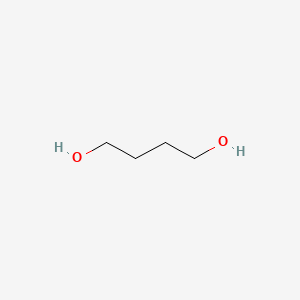
![1,4-Butanediol丨CAS 110-63-4]() 1,4-Butanediol丨CAS 110-63-4CAS No.: 110-63-4read more
1,4-Butanediol丨CAS 110-63-4CAS No.: 110-63-4read more
Product Name: 1,4-Butanediol
Molecular Formula: C4H10O2
Molecular Weight:... -
![FDCA丨CAS 3238-40-2]() FDCA丨CAS 3238-40-2Catalog No.: SS098300read more
FDCA丨CAS 3238-40-2Catalog No.: SS098300read more
CAS No.: 3238-40-2
Purity(HPLC): 99.9%min.
Product Name:... -
![Sodium Dodecyl Sulfate丨CAS 151-21-3]() Sodium Dodecyl Sulfate丨CAS 151-21-3CAS No.: 151-21-3read more
Sodium Dodecyl Sulfate丨CAS 151-21-3CAS No.: 151-21-3read more
Assay/Grade: EP11/99%min/95%min/CP2020
Product Name: Sodium dodecyl... -
![Glycerol丨CAS 56-81-5]() Glycerol丨CAS 56-81-5CAS No.: 56-81-5read more
Glycerol丨CAS 56-81-5CAS No.: 56-81-5read more
Grade: API/Injection/Pharmaceutical/Food/Industrial
Product Name:... -
![Cesium Carbonate丨CAS 534-17-8]() Cesium Carbonate丨CAS 534-17-8CAS No.: 534-17-8read more
Cesium Carbonate丨CAS 534-17-8CAS No.: 534-17-8read more
Assay: 99.9%min
Product Name: Cesium carbonate
Molecular Formula: Cs2CO3... -
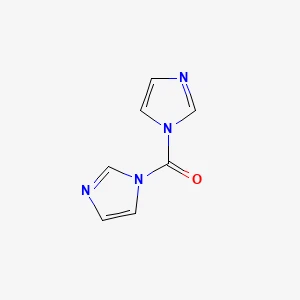
![1,1'-Carbonyldiimidazole丨CAS 530-62-1]() 1,1'-Carbonyldiimidazole丨CAS 530-62-1Catalog No.: SS080884read more
1,1'-Carbonyldiimidazole丨CAS 530-62-1Catalog No.: SS080884read more
CAS No.: 530-62-1
Assay(T): 98%min
Product Name:... -
![Palladium丨CAS 7440-05-3]() Palladium丨CAS 7440-05-3Catalog No.: SS067788read more
Palladium丨CAS 7440-05-3Catalog No.: SS067788read more
CAS No.: 7440-05-3
Assay(Pd): 10% Pd/C on dry basis.
Product Name:... -
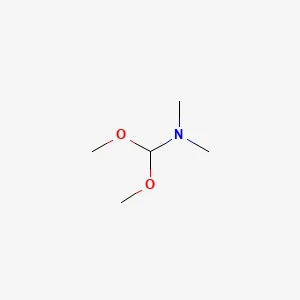
![N,N-Dimethylformamide Dimethyl Acetal丨CAS 4637-24-5]() N,N-Dimethylformamide Dimethyl Acetal丨CAS 4637-24-5Catalog No.: SS036295read more
N,N-Dimethylformamide Dimethyl Acetal丨CAS 4637-24-5Catalog No.: SS036295read more
CAS No.: 4637-24-5
Assay: 98%min
Product Name: N,N-Dimethylformamide...


Send Inquiry