


Catalog No.: SS000575
CAS No.: 77-06-5
Content of Giberellic acid A3: 90% min
Product Name: Gibberellic acid
Molecular Formula: C19H22O6
Molecular Weight: 346.38
Synonym(s):...
Product Introduction
Feed additives are supplements added to livestock feed to improve the health, growth, and productivity of animals. These additives can include vitamins, minerals, enzymes, probiotics, and other essential nutrients that help animals digest food more efficiently, boost their immune system, and enhance the quality of products like meat, milk, and eggs. By optimizing nutrition, feed additives contribute to healthier animals and more sustainable farming.
-
![Gibberellic Acid丨CAS 77-06-5]()
-
![Calcium Butyrate丨CAS 5743-36-2]() Calcium Butyrate丨CAS 5743-36-2Catalog No.: SS136875read more
Calcium Butyrate丨CAS 5743-36-2Catalog No.: SS136875read more
CAS No.: 5743-36-2
Grade/Calcium Butyrate(On a dry basis): Feed Grade/98% min
Product Name: Calcium butyrate
Certificate: ISO9001
Molecular Formula: C8H14CaO4
Molecular... -
![6-Chloronicotinic Acid丨CAS 5326-23-8]() 6-Chloronicotinic Acid丨CAS 5326-23-8Catalog No.: SS124336read more
6-Chloronicotinic Acid丨CAS 5326-23-8Catalog No.: SS124336read more
CAS No.: 5326-23-8
Purity(HPLC): 99%min
Product Name: 6-Chloronicotinic acid
Molecular Formula: C6H4ClNO2
Molecular Weight: 157.56
Synonym(s):... -
![Zinc Sulfate Monohydrate丨CAS 7446-19-7]() Zinc Sulfate Monohydrate丨CAS 7446-19-7Catalog No.: SS126871read more
Zinc Sulfate Monohydrate丨CAS 7446-19-7Catalog No.: SS126871read more
CAS No.: 7446-19-7
Grade: Feed grade (GB/T25865-2010)
Product Name: Zinc sulfate monohydrate
Molecular Formula: ZnSO4.H2O
Molecular Weight: 179.5 -
![Ethoxyamine Hydrochloride丨CAS 3332-29-4]() Ethoxyamine Hydrochloride丨CAS 3332-29-4Catalog No.: SS125916read more
Ethoxyamine Hydrochloride丨CAS 3332-29-4Catalog No.: SS125916read more
CAS No.: 3332-29-4
Purity(GC): 98%Min
Product Name: Ethoxyamine hydrochloride
Molecular Formula: C2H7NO.HCl
Molecular Weight: 97.54
Synonym(s): O-Ethylhydroxylamine... -
![Enramycin丨CAS 11115-82-5]() Enramycin丨CAS 11115-82-5Catalog No.: SS121788read more
Enramycin丨CAS 11115-82-5Catalog No.: SS121788read more
CAS No.: 11115-82-5
Assay/Grade: 7.20%~8.80%/Veterinary grade
Product Name: Enramycin
Certificate: ISO9001; ISO14001
Molecular Formula: C107H140Cl2N26O32
Molecular Weight:... -
![Zinc Bacitracin丨CAS 1405-89-6]() Zinc Bacitracin丨CAS 1405-89-6Catalog No.: SS101853read more
Zinc Bacitracin丨CAS 1405-89-6Catalog No.: SS101853read more
CAS No.: 1405-89-6
Grade: USP
Product Name: Zinc bacitracin
Molecular Formula: C66H101N17O16SZn
Molecular Weight: 1486.07
Synonym(s): Bacitracin zinc salt -
![Flavomycin丨CAS 11015-37-5]() Flavomycin丨CAS 11015-37-5Catalog No.: SS120770read more
Flavomycin丨CAS 11015-37-5Catalog No.: SS120770read more
CAS No.: 11015-37-5
Content (Labeled Amount): Content is during 90.0%-110.0% of labeled amount.
Product Name: Flavomycin
Certificate: ISO9001; ISO14001
Molecular Formula:... -
![Copper Sulfate Pentahydrate丨CAS 7758-99-8]() Copper Sulfate Pentahydrate丨CAS 7758-99-8Catalog No.: SS110880read more
Copper Sulfate Pentahydrate丨CAS 7758-99-8Catalog No.: SS110880read more
CAS No.: 7758-99-8
Assay/Grade: 98.5%min/Feed Grade
Product Name: Copper sulfate pentahydrate
Molecular Formula: CuSO4.5(H2O)
Molecular Weight: 249.68
Synonym(s): Copper... -
![Salinomycin丨CAS 53003-10-4]() Salinomycin丨CAS 53003-10-4Catalog No.: SS121979read more
Salinomycin丨CAS 53003-10-4Catalog No.: SS121979read more
CAS No.: 53003-10-4
Purity(HPLC): 90% min
Product Name: Salinomycin
Molecular Formula: C42H70O11
Molecular Weight: 751.01
Synonym(s): Procoxacin -
![Isosorbide丨CAS 652-67-5]() Isosorbide丨CAS 652-67-5Catalog No.: SS124506read more
Isosorbide丨CAS 652-67-5Catalog No.: SS124506read more
CAS No.: 652-67-5
Assay: 99%min
Product Name: Isosorbide
Molecular Formula: C6H10O4
Molecular Weight: 146.14
Synonym(s): 1,4:3,6-Dianhydro-D-glucitol -
![DL-Methionine丨CAS 59-51-8]() DL-Methionine丨CAS 59-51-8Catalog No.: SS130512read more
DL-Methionine丨CAS 59-51-8Catalog No.: SS130512read more
CAS No.: 59-51-8
Assay/Grade: 99.0% min./Feed Grade
Product Name: DL-Methionine
Molecular Formula: C5H11NO2S
Molecular Weight: 149.21
Synonym(s): DL-2-Amino-4-(methylthio)butyric...


Product Advantages And Features
Improved Nutrient Absorption
Feed additives enhance the digestive efficiency of animals, allowing them to absorb nutrients more effectively and promoting better growth and health.
Boosted Immune System
Additives like probiotics and vitamins help strengthen the immune systems of livestock, reducing the need for antibiotics and preventing diseases.
Higher Productivity
By promoting healthier and more robust animals, feed additives contribute to increased production of meat, milk, eggs, and other animal products.
Better Feed Conversion
With additives, animals can convert feed into energy more efficiently, lowering feed costs while increasing weight gain and productivity.
Enhanced Animal Health
Feed additives support overall animal well-being, improving bone strength, digestion, skin health, and reproductive performance.
Product Type
01.
Vitamins and Minerals
Essential for metabolic processes and immune health, vitamins (e.g., A, D, E) and minerals (e.g., calcium, phosphorus) are vital for growth and reproduction.
02.
Probiotics and Prebiotics
Probiotics introduce beneficial bacteria into the gut, promoting a healthy digestive system. Prebiotics support these bacteria by providing them with the nutrients they need.
03.
Enzymes
Enzymes, such as phytase and protease, help break down complex feed ingredients, improving nutrient availability and digestion.
04.
Amino Acids
Amino acids like lysine and methionine are key building blocks for protein synthesis, promoting muscle development and overall growth.
05.
Antioxidants
These additives protect animal cells from oxidative stress, improving health and longevity, especially under stressful farming conditions.
06.
Flavor Enhancers
Added to improve the taste of feed, these encourage animals to eat more, ensuring they receive adequate nutrition.
07.
Growth Promoters
Certain feed additives stimulate faster growth and development, increasing the efficiency of livestock production.
08.
Medicinal Additives
Antibiotics and other medicinal additives can be used to prevent or treat diseases, although their use is increasingly regulated.
Application Of The Product
1. Poultry Farming
Feed additives are essential in poultry farming for promoting rapid growth, improving egg production, and enhancing the immune response of chickens.
2. Dairy Farming
In dairy cattle, additives such as vitamins and enzymes boost milk yield and improve digestion, ensuring cows produce more milk efficiently.
3. Swine Farming
Feed additives help pigs grow faster, strengthen their immune systems, and improve meat quality, leading to healthier animals and higher-quality pork.
4. Aquaculture
Fish and shrimp benefit from feed additives that improve nutrient absorption and reduce water pollution, contributing to healthier aquatic livestock and better yields.
5. Cattle and Beef Production
In beef cattle, feed additives promote lean muscle growth and improve feed conversion, leading to more efficient meat production.
Material Of The Product
Feed additives consist of a wide variety of materials depending on their function. These include:
Vitamins
Synthetic or natural sources of essential vitamins (A, D, E, B-complex).
Minerals
Organic or inorganic forms of calcium, phosphorus, magnesium, and trace elements.
Probiotics
Live microbial cultures such as Lactobacillus and Bifidobacterium.
Enzymes
Extracted from microbial fermentation, helping break down fiber, protein, and starch in feed.
Production Process Or Procedure
The production of feed additives involves several steps:
Ingredient Selection
Carefully sourced raw materials are selected based on quality and nutritional value.
Blending and Mixing
Ingredients are blended to create precise formulations that meet the dietary needs of specific livestock.
Stabilization
Additives are stabilized to ensure they remain effective during storage and throughout the feed manufacturing process.
Quality Control
Every batch undergoes rigorous testing to ensure consistency, safety, and efficacy.
Components Of The Product
Active Ingredients
These include vitamins, minerals, probiotics, and enzymes that provide the primary benefits to animals.
Carriers
These are substances, such as calcium carbonate or silica, used to help evenly distribute active ingredients in feed.
Stabilizers
Added to ensure the stability and shelf life of additives, protecting sensitive components from degradation.
Binders
Help maintain the physical integrity of feed pellets or powder to prevent loss of additives during feed handling.
Product Maintenance And Precautions
Proper Storage
Store feed additives in cool, dry areas away from direct sunlight and moisture to preserve their potency.
Follow Expiration Dates
Always check expiration dates to ensure the additives remain effective. Using expired products may result in reduced performance or potential harm.
Accurate Dosage
Follow the manufacturer's recommended dosage instructions for different animal species and production goals.
Protect From Contamination
Ensure feed additives are stored in sealed containers to prevent contamination from moisture, pests, or other impurities.
Company Advantages
Our Focus on Quality & Customer Experience
We dedicate to delivering high-quality products and exceptional customer service beyond your expectation.
Comprehensive Product Range
Extensive catalog of over 27,000 chemicals for diverse industries, offering both standard compounds and specialized solutions.
Strong Industry Expertise
Our experienced diverse team provides expert guidance, staying current with industry trends to deliver optimal chemical solutions tailored to your needs.
Competitive Pricing & Reliability
Competitive pricing and reliable deliveries ensure cost-effective, efficient supply chains without compromising quality.
How To Collaborate With Us
Partnering with LEAPChem gives you access to the expertise of a leading company with 18 years of experience in the chemical industry. We offer over 27,000 chemical substances tailored to meet diverse needs. All our products adhere to industry standards and are accompanied by the necessary certifications.
We collaborate with a wide range of partners, including:
• Research Laboratories
• Pharmaceutical Companies
• Cosmetics Manufacturers
• Electronics Manufacturers
• Chemical Manufacturers
• Universities and Colleges Worldwide
• And more.
We specialize in helping our clients find the right chemical solutions tailored to their specific requirements. Additionally, we provide custom synthesis services to meet the unique needs of our partners. Whether you need bulk quantities for industrial processes or small batches for specialized applications, we've got you covered.
If you are looking for a reliable chemical supplier, we would be delighted to hear from you. Please send your inquiry or project details to sales@leapchem.com. Our professional team is eager to collaborate with you and help achieve your goals.
FAQ
Q: What are feed additives?
A: Feed additives are supplements added to animal feed to enhance nutrition, improve health, and boost productivity in livestock.
Q: What types of feed additives are available?
A: Common types include vitamins, minerals, enzymes, probiotics, amino acids, antioxidants, and growth promoters, each serving different functions for animal health and growth.
Q: Why are feed additives important?
A: Feed additives help animals digest food more efficiently, improve their immune system, and increase the production of meat, milk, or eggs, making farming more productive.
Q: Can feed additives replace antibiotics?
A: In some cases, additives like probiotics and immune-boosting vitamins can reduce the need for antibiotics, although they may not completely replace them in all situations.
Q: Are feed additives safe?
A: Yes, when used according to guidelines, feed additives are safe for animals and humans consuming animal products. They are regulated to ensure safety and efficacy.
Q: Can feed additives improve meat quality?
A: Yes, additives like amino acids and growth promoters help develop lean muscle, improving the quality and yield of meat in livestock.
Q: How do probiotics in feed additives help animals?
A: Probiotics introduce beneficial bacteria into the gut, promoting a healthy digestive system and enhancing nutrient absorption and immune response.
Q: Can feed additives be used in organic farming?
A: Certain feed additives, such as probiotics, natural vitamins, and minerals, are approved for use in organic farming. Always check for organic certification.
Q: How are feed additives applied to animal feed?
A: Feed additives are mixed into animal feed during the manufacturing process in the form of powders, pellets, or liquid supplements.
Q: Do feed additives have side effects?
A: When used as directed, feed additives are generally free of side effects. However, overuse or incorrect application can lead to imbalances or health issues in animals.
Q: Can feed additives reduce the environmental impact of farming?
A: Yes, additives that improve feed conversion can reduce the overall amount of feed needed, lowering waste and reducing the environmental footprint of farming.
Q: Are there specific additives for young animals?
A: Yes, specific feed additives such as milk replacers, digestive enzymes, and probiotics are formulated to support te growth and health of young animals.
Q: How do antioxidants in feed additives benefit animals?
A: Antioxidants protect animal cells from oxidative damage caused by stress or disease, supporting overall health and performance.
Q: Can I mix different types of feed additives together?
A: Yes, many feed additives can be combined, but it’s important to ensure compatibility and follow manufacturer recommendations to avoid negative interactions.
Q: How do I choose the right feed additive for my livestock?
A: The choice depends on your livestock’s specific needs, such as growth, reproduction, immune support, or digestive health. Consult with a veterinarian or nutritionist to make the best choice.
Q: Do feed additives have an expiration date?
A: Yes, like most products, feed additives have expiration dates. Using them past their expiration can reduce their effectiveness.
Q: Can feed additives improve milk production in dairy cows?
A: Yes, certain additives like vitamins, minerals, and enzymes are specifically designed to boost milk yield and improve overall cow health.
Q: What are amino acid feed additives?
A: Amino acid additives provide essential building blocks for protein synthesis, promoting muscle growth and overall animal development.
Q: How long does it take for feed additives to show results?
A: The results can vary, but in most cases, improvements in health, growth, or productivity can be seen within a few weeks of consistent use.
Q: Are feed additives regulated?
A: Yes, feed additives are subject to strict regulations to ensure they are safe for animals and humans. They must meet quality and safety standards set by agricultural authorities.
Hangzhou Leap Chem Co., Ltd. is well-known as one of the leading feed additives manufacturers and suppliers in China, also supports custom service. We warmly welcome you to wholesale bulk high quality feed additives from our factory.
361-09-1, agrochemicals, 50887-69-9Popular Products
-
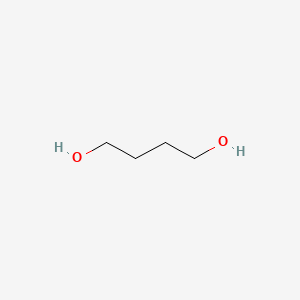
![1,4-Butanediol丨CAS 110-63-4]() 1,4-Butanediol丨CAS 110-63-4CAS No.: 110-63-4read more
1,4-Butanediol丨CAS 110-63-4CAS No.: 110-63-4read more
Product Name: 1,4-Butanediol
Molecular Formula: C4H10O2
Molecular Weight:... -
![FDCA丨CAS 3238-40-2]() FDCA丨CAS 3238-40-2Catalog No.: SS098300read more
FDCA丨CAS 3238-40-2Catalog No.: SS098300read more
CAS No.: 3238-40-2
Purity(HPLC): 99.9%min.
Product Name:... -
![Sodium Dodecyl Sulfate丨CAS 151-21-3]() Sodium Dodecyl Sulfate丨CAS 151-21-3CAS No.: 151-21-3read more
Sodium Dodecyl Sulfate丨CAS 151-21-3CAS No.: 151-21-3read more
Assay/Grade: EP11/99%min/95%min/CP2020
Product Name: Sodium dodecyl... -
![Glycerol丨CAS 56-81-5]() Glycerol丨CAS 56-81-5CAS No.: 56-81-5read more
Glycerol丨CAS 56-81-5CAS No.: 56-81-5read more
Grade: API/Injection/Pharmaceutical/Food/Industrial
Product Name:... -
![Cesium Carbonate丨CAS 534-17-8]() Cesium Carbonate丨CAS 534-17-8CAS No.: 534-17-8read more
Cesium Carbonate丨CAS 534-17-8CAS No.: 534-17-8read more
Assay: 99.9%min
Product Name: Cesium carbonate
Molecular Formula: Cs2CO3... -
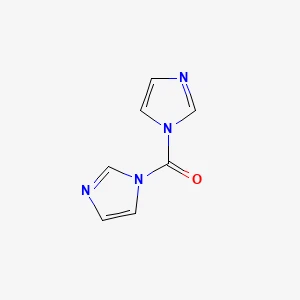
![1,1'-Carbonyldiimidazole丨CAS 530-62-1]() 1,1'-Carbonyldiimidazole丨CAS 530-62-1Catalog No.: SS080884read more
1,1'-Carbonyldiimidazole丨CAS 530-62-1Catalog No.: SS080884read more
CAS No.: 530-62-1
Assay(T): 98%min
Product Name:... -
![Palladium丨CAS 7440-05-3]() Palladium丨CAS 7440-05-3Catalog No.: SS067788read more
Palladium丨CAS 7440-05-3Catalog No.: SS067788read more
CAS No.: 7440-05-3
Assay(Pd): 10% Pd/C on dry basis.
Product Name:... -
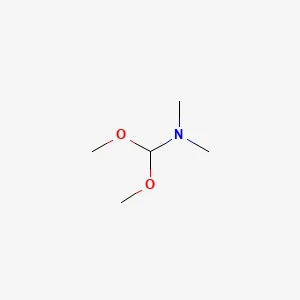
![N,N-Dimethylformamide Dimethyl Acetal丨CAS 4637-24-5]() N,N-Dimethylformamide Dimethyl Acetal丨CAS 4637-24-5Catalog No.: SS036295read more
N,N-Dimethylformamide Dimethyl Acetal丨CAS 4637-24-5Catalog No.: SS036295read more
CAS No.: 4637-24-5
Assay: 98%min
Product Name: N,N-Dimethylformamide...


Send Inquiry