


CAS No.: 151-21-3
Assay/Grade: EP11/99%min/95%min/CP2020
Product Name: Sodium dodecyl sulfate
Molecular Formula: C12H25NaO4S
Molecular Weight: 288.38
Synonym(s): Sodium dodecylsulfate
Product Introduction
Surfactants, or surface-active agents, are chemical compounds that reduce the surface tension between two substances, such as liquids or solids and liquids. They are key ingredients in a variety of products across multiple industries, from detergents and cleaning agents to personal care products and industrial applications. Surfactants work by improving the wetting, spreading, emulsifying, or foaming abilities of liquids, making them crucial for enhancing product performance. Their unique molecular structure, with both hydrophilic (water-attracting) and hydrophobic (water-repelling) parts, allows surfactants to interact with water and oils, making them versatile and essential in many applications.
-
![Sodium Dodecyl Sulfate丨CAS 151-21-3]()
-
![Poly(acrylamide)丨CAS 9003-05-8]() Poly(acrylamide)丨CAS 9003-05-8Catalog No.: SS115944read more
Poly(acrylamide)丨CAS 9003-05-8Catalog No.: SS115944read more
CAS No.: 9003-05-8
MW: 5000000min
Product Name: Poly(acrylamide)
Molecular Formula: (C3H5NO)n -
![Di-C8-10-alkyldimethylammonium Chloride丨CAS 68424-95-3]() Di-C8-10-alkyldimethylammonium Chloride丨CAS 68424-95-3Catalog No.: SS124020read more
Di-C8-10-alkyldimethylammonium Chloride丨CAS 68424-95-3Catalog No.: SS124020read more
CAS No.: 68424-95-3
Assay: 80%min
Product Name: Di-C8-10-alkyldimethylammonium chloride
Molecular Formula: C32H66Cl2+4
Molecular Weight: 521.77
Synonym(s): Quaternary... -
![1-Bromo-3-chloro-5,5-dimethylhydantoin丨CAS 16079-88-2]() 1-Bromo-3-chloro-5,5-dimethylhydantoin丨CAS 16079-88-2Catalog No.: SS137556read more
1-Bromo-3-chloro-5,5-dimethylhydantoin丨CAS 16079-88-2Catalog No.: SS137556read more
CAS No.: 16079-88-2
Assay(BCDMH): 98% min
Product Name: 1-Bromo-3-chloro-5,5-dimethylhydantoin
Molecular Formula: C5H6BrClN2O2
Molecular Weight: 241.47
Synonym(s):... -
![Dodecanamine丨CAS 124-22-1]() Dodecanamine丨CAS 124-22-1Catalog No.: SS008544read more
Dodecanamine丨CAS 124-22-1Catalog No.: SS008544read more
CAS No.: 124-22-1
Primary amine content: 98%min
Product Name: Dodecanamine
Molecular Formula: C12H27N
Molecular Weight: 185.35
Synonym(s): Lauramine -
![Octadecy Trimethyl Ammonium Bromide丨CAS 1120-02-1]() Octadecy Trimethyl Ammonium Bromide丨CAS 1120-02-1Catalog No.: SS141730read more
Octadecy Trimethyl Ammonium Bromide丨CAS 1120-02-1Catalog No.: SS141730read more
CAS No.: 1120-02-1
Main content on the dried basis (Titration): 99.0% min
Product Name: Octadecy trimethyl ammonium bromide
Certificate: ISO45001; ISO9001; ISO14001
Molecular... -
![Alcohols, C12-14, Ethoxylated丨CAS 68439-50-9]() Alcohols, C12-14, Ethoxylated丨CAS 68439-50-9Catalog No.: SS134164read more
Alcohols, C12-14, Ethoxylated丨CAS 68439-50-9Catalog No.: SS134164read more
CAS No.: 68439-50-9
Hydroxyl number (mg KOH/g): 170~180
Product Name: Alcohols, C12-14, ethoxylated -
![Sodium Lauryl Polyoxyethylene Ether Sulfate丨CAS 9004-82-4]() Sodium Lauryl Polyoxyethylene Ether Sulfate丨CAS 9004-82-4Catalog No.: SS081252read more
Sodium Lauryl Polyoxyethylene Ether Sulfate丨CAS 9004-82-4Catalog No.: SS081252read more
CAS No.: 9004-82-4
Active matter: 68% to 72%
Product Name: Sodium lauryl polyoxyethylene ether sulfate
Molecular Formula: (C2H4O)nC12H26O4S.Na
Molecular Weight: 272.37987... -
![1-Hexadecene丨CAS 629-73-2]() 1-Hexadecene丨CAS 629-73-2Catalog No.: SS136641read more
1-Hexadecene丨CAS 629-73-2Catalog No.: SS136641read more
CAS No.: 629-73-2
C16: 97.5% min.
Product Name: 1-Hexadecene
Molecular Formula: C16H32
Molecular Weight: 224.42
Synonym(s): Hexadec-1-ene -
![Dodecylethyldimethylammonium Bromide丨CAS 68207-00-1]() Dodecylethyldimethylammonium Bromide丨CAS 68207-00-1Catalog No.: SS129431read more
Dodecylethyldimethylammonium Bromide丨CAS 68207-00-1Catalog No.: SS129431read more
CAS No.: 68207-00-1
Purity: 99.0%min.
Product Name: Dodecylethyldimethylammonium bromide
Molecular Formula: C16H36BrN
Molecular Weight: 322.37 -
![Pyridinium, 1-(phenylmethyl)-, Et Me Derivs., Chlorides丨CAS 68909-18-2]() Pyridinium, 1-(phenylmethyl)-, Et Me Derivs., Chlorides丨C...Catalog No.: SS132802read more
Pyridinium, 1-(phenylmethyl)-, Et Me Derivs., Chlorides丨C...Catalog No.: SS132802read more
CAS No.: 68909-18-2
Solid content: 75-85%
Product Name: Pyridinium, 1-(phenylmethyl)-, Et Me derivs., chlorides
Molecular Formula: C13H16ClN
Molecular Weight: 221.72584... -
![Emulphor丨CAS 9004-98-2]() Emulphor丨CAS 9004-98-2Catalog No.: SS131022read more
Emulphor丨CAS 9004-98-2Catalog No.: SS131022read more
CAS No.: 9004-98-2
Hydroxyl value: 45-55
Product Name: Emulphor
Molecular Formula: (C2H4O)nC18H36O
Molecular Weight: 709.00344
Synonym(s): 2-[(Z)-9-Octadecenyloxy]ethanol


Product Advantages And Features
Effective Cleaning
Surfactants are the key agents in cleaning products, breaking down grease, dirt, and oil for easy removal.
Emulsification
They help stabilize mixtures of oil and water, enabling the formulation of creams, lotions, and emulsions in both industrial and personal care products.
Foaming Ability
Surfactants enhance foam production, which is vital in detergents, shampoos, and fire-fighting foams.
Improved Wetting
They reduce surface tension, allowing liquids to spread more easily across surfaces, increasing the effectiveness of cleaning or coating applications.
Dispersing Agents
Surfactants help to evenly distribute particles within liquids, preventing the separation of ingredients in products like paints and inks.
Solubilization
They increase the solubility of hydrophobic substances in water, allowing for the mixing of otherwise incompatible materials.
Product Type
Anionic Surfactants
These are negatively charged surfactants, most commonly used in detergents and soaps. They provide excellent cleaning and foaming properties. Sodium lauryl sulfate is a popular example.
Cationic Surfactants
Positively charged, these surfactants are often used as conditioning agents in hair care products and fabric softeners. Quaternary ammonium compounds (quats) are a common type.
Nonionic Surfactants
These surfactants don’t carry a charge and are widely used in formulations where foam control and mildness are desired. Examples include ethoxylated alcohols and polysorbates.
Amphoteric Surfactants
These can carry either a positive or negative charge depending on the pH of the solution. Amphoteric surfactants are mild and are commonly used in personal care products like shampoos and body washes.
Silicone Surfactants
These specialized surfactants contain silicon atoms and are used in applications requiring spreadability, like cosmetics, coatings, and emulsions.
Application Of The Product
1
Household Cleaning Products: Surfactants are essential in laundry detergents, dishwashing liquids, and surface cleaners, enabling them to remove oils, grease, and dirt effectively.
2
Personal Care: Surfactants are widely used in shampoos, body washes, and facial cleansers for their ability to cleanse and produce foam, while also being gentle on the skin.
3
Food Industry: Surfactants stabilize emulsions in products like sauces, dressings, and creams. They also improve the texture and shelf-life of baked goods.
4
Pharmaceuticals: In drug formulations, surfactants act as solubilizers and emulsifiers, improving the delivery and absorption of active ingredients.
5
Industrial Cleaning: Used in degreasers, metal cleaners, and floor scrubbers, surfactants help in removing tough grime, oil, and residue from surfaces.
6
Agriculture: Surfactants are used in pesticide formulations to improve wetting, spreading, and adhesion of the product on plant surfaces, ensuring better coverage and effectiveness.
7
Textiles: In the textile industry, surfactants are used in wetting agents, fabric softeners, and dyeing processes to ensure even coloring and fabric treatment.
Material Of The Product
Fatty Acids
Commonly derived from natural oils and fats, fatty acids form the backbone of many surfactants.
Alcohols
Fatty alcohols, such as cetyl or stearyl alcohol, are used to create nonionic surfactants through ethoxylation processes.
Sulfonates
Used in anionic surfactants, sulfonates like sodium lauryl sulfate provide excellent cleaning properties and foam production.
Ethoxylates
These compounds are created by adding ethylene oxide to alcohols or fatty acids, resulting in nonionic surfactants that enhance solubility and emulsification.
Ammonium Compounds
In cationic surfactants, ammonium-based compounds like quaternary ammonium salts provide antimicrobial properties and conditioning effects.
Silicone Oils
In silicone surfactants, the use of silicone materials enhances spreadability and creates water-repellent barriers in applications like personal care and coatings.
Production Process Or Procedure
Surfactant production involves a complex chemical process, combining raw materials like fatty acids, alcohols, or petroleum-based chemicals. The process typically includes steps such as ethoxylation, sulfonation, or saponification, depending on the type of surfactant being produced. Manufacturers carefully control the formulation to ensure the surfactant meets specific performance criteria, whether for cleaning power, foaming ability, or emulsification. Quality control is vital, as even slight variations can affect the efficacy of the surfactant. Whether used in personal care products or industrial applications, precision in surfactant production ensures optimal performance.
Components Of The Product
1. Hydrophilic Head
The water-attracting part of the surfactant molecule, this component interacts with water and ensures that the surfactant dissolves or disperses in aqueous solutions.
2. Hydrophobic Tail
The water-repelling portion, typically composed of long carbon chains, interacts with oils, dirt, and grease, allowing the surfactant to break them down.
3. Active Agents
These are the key ingredients in the formulation, determining the surfactant’s properties, such as its ability to clean, emulsify, or foam.
4. Additives
Various additives, such as stabilizers, thickeners, and fragrances, are incorporated to improve the performance and aesthetic qualities of the final product.
5. PH Adjusters
In formulations like shampoos or detergents, pH adjusters are added to balance the acidity or alkalinity, ensuring the product is gentle on skin or surfaces.
precautions for product use
01/
Storage: Store surfactants in a cool, dry place, away from direct sunlight and heat. Some surfactants may degrade over time if exposed to extreme temperatures or moisture.
02/
Handling: Always use protective equipment such as gloves and goggles when handling concentrated surfactants, as they can be irritating to skin and eyes.
03/
Mixing: When preparing formulations with surfactants, ensure they are mixed thoroughly to maintain homogeneity and prevent phase separation in emulsions.
04/
Shelf Life: Monitor expiration dates, as surfactants can lose their efficacy over time, particularly in formulations where stability is key (e.g., cosmetics or food products).
05/
Cleaning: Clean tools and equipment used in surfactant handling immediately to prevent buildup and hardening, especially in industrial cleaning or manufacturing settings.
06/
Disposal: Dispose of surfactant waste according to local environmental regulations, as improper disposal can lead to water pollution or harm ecosystems.
Company Advantages
Our Focus on Quality & Customer Experience
We dedicate to delivering high-quality products and exceptional customer service beyond your expectation.
Comprehensive Product Range
Extensive catalog of over 27,000 chemicals for diverse industries, offering both standard compounds and specialized solutions.
Strong Industry Expertise
Our experienced diverse team provides expert guidance, staying current with industry trends to deliver optimal chemical solutions tailored to your needs.
Competitive Pricing & Reliability
Competitive pricing and reliable deliveries ensure cost-effective, efficient supply chains without compromising quality.
How To Collaborate With Us
Partnering with LEAPChem gives you access to the expertise of a leading company with 18 years of experience in the chemical industry. We offer over 27,000 chemical substances tailored to meet diverse needs. All our products adhere to industry standards and are accompanied by the necessary certifications.
We collaborate with a wide range of partners, including:
• Research Laboratories
• Pharmaceutical Companies
• Cosmetics Manufacturers
• Electronics Manufacturers
• Chemical Manufacturers
• Universities and Colleges Worldwide
• And more.
We specialize in helping our clients find the right chemical solutions tailored to their specific requirements. Additionally, we provide custom synthesis services to meet the unique needs of our partners. Whether you need bulk quantities for industrial processes or small batches for specialized applications, we've got you covered.
If you are looking for a reliable chemical supplier, we would be delighted to hear from you. Please send your inquiry or project details to sales@leapchem.com. Our professional team is eager to collaborate with you and help achieve your goals.
FAQ
Q: What are surfactants used for?
A: Surfactants are used in a variety of products including detergents, shampoos, cosmetics, industrial cleaners, and agricultural sprays, due to their ability to reduce surface tension and enhance cleaning, foaming, or emulsifying.
Q: What is the difference between anionic and cationic surfactants?
A: Anionic surfactants carry a negative charge and are commonly used for their cleaning power, while cationic surfactants carry a positive charge and are often used for conditioning and antimicrobial properties.
Q: Can surfactants be biodegradable?
A: Yes, many surfactants, particularly those derived from natural sources, are biodegradable and environmentally friendly.
Q: Why are surfactants important in detergents?
A: Surfactants are critical in detergents because they break down oils and grease, allowing them to be washed away with water.
Q: How do surfactants create foam?
A: Surfactants stabilize air bubbles within a liquid, leading to foam formation. This is why surfactants are common in products like shampoos and soaps.
Q: Are surfactants safe for skin?
A: Most surfactants used in personal care products are formulated to be safe for skin, but some stronger surfactants, like those in industrial cleaners, may cause irritation if not used properly.
Q: What are nonionic surfactants?
A: Nonionic surfactants do not carry an electrical charge and are often used in applications where mildness is required, such as in dishwashing liquids or skincare products.
Q: How do surfactants work in emulsions?
A: Surfactants help stabilize emulsions by reducing the surface tension between two immiscible liquids (like oil and water), allowing them to blend evenly.
Q: Are surfactants used in agriculture?
A: Yes, surfactants are used in pesticides and herbicides to improve the spreading and sticking of the product on plant surfaces, enhancing their effectiveness.
Q: Can surfactants be natural?
A: Yes, natural surfactants derived from renewable resources like coconut oil or palm oil are available and are commonly used in eco-friendly or organic products.
Q: What is the role of surfactants in personal care products?
A: Surfactants in personal care products are used for cleansing, emulsifying, and foaming, ensuring that dirt and oils are easily rinsed off from skin and hair.
Q: How are surfactants involved in oil recovery?
A: In enhanced oil recovery, surfactants reduce the surface tension between oil and water, helping to mobilize trapped oil within reservoirs for extraction.
Q: Do surfactants affect the environment?
A: Some surfactants can have negative environmental impacts if not biodegradable. However, the use of biodegradable surfactants reduces the potential harm to aquatic life.
Q: What are silicone surfactants used for?
A: Silicone surfactants are used in applications that require spreadability, like coatings, personal care products, and some industrial processes.
Q: What is the significance of amphoteric surfactants?
A: Amphoteric surfactants are versatile, as they can function as either anionic or cationic depending on the pH, making them suitable for mild personal care formulations.
Hangzhou Leap Chem Co., Ltd. is well-known as one of the leading surfactants manufacturers and suppliers in China, also supports custom service. We warmly welcome you to wholesale bulk high quality surfactants from our factory.
CAS 86438 79 1, CAS 85566 12 7, 68439-57-6Popular Products
-
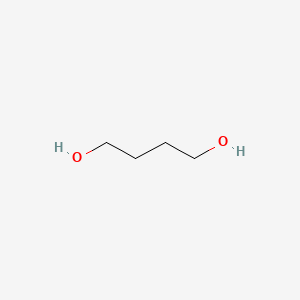
![1,4-Butanediol丨CAS 110-63-4]() 1,4-Butanediol丨CAS 110-63-4CAS No.: 110-63-4read more
1,4-Butanediol丨CAS 110-63-4CAS No.: 110-63-4read more
Product Name: 1,4-Butanediol
Molecular Formula: C4H10O2
Molecular Weight:... -
![FDCA丨CAS 3238-40-2]() FDCA丨CAS 3238-40-2Catalog No.: SS098300read more
FDCA丨CAS 3238-40-2Catalog No.: SS098300read more
CAS No.: 3238-40-2
Purity(HPLC): 99.9%min.
Product Name:... -
![Sodium Dodecyl Sulfate丨CAS 151-21-3]() Sodium Dodecyl Sulfate丨CAS 151-21-3CAS No.: 151-21-3read more
Sodium Dodecyl Sulfate丨CAS 151-21-3CAS No.: 151-21-3read more
Assay/Grade: EP11/99%min/95%min/CP2020
Product Name: Sodium dodecyl... -
![Glycerol丨CAS 56-81-5]() Glycerol丨CAS 56-81-5CAS No.: 56-81-5read more
Glycerol丨CAS 56-81-5CAS No.: 56-81-5read more
Grade: API/Injection/Pharmaceutical/Food/Industrial
Product Name:... -
![Cesium Carbonate丨CAS 534-17-8]() Cesium Carbonate丨CAS 534-17-8CAS No.: 534-17-8read more
Cesium Carbonate丨CAS 534-17-8CAS No.: 534-17-8read more
Assay: 99.9%min
Product Name: Cesium carbonate
Molecular Formula: Cs2CO3... -
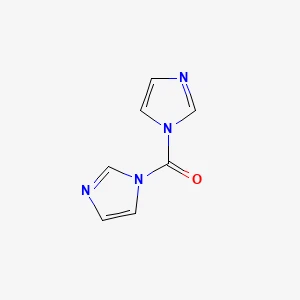
![1,1'-Carbonyldiimidazole丨CAS 530-62-1]() 1,1'-Carbonyldiimidazole丨CAS 530-62-1Catalog No.: SS080884read more
1,1'-Carbonyldiimidazole丨CAS 530-62-1Catalog No.: SS080884read more
CAS No.: 530-62-1
Assay(T): 98%min
Product Name:... -
![Palladium丨CAS 7440-05-3]() Palladium丨CAS 7440-05-3Catalog No.: SS067788read more
Palladium丨CAS 7440-05-3Catalog No.: SS067788read more
CAS No.: 7440-05-3
Assay(Pd): 10% Pd/C on dry basis.
Product Name:... -
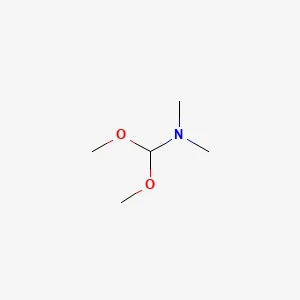
![N,N-Dimethylformamide Dimethyl Acetal丨CAS 4637-24-5]() N,N-Dimethylformamide Dimethyl Acetal丨CAS 4637-24-5Catalog No.: SS036295read more
N,N-Dimethylformamide Dimethyl Acetal丨CAS 4637-24-5Catalog No.: SS036295read more
CAS No.: 4637-24-5
Assay: 98%min
Product Name: N,N-Dimethylformamide...


Send Inquiry