


Catalog No.: SS143429
CAS No.: 34730-59-1
Purity: 95% min
Product Name: AAS-Na
Molecular Formula: C4H13N2NaO3S
Molecular Weight: 192.21
Synonym(s): sodium...
Product Introduction
Biological Buffers are specialized chemical solutions that maintain stable pH levels in biochemical and biological experiments. Essential in fields like molecular biology, biochemistry, and cell culture, these buffers ensure that pH-sensitive reactions and processes occur under optimal conditions, providing consistent and reliable results. Whether you're studying enzymes, proteins, or nucleic acids, biological buffers are critical for maintaining the integrity of experiments by preventing fluctuations in pH that can affect the outcome. Common biological buffers include Tris, phosphate-buffered saline (PBS), and HEPES, each tailored to specific research needs.
-
![AAS-Na丨CAS 34730-59-1]()
-
![POPSO丨CAS 68189-43-5]() POPSO丨CAS 68189-43-5Catalog No.: SS117970read more
POPSO丨CAS 68189-43-5Catalog No.: SS117970read more
CAS No.: 68189-43-5
Assay(Titration, Dry basis): 99%-101%
Product Name: POPSO
Molecular Formula: C10H22N2O8S2.2(H2O)
Molecular Weight: 398.45
Synonym(s):... -
![Sodium 3-chloro-2-hydroxypropanesulphonate Hemihydrate丨CAS 143218-48-8]() Sodium 3-chloro-2-hydroxypropanesulphonate Hemihydrate丨CA...Catalog No.: SS143427read more
Sodium 3-chloro-2-hydroxypropanesulphonate Hemihydrate丨CA...Catalog No.: SS143427read more
CAS No.: 143218-48-8
Assay(on the dried basis): 95.0%-101.0%
Product Name: Sodium 3-chloro-2-hydroxypropanesulphonate hemihydrate
Molecular Formula: C3H8ClNaO5S
Molecular Weight:... -
![ADA Disodium Salt丨CAS 41689-31-0]() ADA Disodium Salt丨CAS 41689-31-0Catalog No.: SS143423read more
ADA Disodium Salt丨CAS 41689-31-0Catalog No.: SS143423read more
CAS No.: 41689-31-0
Assay: 99%~101%
Product Name: ADA disodium salt
Molecular Formula: C6H8N2Na2O5
Molecular Weight: 234.12
Synonym(s): N-(2-Acetamido)iminodiacetic acid... -
![HEPES Sodium Salt丨CAS 75277-39-3]() HEPES Sodium Salt丨CAS 75277-39-3Catalog No.: SS076136read more
HEPES Sodium Salt丨CAS 75277-39-3Catalog No.: SS076136read more
CAS No.: 75277-39-3
Assay(T): 98%~101%
Product Name: HEPES sodium salt
Molecular Formula: C8H17N2NaO4S
Molecular Weight: 260.28
Synonym(s): Sodium... -
![MOPS Hemisodium Salt丨CAS 117961-20-3]() MOPS Hemisodium Salt丨CAS 117961-20-3Catalog No.: SS131779read more
MOPS Hemisodium Salt丨CAS 117961-20-3Catalog No.: SS131779read more
CAS No.: 117961-20-3
Assay(Titration, Dry basis): 99% min
Product Name: MOPS hemisodium salt
Molecular Formula: C7H14NNaO4S.C7H15NO4S
Molecular Weight: 440.51
Synonym(s):... -
![MOPS Sodium Salt丨CAS 71119-22-7]() MOPS Sodium Salt丨CAS 71119-22-7Catalog No.: SS068599read more
MOPS Sodium Salt丨CAS 71119-22-7Catalog No.: SS068599read more
CAS No.: 71119-22-7
Assay: 99% to 101%
Product Name: MOPS sodium salt
Molecular Formula: C7H14NNaO4S
Molecular Weight: 231.24
Synonym(s): 4-Morpholinepropanesulfonic... -
![Hepps丨CAS 16052-06-5]() Hepps丨CAS 16052-06-5Catalog No.: SS119358read more
Hepps丨CAS 16052-06-5Catalog No.: SS119358read more
CAS No.: 16052-06-5
Assay: 99-101%
Product Name: Hepps
Molecular Formula: C9H20N2O4S
Molecular Weight: 252.33
Synonym(s): 4-(2-Hydroxyethyl)-1-piperazinepropanesulfonic... -
![N-(2-Hydroxyethyl)iminodiacetic Acid丨CAS 93-62-9]() N-(2-Hydroxyethyl)iminodiacetic Acid丨CAS 93-62-9Catalog No.: SS119979read more
N-(2-Hydroxyethyl)iminodiacetic Acid丨CAS 93-62-9Catalog No.: SS119979read more
CAS No.: 93-62-9
Purity(T): 99% min
Product Name: N-(2-Hydroxyethyl)iminodiacetic acid
Molecular Formula: C6H11NO5
Molecular Weight: 177.16
Synonym(s):... -
![3-dimethyl-2-(2-methylprop-2-enoyloxy)ethylazaniumylpropane-1-sulfonate丨CAS 3637-26-1]() 3-dimethyl-2-(2-methylprop-2-enoyloxy)ethylazaniumylpropa...Catalog No.: SS130551read more
3-dimethyl-2-(2-methylprop-2-enoyloxy)ethylazaniumylpropa...Catalog No.: SS130551read more
CAS No.: 3637-26-1
Effective Content: 97.0% min
Product Name: 3-dimethyl-2-(2-methylprop-2-enoyloxy)ethylazaniumylpropane-1-sulfonate
Molecular Formula: C11H21NO5S
Molecular... -
![CABS丨CAS 161308-34-5]() CABS丨CAS 161308-34-5Catalog No.: SS086690read more
CABS丨CAS 161308-34-5Catalog No.: SS086690read more
CAS No.: 161308-34-5
Purity: 98%min.
Product Name: CABS
Molecular Formula: C10H21NO3S
Molecular Weight: 235.34
Synonym(s): 4-(Cyclohexylamino)butane-1-sulfonic acid -
![Bicine丨CAS 150-25-4]() Bicine丨CAS 150-25-4Catalog No.: SS131211read more
Bicine丨CAS 150-25-4Catalog No.: SS131211read more
CAS No.: 150-25-4
Assay: 99% min
Product Name: Bicine
Molecular Formula: C6H13NO4
Molecular Weight: 163.17
Synonym(s): Diethylolglycine; N,N-Bis(2-hydroxyethyl)glycine


Product Advantages And Features
pH Stability
Biological buffers maintain a constant pH, essential for biochemical reactions and processes, which are highly sensitive to pH changes.
Wide Range of Applications
Used in cell cultures, enzyme studies, drug development, and DNA/RNA extraction, buffers are versatile in biological and chemical research.
Optimal Conditions for Experiments
By providing a stable environment, biological buffers ensure that proteins, enzymes, and other biomolecules function correctly, which is crucial for accurate experimental outcomes.
Enhanced Research Reproducibility
With consistent pH control, researchers can obtain reproducible and reliable results, essential for successful experimentation and publication.
High Purity and Compatibility
These buffers are designed for compatibility with a wide variety of biological systems, ensuring minimal interference with experimental components.
Temperature Resilience
Many biological buffers, like HEPES, can function effectively over a broad temperature range, ensuring stability during heat-sensitive experiments.
Product Type
1. Tris (Tris(hydroxymethyl)aminomethane)
One of the most commonly used buffers in molecular biology. Tris is ideal for DNA and RNA electrophoresis and is commonly used in buffer solutions for protein purification.
2. Phosphate-Buffered Saline (PBS)
A buffer used extensively in cell culture and biological assays. PBS maintains isotonic conditions, making it perfect for maintaining cell viability during experiments.
3. HEPES (4-(2-hydroxyethyl)-1-piperazineethanesulfonic acid)
A zwitterionic buffer that is highly effective at maintaining pH in cell culture media and enzyme reactions. It is particularly favored in cell biology due to its minimal interaction with biological processes.
4. MES (2-(N-morpholino)ethanesulfonic acid)
Commonly used for maintaining pH in the range of 6.0–7.5, MES is excellent for biochemical studies, particularly enzyme kinetics.
5. MOPS (3-(N-morpholino)propanesulfonic acid)
This buffer is typically used for maintaining pH in the 7.0–7.4 range and is preferred for protein and nucleic acid studies.
6. Sodium Acetate Buffer
Frequently used in DNA extraction and precipitation protocols, this buffer is effective in maintaining pH stability in the 3.6–5.6 range.
7. PIPES (Piperazine-N,N'-bis(2-ethanesulfonic acid))
Primarily used in tissue culture media and protein crystallization studies, PIPES is stable across a pH range of 6.1–7.5.
8. Good's Buffers
These buffers, including MOPS, PIPES, and HEPES, are designed to have minimal interference with biochemical reactions, making them excellent for research in cellular and molecular biology.
Application Of The Product
Biological buffers are indispensable in various fields and applications, ensuring accurate results and optimal conditions for biological reactions:
1
Cell Culture: Buffers like PBS and HEPES are used to maintain the ideal pH for growing cells in vitro, ensuring their viability and productivity during experiments.
2
RProtein Studies: Buffers such as Tris and MOPS stabilize the environment for protein folding, purification, and enzymatic assays, helping to study their structure and function.
3
DNA/RNA Electrophoresis: Buffers like Tris are critical for gel electrophoresis in DNA and RNA separation, ensuring that the nucleic acids migrate correctly and maintain their integrity.
4
Enzyme Kinetics: Buffers such as HEPES and MES are used to maintain pH levels during enzyme reactions, enabling accurate measurement of reaction rates and enzyme behavior.
5
Drug Development: Biological buffers provide stable conditions for testing drug efficacy and interactions, ensuring that the results are not affected by fluctuations in pH.
6
Immunoassays: Buffers like PBS are used in ELISA and other immunoassay techniques to maintain physiological pH, ensuring that antigen-antibody reactions occur efficiently.
7
Tissue Engineering: Biological buffers maintain the pH in scaffolds and biomaterials, crucial for supporting the growth and differentiation of tissues in research.
Material Of The Product
Biological buffers are composed of specialized chemicals that are formulated to maintain pH levels in specific ranges:
Tris
A commonly used buffer that offers high stability over a wide pH range (typically 7.0–9.0). It is synthesized from Tris base and adjusted to the desired pH using acid or base.
HEPES
A zwitterionic compound, HEPES provides excellent buffering capacity in cell culture applications, with minimal impact on biological processes.
Phosphate Compounds
LPBS is made from a mixture of sodium phosphate, potassium chloride, and sodium chloride, ensuring isotonicity and buffering capacity for biological cells.
MES and MOPS
Sulfonic acid-based buffers that offer pH stability for enzyme reactions and protein studies, with minimal ionic strength interference.
Production Process Or Procedure
Biological buffers are crafted through a meticulous process involving precise chemical formulation and stringent quality control:
High Purity Ingredients
All components of the buffer are sourced for their high purity to ensure minimal interference with sensitive biological systems.
Precision pH Adjustment
During manufacturing, pH is carefully adjusted using acids or bases to meet the exact requirements of each buffer’s intended application, ensuring reliable results.
Sterility
For cell culture and sensitive biological applications, buffers are sterilized using filtration to remove contaminants and ensure a safe environment for cells and tissues.
Batch Testing
Each batch of biological buffers undergoes rigorous quality control, including testing for pH stability, sterility, and compatibility with biological systems.
Components Of The Product
Active Ingredients
The core buffer component (such as Tris, HEPES, or phosphate) that stabilizes the pH within the desired range.
pH Adjusters
Acids (like HCl) or bases (like NaOH) are used to fine-tune the buffer's pH to the exact requirement for the experiment.
Osmolytes
Substances like NaCl are often added to biological buffers to maintain osmotic balance, ensuring that cells do not rupture or shrink in solution.
Sterilization Agents
Some buffers may include agents or be filtered to ensure sterility, especially in cell culture applications.
Product Maintenance And Precautions
Proper Storage
Store biological buffers in cool, dry places. Many buffers, especially those for cell culture, may require refrigeration to maintain their stability over time.
Re-sealing After Use
Ensure buffer containers are sealed tightly after each use to prevent contamination and maintain the sterility of the solution.
Avoid Contamination
Always use clean, sterile tools when handling buffers to prevent microbial contamination, which could compromise experimental results.
Check pH Regularly
Over time, some buffers may experience slight pH drifts. It’s important to regularly check the pH, especially if the buffer has been stored for extended periods.
Company Advantages
Our Focus on Quality & Customer Experience
We dedicate to delivering high-quality products and exceptional customer service beyond your expectation.
Comprehensive Product Range
Extensive catalog of over 27,000 chemicals for diverse industries, offering both standard compounds and specialized solutions.
Strong Industry Expertise
Our experienced diverse team provides expert guidance, staying current with industry trends to deliver optimal chemical solutions tailored to your needs.
Competitive Pricing & Reliability
Competitive pricing and reliable deliveries ensure cost-effective, efficient supply chains without compromising quality.
How To Collaborate With Us
Partnering with LEAPChem gives you access to the expertise of a leading company with 18 years of experience in the chemical industry. We offer over 27,000 chemical substances tailored to meet diverse needs. All our products adhere to industry standards and are accompanied by the necessary certifications.
We collaborate with a wide range of partners, including:
• Research Laboratories
• Pharmaceutical Companies
• Cosmetics Manufacturers
• Electronics Manufacturers
• Chemical Manufacturers
• Universities and Colleges Worldwide
• And more.
We specialize in helping our clients find the right chemical solutions tailored to their specific requirements. Additionally, we provide custom synthesis services to meet the unique needs of our partners. Whether you need bulk quantities for industrial processes or small batches for specialized applications, we've got you covered.
If you are looking for a reliable chemical supplier, we would be delighted to hear from you. Please send your inquiry or project details to sales@leapchem.com. Our professional team is eager to collaborate with you and help achieve your goals.
FAQ
Q: What is a biological buffer?
A: A biological buffer is a solution that helps maintain stable pH levels during biochemical and biological experiments.
Q: Why is pH stability important in biological experiments?
A: Many biological processes are sensitive to pH changes, and even slight fluctuations can affect the behavior of proteins, enzymes, and cells, leading to inaccurate results.
Q: What are the most commonly used biological buffers?
A: Tris, HEPES, PBS, MES, and MOPS are among the most commonly used buffers in biological research.
Q: How do I choose the right buffer for my experiment?
A: Choose a buffer that matches the desired pH range and is compatible with the biological system or molecules you're studying. For example, HEPES is ideal for cell culture, while Tris is preferred for DNA studies.
Q: Can biological buffers interfere with experiments?
A: Most buffers are designed to minimize interference, but it's important to choose a buffer that is compatible with the specific enzymes, cells, or molecules in your experiment.
Q: Are biological buffers sterile?
A: Some buffers, particularly those used in cell culture, are sterilized to prevent contamination. Always check if the buffer you are using is labeled as sterile.
Q: How do I store biological buffers?
A: Store buffers in a cool, dry place, and some may require refrigeration to maintain their stability.
Q: Can I reuse biological buffers?
A: It is not recommended to reuse buffers, especially in experiments involving sensitive biological materials, as contamination can occur.
Q: What is the shelf life of biological buffers?
A: he shelf life can vary depending on the buffer and storage conditions, but most unopened buffers last for several months to a year. Always check the manufacturer’s recommendations.
Q: How do I adjust the pH of a buffer?
A: You can adjust the pH of a buffer by adding small amounts of acid (like HCl) or base (like NaOH) while monitoring with a pH meter.
Q: Why are buffers used in cell culture?
A: Buffers like PBS and HEPES are used in cell culture to maintain an optimal pH for cell growth and viability.
Q: Can buffers be used in drug development?
A: Yes, buffers are critical in drug development, providing stable conditions for testing the efficacy and safety of new compounds.
Q: What are Good's buffers?
A: Good's buffers are a group of buffers, including HEPES and MOPS, that have minimal interference with biological systems and are widely used in research.
Q: Is it safe to handle biological buffers?
A: Yes, biological buffers are generally safe to handle, but always follow safety guidelines and wear appropriate protective equipment.
Q: How do I dispose of biological buffers?
A: Always follow local regulations for the disposal of chemical solutions, and check if the buffer contains any hazardous materials before disposal.
Hangzhou Leap Chem Co., Ltd. is well-known as one of the leading biological buffers manufacturers and suppliers in China, also supports custom service. We warmly welcome you to wholesale bulk high quality biological buffers from our factory.
biological buffersPopular Products
-
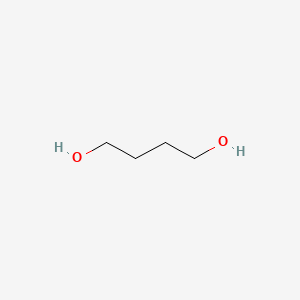
![1,4-Butanediol丨CAS 110-63-4]() 1,4-Butanediol丨CAS 110-63-4CAS No.: 110-63-4read more
1,4-Butanediol丨CAS 110-63-4CAS No.: 110-63-4read more
Product Name: 1,4-Butanediol
Molecular Formula: C4H10O2
Molecular Weight:... -
![FDCA丨CAS 3238-40-2]() FDCA丨CAS 3238-40-2Catalog No.: SS098300read more
FDCA丨CAS 3238-40-2Catalog No.: SS098300read more
CAS No.: 3238-40-2
Purity(HPLC): 99.9%min.
Product Name:... -
![Sodium Dodecyl Sulfate丨CAS 151-21-3]() Sodium Dodecyl Sulfate丨CAS 151-21-3CAS No.: 151-21-3read more
Sodium Dodecyl Sulfate丨CAS 151-21-3CAS No.: 151-21-3read more
Assay/Grade: EP11/99%min/95%min/CP2020
Product Name: Sodium dodecyl... -
![Glycerol丨CAS 56-81-5]() Glycerol丨CAS 56-81-5CAS No.: 56-81-5read more
Glycerol丨CAS 56-81-5CAS No.: 56-81-5read more
Grade: API/Injection/Pharmaceutical/Food/Industrial
Product Name:... -
![Cesium Carbonate丨CAS 534-17-8]() Cesium Carbonate丨CAS 534-17-8CAS No.: 534-17-8read more
Cesium Carbonate丨CAS 534-17-8CAS No.: 534-17-8read more
Assay: 99.9%min
Product Name: Cesium carbonate
Molecular Formula: Cs2CO3... -
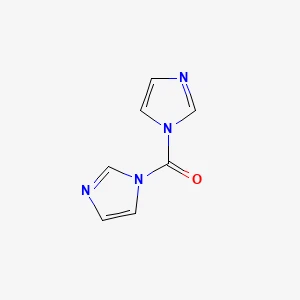
![1,1'-Carbonyldiimidazole丨CAS 530-62-1]() 1,1'-Carbonyldiimidazole丨CAS 530-62-1Catalog No.: SS080884read more
1,1'-Carbonyldiimidazole丨CAS 530-62-1Catalog No.: SS080884read more
CAS No.: 530-62-1
Assay(T): 98%min
Product Name:... -
![Palladium丨CAS 7440-05-3]() Palladium丨CAS 7440-05-3Catalog No.: SS067788read more
Palladium丨CAS 7440-05-3Catalog No.: SS067788read more
CAS No.: 7440-05-3
Assay(Pd): 10% Pd/C on dry basis.
Product Name:... -
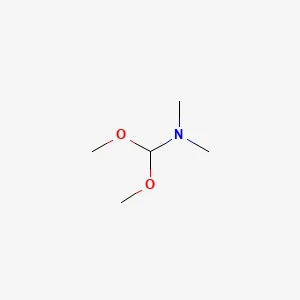
![N,N-Dimethylformamide Dimethyl Acetal丨CAS 4637-24-5]() N,N-Dimethylformamide Dimethyl Acetal丨CAS 4637-24-5Catalog No.: SS036295read more
N,N-Dimethylformamide Dimethyl Acetal丨CAS 4637-24-5Catalog No.: SS036295read more
CAS No.: 4637-24-5
Assay: 98%min
Product Name: N,N-Dimethylformamide...



Send Inquiry