


Catalog No.: SS130637
CAS No.: 235789-75-0
Purity: 99% min
Product Name: 1-Ethyl-3-methylimidazolium Bis(fluorosulfonyl)imide
Molecular Formula: C6H11F2N3O4S2
Molecular Weight: 291
Synonym(s):...
Product Introduction
Lonic liquids are a class of salts that remain in a liquid state at room temperature. Unlike traditional solvents, they consist entirely of ions and offer unique properties such as low volatility, high thermal stability, and excellent conductivity. Due to these features, ionic liquids are increasingly used in applications ranging from electrochemistry and catalysis to battery production and advanced material synthesis.
-
![1-Ethyl-3-methylimidazolium Bis(fluorosulfonyl)imide丨CAS 235789-75-0]()
-
![1-n-Butyl-3-MethyliMidazoliuM Methylsulfate丨CAS 401788-98-5]() 1-n-Butyl-3-MethyliMidazoliuM Methylsulfate丨CAS 401788-98-5Catalog No.: SS108080read more
1-n-Butyl-3-MethyliMidazoliuM Methylsulfate丨CAS 401788-98-5Catalog No.: SS108080read more
CAS No.: 401788-98-5
Purity: 98%min.
Product Name: 1-n-Butyl-3-MethyliMidazoliuM Methylsulfate
Molecular Formula: C9H18N2O4S
Molecular Weight: 250.32 -
![1-Ethyl-1-methylpyrrolidinium Bromide丨CAS 69227-51-6]() 1-Ethyl-1-methylpyrrolidinium Bromide丨CAS 69227-51-6Catalog No.: SS127600read more
1-Ethyl-1-methylpyrrolidinium Bromide丨CAS 69227-51-6Catalog No.: SS127600read more
CAS No.: 69227-51-6
Purity: 99.0%min.
Product Name: 1-Ethyl-1-methylpyrrolidinium bromide
Molecular Formula: C7H16BrN
Molecular Weight: 194.11
Synonym(s): Pyrrolidinium,... -
![Tetrabutylammonium Bromide丨CAS 1643-19-2]() Tetrabutylammonium Bromide丨CAS 1643-19-2Catalog No.: SS128948read more
Tetrabutylammonium Bromide丨CAS 1643-19-2Catalog No.: SS128948read more
CAS No.: 1643-19-2
Assay: 99%min
Product Name: Tetrabutylammonium bromide
Molecular Formula: C16H36BrN
Molecular Weight: 322.37
Synonym(s): Tetrabutyl ammonium bromide; TBAB -
![1-Butyl-3-methylimidazolium Tetrafluoroborate丨CAS 174501-65-6]() 1-Butyl-3-methylimidazolium Tetrafluoroborate丨CAS 174501-...Catalog No.: SS129132read more
1-Butyl-3-methylimidazolium Tetrafluoroborate丨CAS 174501-...Catalog No.: SS129132read more
CAS No.: 174501-65-6
Purity: 99%min
Product Name: 1-Butyl-3-methylimidazolium tetrafluoroborate
Molecular Formula: C8H15N2.BF4
Molecular Weight: 226.02 -
![1-Ethyl-3-methylimidazolium Acetate丨CAS 143314-17-4]() 1-Ethyl-3-methylimidazolium Acetate丨CAS 143314-17-4Catalog No.: SS118811read more
1-Ethyl-3-methylimidazolium Acetate丨CAS 143314-17-4Catalog No.: SS118811read more
CAS No.: 143314-17-4
Purity: 98%min
Product Name: 1-Ethyl-3-methylimidazolium acetate
Synonym(s): 1-ethyl-3-methylimidazol-3-ium;acetate -
![1-ethyl-3-methylimi Dazolium Tetrafluoroborate丨CAS 143314-16-3]() 1-ethyl-3-methylimi Dazolium Tetrafluoroborate丨CAS 143314...Catalog No.: SS118001read more
1-ethyl-3-methylimi Dazolium Tetrafluoroborate丨CAS 143314...Catalog No.: SS118001read more
CAS No.: 143314-16-3
Purity: 98%min
Product Name: 1-ethyl-3-methylimi dazolium Tetrafluoroborate
Molecular Formula: C6H11N2.BF4
Molecular Weight: 197.97
Synonym(s):... -
![1-ethyl-3-methylimi Dazolium Hexafluorophosphate丨CAS 155371-19-0]() 1-ethyl-3-methylimi Dazolium Hexafluorophosphate丨CAS 1553...Catalog No.: SS054344read more
1-ethyl-3-methylimi Dazolium Hexafluorophosphate丨CAS 1553...Catalog No.: SS054344read more
CAS No.: 155371-19-0
Purity/Grade: 99%min
Product Name: 1-Ethyl-3-methylimidazolium hexafluorophosphate (EMIM PF6)
Molecular Formula: C6H11N2.PF6
Molecular Weight: 256.13 -
![1-ethyl-3-methylimi Dazolium Bis[(trifluoromethyl) Sulfonyl]imide丨CAS 174899-82-2]() 1-ethyl-3-methylimi Dazolium Bis[(trifluoromethyl) Sulfon...Catalog No.: SS110664read more
1-ethyl-3-methylimi Dazolium Bis[(trifluoromethyl) Sulfon...Catalog No.: SS110664read more
CAS No.: 174899-82-2
Purity/Grade: 98%min
Product Name: 1-Ethyl-3-methylimidazolium Bis(trifluoromethanesulfonyl)imide (EMIM TFSI)
Molecular Formula: C8H11F6N3O4S2
Molecular... -
![1-ethyl-3-methylimi Dazolium Ethylsulfate丨CAS 342573-75-5]() 1-ethyl-3-methylimi Dazolium Ethylsulfate丨CAS 342573-75-5Catalog No.: SS127696read more
1-ethyl-3-methylimi Dazolium Ethylsulfate丨CAS 342573-75-5Catalog No.: SS127696read more
CAS No.: 342573-75-5
Purity/Grade: 99%min
Product Name: 1-Ethyl-3-methylimidazolium ethylsulfate -
![1-butyl-3-methylimi Dazolium Tetrafluoroborate丨CAS 174501-65-6]() 1-butyl-3-methylimi Dazolium Tetrafluoroborate丨CAS 174501...Catalog No.: SS127729read more
1-butyl-3-methylimi Dazolium Tetrafluoroborate丨CAS 174501...Catalog No.: SS127729read more
CAS No.: 174501-65-6
Purity/Grade: 99%min
Product Name: 1-Butyl-3-methylimidazolium tetrafluoroborate
Molecular Formula: C8H15N2.BF4
Molecular Weight: 226.02 -
![1-butyl-3-methylimi Dazolium Bis[(trifluoromethyl) Sulfonyl]imide丨CAS 174899-83-3]() 1-butyl-3-methylimi Dazolium Bis[(trifluoromethyl) Sulfon...Catalog No.: SS113722read more
1-butyl-3-methylimi Dazolium Bis[(trifluoromethyl) Sulfon...Catalog No.: SS113722read more
CAS No.: 174899-83-3
Purity(HPLC): 99%min.
Product Name: 1-Butyl-3-methylimidazolium bis[(trifluoromethyl)sulfonyl]imide
Molecular Formula: C10H15F6N3O4S2
Molecular Weight:...


![1-ethyl-3-methylimi Dazolium Bis[(trifluoromethyl) Sulfonyl]imide丨CAS 174899-82-2](/uploads/42644/small/1-ethyl-3-methylimi-dazolium-bisb3474.png?size=380x0)


![1-butyl-3-methylimi Dazolium Bis[(trifluoromethyl) Sulfonyl]imide丨CAS 174899-83-3](/uploads/42644/small/1-butyl-3-methylimi-dazolium-bis5d23e.png?size=380x0)
Product advantages and features
Thermal and Chemical Stability: Ionic liquids are stable across a wide temperature range and resistant to decomposition, making them ideal for demanding processes.
Low Volatility: Their non-volatile nature minimizes environmental impact, reducing risks associated with evaporation and harmful emissions.
Customizable Properties: The ionic composition can be tailored to achieve specific conductivity, viscosity, and solubility profiles for diverse applications.
Enhanced Solvation Capabilities: Ionic liquids can dissolve a wide range of substances, including gases, polymers, and metals, making them versatile solvents.
Eco-Friendly Alternatives: Compared to conventional solvents, ionic liquids are often more sustainable, offering greener options for industrial processes.
Product type
Imidazolium-Based Ionic Liquids
Commonly used in catalysis and electrochemical applications, offering high thermal stability and ionic conductivity.
01
Pyridinium-Based Ionic Liquids
Known for their excellent solubility and use in extraction and separation processes.
02
Phosphonium-Based Ionic Liquids
Used in high-temperature applications due to their enhanced thermal and chemical stability.
03
Ammonium-Based Ionic Liquids
Widely applied in electroplating and energy storage, offering versatile and tunable properties.
04
Choline-Based Ionic Liquids
Often chosen for their biocompatibility and low toxicity, making them suitable for green chemistry applications.
05
Application of the product
1
Electrochemistry and Batteries: Used as electrolytes in advanced batteries and supercapacitors, offering enhanced efficiency and stability.
2
Catalysis and Chemical Reactions: Serve as reaction media and catalysts in organic synthesis, improving reaction rates and selectivity.
3
Separation and Extraction: Employed in the separation of metals, gases, and bio-compounds due to their selective solvation properties.
4
Material Synthesis: Used in the production of nanomaterials and advanced composites, enabling precise control over particle size and distribution.
5
Lubricants and Heat Transfer Fluids: Provide superior lubrication and heat management in demanding mechanical and thermal systems.
Material of the product
01.
Cations (Imidazolium, Pyridinium, Phosphonium, etc.)
These positively charged ions determine the fluidity, thermal stability, and solvation power of the ionic liquid.
02.
Anions (Chloride, Hexafluorophosphate, Tetrafluoroborate, etc.)
The type of anion influences the liquid’s viscosity, hydrophobicity, and conductivity.
03.
Functionalized Side Chains
Tailored side chains are added to cations to tune properties like hydrophilicity, acidity, and surface activity.
04.
Additives and Stabilizers
Used to enhance specific properties like anti-corrosion, anti-oxidation, or performance under extreme conditions.
Production Process Or Procedure
The production of ionic liquids typically begins with the synthesis of the cation and anion components. These components are then combined in a controlled environment to form the desired ionic compound. The mixture undergoes purification processes like distillation or crystallization to remove impurities and ensure high-quality output. The final product is thoroughly tested for stability, conductivity, and other critical parameters before being packaged for commercial use. This process allows for the customization of ionic liquids to meet specific industrial needs.
Components of the product
Imidazolium and Pyridinium Ions
Serve as the base for many ionic liquids, providing strong ionic conductivity and thermal stability.
Tetrafluoroborate and Hexafluorophosphate Anions
Common anions that contribute to the liquid's chemical resistance and electrical properties.
Solvents and Diluents
In some applications, ionic liquids are mixed with solvents to adjust viscosity or reactivity.
Complexing Agents
Used to enhance specific interactions, such as metal binding or gas solubility, within the ionic liquid.
Product maintenance and precautions
Storage Tips
Store in airtight containers to prevent contamination and moisture absorption, which can alter performance.
Proper Handling
Use appropriate personal protective equipment (PPE) such as gloves and goggles when handling, as some ionic liquids can be corrosive or reactive.
Check Compatibility
Ensure compatibility with materials like metals or plastics to prevent degradation or unwanted reactions.
Avoid Moisture Exposure
Some ionic liquids are hygroscopic and can absorb water, impacting their properties and efficiency.
Batch Testing
Regularly test ionic liquids to ensure consistent performance, especially in critical applications like batteries or catalysis.
Company advantages
Our Focus on Quality & Customer Experience
We dedicate to delivering high-quality products and exceptional customer service beyond your expectation.
Comprehensive Product Range
Extensive catalog of over 27,000 chemicals for diverse industries, offering both standard compounds and specialized solutions.
Strong Industry Expertise
Our experienced diverse team provides expert guidance, staying current with industry trends to deliver optimal chemical solutions tailored to your needs.
Competitive Pricing & Reliability
Competitive pricing and reliable deliveries ensure cost-effective, efficient supply chains without compromising quality.
How to collaborate with us
Partnering with LEAPChem gives you access to the expertise of a leading company with 18 years of experience in the chemical industry. We offer over 27,000 chemical substances tailored to meet diverse needs. All our products adhere to industry standards and are accompanied by the necessary certifications.
We collaborate with a wide range of partners, including:
• Research Laboratories
• Pharmaceutical Companies
• Cosmetics Manufacturers
• Electronics Manufacturers
• Chemical Manufacturers
• Universities and Colleges Worldwide
• And more.
We specialize in helping our clients find the right chemical solutions tailored to their specific requirements. Additionally, we provide custom synthesis services to meet the unique needs of our partners. Whether you need bulk quantities for industrial processes or small batches for specialized applications, we’ve got you covered.
If you are looking for a reliable chemical supplier, we would be delighted to hear from you. Please send your inquiry or project details to sales@leapchem.com. Our professional team is eager to collaborate with you and help achieve your goals.
FAQ
Q: What are ionic liquids?
A: Lonic liquids are salts that remain in a liquid state at room temperature, composed entirely of ions.
Q: What are the applications of ionic liquids?
A: They are used in electrochemistry, catalysis, extraction, material synthesis, and as lubricants.
Q: How are ionic liquids different from traditional solvents?
A: Unlike traditional solvents, ionic liquids have low volatility, high thermal stability, and customizable properties.
Q: Are ionic liquids environmentally friendly?
A: Many ionic liquids are considered greener alternatives due to their non-volatile nature and recyclable properties.
Q: What types of ionic liquids are available?
A: Common types include imidazolium, pyridinium, phosphonium, ammonium, and choline-based ionic liquids.
Q: What industries use ionic liquids?
A: Industries like chemical processing, electronics, energy storage, and pharmaceuticals utilize ionic liquids.
Q: Can ionic liquids be recycled?
A: Yes, in many applications, ionic liquids can be recovered and reused, reducing waste and improving sustainability.
Q: What are the storage requirements for ionic liquids?
A: Store in cool, dry conditions and in sealed containers to prevent moisture absorption.
Q: What makes ionic liquids suitable for battery applications?
A: Their high ionic conductivity and wide electrochemical stability make them ideal electrolytes for next-generation batteries.
Q: How do you handle ionic liquids safely?
A: Use PPE and follow safety guidelines to avoid skin and eye contact, as some ionic liquids may be corrosive.
Q: What are the advantages of using ionic liquids in catalysis?
A: Lonic liquids offer tunable solvation properties, leading to faster reaction rates and improved catalyst recovery.
Q: Do ionic liquids have any disadvantages?
A: Some ionic liquids can be expensive or challenging to scale up, and their long-term environmental impacts are still under study.
Hangzhou Leap Chem Co., Ltd. is well-known as one of the leading ionic liquids manufacturers and suppliers in China, also supports custom service. We warmly welcome you to wholesale bulk high quality ionic liquids from our factory.
CAS 129211 47 8, 129211-47-8, ionic liquidsPopular Products
-
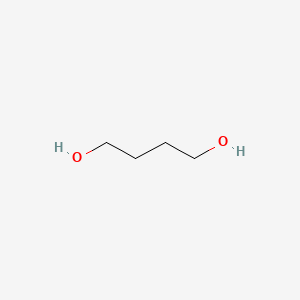
![1,4-Butanediol丨CAS 110-63-4]() 1,4-Butanediol丨CAS 110-63-4CAS No.: 110-63-4read more
1,4-Butanediol丨CAS 110-63-4CAS No.: 110-63-4read more
Product Name: 1,4-Butanediol
Molecular Formula: C4H10O2
Molecular Weight:... -
![FDCA丨CAS 3238-40-2]() FDCA丨CAS 3238-40-2Catalog No.: SS098300read more
FDCA丨CAS 3238-40-2Catalog No.: SS098300read more
CAS No.: 3238-40-2
Purity(HPLC): 99.9%min.
Product Name:... -
![Sodium Dodecyl Sulfate丨CAS 151-21-3]() Sodium Dodecyl Sulfate丨CAS 151-21-3CAS No.: 151-21-3read more
Sodium Dodecyl Sulfate丨CAS 151-21-3CAS No.: 151-21-3read more
Assay/Grade: EP11/99%min/95%min/CP2020
Product Name: Sodium dodecyl... -
![Glycerol丨CAS 56-81-5]() Glycerol丨CAS 56-81-5CAS No.: 56-81-5read more
Glycerol丨CAS 56-81-5CAS No.: 56-81-5read more
Grade: API/Injection/Pharmaceutical/Food/Industrial
Product Name:... -
![Cesium Carbonate丨CAS 534-17-8]() Cesium Carbonate丨CAS 534-17-8CAS No.: 534-17-8read more
Cesium Carbonate丨CAS 534-17-8CAS No.: 534-17-8read more
Assay: 99.9%min
Product Name: Cesium carbonate
Molecular Formula: Cs2CO3... -
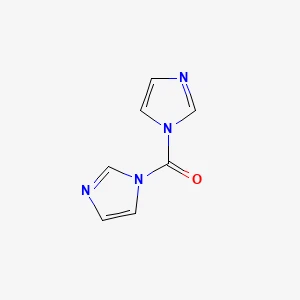
![1,1'-Carbonyldiimidazole丨CAS 530-62-1]() 1,1'-Carbonyldiimidazole丨CAS 530-62-1Catalog No.: SS080884read more
1,1'-Carbonyldiimidazole丨CAS 530-62-1Catalog No.: SS080884read more
CAS No.: 530-62-1
Assay(T): 98%min
Product Name:... -
![Palladium丨CAS 7440-05-3]() Palladium丨CAS 7440-05-3Catalog No.: SS067788read more
Palladium丨CAS 7440-05-3Catalog No.: SS067788read more
CAS No.: 7440-05-3
Assay(Pd): 10% Pd/C on dry basis.
Product Name:... -
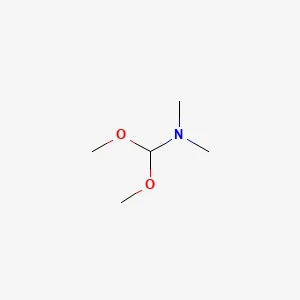
![N,N-Dimethylformamide Dimethyl Acetal丨CAS 4637-24-5]() N,N-Dimethylformamide Dimethyl Acetal丨CAS 4637-24-5Catalog No.: SS036295read more
N,N-Dimethylformamide Dimethyl Acetal丨CAS 4637-24-5Catalog No.: SS036295read more
CAS No.: 4637-24-5
Assay: 98%min
Product Name: N,N-Dimethylformamide...


Send Inquiry