


Catalog No.: SS084381
CAS No.: 2277-92-1
Grade/Assay: BP2023/98%-102%
Product Name: Oxyclozanide
Molecular Formula: C13H6Cl5NO3
Molecular Weight: 401.46
Synonym(s): Zanil
Product Introduction
Agrochemicals are chemical substances used in agriculture to protect crops from pests, diseases, and weeds, while also improving crop yields and quality. These chemicals play a crucial role in modern farming, helping to ensure food security and sustainability by optimizing plant growth and safeguarding harvests. Common agrochemicals include fertilizers, pesticides, herbicides, and fungicides, all designed to enhance productivity and protect crops from potential harm.
-
![Oxyclozanide丨CAS 2277-92-1]()
-
![Methylurea丨CAS 598-50-5]() Methylurea丨CAS 598-50-5Catalog No.: SS102019read more
Methylurea丨CAS 598-50-5Catalog No.: SS102019read more
CAS No.: 598-50-5
Purity: 98% min.
Product Name: Methylurea
Molecular Formula: C2H6N2O
Molecular Weight: 74.08
Synonym(s): Monomethyl urea; N-Methylurea -
![Diethanolamine丨CAS 111-42-2]() Diethanolamine丨CAS 111-42-2Catalog No.: SS139667read more
Diethanolamine丨CAS 111-42-2Catalog No.: SS139667read more
CAS No.: 111-42-2
Diethanolamine(m/m): 99.30% min
Product Name: Diethanolamine
Certificate: ISO9001; ISO14001
Molecular Formula: C4H11NO2
Molecular Weight: 105.14... -
![N-Methylaniline丨CAS 100-61-8]() N-Methylaniline丨CAS 100-61-8Catalog No.: SS139352read more
N-Methylaniline丨CAS 100-61-8Catalog No.: SS139352read more
CAS No.: 100-61-8
N-methyl aniline assay: 99% min
Product Name: N-Methylaniline
Molecular Formula: C6H5NHCH3
Molecular Weight: 107.15
Synonym(s): Monomethylaniline -
![Tebufenpyrad丨CAS 119168-77-3]() Tebufenpyrad丨CAS 119168-77-3Catalog No.: SS139358read more
Tebufenpyrad丨CAS 119168-77-3Catalog No.: SS139358read more
CAS No.: 119168-77-3
Purity: 95%min
Product Name: Tebufenpyrad
Molecular Formula: C18H24ClN3O
Molecular Weight: 333.86
Synonym(s):... -
![1-Triacontanol丨CAS 593-50-0]() 1-Triacontanol丨CAS 593-50-0Catalog No.: SS111755read more
1-Triacontanol丨CAS 593-50-0Catalog No.: SS111755read more
CAS No.: 593-50-0
Policosanol or Total alcohols: 98%min
Product Name: 1-Triacontanol
Molecular Formula: C30H62O
Molecular Weight: 438.82
Synonym(s): Melissyl alcohol;... -
![Acetylacetaldehyde dimethyl acetal丨CAS 5436-21-5]() Acetylacetaldehyde dimethyl acetal丨CAS 5436-21-5Catalog No.: SS007847read more
Acetylacetaldehyde dimethyl acetal丨CAS 5436-21-5Catalog No.: SS007847read more
CAS No.: 5436-21-5
Assay(GC): 92%min
Product Name: Acetylacetaldehyde dimethyl acetal
Molecular Formula: C6H12O3
Molecular Weight: 132.16
Synonym(s): 3-Ketobutyraldehyde... -
![Mesotrione丨CAS 104206-82-8]() Mesotrione丨CAS 104206-82-8Catalog No.: SS133798read more
Mesotrione丨CAS 104206-82-8Catalog No.: SS133798read more
CAS No.: 104206-82-8
Assay: 95.0% min
Product Name: Mesotrione
Molecular Formula: C14H13NO7S
Molecular Weight: 339.32
Synonym(s):... -
![Monensin Sodium Salt丨CAS 22373-78-0]() Monensin Sodium Salt丨CAS 22373-78-0Catalog No.: SS135182read more
Monensin Sodium Salt丨CAS 22373-78-0Catalog No.: SS135182read more
CAS No.: 22373-78-0
Grade: 20%(100g:20g)
Product Name: Monensin sodium salt
Molecular Formula: C36H61NaO11
Molecular Weight: 692.86 -
![Oxolinic Acid丨CAS 14698-29-4]() Oxolinic Acid丨CAS 14698-29-4Catalog No.: SS137339read more
Oxolinic Acid丨CAS 14698-29-4Catalog No.: SS137339read more
CAS No.: 14698-29-4
Assay: 98% to 102%
Product Name: Oxolinic acid
Molecular Formula: C13H11NO5
Molecular Weight: 261.23
Synonym(s):... -
![Quinolinic Acid丨CAS 89-00-9]() Quinolinic Acid丨CAS 89-00-9Catalog No.: SS137333read more
Quinolinic Acid丨CAS 89-00-9Catalog No.: SS137333read more
CAS No.: 89-00-9
Content: 99%min
Product Name: Quinolinic acid
Molecular Formula: C10H7NO2
Molecular Weight: 167.12 -
![Closantel丨CAS 57808-65-8]() Closantel丨CAS 57808-65-8Catalog No.: SS136551read more
Closantel丨CAS 57808-65-8Catalog No.: SS136551read more
CAS No.: 57808-65-8
Assay: 98.0%~102.0%
Product Name: Closantel
Molecular Formula: C22H14Cl2I2N2O2
Molecular Weight: 663.08
Synonym(s):...


Product Advantages and Features
Enhanced Crop Productivity
Agrochemicals like fertilizers boost plant growth and improve crop yield, ensuring better harvests and food production.
Pest and Disease Control
Pesticides protect crops from destructive pests and diseases, minimizing loss and increasing agricultural efficiency.
Weed Management
Herbicides help farmers manage weeds that compete with crops for nutrients, water, and sunlight, leading to healthier plant growth.
Improved Soil Fertility
Fertilizers enrich the soil with essential nutrients such as nitrogen, phosphorus, and potassium, enhancing its fertility over time.
Reduced Labor Costs
By effectively controlling weeds, pests, and diseases, agrochemicals reduce the need for manual labor, saving time and resources.
Product Type
1. Bactericides
Bactericides control harmful bacteria in crops, preventing diseases that can devastate plants. They help ensure healthy growth and reduce crop losses, keeping plants disease-free.
2. Feed Additives
Added to animal feed, these supplements improve livestock growth, nutrition, and overall health. Feed additives boost productivity in meat, milk, and egg production.
3. Herbicides
Herbicides eliminate weeds that compete with crops for resources like water and sunlight. By controlling weeds, they enhance crop yields and reduce manual labor.
4. Insecticides
Insecticides target pests that damage crops, such as aphids and beetles. Protecting plants from insects helps maintain crop health and minimize harvest losses.
5. Pesticide Intermediates
Pesticide intermediates are raw materials used in making pesticides like insecticides and herbicides. They are essential for manufacturing effective crop protection products.
6. Plant Growth Regulators (PGRs)
PGRs control plant growth and development. They help farmers manage plant size, improve fruit quality, and increase yields by adjusting growth processes like flowering and ripening.
7. Veterinary Medicines
These medicines keep livestock healthy by preventing and treating diseases. Veterinary medicines support animal well-being and improve productivity in farming operations.
Application Of The Product
Agrochemicals have wide-ranging applications in agriculture, ensuring higher productivity and crop protection.
Crop Nutrition
Fertilizers provide vital nutrients like nitrogen, potassium, and phosphorus, promoting healthy plant growth and increasing yields.
Pest Control
Pesticides are used to control harmful insects, rodents, and other pests, protecting crops from damage.
Weed Control
Herbicides help farmers manage and eliminate weeds that compete with crops for resources such as water, nutrients, and sunlight.
Disease Management
Fungicides protect crops from fungal diseases, improving the overall health and productivity of plants.
Post-Harvest Preservation
Certain agrochemicals are used after harvesting to extend the shelf life of produce, preventing spoilage during storage and transport.
Material Of The Product
Agrochemicals are composed of various active ingredients that target specific agricultural challenges. These ingredients include:
Nitrogen, Phosphorus, and Potassium
These are the core nutrients in fertilizers that enhance plant growth and improve soil health.
Glyphosate
A widely used herbicide for controlling a broad range of weeds without harming crops.
Chlorpyrifos
An insecticide that targets pests such as aphids and beetles, commonly used in fruit and vegetable farming.
Copper Compounds
Used in fungicides, copper-based solutions prevent fungal diseases in crops like grapes and potatoes.
Production Process Or Procedure
Agrochemicals are produced through a carefully controlled process that balances active ingredients with carriers or solvents for optimal effectiveness. Raw materials are mixed in precise ratios, ensuring uniform distribution of active agents. Quality control processes, including testing for potency, stability, and environmental impact, are conducted before the final product is packaged.
Components Of The Product
Active Ingredients
The core components that target pests, weeds, or diseases, such as nitrogen in fertilizers or glyphosate in herbicides.
Inert Ingredients
Substances that help deliver the active ingredient effectively, like solvents or carriers that aid in distribution.
Adjuvants
Added substances that improve the effectiveness of agrochemicals, enhancing coverage or absorption on crops.
Stabilizers
Ensure the agrochemical remains effective during storage and after application.
Product Maintenance And Precautions
Proper Storage
Store agrochemicals in a cool, dry place, away from direct sunlight, to prevent degradation of active ingredients.
Safe Handling
Wear protective gear when handling and applying agrochemicals to avoid skin contact or inhalation.
Company Advantages
Our Focus on Quality & Customer Experience
We dedicate to delivering high-quality products and exceptional customer service beyond your expectation.
Comprehensive Product Range
Extensive catalog of over 27,000 chemicals for diverse industries, offering both standard compounds and specialized solutions.
Strong Industry Expertise
Our experienced diverse team provides expert guidance, staying current with industry trends to deliver optimal chemical solutions tailored to your needs.
Competitive Pricing & Reliability
Competitive pricing and reliable deliveries ensure cost-effective, efficient supply chains without compromising quality.
How To Collaborate With Us
Partnering with LEAPChem gives you access to the expertise of a leading company with 18 years of experience in the chemical industry. We offer over 27,000 chemical substances tailored to meet diverse needs. All our products adhere to industry standards and are accompanied by the necessary certifications.
We collaborate with a wide range of partners, including:
• Research Laboratories
• Pharmaceutical Companies
• Cosmetics Manufacturers
• Electronics Manufacturers
• Chemical Manufacturers
• Universities and Colleges Worldwide
• And more.
We specialize in helping our clients find the right chemical solutions tailored to their specific requirements. Additionally, we provide custom synthesis services to meet the unique needs of our partners. Whether you need bulk quantities for industrial processes or small batches for specialized applications, we’ve got you covered.
If you are looking for a reliable chemical supplier, we would be delighted to hear from you. Please send your inquiry or project details to sales@leapchem.com. Our professional team is eager to collaborate with you and help achieve your goals.
FAQ
Q: What are agrochemicals used for?
A: Agrochemicals are used to enhance agricultural productivity and protect crops. They include fertilizers that improve soil fertility, pesticides that control pests, herbicides that eliminate weeds, and fungicides that prevent fungal diseases. These chemicals ensure healthier plants and higher yields.
Q: Are agrochemicals safe for the environment?
A: Agrochemicals can impact the environment if not used properly. Overuse or improper application can lead to soil degradation, water contamination, and harm to non-target species, including beneficial insects like bees. However, when applied according to safety guidelines and regulations, their negative impact can be minimized.
Q: How do fertilizers improve crop production?
A: Fertilizers provide essential nutrients such as nitrogen, phosphorus, and potassium, which are crucial for plant growth. These nutrients improve soil fertility, enhance plant metabolism, and lead to better crop yields and higher quality produce.
Q: What is the difference between organic and synthetic fertilizers?
A: Organic fertilizers are derived from natural sources like animal manure, compost, or plant residues, and release nutrients slowly. Synthetic fertilizers are chemically manufactured and provide a more immediate nutrient boost. Organic fertilizers are generally better for long-term soil health, while synthetic fertilizers offer quick results.
Q: Why are herbicides important in farming?
A: Herbicides help control weeds that compete with crops for nutrients, sunlight, and water. By eliminating or reducing weed populations, herbicides enhance crop productivity and reduce the labor needed for manual weed control, saving farmers time and resources.
Q: What are the main types of pesticides used in agriculture?
A: The main types of pesticides include insecticides (targeting insects), herbicides (for weeds), fungicides (to prevent fungal infections), and rodenticides (to control rodents). Each pesticide is designed to address specific threats to crops, ensuring their protection and growth.
Q: How do fungicides work in protecting crops?
A: Fungicides work by inhibiting the growth of or killing fungi that can cause diseases in crops. By preventing fungal infections, these chemicals help maintain healthy plants and prevent crop loss due to diseases like mildew, rust, or blight.
Q: What precautions should I take when using agrochemicals?
A: Always read and follow the manufacturer’s instructions carefully. Wear appropriate protective gear (gloves, masks, etc.), store chemicals in a safe, secure place away from children and pets, and apply agrochemicals at the recommended dosage to avoid overuse or contamination.
Q: Can agrochemicals harm pollinators like bees?
A: Some agrochemicals, especially certain pesticides, can be harmful to pollinators like bees if misused. It’s important to apply these chemicals in a way that minimizes risk, such as avoiding application during the pollination season and using bee-safe alternatives whenever possible.
Q: What is integrated pest management (IPM)?
A: Integrated Pest Management (IPM) is a sustainable approach to managing pests by combining different control methods such as biological control, habitat manipulation, and careful use of agrochemicals. The goal is to minimize the use of chemicals while effectively controlling pests, reducing environmental impact.
Q: How do I choose the right agrochemical for my crop?
A: Choosing the right agrochemical depends on the specific issue you're facing—whether it's nutrient deficiency, pests, weeds, or diseases. Consider the type of crop, the local ecosystem, and any resistance issues. It's also important to select products approved for use in your region and follow label instructions.
Q: Are there eco-friendly alternatives to synthetic agrochemicals?
A: Yes, eco-friendly alternatives such as organic fertilizers, biopesticides (derived from natural organisms), and integrated pest management (IPM) strategies offer more sustainable solutions. These methods aim to reduce chemical use while maintaining crop health and productivity.
Q: How are agrochemicals regulated for safety?
A: Agrochemicals are regulated by governmental agencies such as the Environmental Protection Agency (EPA) in the U.S., or similar bodies globally. These agencies assess the safety, environmental impact, and efficacy of agrochemicals before approving their use. Farmers must also comply with local regulations regarding their application and disposal.
Q: What are the long-term effects of using agrochemicals on soil health?
A: Long-term use of agrochemicals, particularly synthetic fertilizers and pesticides, can lead to soil degradation, reduced microbial activity, and nutrient imbalances. Over time, this can affect soil fertility. Sustainable practices like crop rotation, organic amendments, and precision application can mitigate these effects.
Q: How should I dispose of unused or expired agrochemicals?
A: Unused or expired agrochemicals should be disposed of according to local regulations. Many areas have designated collection points for hazardous chemicals. Never pour agrochemicals down drains or dispose of them in regular trash, as they can contaminate water sources and harm the environment.
Hangzhou Leap Chem Co., Ltd. is well-known as one of the leading agrochemicals manufacturers and suppliers in China, also supports custom service. We warmly welcome you to wholesale bulk high quality agrochemicals from our factory.
Popular Products
-
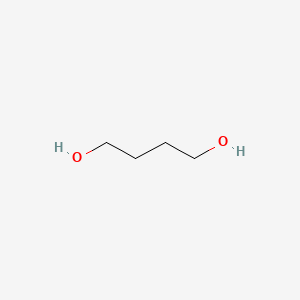
![1,4-Butanediol丨CAS 110-63-4]() 1,4-Butanediol丨CAS 110-63-4CAS No.: 110-63-4read more
1,4-Butanediol丨CAS 110-63-4CAS No.: 110-63-4read more
Product Name: 1,4-Butanediol
Molecular Formula: C4H10O2
Molecular Weight:... -
![FDCA丨CAS 3238-40-2]() FDCA丨CAS 3238-40-2Catalog No.: SS098300read more
FDCA丨CAS 3238-40-2Catalog No.: SS098300read more
CAS No.: 3238-40-2
Purity(HPLC): 99.9%min.
Product Name:... -
![Sodium Dodecyl Sulfate丨CAS 151-21-3]() Sodium Dodecyl Sulfate丨CAS 151-21-3CAS No.: 151-21-3read more
Sodium Dodecyl Sulfate丨CAS 151-21-3CAS No.: 151-21-3read more
Assay/Grade: EP11/99%min/95%min/CP2020
Product Name: Sodium dodecyl... -
![Glycerol丨CAS 56-81-5]() Glycerol丨CAS 56-81-5CAS No.: 56-81-5read more
Glycerol丨CAS 56-81-5CAS No.: 56-81-5read more
Grade: API/Injection/Pharmaceutical/Food/Industrial
Product Name:... -
![Cesium Carbonate丨CAS 534-17-8]() Cesium Carbonate丨CAS 534-17-8CAS No.: 534-17-8read more
Cesium Carbonate丨CAS 534-17-8CAS No.: 534-17-8read more
Assay: 99.9%min
Product Name: Cesium carbonate
Molecular Formula: Cs2CO3... -
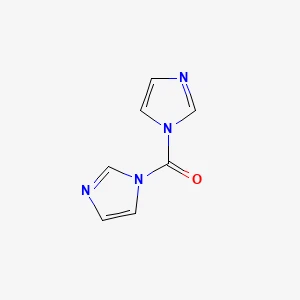
![1,1'-Carbonyldiimidazole丨CAS 530-62-1]() 1,1'-Carbonyldiimidazole丨CAS 530-62-1Catalog No.: SS080884read more
1,1'-Carbonyldiimidazole丨CAS 530-62-1Catalog No.: SS080884read more
CAS No.: 530-62-1
Assay(T): 98%min
Product Name:... -
![Palladium丨CAS 7440-05-3]() Palladium丨CAS 7440-05-3Catalog No.: SS067788read more
Palladium丨CAS 7440-05-3Catalog No.: SS067788read more
CAS No.: 7440-05-3
Assay(Pd): 10% Pd/C on dry basis.
Product Name:... -
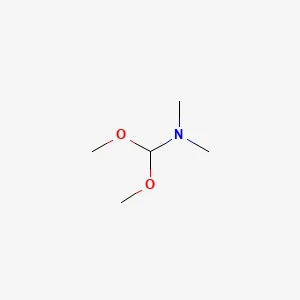
![N,N-Dimethylformamide Dimethyl Acetal丨CAS 4637-24-5]() N,N-Dimethylformamide Dimethyl Acetal丨CAS 4637-24-5Catalog No.: SS036295read more
N,N-Dimethylformamide Dimethyl Acetal丨CAS 4637-24-5Catalog No.: SS036295read more
CAS No.: 4637-24-5
Assay: 98%min
Product Name: N,N-Dimethylformamide...



Send Inquiry