


Catalog No.: SS137339
CAS No.: 14698-29-4
Assay: 98% to 102%
Product Name: Oxolinic acid
Molecular Formula: C13H11NO5
Molecular Weight: 261.23
Synonym(s):...
Product Introduction
Bactericides are agrochemicals designed to kill or inhibit harmful bacteria that can damage crops. By preventing bacterial infections, they help protect plants and improve yield quality. Whether used during the growing season or post-harvest, bactericides ensure healthier crops, reducing the risk of plant diseases that can cause significant agricultural losses.
-
![Oxolinic Acid丨CAS 14698-29-4]()
-
![Fluazinam丨CAS 79622-59-6]() Fluazinam丨CAS 79622-59-6Catalog No.: SS136948read more
Fluazinam丨CAS 79622-59-6Catalog No.: SS136948read more
CAS No.: 79622-59-6
Content: 98.0% min
Product Name: Fluazinam
Molecular Formula: C13H4Cl2F6N4O4
Molecular Weight: 465.09 -
![Triadimefon丨CAS 43121-43-3]() Triadimefon丨CAS 43121-43-3Catalog No.: SS132582read more
Triadimefon丨CAS 43121-43-3Catalog No.: SS132582read more
CAS No.: 43121-43-3
Assay: 97.0%min.
Product Name: Triadimefon
Molecular Formula: C14H16ClN3O2
Molecular Weight: 293.75
Synonym(s):... -
![1,2-Benzenediamine丨CAS 95-54-5]() 1,2-Benzenediamine丨CAS 95-54-5Catalog No.: SS000577read more
1,2-Benzenediamine丨CAS 95-54-5Catalog No.: SS000577read more
CAS No.: 95-54-5
Purity: 99.5%min
Product Name: 1,2-Benzenediamine
Molecular Formula: C6H8N2
Molecular Weight: 108.14
Synonym(s): o-Phenylenediamine; 1,2-Diaminobenzene -
![Zinc Bis Dimethyldithiocarbamate丨CAS 137-30-4]() Zinc Bis Dimethyldithiocarbamate丨CAS 137-30-4Catalog No.: SS113681read more
Zinc Bis Dimethyldithiocarbamate丨CAS 137-30-4Catalog No.: SS113681read more
CAS No.: 137-30-4
Zn: 20.5-22%
Product Name: Zinc bis dimethyldithiocarbamate
Molecular Formula: C6H12N2S4Zn
Molecular Weight: 305.80
Synonym(s): Ziram -
![Tebuconazole丨CAS 107534-96-3]() Tebuconazole丨CAS 107534-96-3Catalog No.: SS132275read more
Tebuconazole丨CAS 107534-96-3Catalog No.: SS132275read more
CAS No.: 107534-96-3
Content: 97% min
Product Name: Tebuconazole
Certificate: ISO9001; ISO14001
Molecular Formula: C16H22ClN3O
Molecular Weight: 307.82
Synonym(s):... -
![Chlorothalonil丨CAS 1897-45-6]() Chlorothalonil丨CAS 1897-45-6Catalog No.: SS130052read more
Chlorothalonil丨CAS 1897-45-6Catalog No.: SS130052read more
CAS No.: 1897-45-6
Assay: 98.0% min
Product Name: Chlorothalonil
Molecular Formula: C8Cl4N2
Molecular Weight: 265.91
Synonym(s): Tetrachloroisophthalodinitrile -
![Zinc Pyrithione丨CAS 13463-41-7]() Zinc Pyrithione丨CAS 13463-41-7Catalog No.: SS119173read more
Zinc Pyrithione丨CAS 13463-41-7Catalog No.: SS119173read more
CAS No.: 13463-41-7
Assay: 48-50%
Product Name: Zinc pyrithione
Certificate: ISO9001; ISO14001
Molecular Formula: 2(C5H4NOS).Zn
Molecular Weight: 317.69 -
![1,2-Propanediol丨CAS 57-55-6]() 1,2-Propanediol丨CAS 57-55-6Catalog No.: SS125785read more
1,2-Propanediol丨CAS 57-55-6Catalog No.: SS125785read more
CAS No.: 57-55-6
Grade: USP
Product Name: 1,2-Propanediol
Molecular Formula: C3H8O2
Molecular Weight: 76.09
Synonym(s): Propane-1,2-diol; Propylene glycol -
![Prochloraz丨CAS 67747-09-5]() Prochloraz丨CAS 67747-09-5Catalog No.: SS012385read more
Prochloraz丨CAS 67747-09-5Catalog No.: SS012385read more
CAS No.: 67747-09-5
Assay: 97%min
Product Name: Prochloraz
Molecular Formula: C15H16Cl3N3O2
Molecular Weight: 376.67
Synonym(s):... -
![Fenhexamid丨CAS 126833-17-8]() Fenhexamid丨CAS 126833-17-8Catalog No.: SS005939read more
Fenhexamid丨CAS 126833-17-8Catalog No.: SS005939read more
CAS No.: 126833-17-8
Assay: 98%min
Product Name: Fenhexamid
Molecular Formula: C14H17Cl2NO2
Molecular Weight: 302.2
Synonym(s):... -
![Bitertanol丨CAS 55179-31-2]() Bitertanol丨CAS 55179-31-2Catalog No.: SS017525read more
Bitertanol丨CAS 55179-31-2Catalog No.: SS017525read more
CAS No.: 55179-31-2
Assay: 95%min
Product Name: Bitertanol
Molecular Formula: C20H23N3O2
Molecular Weight: 337.42


Product Advantages And Features
Effective Disease Control
Bactericides target harmful bacteria, preventing the spread of infections that can damage crops.
Increased Crop Yields
By protecting plants from bacterial diseases, they contribute to healthier growth and higher harvest volumes.
Safe for Crops
Formulated to be non-toxic to plants, bactericides are safe for use on a variety of crops without harming their development.
Easy Application
Available in various forms like sprays or solutions, bactericides are easy to apply, fitting seamlessly into existing farm practices.
Post-Harvest Protection
Bactericides continue to protect crops after harvest, extending shelf life and reducing spoilage.
Product Type
Organic Bactericides
Derived from natural ingredients, these bactericides are eco-friendly and suitable for organic farming practices.
Inorganic Bactericides
Made from chemical compounds, these offer quick and powerful protection, ideal for large-scale farming and high-risk crops.
Systemic Bactericides
Absorbed into the plant's system, these provide long-term protection by preventing bacterial infections from within.
Contact Bactericides
These act on the surface of plants, killing bacteria on contact without being absorbed, providing immediate external protection.
Application Of The Product
Crop Protection
Bactericides are applied during the growing season to prevent or treat bacterial diseases, keeping crops healthy and productive.
Post-Harvest Treatment
Used after harvest to extend the shelf life of fruits, vegetables, and grains by preventing bacterial spoilage.
Greenhouse and Indoor Farming
Commonly applied in controlled environments like greenhouses to prevent bacterial outbreaks in high-density planting.
Material Of The Product
The effectiveness of bactericides relies on carefully selected materials, each contributing to the product's ability to control bacterial growth:
1. Active Ingredients
These are the core components, such as quaternary ammonium compounds, chlorine, or copper-based agents, responsible for directly targeting and killing bacteria.
2. Stabilizers
Stabilizers help maintain the chemical balance of the bactericide, ensuring long-term potency and effectiveness.
3. Solvents
Commonly water or alcohol, solvents dissolve the active ingredients, allowing for even distribution and easy application across surfaces or crops.
4. Surfactants
These agents improve the spread of bactericides on surfaces, enhancing contact with bacteria and boosting the overall efficacy.
5. Inert Ingredients
These are inactive compounds that support the overall formulation, such as binding agents or carriers, that ensure stability without altering the product's function.
Production Process Or Procedure
The production of bactericides follows a meticulous process to ensure both efficacy and safety:
Research & Development
Experts identify active ingredients that effectively target harmful bacteria while ensuring safety for humans, animals, and plants.
Formulation
The active ingredients are carefully blended with stabilizers and solvents to create a balanced formula that maximizes the bactericide's effectiveness.
Quality Control Testing
Each batch undergoes rigorous testing to confirm its potency, stability, and compliance with safety standards, ensuring it delivers consistent results.
Sterile Manufacturing
Bactericides are produced in sterile environments to prevent contamination and maintain product integrity during the manufacturing process.
Packaging
Once tested and approved, the bactericide is packaged in airtight containers to preserve its effectiveness. Clear labeling includes detailed usage instructions and safety guidelines.
Components Of The Product
Active Agents
Core antibacterial ingredients, such as copper compounds or plant-derived extracts.
Stabilizers
Maintain the product's effectiveness during storage and use.
Carriers
Ensure the even distribution of the bactericide when applied to plants.
Surfactants
Enhance the spread of the product over the plant's surface for maximum coverage.
Product Maintenance And Precautions
Proper Storage
Keep bactericides in a cool, dry place, away from direct sunlight to maintain their potency.
Correct Dosage
Always follow the recommended application rates to ensure crop safety and effectiveness.
Personal Protection
Use gloves and protective clothing when applying bactericides to prevent skin contact.
Monitor Expiration
Check expiration dates regularly, as outdated products may lose their effectiveness.
Company Advantages
Our Focus on Quality & Customer Experience
We dedicate to delivering high-quality products and exceptional customer service beyond your expectation.
Comprehensive Product Range
Extensive catalog of over 27,000 chemicals for diverse industries, offering both standard compounds and specialized solutions.
Strong Industry Expertise
Our experienced diverse team provides expert guidance, staying current with industry trends to deliver optimal chemical solutions tailored to your needs.
Competitive Pricing & Reliability
Competitive pricing and reliable deliveries ensure cost-effective, efficient supply chains without compromising quality.
How To Collaborate With Us
Partnering with LEAPChem gives you access to the expertise of a leading company with 18 years of experience in the chemical industry. We offer over 27,000 chemical substances tailored to meet diverse needs. All our products adhere to industry standards and are accompanied by the necessary certifications.
We collaborate with a wide range of partners, including:
• Research Laboratories
• Pharmaceutical Companies
• Cosmetics Manufacturers
• Electronics Manufacturers
• Chemical Manufacturers
• Universities and Colleges Worldwide
• And more.
We specialize in helping our clients find the right chemical solutions tailored to their specific requirements. Additionally, we provide custom synthesis services to meet the unique needs of our partners. Whether you need bulk quantities for industrial processes or small batches for specialized applications, we've got you covered.
If you are looking for a reliable chemical supplier, we would be delighted to hear from you. Please send your inquiry or project details to sales@leapchem.com. Our professional team is eager to collaborate with you and help achieve your goals.
FAQ
Q: What are bactericides used for?
A: Bactericides are used to control and prevent bacterial infections in crops, helping to protect plants from harmful bacteria that can damage or destroy them.
Q: How do bactericides work?
A: Bactericides work by killing bacteria or inhibiting their growth on plants, preventing the spread of bacterial diseases that can weaken or kill crops.
Q: Are bactericides safe for crops?
A: Yes, bactericides are specifically formulated to target bacteria without harming the crops. However, they should always be applied according to label instructions to ensure safety.
Q: Can bactericides be used in organic farming?
A: Some bactericides, like those derived from natural ingredients (e.g., plant extracts), are approved for organic farming. It's important to choose organic-certified products.
Q: What types of crops can bactericides be used on?
A: Bactericides can be used on a wide range of crops, including fruits, vegetables, grains, and ornamental plants. Always check the product label for crop-specific guidance.
Q: How are bactericides applied?
A: Bactericides can be applied as sprays, dusts, or drenches, depending on the product and the crop. They can be used both during the growing season and post-harvest to prevent bacterial infections.
Q: What is the difference between bactericides and fungicides?
A: Bactericides target bacterial infections in plants, while fungicides are used to combat fungal diseases. Both protect crops, but they are designed for different types of pathogens.
Q: Can bactericides harm beneficial bacteria?
A: Bactericides may affect non-target bacteria, including beneficial ones, depending on the product. It's important to use them carefully and only when necessary to avoid disrupting beneficial microbial activity in the soil.
Q: How often should bactericides be applied?
A: The frequency of application depends on the crop, the type of bactericide, and the level of bacterial threat. Follow the product's recommended schedule for effective protection.
Q: Are there any environmental concerns with using bactericides?
A: If used improperly, bactericides can impact the environment, including soil health and water systems. It's important to follow application guidelines to minimize environmental impact.
Q: Can bactericides be mixed with other agrochemicals?
A: Some bactericides can be mixed with other agrochemicals like fungicides or fertilizers, but it's essential to check the compatibility on the product label to avoid negative reactions.
Q: Do bactericides leave residues on crops?
A: ome bactericides can leave minimal residues, which typically degrade over time. Products approved for food crops are subject to strict regulations to ensure safety for consumption.
Q: What's the difference between systemic and contact bactericides?
A: Systemic bactericides are absorbed into the plant and provide long-term protection from within, while contact bactericides act on the surface, killing bacteria upon direct contact.
Q: Can bactericides prevent bacterial diseases or only treat them?
A: Bactericides can both prevent and treat bacterial infections. Preventative use is common in areas where bacterial outbreaks are likely or have occurred in the past.
Q: Are there natural alternatives to synthetic bactericides?
A: Yes, natural or organic bactericides, such as those derived from plant oils or other natural substances, are available. These are often used in organic farming or environmentally-conscious practices.
Q: What are the signs that my crop needs bactericides?
A: Signs of bacterial infections in crops include leaf spots, wilting, discoloration, or unusual growths. If these symptoms appear, bactericides can help control the infection.
Q: Can bactericides be used post-harvest?
A: Yes, some bactericides are formulated for post-harvest use, helping to extend the shelf life of fruits, vegetables, and grains by preventing bacterial spoilage.
Q: What is the shelf life of bactericides?
A: Most bactericides have a shelf life of one to three years. Be sure to store them in a cool, dry place and check expiration dates before use.
Q: What precautions should I take when handling bactericides?
A: Always wear protective gloves, eyewear, and clothing when handling bactericides. Follow the product's safety instructions to avoid skin or eye contact, and store them out of reach of children and pets.
Q: How can I dispose of unused or expired bactericides?
A: Dispose of unused or expired bactericides according to local hazardous waste disposal guidelines. Never pour them down drains or throw them in regular trash, as they can contaminate soil and water.
Hangzhou Leap Chem Co., Ltd. is well-known as one of the leading bactericides manufacturers and suppliers in China, also supports custom service. We warmly welcome you to wholesale bulk high quality bactericides from our factory.
bactericidesPopular Products
-
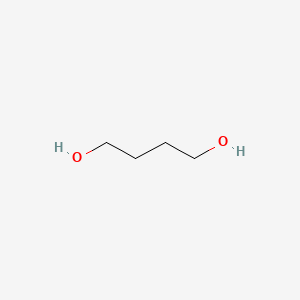
![1,4-Butanediol丨CAS 110-63-4]() 1,4-Butanediol丨CAS 110-63-4CAS No.: 110-63-4read more
1,4-Butanediol丨CAS 110-63-4CAS No.: 110-63-4read more
Product Name: 1,4-Butanediol
Molecular Formula: C4H10O2
Molecular Weight:... -
![FDCA丨CAS 3238-40-2]() FDCA丨CAS 3238-40-2Catalog No.: SS098300read more
FDCA丨CAS 3238-40-2Catalog No.: SS098300read more
CAS No.: 3238-40-2
Purity(HPLC): 99.9%min.
Product Name:... -
![Sodium Dodecyl Sulfate丨CAS 151-21-3]() Sodium Dodecyl Sulfate丨CAS 151-21-3CAS No.: 151-21-3read more
Sodium Dodecyl Sulfate丨CAS 151-21-3CAS No.: 151-21-3read more
Assay/Grade: EP11/99%min/95%min/CP2020
Product Name: Sodium dodecyl... -
![Glycerol丨CAS 56-81-5]() Glycerol丨CAS 56-81-5CAS No.: 56-81-5read more
Glycerol丨CAS 56-81-5CAS No.: 56-81-5read more
Grade: API/Injection/Pharmaceutical/Food/Industrial
Product Name:... -
![Cesium Carbonate丨CAS 534-17-8]() Cesium Carbonate丨CAS 534-17-8CAS No.: 534-17-8read more
Cesium Carbonate丨CAS 534-17-8CAS No.: 534-17-8read more
Assay: 99.9%min
Product Name: Cesium carbonate
Molecular Formula: Cs2CO3... -
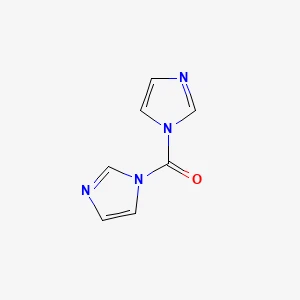
![1,1'-Carbonyldiimidazole丨CAS 530-62-1]() 1,1'-Carbonyldiimidazole丨CAS 530-62-1Catalog No.: SS080884read more
1,1'-Carbonyldiimidazole丨CAS 530-62-1Catalog No.: SS080884read more
CAS No.: 530-62-1
Assay(T): 98%min
Product Name:... -
![Palladium丨CAS 7440-05-3]() Palladium丨CAS 7440-05-3Catalog No.: SS067788read more
Palladium丨CAS 7440-05-3Catalog No.: SS067788read more
CAS No.: 7440-05-3
Assay(Pd): 10% Pd/C on dry basis.
Product Name:... -
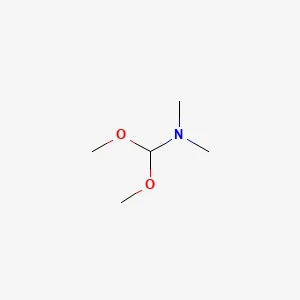
![N,N-Dimethylformamide Dimethyl Acetal丨CAS 4637-24-5]() N,N-Dimethylformamide Dimethyl Acetal丨CAS 4637-24-5Catalog No.: SS036295read more
N,N-Dimethylformamide Dimethyl Acetal丨CAS 4637-24-5Catalog No.: SS036295read more
CAS No.: 4637-24-5
Assay: 98%min
Product Name: N,N-Dimethylformamide...



Send Inquiry