


Catalog No.: SS140992
CAS No.: 53-84-9
Purity (HPLC): 99.0% min
Product Name: beta-NAD
Certificate: Halal; Kosher
Molecular Formula: C21H27N7O14P2
Molecular Weight: 663.43
Synonym(s):...
Product Introduction
Nutrient additives are essential compounds added to food to enhance its nutritional value and prevent deficiencies. These include vitamins, minerals, amino acids, and essential fatty acids, which help support overall health, growth, and metabolic functions. Common examples include vitamin D in milk, iron in cereals, and omega-3 fatty acids in fortified foods. Used widely in functional foods, dietary supplements, and infant nutrition, nutrient additives help maintain balanced diets and address specific health concerns. Regulatory bodies like the FDA and EFSA ensure their safety, efficacy, and appropriate usage in food products.
-
![Beta-NAD丨CAS 53-84-9]()
-
![Grape Seed Extract丨CAS 84929-27-1]() Grape Seed Extract丨CAS 84929-27-1Catalog No.: SS049554read more
Grape Seed Extract丨CAS 84929-27-1Catalog No.: SS049554read more
CAS No.: 84929-27-1
Proanthocyanidins: 95%min(OPC)
Product Name: Grape Seed Extract
Molecular Formula: C30H12O6
Molecular Weight: 468.42 -
![Calcium Levomefolate丨CAS 151533-22-1]() Calcium Levomefolate丨CAS 151533-22-1Catalog No.: SS093712read more
Calcium Levomefolate丨CAS 151533-22-1Catalog No.: SS093712read more
CAS No.: 151533-22-1
Grade: USP40
Product Name: Calcium levomefolate
Molecular Formula: C20H23CaN7O6
Molecular Weight: 497.52 -
![Collagen丨CAS 9064-67-9]() Collagen丨CAS 9064-67-9Catalog No.: SS134657read more
Collagen丨CAS 9064-67-9Catalog No.: SS134657read more
CAS No.: 9064-67-9
Grade/Undenatured collagen Type II: Food Grade/15.0g/100g min
Product Name: Collagen
Molecular Formula: C4H6N2O3R2.(C7H9N2O2R)n -
![Etidronate Disodium丨CAS 7414-83-7]() Etidronate Disodium丨CAS 7414-83-7Catalog No.: SS136178read more
Etidronate Disodium丨CAS 7414-83-7Catalog No.: SS136178read more
CAS No.: 7414-83-7
Content: 98.0%~101.0%
Product Name: Etidronate disodium
Molecular Formula: C2H6Na2O7P2
Molecular Weight: 249.99
Synonym(s): Didronel; Sodium... -
![Theacrine丨CAS 2309-49-1]() Theacrine丨CAS 2309-49-1Catalog No.: SS136888read more
Theacrine丨CAS 2309-49-1Catalog No.: SS136888read more
CAS No.: 2309-49-1
Purity: 98.0% min
Product Name: Theacrine
Molecular Formula: C9H12N4O3
Molecular Weight: 224.22
Synonym(s): 1,3,7,9-Tetramethyluric acid -
![Arginine Aspartate丨CAS 7675-83-4]() Arginine Aspartate丨CAS 7675-83-4Catalog No.: SS125725read more
Arginine Aspartate丨CAS 7675-83-4Catalog No.: SS125725read more
CAS No.: 7675-83-4
Grade/Assay: AJI92/98.5% to 101%
Product Name: Arginine aspartate
Molecular Formula: C6H14N4O2.C4H7NO4
Molecular Weight: 307.31
Synonym(s): L-Arginine... -
![2,6-Dimethyl-4-heptanone丨CAS 108-83-8]() 2,6-Dimethyl-4-heptanone丨CAS 108-83-8Catalog No.: SS133242read more
2,6-Dimethyl-4-heptanone丨CAS 108-83-8Catalog No.: SS133242read more
CAS No.: 108-83-8
DIBK: 96%min
Product Name: 2,6-Dimethyl-4-heptanone
Molecular Formula: C9H18O
Molecular Weight: 142.24
Synonym(s): Diisobutyl ketone; Isovalerone -
![Magnesium L-lactate Trihydrate丨CAS 18917-93-6]() Magnesium L-lactate Trihydrate丨CAS 18917-93-6Catalog No.: SS132133read more
Magnesium L-lactate Trihydrate丨CAS 18917-93-6Catalog No.: SS132133read more
CAS No.: 18917-93-6
Grade: EP 8.0
Product Name: Magnesium L-lactate trihydrate
Molecular Formula: 2(C3H5O3).Mg.3(H2O)
Molecular Weight: 256.49
Synonym(s): L-Lactic acid... -
![Magnesium Oratate丨CAS 34717-03-8]() Magnesium Oratate丨CAS 34717-03-8Catalog No.: SS087859read more
Magnesium Oratate丨CAS 34717-03-8Catalog No.: SS087859read more
CAS No.: 34717-03-8
Assay(dry basis): 98.0 to 101.0%
Product Name: Magnesium oratate
Molecular Formula: C10H6MgN4O8
Molecular Weight: 334.48
Synonym(s):... -
![β-Carotene丨CAS 7235-40-7]() β-Carotene丨CAS 7235-40-7Catalog No.: SS097662read more
β-Carotene丨CAS 7235-40-7Catalog No.: SS097662read more
CAS No.: 7235-40-7
Grade: USP2022/EP9.6
Product Name: β-Carotene
Molecular Formula: C40H56
Molecular Weight: 536.88
Synonym(s): Carotene -
![Myo-Inositol丨CAS 87-89-8]() Myo-Inositol丨CAS 87-89-8Catalog No.: SS130152read more
Myo-Inositol丨CAS 87-89-8Catalog No.: SS130152read more
CAS No.: 87-89-8
Grade: EP11.4
Product Name: myo-Inositol
Molecular Formula: C6H12O6
Molecular Weight: 180.16


Product advantages and features
Prevent Nutrient Deficiencies
Nutrient additives help fortify food with essential vitamins and minerals, reducing the risk of deficiencies (e.g., iron in cereals, vitamin D in milk) and supporting overall health.
Promote Optimal Health
Additives like omega-3 fatty acids and fiber contribute to heart health, digestive health, and immune function, enhancing the nutritional profile of food products.
Support Special Diets
They are particularly beneficial for individuals with specific dietary needs or health conditions, providing essential nutrients in low-sodium, low-fat, or gluten-free foods.
Improve Public Health
Fortification programs, like iodized salt or vitamin A supplementation, play a key role in reducing the prevalence of public health issues, such as goiter or night blindness, in populations.
Enhance Functional Foods
Nutrient additives are used in functional foods that not only meet basic nutritional needs but also provide additional health benefits, such as boosting immunity or improving cognitive function.
Product type
Vitamins
Added to foods to prevent deficiencies and support immune function, energy production, and bone health. Common examples include Vitamin A, Vitamin D, Vitamin C, and B vitamins.
Minerals
Essential for various bodily functions, minerals like calcium, iron, zinc, and iodine are added to foods to enhance bone health, blood circulation, and thyroid function.
Amino Acids
Key components of protein synthesis, amino acids like lysine and methionine are added to foods to support muscle growth, tissue repair, and overall metabolism.
Fatty Acids
Omega-3 and Omega-6 fatty acids are added to foods to support heart health, reduce inflammation, and improve brain function.
Dietary Fiber
Soluble and insoluble fibers are added to products like cereals and breads to promote digestive health and regulate blood sugar levels.
Antioxidants
Vitamin E, selenium, and other antioxidants are added to foods to protect cells from oxidative damage, supporting overall health and immune function.
Probiotics & Prebiotics
Added to foods to support gut health and digestive balance, with probiotics like Lactobacillus and prebiotics like inulin improving intestinal flora.
Application of the product
Animal Feed: Nutrient additives are used in animal feed to improve the nutritional content, promoting growth, health, and productivity in livestock.
Agriculture: These additives are incorporated into fertilizers to enhance soil fertility, boost plant growth, and increase crop yield.
Food and Beverages: Nutrient additives are used in food products to fortify them with essential vitamins, minerals, and other nutrients for better nutritional value.
Supplements: They are used in dietary supplements to ensure that individuals receive adequate nutrients, supporting overall health and addressing deficiencies.
Cosmetics: Nutrient additives, such as vitamins and minerals, are used in cosmetic formulations to nourish and protect the skin and hair.
Pharmaceuticals: Nutrient additives are used in the formulation of medications to enhance their efficacy and provide essential nutrients for recovery.
Pet Foods: These additives are used to enhance the nutritional content of pet food, ensuring pets receive a balanced diet for optimal health.
Sports Nutrition: Nutrient additives are used in sports nutrition products to support energy, endurance, muscle recovery, and overall athletic performance.
Company advantages
Our Focus on Quality & Customer Experience
We dedicate to delivering high-quality products and exceptional customer service beyond your expectation.
Comprehensive Product Range
Extensive catalog of over 27,000 chemicals for diverse industries, offering both standard compounds and specialized solutions.
Strong Industry Expertise
Our experienced diverse team provides expert guidance, staying current with industry trends to deliver optimal chemical solutions tailored to your needs.
Competitive Pricing & Reliability
Competitive pricing and reliable deliveries ensure cost-effective, efficient supply chains without compromising quality.
How to collaborate with us
Partnering with LEAPChem gives you access to the expertise of a leading company with 18 years of experience in the chemical industry. We offer over 27,000 chemical substances tailored to meet diverse needs. All our products adhere to industry standards and are accompanied by the necessary certifications.
We collaborate with a wide range of partners, including:
• Research Laboratories
• Pharmaceutical Companies
• Cosmetics Manufacturers
• Electronics Manufacturers
• Chemical Manufacturers
• Universities and Colleges Worldwide
• And more.
We specialize in helping our clients find the right chemical solutions tailored to their specific requirements. Additionally, we provide custom synthesis services to meet the unique needs of our partners. Whether you need bulk quantities for industrial processes or small batches for specialized applications, we’ve got you covered.
If you are looking for a reliable chemical supplier, we would be delighted to hear from you. Please send your inquiry or project details to sales@leapchem.com. Our professional team is eager to collaborate with you and help achieve your goals.
FAQ
Q: What are nutrient additives?
A: Nutrient additives are substances added to food, beverages, or animal feed to enhance their nutritional value by providing essential vitamins, minerals, amino acids, or other nutrients.
Q: Why are nutrient additives used in food?
A: Nutrient additives are used to fortify food with essential nutrients that may be lacking, improve overall health, prevent deficiencies, and support proper bodily functions.
Q: Are nutrient additives safe?
A: Nutrient additives are generally considered safe when used according to the guidelines set by regulatory bodies such as the FDA and EFSA. They undergo thorough testing before being approved for use in food and supplements.
Q: Can nutrient additives help with deficiencies?
A: Yes, nutrient additives are often used to address deficiencies in essential nutrients, such as Vitamin D, iron, calcium, and folic acid, ensuring individuals get the necessary nutrients for optimal health.
Q: What are some examples of nutrient additives?
A: Examples include vitamins (like Vitamin C, Vitamin A, B-vitamins), minerals (like iron, zinc, calcium), amino acids, and fatty acids (like omega-3).
Q: How do nutrient additives benefit health?
A: Nutrient additives help improve overall health by supporting immune function, bone health, energy production, cognitive function, and many other physiological processes.
Q: Are nutrient additives only used in food?
A: While nutrient additives are commonly used in food, they are also found in supplements, animal feed, cosmetics, and pharmaceuticals to provide essential nutrients for better health and performance.
Q: Can nutrient additives improve the taste of food?
A: Nutrient additives like salt (sodium), sugar, and sweeteners can enhance the taste of food, but many additives, especially vitamins and minerals, do not significantly affect flavor.
Q: Are nutrient additives the same as preservatives?
A: No, nutrient additives are different from preservatives. Nutrient additives aim to enhance the nutritional content of food, while preservatives are used to extend shelf life and prevent spoilage.
Q: Can I get too many nutrient additives?
A: While nutrient additives are beneficial, excessive intake of certain nutrients, such as vitamin A or iron, can lead to toxicity or health complications. It's important to consume them in balanced amounts.
Q: Are nutrient additives used in organic food?
A: Organic food standards allow the use of some nutrient additives, but they must be approved and meet specific organic certification criteria. Organic products typically limit the use of synthetic nutrient additives.
Q: How can I tell if a food product contains nutrient additives?
A: Nutrient additives are listed on the ingredient label of packaged food, often under their specific names or as fortified nutrients (e.g., "fortified with calcium" or "vitamin D").
Q: Do nutrient additives affect the texture or appearance of food?
A: Some nutrient additives, like calcium or phosphates, can affect the texture or consistency of food, but most do not significantly alter the appearance of food unless they are used as coloring agents or thickeners.
Q: How do nutrient additives help with athletic performance?
A: Nutrient additives like amino acids, creatine, B-vitamins, and electrolytes support muscle recovery, endurance, hydration, and overall energy levels, helping athletes perform at their best.
Q: Are nutrient additives used in animal feed?
A: Yes, nutrient additives are commonly used in animal feed to ensure that animals receive the necessary nutrients for growth, reproduction, and overall health, improving productivity and meat quality.
Hangzhou Leap Chem Co., Ltd. is well-known as one of the leading nutrient additives manufacturers and suppliers in China, also supports custom service. We warmly welcome you to wholesale bulk high quality nutrient additives from our factory.
nutrient additivesPopular Products
-
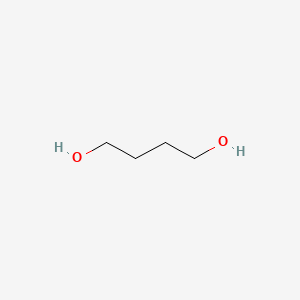
![1,4-Butanediol丨CAS 110-63-4]() 1,4-Butanediol丨CAS 110-63-4CAS No.: 110-63-4read more
1,4-Butanediol丨CAS 110-63-4CAS No.: 110-63-4read more
Product Name: 1,4-Butanediol
Molecular Formula: C4H10O2
Molecular Weight:... -
![FDCA丨CAS 3238-40-2]() FDCA丨CAS 3238-40-2Catalog No.: SS098300read more
FDCA丨CAS 3238-40-2Catalog No.: SS098300read more
CAS No.: 3238-40-2
Purity(HPLC): 99.9%min.
Product Name:... -
![Sodium Dodecyl Sulfate丨CAS 151-21-3]() Sodium Dodecyl Sulfate丨CAS 151-21-3CAS No.: 151-21-3read more
Sodium Dodecyl Sulfate丨CAS 151-21-3CAS No.: 151-21-3read more
Assay/Grade: EP11/99%min/95%min/CP2020
Product Name: Sodium dodecyl... -
![Glycerol丨CAS 56-81-5]() Glycerol丨CAS 56-81-5CAS No.: 56-81-5read more
Glycerol丨CAS 56-81-5CAS No.: 56-81-5read more
Grade: API/Injection/Pharmaceutical/Food/Industrial
Product Name:... -
![Cesium Carbonate丨CAS 534-17-8]() Cesium Carbonate丨CAS 534-17-8CAS No.: 534-17-8read more
Cesium Carbonate丨CAS 534-17-8CAS No.: 534-17-8read more
Assay: 99.9%min
Product Name: Cesium carbonate
Molecular Formula: Cs2CO3... -
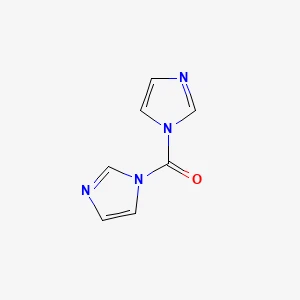
![1,1'-Carbonyldiimidazole丨CAS 530-62-1]() 1,1'-Carbonyldiimidazole丨CAS 530-62-1Catalog No.: SS080884read more
1,1'-Carbonyldiimidazole丨CAS 530-62-1Catalog No.: SS080884read more
CAS No.: 530-62-1
Assay(T): 98%min
Product Name:... -
![Palladium丨CAS 7440-05-3]() Palladium丨CAS 7440-05-3Catalog No.: SS067788read more
Palladium丨CAS 7440-05-3Catalog No.: SS067788read more
CAS No.: 7440-05-3
Assay(Pd): 10% Pd/C on dry basis.
Product Name:... -
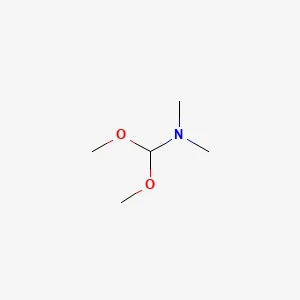
![N,N-Dimethylformamide Dimethyl Acetal丨CAS 4637-24-5]() N,N-Dimethylformamide Dimethyl Acetal丨CAS 4637-24-5Catalog No.: SS036295read more
N,N-Dimethylformamide Dimethyl Acetal丨CAS 4637-24-5Catalog No.: SS036295read more
CAS No.: 4637-24-5
Assay: 98%min
Product Name: N,N-Dimethylformamide...


Send Inquiry