


Catalog No.: SS098300
CAS No.: 3238-40-2
Purity(HPLC): 99.9%min.
Product Name: 2,5-Furandicarboxylic acid
Certificates: ISO/REACH/USDA
Molecular Formula: C6H4O5
Molecular Weight: 156.09...
Product Introduction
Catalysts & Auxiliaries are essential chemicals that facilitate or enhance chemical reactions across various industries. From speeding up processes to improving product efficiency, these substances are critical in manufacturing, refining, water treatment, and coatings.
-
![FDCA丨CAS 3238-40-2]()
-
![Sodium Dodecyl Sulfate丨CAS 151-21-3]() Sodium Dodecyl Sulfate丨CAS 151-21-3CAS No.: 151-21-3read more
Sodium Dodecyl Sulfate丨CAS 151-21-3CAS No.: 151-21-3read more
Assay/Grade: EP11/99%min/95%min/CP2020
Product Name: Sodium dodecyl sulfate
Molecular Formula: C12H25NaO4S
Molecular Weight: 288.38
Synonym(s): Sodium dodecylsulfate -
![Palladium丨CAS 7440-05-3]() Palladium丨CAS 7440-05-3Catalog No.: SS067788read more
Palladium丨CAS 7440-05-3Catalog No.: SS067788read more
CAS No.: 7440-05-3
Assay(Pd): 10% Pd/C on dry basis.
Product Name: Palladium
Certifications: ISO9001
Molecular Formula: Pd
Molecular Weight: 106.42
Synonym(s): Pd;... -
![Tetrakis(triphenylphosphine)palladium丨CAS 14221-01-3]() Tetrakis(triphenylphosphine)palladium丨CAS 14221-01-3Catalog No.: SS118525read more
Tetrakis(triphenylphosphine)palladium丨CAS 14221-01-3Catalog No.: SS118525read more
CAS No.: 14221-01-3
Purity: 99%min Pd: 9.2%min
Product Name: Tetrakis(triphenylphosphine)palladium
Molecular Formula: C72H60P4Pd
Molecular Weight: 1155.58
Synonym(s):... -
![Trimethylene Carbonate丨CAS 2453-03-4]() Trimethylene Carbonate丨CAS 2453-03-4CAS No.: 2453-03-4read more
Trimethylene Carbonate丨CAS 2453-03-4CAS No.: 2453-03-4read more
Product Name: Trimethylene carbonate
Molecular Formula: C4H6O3
Molecular Weight: 102.09
Synonym(s): 1,3-Dioxan-2-one -
![Poly(D,L-lactide)丨CAS 26023-30-3]() Poly(D,L-lactide)丨CAS 26023-30-3CAS No.: 26023-30-3read more
Poly(D,L-lactide)丨CAS 26023-30-3CAS No.: 26023-30-3read more
Product Name: Poly(D,L-lactide)
Molecular Formula: (C3H4O2)n
Synonym(s): Poly[oxy(1-methyl-2-oxo-1,2-ethanediyl)] -
![Alginic Acid丨CAS 9005-32-7]()
-
![2,5-Bis(aminomethyl)furan (BAMF)丨CAS 2213-51-6]() 2,5-Bis(aminomethyl)furan (BAMF)丨CAS 2213-51-6CAS No.: 2213-51-6read more
2,5-Bis(aminomethyl)furan (BAMF)丨CAS 2213-51-6CAS No.: 2213-51-6read more
Product Name: 2,5-Bis(aminomethyl)furan
Molecular Formula: C6H10N2O
Molecular Weight: 126.16
Synonym(s): BAMF -
![1,4-Phthalaldehyde丨CAS 623-27-8]() 1,4-Phthalaldehyde丨CAS 623-27-8Catalog No.: SS006720read more
1,4-Phthalaldehyde丨CAS 623-27-8Catalog No.: SS006720read more
CAS No.: 623-27-8
Assay(HPLC): 99%min.
Product Name: 1,4-Phthalaldehyde
Molecular Formula: C8H6O2
Molecular Weight: 134.13
Synonym(s): 1,4-Benzenedicarboxaldehyde -
![16,17-Dihydroxyviolanthrene-5,10-dione丨CAS 128-59-6]() 16,17-Dihydroxyviolanthrene-5,10-dione丨CAS 128-59-6Catalog No.: SS146483read more
16,17-Dihydroxyviolanthrene-5,10-dione丨CAS 128-59-6Catalog No.: SS146483read more
CAS No.: 128-59-6
Purity[C-Element Analysis]: 90%min
Product Name: 16,17-Dihydroxyviolanthrene-5,10-dione
Molecular Formula: C34H16O4
Molecular Weight: 488.49 -
![4-Hydroxystyrene丨CAS 2628-17-3]() 4-Hydroxystyrene丨CAS 2628-17-3Catalog No.: SS100768read more
4-Hydroxystyrene丨CAS 2628-17-3Catalog No.: SS100768read more
CAS No.: 2628-17-3
Purity(HPLC): 99%min.
Product Name: 4-Hydroxystyrene
Molecular Formula: C8H8O
Molecular Weight: 120.15
Synonym(s): 4-Vinylphenol; p-Vinylphenol -
![Platinum(0)-1,3-divinyl-1,1,3,3-tetramethyldisiloxane丨CAS 68478-92-2]() Platinum(0)-1,3-divinyl-1,1,3,3-tetramethyldisiloxane丨CAS...Catalog No.: SS141885read more
Platinum(0)-1,3-divinyl-1,1,3,3-tetramethyldisiloxane丨CAS...Catalog No.: SS141885read more
CAS No.: 68478-92-2
Pt: 2.0%±0.05%
Product Name: Platinum(0)-1,3-divinyl-1,1,3,3-tetramethyldisiloxane
Molecular Formula: C8H18OPtSi2
Molecular Weight: 381.48


Product Advantages And Features
Increased Efficiency
Catalysts dramatically speed up chemical reactions, reducing time and energy consumption.
Improved Product Quality
Auxiliaries enhance product stability, appearance, and performance.
Cost Savings
By optimizing processes, these agents help reduce waste and operational costs.
Product Type
Adhesives & Sealants
Provide strong bonding and protection in construction, packaging, and automotive industries.
Catalysts & Auxiliary Agents
Facilitate faster chemical reactions in refining, chemical production, and environmental applications.
Coating Additives
Enhance coatings by improving durability, drying time, and UV resistance.
Resins
Versatile polymers used in adhesives, plastics, and coatings for enhanced strength and flexibility.
Surfactants
Improve cleaning, mixing, and spreading across industries like personal care and agriculture.
Water Treatment Agents
Purify water by removing impurities and killing bacteria, crucial in industrial and municipal water systems.
Application Of The Product
Catalysts & Auxiliaries are applied in industries like:
Manufacturing
Improve product yield and quality.
Water Treatment
Purify water and remove contaminants.
Coating & Paints
Enhance durability, appearance, and protective qualities.
Material Of The Product
The materials used in catalysts and auxiliaries are diverse, designed to enhance or enable chemical reactions and improve the performance of various products. Common materials include:
01/
Metal Catalysts: Precious metals like platinum, palladium, and nickel are used as catalysts in refining, petrochemicals, and automotive applications due to their efficiency in accelerating chemical reactions.
02/
Polymer Additives: Compounds like antioxidants, UV stabilizers, and flame retardants are added to plastics and coatings to enhance durability, heat resistance, and longevity.
03/
Surfactants: Agents such as sodium lauryl sulfate and non-ionic surfactants are used to reduce surface tension, improving the spreadability, mixing, or cleaning properties in products like detergents and emulsifiers.
04/
Enzyme Catalysts: Biological catalysts, like proteases or lipases, are employed in industries like food processing and biofuels, where they accelerate reactions under mild conditions.
05/
Solvents: Organic and inorganic solvents, including water, ethanol, and acetone, are commonly used to dissolve active ingredients in liquid formulations and ensure uniform distribution.
06/
Binders and Fillers: Materials like calcium carbonate or silica are used to provide structural integrity in adhesives and coatings, ensuring even application and consistent performance.
Production Process Or Procedure
Research and Development
The development of catalysts and auxiliary agents begins with in-depth research to identify substances that enhance chemical reactions or improve product performance across various industries. This phase ensures that catalysts are both efficient and environmentally friendly.
Formulation
Catalysts and auxiliaries are formulated with precision to meet the specific needs of the intended application. This includes the careful selection of active components and stabilizers, creating balanced solutions for industries like chemical manufacturing, coatings, and water treatment.
Testing and Approval
Before commercial release, catalysts and auxiliaries undergo rigorous testing to verify their efficacy, stability, and safety. Regulatory bodies and industry standards must be met to ensure safe usage in industrial processes.
Production and Quality Control
The manufacturing process follows strict quality control measures to ensure consistent product performance. Production is carried out in controlled environments to avoid contamination and ensure high purity levels for sensitive applications.
Packaging and Labeling
Catalysts and auxiliary products are packaged in secure, chemical-resistant containers to maintain their effectiveness. Clear labeling provides essential information such as application guidelines, handling instructions, and safety precautions.
Components Of The Product
1. Active Catalysts
The core components responsible for accelerating chemical reactions or enhancing product characteristics, such as metal catalysts, polymer additives, or surfactants.
2. Stabilizers
These substances help maintain the stability of the catalysts or auxiliaries over time, preventing degradation and ensuring consistent performance during storage and use.
3. Carriers
Inert materials or solvents that facilitate the uniform distribution of active agents, especially in liquid or granular formulations.
4. Solvents
Used to dissolve active ingredients, solvents ensure even application and optimal interaction with the intended surfaces or substances.
5. Additives
Additional ingredients that enhance the properties of the main product, such as corrosion inhibitors, emulsifiers, or binding agents, ensuring the auxiliary performs well under varying conditions.
Product Maintenance And Precautions
1
Proper Storage: Store catalysts and auxiliary agents in a cool, dry place, away from moisture, heat, or direct sunlight. Ensure that containers are sealed tightly to prevent degradation and contamination.
2
Expiration Monitoring: Always monitor the expiration date of catalysts and auxiliaries. Over time, their efficacy may decline, leading to reduced performance in industrial processes.
3
Safe Handling: Wear appropriate personal protective equipment (PPE) such as gloves and masks when handling catalysts, particularly if they are in powdered or liquid form. Avoid direct contact with skin or inhalation of fumes.
4
Correct Usage: Follow the manufacturer's usage instructions to ensure the correct dosage or application for your specific industry. Overuse or underuse can affect the efficiency of the chemical process.
5
Disposal of Unused Products: Dispose of unused or expired catalysts and auxiliary agents according to local environmental regulations. Do not pour them down drains or dispose of them with regular waste, as they may harm the environment.
Company Advantages
Our Focus on Quality & Customer Experience
We dedicate to delivering high-quality products and exceptional customer service beyond your expectation.
Comprehensive Product Range
Extensive catalog of over 27,000 chemicals for diverse industries, offering both standard compounds and specialized solutions.
Strong Industry Expertise
Our experienced diverse team provides expert guidance, staying current with industry trends to deliver optimal chemical solutions tailored to your needs.
Competitive Pricing & Reliability
Competitive pricing and reliable deliveries ensure cost-effective, efficient supply chains without compromising quality.
How To Collaborate With Us
Partnering with LEAPChem gives you access to the expertise of a leading company with 18 years of experience in the chemical industry. We offer over 27,000 chemical substances tailored to meet diverse needs. All our products adhere to industry standards and are accompanied by the necessary certifications.
We collaborate with a wide range of partners, including:
• Research Laboratories
• Pharmaceutical Companies
• Cosmetics Manufacturers
• Electronics Manufacturers
• Chemical Manufacturers
• Universities and Colleges Worldwide
• And more.
We specialize in helping our clients find the right chemical solutions tailored to their specific requirements. Additionally, we provide custom synthesis services to meet the unique needs of our partners. Whether you need bulk quantities for industrial processes or small batches for specialized applications, we've got you covered.
If you are looking for a reliable chemical supplier, we would be delighted to hear from you. Please send your inquiry or project details to sales@leapchem.com. Our professional team is eager to collaborate with you and help achieve your goals.
FAQ
Q: What are catalysts used for?
A: Catalysts speed up chemical reactions in processes like refining and chemical manufacturing.
Q: What are auxiliary agents?
A: Auxiliary agents support chemical reactions by stabilizing, promoting, or enhancing outcomes.
Q: Are these products safe for the environment?
A: Many modern catalysts and auxiliaries are designed to be eco-friendly and minimize waste.
Q: How do I store catalysts?
A: Store in cool, dry places, away from direct sunlight or moisture.
Q: What industries use catalysts and auxiliaries?
A: They are used in manufacturing, water treatment, construction, and more.
Q: What is the difference between adhesives and sealants?
A: Adhesives bond materials, while sealants protect surfaces from environmental exposure.
Q: Can catalysts be reused?
A: Some catalysts can be reused, but their effectiveness may reduce over time.
Q: How do surfactants work?
A: Surfactants lower surface tension, improving cleaning and spreading in various products.
Q: Why are resins important in coatings?
A: Resins provide strength, flexibility, and resistance in coatings and adhesives.
Q: What are coating additives?
A: Additives improve the performance of paints and coatings, offering better durability and protection.
Q: What is the role of water treatment agents?
A: These agents purify water by removing impurities and disinfecting for safe use.
Q: Are catalysts hazardous?
A: Proper handling is required as some catalysts can be hazardous in high concentrations.
Q: How are these products manufactured?
A: They are formulated through precise blending and tested to meet industry safety and quality standards.
Q: Can adhesives be used in extreme conditions?
A: Yes, many adhesives are formulated for high or low temperatures and harsh environments.
Q: What is the shelf life of auxiliaries?
A: Most auxiliaries have a defined shelf life, after which their effectiveness may decline.
Hangzhou Leap Chem Co., Ltd. is well-known as one of the leading catalysts & auxiliaries manufacturers and suppliers in China, also supports custom service. We warmly welcome you to wholesale bulk high quality catalysts & auxiliaries from our factory.
Popular Products
-
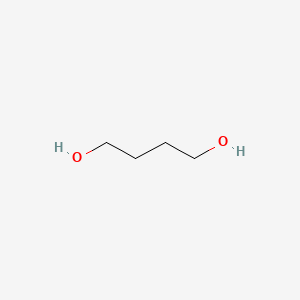
![1,4-Butanediol丨CAS 110-63-4]() 1,4-Butanediol丨CAS 110-63-4CAS No.: 110-63-4read more
1,4-Butanediol丨CAS 110-63-4CAS No.: 110-63-4read more
Product Name: 1,4-Butanediol
Molecular Formula: C4H10O2
Molecular Weight:... -
![FDCA丨CAS 3238-40-2]() FDCA丨CAS 3238-40-2Catalog No.: SS098300read more
FDCA丨CAS 3238-40-2Catalog No.: SS098300read more
CAS No.: 3238-40-2
Purity(HPLC): 99.9%min.
Product Name:... -
![Sodium Dodecyl Sulfate丨CAS 151-21-3]() Sodium Dodecyl Sulfate丨CAS 151-21-3CAS No.: 151-21-3read more
Sodium Dodecyl Sulfate丨CAS 151-21-3CAS No.: 151-21-3read more
Assay/Grade: EP11/99%min/95%min/CP2020
Product Name: Sodium dodecyl... -
![Glycerol丨CAS 56-81-5]() Glycerol丨CAS 56-81-5CAS No.: 56-81-5read more
Glycerol丨CAS 56-81-5CAS No.: 56-81-5read more
Grade: API/Injection/Pharmaceutical/Food/Industrial
Product Name:... -
![Cesium Carbonate丨CAS 534-17-8]() Cesium Carbonate丨CAS 534-17-8CAS No.: 534-17-8read more
Cesium Carbonate丨CAS 534-17-8CAS No.: 534-17-8read more
Assay: 99.9%min
Product Name: Cesium carbonate
Molecular Formula: Cs2CO3... -
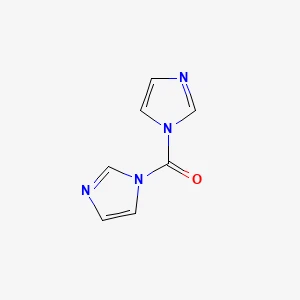
![1,1'-Carbonyldiimidazole丨CAS 530-62-1]() 1,1'-Carbonyldiimidazole丨CAS 530-62-1Catalog No.: SS080884read more
1,1'-Carbonyldiimidazole丨CAS 530-62-1Catalog No.: SS080884read more
CAS No.: 530-62-1
Assay(T): 98%min
Product Name:... -
![Palladium丨CAS 7440-05-3]() Palladium丨CAS 7440-05-3Catalog No.: SS067788read more
Palladium丨CAS 7440-05-3Catalog No.: SS067788read more
CAS No.: 7440-05-3
Assay(Pd): 10% Pd/C on dry basis.
Product Name:... -
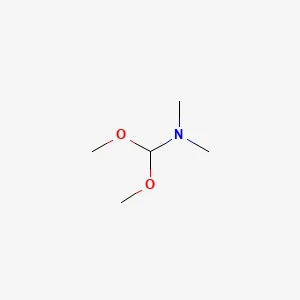
![N,N-Dimethylformamide Dimethyl Acetal丨CAS 4637-24-5]() N,N-Dimethylformamide Dimethyl Acetal丨CAS 4637-24-5Catalog No.: SS036295read more
N,N-Dimethylformamide Dimethyl Acetal丨CAS 4637-24-5Catalog No.: SS036295read more
CAS No.: 4637-24-5
Assay: 98%min
Product Name: N,N-Dimethylformamide...



Send Inquiry