


Catalog No.: SS133781
CAS No.: 520-45-6
Content: 98.0%-100.5%
Product Name: Dehydroacetic acid
Molecular Formula: C8H8O4
Molecular Weight: 168.15
Synonym(s):...
Product Introduction
Food additives are substances added to food to improve its taste, texture, appearance, shelf life, and nutritional value. They include preservatives, colorants, flavor enhancers, emulsifiers, stabilizers, and sweeteners, ensuring food safety, quality, and consistency. Some additives, like antioxidants and antimicrobials, help prevent spoilage and oxidation, while others, such as thickeners and emulsifiers, improve texture and stability. Approved by regulatory bodies like FDA and EFSA, food additives play a crucial role in modern food production, ensuring convenience and enhanced consumer experience.
-
![Dehydroacetic Acid丨CAS 520-45-6]()
-
![Methylparaben丨CAS 99-76-3]() Methylparaben丨CAS 99-76-3Catalog No.: SS140476read more
Methylparaben丨CAS 99-76-3Catalog No.: SS140476read more
CAS No.: 99-76-3
Grade/Assay: EP10.0 /98.0%-102.0%
Product Name: Methylparaben
Certificate: GMP
Molecular Formula: C8H8O3
Molecular Weight: 152.15 -
![L(+)-Lactic Acid丨CAS 79-33-4]() L(+)-Lactic Acid丨CAS 79-33-4Catalog No.: SS131228read more
L(+)-Lactic Acid丨CAS 79-33-4Catalog No.: SS131228read more
CAS No.: 79-33-4
Grade: Food grade
Product Name: L(+)-Lactic acid
Certificate: ISO45001; ISO9001; Halal; Kosher; ISO14001
Molecular Formula: C3H6O3
Molecular Weight:... -
![Magnesium Chloride Anhydrous丨CAS 7786-30-3]() Magnesium Chloride Anhydrous丨CAS 7786-30-3Catalog No.: SS143407read more
Magnesium Chloride Anhydrous丨CAS 7786-30-3Catalog No.: SS143407read more
CAS No.: 7786-30-3
Grade/Assay(w/%): Food grade/99% min
Product Name: Magnesium chloride anhydrous
Molecular Formula: MgCl2
Molecular Weight: 95.21 -
![Iota-Carrageenan丨CAS 9062-07-1]() Iota-Carrageenan丨CAS 9062-07-1Catalog No.: SS142152read more
Iota-Carrageenan丨CAS 9062-07-1Catalog No.: SS142152read more
CAS No.: 9062-07-1
Grade: Food Grade
Product Name: iota-Carrageenan -
![Docosanoic Acid丨CAS 112-85-6]() Docosanoic Acid丨CAS 112-85-6Catalog No.: SS134972read more
Docosanoic Acid丨CAS 112-85-6Catalog No.: SS134972read more
CAS No.: 112-85-6
Content: 90% min
Product Name: Docosanoic acid
Molecular Formula: C22H44O2
Molecular Weight: 340.58
Synonym(s): Behenic acid -
![5-Methyl Furfural丨CAS 620-02-0]() 5-Methyl Furfural丨CAS 620-02-0Catalog No.: SS049077read more
5-Methyl Furfural丨CAS 620-02-0Catalog No.: SS049077read more
CAS No.: 620-02-0
Purity: 97%min
Product Name: 5-Methyl furfural
Molecular Formula: C6H6O2
Molecular Weight: 110.11
Synonym(s): 5-Methyl-2-furaldehyde -
![Citronellyl Acetate丨CAS 150-84-5]() Citronellyl Acetate丨CAS 150-84-5Catalog No.: SS140979read more
Citronellyl Acetate丨CAS 150-84-5Catalog No.: SS140979read more
CAS No.: 150-84-5
Grade: Food grade
Product Name: Citronellyl acetate
Certificate: Halal; Kosher
Molecular Formula: C12H22O2
Molecular Weight: 198.30
Synonym(s):... -
![D-(-)-Arabinose丨CAS 10323-20-3]() D-(-)-Arabinose丨CAS 10323-20-3Catalog No.: SS112415read more
D-(-)-Arabinose丨CAS 10323-20-3Catalog No.: SS112415read more
CAS No.: 10323-20-3
Assay: 98.5%min
Product Name: D-(-)-Arabinose
Molecular Formula: C5H10O5
Molecular Weight: 150.13
Synonym(s): beta-D-(-)-Arabinose -
![Calcium Ascorbate Dihydrate丨CAS 5743-28-2]() Calcium Ascorbate Dihydrate丨CAS 5743-28-2Catalog No.: SS139069read more
Calcium Ascorbate Dihydrate丨CAS 5743-28-2Catalog No.: SS139069read more
CAS No.: 5743-28-2
Grade/Assay(C12H18CaO14): Food Grade/99.0%-100.5%
Product Name: Calcium ascorbate dihydrate
Molecular Formula: C12H14CaO12.2(H2O)
Molecular Weight: 426.34... -
![3-Ethylpyridine丨CAS 536-78-7]() 3-Ethylpyridine丨CAS 536-78-7Catalog No.: SS138553read more
3-Ethylpyridine丨CAS 536-78-7Catalog No.: SS138553read more
CAS No.: 536-78-7
Assay: 98%min
Product Name: 3-Ethylpyridine
Molecular Formula: C7H9N
Molecular Weight: 107.15 -
![Alpha-Amylase丨CAS 9001-19-8]() Alpha-Amylase丨CAS 9001-19-8Catalog No.: SS138013read more
Alpha-Amylase丨CAS 9001-19-8Catalog No.: SS138013read more
CAS No.: 9001-19-8
Grade/Activity(Fungal amylase): Food Grade/20000u/ml min
Product Name: alpha-Amylase
Certificate: ISO9001


Product advantages and features
Extend Shelf Life
Preservatives prevent spoilage, bacterial growth, and oxidation, keeping food fresh for longer.
Enhance Taste & Appearance
Flavor enhancers, sweeteners, and colorants improve flavor, aroma, and visual appeal, making food more enjoyable.
Improve Texture & Consistency
Emulsifiers, stabilizers, and thickeners ensure smooth texture, prevent separation, and enhance mouthfeel in processed foods.
Boost Nutritional Value
Fortification with vitamins, minerals, and amino acids helps prevent nutrient deficiencies (e.g., iron in cereals, vitamin D in milk).
Support Low
Calorie & Special Diets – Artificial sweeteners and fat replacers help create low-sugar, low-fat, or diet-friendly food options.
Product type
Preservatives
These additives are used to prevent or delay the spoilage of food by inhibiting the growth of bacteria, molds, and yeasts. Common examples include sodium benzoate, sulphur dioxide, and citric acid.
Flavor Enhancers
Substances like monosodium glutamate (MSG) are used to enhance or improve the taste of food without adding significant flavor themselves.
Color Additives
These are used to enhance or restore the color of food. They can be natural (such as beet juice for red) or synthetic (such as tartrazine for yellow).
Thickeners & Gelling Agents
These additives are used to change the texture of food. Examples include gelatin, pectin, and guar gum, commonly used in jellies, sauces, and ice creams.
Emulsifiers
These help mix ingredients that typically don’t blend, such as oil and water. Common emulsifiers include lecithin (found in egg yolks) and mono- and diglycerides.
Sweeteners
Artificial or natural sweeteners like aspartame, sucrose, and stevia are used to sweeten foods without using sugar.
Acidity Regulators
These additives are used to control the pH level of food, which affects taste, texture, and preservation. Examples include citric acid and lactic acid.
Antioxidants
Used to prevent oxidation, which can cause the spoilage of fats and oils. Vitamin C and BHA (Butylated HydroxyToluene) are common antioxidants used in processed foods.
Nutritional Additives
These additives are added to fortify or enrich food with essential nutrients. Examples include vitamins (e.g., vitamin D in milk) and minerals (e.g., iodine in salt).
Application of the product
Preservation: Food additives like sodium benzoate and sulfur dioxide are used to extend the shelf life of food by preventing spoilage and bacterial growth.
Flavor Enhancement: Additives such as monosodium glutamate (MSG) and natural flavors are used to improve or enhance the taste of food products.
Color Improvement: Synthetic and natural food colorants like caramel and beet juice powder are used to give food appealing colors and improve its visual appeal.
Texture and Consistency: Additives such as pectin and guar gum are used to improve the texture, thickness, and mouthfeel of food products like jams and sauces.
Nutritional Fortification: Food additives like vitamins and minerals are added to foods to enhance their nutritional value, ensuring that consumers meet daily nutritional requirements.
Emulsification: Additives like lecithin and monoglycerides are used to combine ingredients like oil and water, ensuring uniformity in products like dressings and mayonnaise.
Acidity Regulation: Additives such as citric acid and tartaric acid are used to control the pH level of food, improving flavor and stability.
Antioxidant Properties: Additives like ascorbic acid (vitamin C) and tocopherols (vitamin E) are used to prevent the oxidation of fats and oils, preserving food quality and preventing rancidity.
Company advantages
Our Focus on Quality & Customer Experience
We dedicate to delivering high-quality products and exceptional customer service beyond your expectation.
Comprehensive Product Range
Extensive catalog of over 27,000 chemicals for diverse industries, offering both standard compounds and specialized solutions.
Strong Industry Expertise
Our experienced diverse team provides expert guidance, staying current with industry trends to deliver optimal chemical solutions tailored to your needs.
Competitive Pricing & Reliability
Competitive pricing and reliable deliveries ensure cost-effective, efficient supply chains without compromising quality.
How to collaborate with us
Partnering with LEAPChem gives you access to the expertise of a leading company with 18 years of experience in the chemical industry. We offer over 27,000 chemical substances tailored to meet diverse needs. All our products adhere to industry standards and are accompanied by the necessary certifications.
We collaborate with a wide range of partners, including:
• Research Laboratories
• Pharmaceutical Companies
• Cosmetics Manufacturers
• Electronics Manufacturers
• Chemical Manufacturers
• Universities and Colleges Worldwide
• And more.
We specialize in helping our clients find the right chemical solutions tailored to their specific requirements. Additionally, we provide custom synthesis services to meet the unique needs of our partners. Whether you need bulk quantities for industrial processes or small batches for specialized applications, we’ve got you covered.
If you are looking for a reliable chemical supplier, we would be delighted to hear from you. Please send your inquiry or project details to sales@leapchem.com. Our professional team is eager to collaborate with you and help achieve your goals.
FAQ
Q: What are food additives?
A: Food additives are substances added to food to enhance its flavor, texture, appearance, shelf life, or nutritional value. They can be natural or synthetic.
Q: Why are food additives used in food products?
A: Food additives are used for preservation, flavor enhancement, color improvement, texture modification, and to fortify food with additional nutrients, ensuring safety and quality.
Q: Are food additives safe?
A: Most food additives are considered safe by regulatory agencies like the FDA and EFSA when used within the recommended limits. They undergo extensive testing before being approved for use in food.
Q: Are food additives harmful to health?
A: In general, food additives are safe when consumed in regulated amounts. However, overconsumption of certain additives or allergies to specific additives (e.g., sulfites or MSG) can cause adverse effects in some individuals.
Q: What are the different types of food additives?
A: Food additives can be classified into several types, including preservatives, coloring agents, flavor enhancers, sweeteners, emulsifiers, and thickeners.
Q: What are preservatives in food?
A: Preservatives are additives used to prevent food spoilage by inhibiting the growth of microorganisms such as bacteria, mold, and yeast. Examples include sodium benzoate and sulfur dioxide.
Q: What are artificial sweeteners?
A: Artificial sweeteners are low- or zero-calorie substitutes for sugar used to sweeten food and beverages. Examples include aspartame, sucralose, and stevia.
Q: Are natural food additives better than synthetic ones?
A: Natural additives are often preferred by consumers who seek to avoid synthetic chemicals. However, both natural and synthetic additives are rigorously tested for safety, and their choice depends on factors like cost, stability, and desired effect in food products.
Q: How do food additives affect the taste of food?
A: Additives such as MSG or monosodium glutamate can enhance the natural flavors of food, while flavor enhancers and sweeteners are added to improve taste.
Q: Are food additives labeled on food packaging?
A: Yes, food additives must be listed on food packaging in most countries. The specific additive and its corresponding E-number (in the EU) or common name are usually provided.
Q: Can food additives cause allergic reactions?
A: Some food additives, like sulfites, MSG, and artificial colors, can cause allergic reactions or sensitivities in certain individuals. It's essential for consumers with allergies to read labels carefully.
Q: Do food additives improve food shelf life?
A: Yes, preservatives, antioxidants, and acidulants are commonly used to extend the shelf life of food products by slowing down spoilage, preventing oxidation, and maintaining quality.
Q: Are there any food additives to avoid?
A: Some people choose to avoid food additives like artificial colorants, preservatives, or sweeteners due to personal preference or health concerns. However, most additives are considered safe when used appropriately.
Q: Are food additives used in organic food?
A: Organic food standards generally limit the use of food additives, and only certain approved additives may be used. Organic food must meet specific criteria for both the ingredients and additives used.
Q: How can I identify food additives in products?
A: Food additives are usually listed on ingredient labels with their common name or E-number (in the European Union). In the U.S., the FDA provides a list of approved additives and their functions.
Q: Do food additives alter the nutritional value of food?
A: Some additives, like fortified vitamins and minerals, can improve the nutritional value of food, while others may not have a significant effect on nutrition. The goal of most additives is to preserve the quality and safety of food.
Hangzhou Leap Chem Co., Ltd. is well-known as one of the leading food additives manufacturers and suppliers in China, also supports custom service. We warmly welcome you to wholesale bulk high quality food additives from our factory.
Adipic acid, food additives, Calcium dihydrogenphoshatePopular Products
-
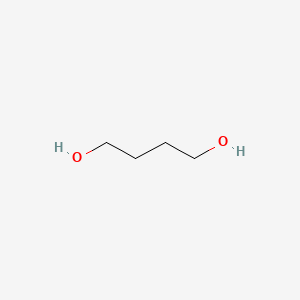
![1,4-Butanediol丨CAS 110-63-4]() 1,4-Butanediol丨CAS 110-63-4CAS No.: 110-63-4read more
1,4-Butanediol丨CAS 110-63-4CAS No.: 110-63-4read more
Product Name: 1,4-Butanediol
Molecular Formula: C4H10O2
Molecular Weight:... -
![FDCA丨CAS 3238-40-2]() FDCA丨CAS 3238-40-2Catalog No.: SS098300read more
FDCA丨CAS 3238-40-2Catalog No.: SS098300read more
CAS No.: 3238-40-2
Purity(HPLC): 99.9%min.
Product Name:... -
![Sodium Dodecyl Sulfate丨CAS 151-21-3]() Sodium Dodecyl Sulfate丨CAS 151-21-3CAS No.: 151-21-3read more
Sodium Dodecyl Sulfate丨CAS 151-21-3CAS No.: 151-21-3read more
Assay/Grade: EP11/99%min/95%min/CP2020
Product Name: Sodium dodecyl... -
![Glycerol丨CAS 56-81-5]() Glycerol丨CAS 56-81-5CAS No.: 56-81-5read more
Glycerol丨CAS 56-81-5CAS No.: 56-81-5read more
Grade: API/Injection/Pharmaceutical/Food/Industrial
Product Name:... -
![Cesium Carbonate丨CAS 534-17-8]() Cesium Carbonate丨CAS 534-17-8CAS No.: 534-17-8read more
Cesium Carbonate丨CAS 534-17-8CAS No.: 534-17-8read more
Assay: 99.9%min
Product Name: Cesium carbonate
Molecular Formula: Cs2CO3... -
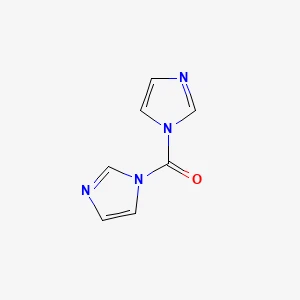
![1,1'-Carbonyldiimidazole丨CAS 530-62-1]() 1,1'-Carbonyldiimidazole丨CAS 530-62-1Catalog No.: SS080884read more
1,1'-Carbonyldiimidazole丨CAS 530-62-1Catalog No.: SS080884read more
CAS No.: 530-62-1
Assay(T): 98%min
Product Name:... -
![Palladium丨CAS 7440-05-3]() Palladium丨CAS 7440-05-3Catalog No.: SS067788read more
Palladium丨CAS 7440-05-3Catalog No.: SS067788read more
CAS No.: 7440-05-3
Assay(Pd): 10% Pd/C on dry basis.
Product Name:... -
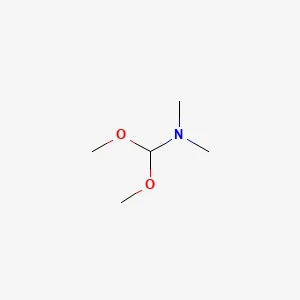
![N,N-Dimethylformamide Dimethyl Acetal丨CAS 4637-24-5]() N,N-Dimethylformamide Dimethyl Acetal丨CAS 4637-24-5Catalog No.: SS036295read more
N,N-Dimethylformamide Dimethyl Acetal丨CAS 4637-24-5Catalog No.: SS036295read more
CAS No.: 4637-24-5
Assay: 98%min
Product Name: N,N-Dimethylformamide...


Send Inquiry