


Catalog No.: SS130330
CAS No.: 42155-08-8
Purity: 98.0% min.
Product Name: 2-Deoxyuridine 5-monophosphate disodium salt
Molecular Formula: C9H11N2Na2O8P
Molecular Weight: 352.15
Synonym(s): Disodium...
Product Introduction
Glycosides are naturally occurring compounds found in plants, characterized by a sugar group attached to a non-sugar substance, often referred to as the aglycone or genin. These compounds play a crucial role in many biological processes and have diverse applications in pharmaceuticals, herbal medicine, and research. Glycosides can serve as medicinal agents due to their therapeutic properties, including anti-inflammatory, antioxidant, and cardiotonic effects. Additionally, they are widely studied for their role in energy storage, metabolic processes, and cellular communication. They are present in a variety of plants and are essential in plant defense mechanisms.
-
![2-Deoxyuridine 5-monophosphate Disodium Salt丨CAS 42155-08-8]()
-
![2,3,5-Triacetylinosine丨CAS 3181-38-2]() 2,3,5-Triacetylinosine丨CAS 3181-38-2Catalog No.: SS130748read more
2,3,5-Triacetylinosine丨CAS 3181-38-2Catalog No.: SS130748read more
CAS No.: 3181-38-2
Purity(by HPLC): 97% min
Product Name: 2,3,5-Triacetylinosine
Molecular Formula: C16H18N4O8
Molecular Weight: 394.34
Synonym(s): 2,3,5-Tri-O-acetylinosine;... -
![β-Nicotinamide Mononucleotide丨CAS 1094-61-7]() β-Nicotinamide Mononucleotide丨CAS 1094-61-7Catalog No.: SS129192read more
β-Nicotinamide Mononucleotide丨CAS 1094-61-7Catalog No.: SS129192read more
CAS No.: 1094-61-7
Purity: 99.5% min
Product Name: β-Nicotinamide Mononucleotide
Molecular Formula: C11H15N2O8P
Molecular Weight: 334.22
Synonym(s): Nicotinamide Mononucleotide;... -
![5'-O-DMT-N6-Benzoyl-2'-OMe-Adenosine丨CAS 110764-72-2]() 5'-O-DMT-N6-Benzoyl-2'-OMe-Adenosine丨CAS 110764-72-2Catalog No.: SS130478read more
5'-O-DMT-N6-Benzoyl-2'-OMe-Adenosine丨CAS 110764-72-2Catalog No.: SS130478read more
CAS No.: 110764-72-2
Purity (HPLC): 98.00% min
Product Name: 5'-O-DMT-N6-Benzoyl-2'-OMe-Adenosine
Molecular Formula: C39H37N5O7
Molecular Weight: 687.74
Synonym(s):... -
![2-Fluoro-2-deoxyuridine丨CAS 784-71-4]() 2-Fluoro-2-deoxyuridine丨CAS 784-71-4Catalog No.: SS110189read more
2-Fluoro-2-deoxyuridine丨CAS 784-71-4Catalog No.: SS110189read more
CAS No.: 784-71-4
Purity(HPLC): 99% min
Product Name: 2-Fluoro-2-deoxyuridine
Molecular Formula: C9H11FN2O5
Molecular Weight: 246.19
Synonym(s): 2-Deoxy-2-fluorouridine; 2-FdU -
![1-methylpseudouridine丨CAS 13860-38-3]() 1-methylpseudouridine丨CAS 13860-38-3Catalog No.: SS115208read more
1-methylpseudouridine丨CAS 13860-38-3Catalog No.: SS115208read more
CAS No.: 13860-38-3
Purity(HPLC): 99.5% min
Product Name: 1-methylpseudouridine
Molecular Formula: C10H14N2O6
Molecular Weight: 258.229
Synonym(s): N1-Methylpseudouridine -
![Cytidylic Acid丨CAS 63-37-6]() Cytidylic Acid丨CAS 63-37-6Catalog No.: SS124711read more
Cytidylic Acid丨CAS 63-37-6Catalog No.: SS124711read more
CAS No.: 63-37-6
Assay(UV): 98% min Purity(HPLC): 98% min
Product Name: Cytidylic acid
Certificate: ISO9001
Molecular Formula: C9H14N3O8P
Molecular Weight:... -
![Uridine 5-diphosphoglucose Disodium Salt丨CAS 28053-08-9]() Uridine 5-diphosphoglucose Disodium Salt丨CAS 28053-08-9Catalog No.: SS069189read more
Uridine 5-diphosphoglucose Disodium Salt丨CAS 28053-08-9Catalog No.: SS069189read more
CAS No.: 28053-08-9
Purity(HPLC): 95% min; UV content: 85% min
Product Name: Uridine 5-diphosphoglucose disodium salt
Molecular Formula: C15H22N2Na2O17P2
Molecular Weight:...


Product Advantages And Features
1
Therapeutic Properties: Many glycosides have potent medicinal effects, making them valuable in treating cardiovascular diseases, inflammation, and infections.
2
Natural Origin: Glycosides are sourced from plants, making them a natural option for those seeking herbal remedies and plant-based pharmaceuticals.
3
Diverse Applications: Glycosides are used in various industries, including medicine, cosmetics, and food production, due to their chemical versatility.
4
Antioxidant Activity: Some glycosides, such as flavonoid glycosides, exhibit strong antioxidant properties, protecting cells from oxidative damage.
5
Wide Range of Biological Activities: Glycosides can function as anti-inflammatory, antimicrobial, and anticancer agents, offering broad health benefits.
6
Highly Selective: Glycosides often target specific biological pathways, making them useful in drug design and therapeutic applications with fewer side effects.
7
Energy Source: In living organisms, glycosides such as glucose-based compounds are essential for energy storage and metabolic functions.
Product Type
Lorem ipsum dolor sit, amet consectetur adipisicing elit.
01/
Cardiac Glycosides: These glycosides, found in plants like foxglove, are used to treat heart conditions by improving heart muscle contraction. Digoxin and ouabain are well-known examples.
02/
Flavonoid Glycosides: Derived from flavonoids, these compounds are known for their antioxidant and anti-inflammatory properties. They are commonly found in fruits, vegetables, and teas.
03/
Saponin Glycosides: Saponins have foaming properties and are used in pharmaceuticals and cosmetics. They exhibit antimicrobial, anti-inflammatory, and immune-boosting effects.
04/
Anthraquinone Glycosides: Used for their laxative properties, these glycosides are found in plants like aloe and senna. They help stimulate bowel movements.
05/
Cyanogenic Glycosides: Found in plants like cassava and bitter almonds, these glycosides release hydrogen cyanide when broken down, providing a natural defense mechanism.
06/
Coumarin Glycosides: Known for their anticoagulant properties, coumarin glycosides are used in medicine to treat blood-clotting disorders.
07/
Phenolic Glycosides: These glycosides possess antimicrobial and anti-inflammatory properties and are often found in medicinal plants like willow bark.
08/
Steroidal Glycosides: Commonly found in plants like yucca, these compounds have been studied for their anticancer and anti-inflammatory properties.
Application Of The Product
Glycosides have wide-ranging applications across various fields:
Pharmaceuticals
Glycosides are utilized for their therapeutic properties, especially in cardiology for treating heart failure (cardiac glycosides) and in laxatives (anthraquinone glycosides).
Herbal Medicine
Many glycosides are active ingredients in traditional remedies, such as flavonoid glycosides used for their antioxidant and anti-inflammatory effects.
Cosmetics
Saponin glycosides are used in personal care products for their foaming ability and skin benefits, including antimicrobial and anti-inflammatory effects.
Food Industry
Glycosides like steviosides, found in stevia, serve as natural sweeteners with minimal calories, making them popular in health-conscious food products.
Agriculture
Cyanogenic glycosides provide natural pest resistance in crops, reducing the need for chemical pesticides.
Research
Glycosides are studied for their role in cellular communication, metabolism, and potential therapeutic applications in cancer, diabetes, and neurodegenerative diseases.
Material Of The Product
Glycosides are composed of two main parts:/Common plant sources for glycosides include:
Sugar (Glycone)
This portion is typically a monosaccharide or disaccharide, such as glucose, rhamnose, or galactose. It determines the solubility and transportation of the glycoside within biological systems.
Non-Sugar (Aglycone)
The aglycone part can be a wide variety of substances, including alcohols, steroids, phenolics, or flavonoids, which determine the biological activity of the glycoside.
Foxglove (Cardiac Glycosides)
Used to produce medicines like digoxin.
Aloe Vera (Anthraquinone Glycosides)
Used in laxatives and skincare products.
Cassava and Bitter Almonds (Cyanogenic Glycosides)
Provide a natural defense mechanism against herbivores.
Green Tea (Flavonoid Glycosides)
Rich in antioxidants and used in health supplements.
Production Process Or Procedure
The production of glycosides requires careful extraction and purification to ensure efficacy and safety:
Extraction
Glycosides are extracted from plant sources using solvents like ethanol or water. The extraction process varies depending on the type of glycoside and the plant material used.
Purification
Once extracted, glycosides undergo purification processes such as filtration, chromatography, or crystallization to isolate the active compounds and remove impurities.
Standardization
Glycoside-containing products, particularly in pharmaceuticals and supplements, are standardized to ensure consistent potency and efficacy.
Testing
Quality control testing is performed to check for purity, stability, and biological activity before the glycoside is formulated into final products.
Components Of The Product
The primary components of glycosides include:
Sugar Moiety (Glycone)
The glycone part helps glycosides dissolve in water and facilitates their movement within the body or plant. Common sugars in glycosides include glucose, mannose, and rhamnose.
Aglycone (Non-Sugar Part)
This portion varies and is responsible for the biological effects of the glycoside. Examples include flavonoids, steroids, and phenols.
Solvents
In commercial preparations, solvents such as ethanol or glycerin may be used to create solutions for medical or cosmetic use.
Stabilizers
Some glycoside formulations include stabilizers to maintain the compound's activity and prevent degradation over time.
Product Maintenance And Precautions
Proper storage and handling of glycosides ensure their longevity and efficacy:
Storage Conditions
Store glycosides in a cool, dry place, away from direct sunlight, to prevent degradation. Some glycosides are sensitive to heat and light.
Shelf Life
Glycosides, particularly in pharmaceutical and supplement forms, should be used before the expiration date to ensure their full potency.
Handling
Handle glycosides with care, especially those used in medicinal applications. Follow proper dosage instructions and guidelines for safe use.
Disposal
Unused glycoside products should be disposed of according to local regulations to prevent environmental contamination.
Company Advantages
Our Focus on Quality & Customer Experience
We dedicate to delivering high-quality products and exceptional customer service beyond your expectation.
Comprehensive Product Range
Extensive catalog of over 27,000 chemicals for diverse industries, offering both standard compounds and specialized solutions.
Strong Industry Expertise
Our experienced diverse team provides expert guidance, staying current with industry trends to deliver optimal chemical solutions tailored to your needs.
Competitive Pricing & Reliability
Competitive pricing and reliable deliveries ensure cost-effective, efficient supply chains without compromising quality.
How To Collaborate With Us
Partnering with LEAPChem gives you access to the expertise of a leading company with 18 years of experience in the chemical industry. We offer over 27,000 chemical substances tailored to meet diverse needs. All our products adhere to industry standards and are accompanied by the necessary certifications.
We collaborate with a wide range of partners, including:
• Research Laboratories
• Pharmaceutical Companies
• Cosmetics Manufacturers
• Electronics Manufacturers
• Chemical Manufacturers
• Universities and Colleges Worldwide
• And more.
We specialize in helping our clients find the right chemical solutions tailored to their specific requirements. Additionally, we provide custom synthesis services to meet the unique needs of our partners. Whether you need bulk quantities for industrial processes or small batches for specialized applications, we've got you covered.
If you are looking for a reliable chemical supplier, we would be delighted to hear from you. Please send your inquiry or project details to sales@leapchem.com. Our professional team is eager to collaborate with you and help achieve your goals.
FAQ
Q: What are glycosides?
A: Glycosides are compounds that consist of a sugar molecule bonded to a non-sugar molecule (aglycone), found naturally in many plants.
Q: What are glycosides used for?
A: Glycosides are used in medicine, cosmetics, food products, and research due to their diverse biological activities, including heart regulation, antioxidant effects, and anti-inflammatory properties.
Q: Are glycosides safe to use?
A: Most glycosides are safe when used correctly, but some, like cyanogenic glycosides, can be toxic in large amounts. Always follow recommended usage guidelines.
Q: What are cardiac glycosides?
A: Cardiac glycosides, like digoxin, are used to treat heart conditions by improving heart muscle contraction and regulating heart rhythms.
Q: What are flavonoid glycosides?
A: Flavonoid glycosides are antioxidant compounds found in fruits and vegetables that help protect cells from oxidative damage and reduce inflammation.
Q: How are glycosides extracted from plants?
A: Glycosides are typically extracted from plants using solvents such as ethanol or water, followed by purification processes like chromatography.
Q: Can glycosides be found in everyday foods?
A: Yes, glycosides are found in many fruits, vegetables, and teas, with common examples including flavonoids in green tea and saponins in legumes.
Q: What are saponin glycosides?
A: Saponin glycosides are known for their foaming properties and are used in cosmetics and pharmaceuticals for their antimicrobial and anti-inflammatory effects.
Q: What are anthraquinone glycosides used for?
A: Anthraquinone glycosides are used primarily as laxatives due to their ability to stimulate bowel movements.
Q: Are glycosides used in pharmaceuticals?
A: Yes, glycosides are commonly used in pharmaceuticals, particularly in treatments for heart disease, as laxatives, and in herbal supplements.
Q: Do glycosides have any side effects?
A: Some glycosides, such as cardiac glycosides, can cause side effects like nausea, vomiting, or arrhythmias if taken in excessive amounts. Consult a healthcare provider before use.
Q: What are cyanogenic glycosides?
A: Cyanogenic glycosides release hydrogen cyanide when metabolized and are found in plants like cassava. They serve as a defense mechanism for the plant but can be toxic to humans if consumed in large quantities.
Hangzhou Leap Chem Co., Ltd. is well-known as one of the leading glycosides manufacturers and suppliers in China, also supports custom service. We warmly welcome you to wholesale bulk high quality glycosides from our factory.
glycosidesPopular Products
-
![FDCA丨CAS 3238-40-2]() FDCA丨CAS 3238-40-2Catalog No.: SS098300read more
FDCA丨CAS 3238-40-2Catalog No.: SS098300read more
CAS No.: 3238-40-2
Purity(HPLC): 99.9%min.
Product Name:... -
![Sodium Dodecyl Sulfate丨CAS 151-21-3]() Sodium Dodecyl Sulfate丨CAS 151-21-3CAS No.: 151-21-3read more
Sodium Dodecyl Sulfate丨CAS 151-21-3CAS No.: 151-21-3read more
Assay/Grade: EP11/99%min/95%min/CP2020
Product Name: Sodium dodecyl... -
![Glycerol丨CAS 56-81-5]() Glycerol丨CAS 56-81-5CAS No.: 56-81-5read more
Glycerol丨CAS 56-81-5CAS No.: 56-81-5read more
Grade: API/Injection/Pharmaceutical/Food/Industrial
Product Name:... -
![Cesium Carbonate丨CAS 534-17-8]() Cesium Carbonate丨CAS 534-17-8CAS No.: 534-17-8read more
Cesium Carbonate丨CAS 534-17-8CAS No.: 534-17-8read more
Assay: 99.9%min
Product Name: Cesium carbonate
Molecular Formula: Cs2CO3... -
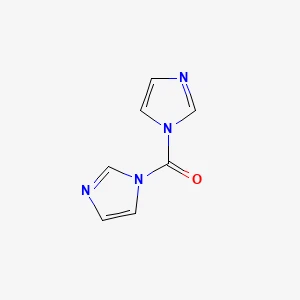
![1,1'-Carbonyldiimidazole丨CAS 530-62-1]() 1,1'-Carbonyldiimidazole丨CAS 530-62-1Catalog No.: SS080884read more
1,1'-Carbonyldiimidazole丨CAS 530-62-1Catalog No.: SS080884read more
CAS No.: 530-62-1
Assay(T): 98%min
Product Name:... -
![Palladium丨CAS 7440-05-3]() Palladium丨CAS 7440-05-3Catalog No.: SS067788read more
Palladium丨CAS 7440-05-3Catalog No.: SS067788read more
CAS No.: 7440-05-3
Assay(Pd): 10% Pd/C on dry basis.
Product Name:... -
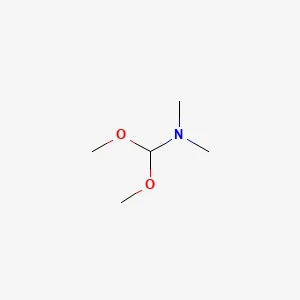
![N,N-Dimethylformamide Dimethyl Acetal丨CAS 4637-24-5]() N,N-Dimethylformamide Dimethyl Acetal丨CAS 4637-24-5Catalog No.: SS036295read more
N,N-Dimethylformamide Dimethyl Acetal丨CAS 4637-24-5Catalog No.: SS036295read more
CAS No.: 4637-24-5
Assay: 98%min
Product Name: N,N-Dimethylformamide... -
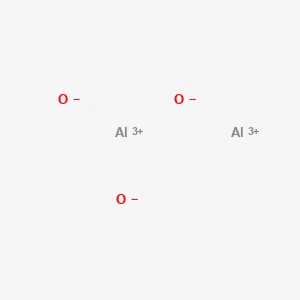
![Aluminum Oxide丨CAS 1344-28-1]() Aluminum Oxide丨CAS 1344-28-1Catalog No.: SS119815read more
Aluminum Oxide丨CAS 1344-28-1Catalog No.: SS119815read more
CAS No.: 1344-28-1
Purity: 99.99% min; Average particle size: 50nm...



Send Inquiry