


Catalog No.: SS117792
CAS No.: 45738-97-4
Assay: 98.0% min
Product Name: Hypoxanthine monosodium
Molecular Formula: C5H4N4NaO
Molecular Weight: 158.09
Synonym(s): 1,7-Dihydro-6H-purin-6-one...
Product Introduction
Nucleosides & Nucleotides are fundamental building blocks of nucleic acids, such as DNA and RNA, and play a critical role in many biological processes, including genetic coding, cellular signaling, and energy transfer. Nucleosides consist of a nitrogenous base attached to a sugar molecule, while nucleotides are nucleosides with one or more phosphate groups. These compounds are essential in biochemistry, molecular biology, and medicine, particularly in the development of antiviral drugs, cancer therapies, and diagnostic tools. By regulating cellular processes and genetic information, nucleosides and nucleotides are indispensable in modern scientific research and therapeutic treatments.
-
![Hypoxanthine Monosodium丨CAS 45738-97-4]()
-
![Tri-GalNAc(OAc)3 TFA丨CAS 1159408-65-7]() Tri-GalNAc(OAc)3 TFA丨CAS 1159408-65-7Catalog No.: SS136076read more
Tri-GalNAc(OAc)3 TFA丨CAS 1159408-65-7Catalog No.: SS136076read more
CAS No.: 1159408-65-7
Purity(HPCL): 95.0% min
Product Name: Tri-GalNAc(OAc)3 TFA
Molecular Formula: C81H129F3N10O38
Molecular Weight: 1907.9 -
![Cytidine-5-diphosphate Disodium Salt丨CAS 54394-90-0]() Cytidine-5-diphosphate Disodium Salt丨CAS 54394-90-0Catalog No.: SS062703read more
Cytidine-5-diphosphate Disodium Salt丨CAS 54394-90-0Catalog No.: SS062703read more
CAS No.: 54394-90-0
Purity: 90%min
Product Name: Cytidine-5-diphosphate disodium salt
Molecular Formula: C9H13N3Na2O11P2
Molecular Weight: 447.14
Synonym(s): CDP.Na2 -
![5-Methylcytosine Hydrochloride丨CAS 58366-64-6]() 5-Methylcytosine Hydrochloride丨CAS 58366-64-6Catalog No.: SS035857read more
5-Methylcytosine Hydrochloride丨CAS 58366-64-6Catalog No.: SS035857read more
CAS No.: 58366-64-6
Purity: 98% min.
Product Name: 5-Methylcytosine hydrochloride
Molecular Formula: C5H8ClN3O
Molecular Weight: 161.59 -
![2-Fluoro-2-deoxyadenosine丨CAS 64183-27-3]() 2-Fluoro-2-deoxyadenosine丨CAS 64183-27-3Catalog No.: SS131844read more
2-Fluoro-2-deoxyadenosine丨CAS 64183-27-3Catalog No.: SS131844read more
CAS No.: 64183-27-3
Purity: 98% min
Product Name: 2-Fluoro-2-deoxyadenosine
Molecular Formula: C10H12FN5O3
Molecular Weight: 269.23
Synonym(s):... -
![2-Deoxy-2-fluoroguanosine丨CAS 78842-13-4]() 2-Deoxy-2-fluoroguanosine丨CAS 78842-13-4Catalog No.: SS093508read more
2-Deoxy-2-fluoroguanosine丨CAS 78842-13-4Catalog No.: SS093508read more
CAS No.: 78842-13-4
Purity(HPLC): 98% min
Product Name: 2-Deoxy-2-fluoroguanosine
Molecular Formula: C10H12FN5O4
Molecular Weight: 285.23
Synonym(s): 2-FdG -
![2,2-Cyclouridine丨CAS 3736-77-4]() 2,2-Cyclouridine丨CAS 3736-77-4Catalog No.: SS131937read more
2,2-Cyclouridine丨CAS 3736-77-4Catalog No.: SS131937read more
CAS No.: 3736-77-4
Purity: 98.0%min.
Product Name: 2,2-Cyclouridine
Molecular Formula: C9H10N2O5
Molecular Weight: 226.19
Synonym(s): Anhydro-U; 2,2-Anhydro-U -
![2-O-(2-Methoxyethyl)adenosine丨CAS 168427-74-5]() 2-O-(2-Methoxyethyl)adenosine丨CAS 168427-74-5Catalog No.: SS131936read more
2-O-(2-Methoxyethyl)adenosine丨CAS 168427-74-5Catalog No.: SS131936read more
CAS No.: 168427-74-5
Purity: 98.0%min.
Product Name: 2-O-(2-Methoxyethyl)adenosine
Molecular Formula: C13H19N5O5
Molecular Weight: 325.32 -
![Benzyl 2-Acetamido-2-deoxy-beta-D-glucopyranoside丨CAS 13343-67-4]() Benzyl 2-Acetamido-2-deoxy-beta-D-glucopyranoside丨CAS 133...Catalog No.: SS132754read more
Benzyl 2-Acetamido-2-deoxy-beta-D-glucopyranoside丨CAS 133...Catalog No.: SS132754read more
CAS No.: 13343-67-4
Purity(by HPLC): 98% min
Product Name: Benzyl 2-Acetamido-2-deoxy-beta-D-glucopyranoside
Molecular Formula: C15H21NO6
Molecular Weight: 311.33 -
![N-Acetyl-5-O-bis(4-methoxyphenyl)phenylmethyl-2-O-methylcytidine丨CAS 199593-08-3]() N-Acetyl-5-O-bis(4-methoxyphenyl)phenylmethyl-2-O-methylc...Catalog No.: SS131841read more
N-Acetyl-5-O-bis(4-methoxyphenyl)phenylmethyl-2-O-methylc...Catalog No.: SS131841read more
CAS No.: 199593-08-3
Purity: 98%min
Product Name: N-Acetyl-5-O-bis(4-methoxyphenyl)phenylmethyl-2-O-methylcytidine
Molecular Formula: C36H39N5O8
Molecular Weight: 669.72 -
![5-O-(4,4-Dimethoxytrityl)uridine丨CAS 81246-79-9]() 5-O-(4,4-Dimethoxytrityl)uridine丨CAS 81246-79-9Catalog No.: SS131838read more
5-O-(4,4-Dimethoxytrityl)uridine丨CAS 81246-79-9Catalog No.: SS131838read more
CAS No.: 81246-79-9
Purity: 97%min
Product Name: 5-O-(4,4-Dimethoxytrityl)uridine
Molecular Formula: C30H30N2O8
Molecular Weight: 546.57
Synonym(s): 5-DMT -rU;... -
![5-VP-2-OME-U-CE-PHOSPHORAMIDITE丨CAS 2172373-55-4]() 5-VP-2-OME-U-CE-PHOSPHORAMIDITE丨CAS 2172373-55-4Catalog No.: SS132803read more
5-VP-2-OME-U-CE-PHOSPHORAMIDITE丨CAS 2172373-55-4Catalog No.: SS132803read more
CAS No.: 2172373-55-4
Purity (by HPLC): 98.00% min
Product Name: 5-VP-2-OME-U-CE-PHOSPHORAMIDITE
Molecular Formula: C32H52N4O13P2
Molecular Weight: 762.7


Product Advantages And Features
Crucial for Genetic Research
Nucleosides and nucleotides are integral to the study of DNA and RNA, helping researchers understand genetic codes and cellular mechanisms.
Drug Development
These compounds serve as the basis for many antiviral drugs, such as those used to treat HIV, hepatitis, and influenza, by interfering with viral replication.
Cellular Energy
Nucleotides, like ATP, are essential for energy transfer in cells, playing a key role in powering cellular processes.
Diagnostic Applications
Nucleotides are used in various diagnostic assays, including PCR (Polymerase Chain Reaction), a fundamental technique in molecular biology for detecting and amplifying DNA sequences.
Cancer Therapies
Certain nucleotide analogs are used in chemotherapy to disrupt the replication of cancer cells, slowing or stopping tumor growth.
Versatility in Biochemistry
Nucleosides and nucleotides are involved in a wide array of biochemical reactions, making them essential tools in molecular biology research.
Product Type
1
Purine Nucleosides: These include nucleosides like adenosine and guanosine, which are components of DNA and RNA. Purine nucleosides are crucial for cellular signaling and energy transfer (e.g., ATP).
2
Pyrimidine Nucleosides: Examples include cytidine, uridine, and thymidine, which are also part of DNA and RNA. Pyrimidine nucleosides are essential in genetic coding and protein synthesis.
3
Mononucleotides: These nucleotides consist of a single phosphate group and include key molecules such as AMP (adenosine monophosphate), GMP (guanosine monophosphate), and CMP (cytidine monophosphate).
4
Dinucleotides: These compounds contain two nucleotides joined by a phosphate bond. A common example is NAD (nicotinamide adenine dinucleotide), which plays a role in cellular metabolism and energy production.
5
Triphosphates: Nucleotides like ATP (adenosine triphosphate) and GTP (guanosine triphosphate) contain three phosphate groups and serve as energy carriers in cells, driving many biochemical reactions.
6
Nucleotide Analogues: Synthetic derivatives of natural nucleotides, often used in antiviral and anticancer therapies, these molecules can inhibit DNA or RNA replication in viruses or cancer cells.
7
Cyclic Nucleotides: CAMP (cyclic adenosine monophosphate) and cGMP (cyclic guanosine monophosphate) act as secondary messengers in signal transduction pathways, regulating cellular responses to hormones and neurotransmitters.
Application Of The Product
Nucleosides & Nucleotides have wide-ranging applications across various fields:
Pharmaceuticals
Nucleotide analogs are used to develop antiviral drugs that block the replication of viruses like HIV and hepatitis. They are also crucial in chemotherapy treatments for cancer.
Molecular Biology
Nucleotides are the key ingredients in PCR, DNA sequencing, and gene editing techniques like CRISPR, which are essential for genetic research, diagnostics, and gene therapy.
Energy Transfer
ATP and other nucleotides are involved in energy transfer within cells, facilitating essential processes like muscle contraction, nerve signaling, and protein synthesis.
Cell Signaling
Cyclic nucleotides, like cAMP and cGMP, are involved in cellular signaling pathways, regulating cellular responses to external stimuli such as hormones and neurotransmitters.
Diagnostic Tools
Nucleotides are used in diagnostic assays for detecting genetic mutations, infectious agents, and biomarkers for various diseases.
Biochemical Research
Nucleosides and nucleotides are used in studying enzyme activity, cellular metabolism, and molecular interactions.
Material Of The Product
Nucleosides and nucleotides are composed of several key materials:
Nitrogenous Bases
These include purines (adenine, guanine) and pyrimidines (cytosine, thymine, uracil), which pair with complementary bases to form the rungs of the DNA or RNA ladder.
Sugar Molecules
In nucleosides, a sugar molecule (ribose in RNA and deoxyribose in DNA) is attached to the nitrogenous base. This sugar forms the backbone of nucleic acids.
Phosphate Groups
Nucleotides are nucleosides that have one or more phosphate groups attached. These phosphate groups are critical for the energy transfer functions of nucleotides like ATP and GTP.
Chemical Modifications
Nucleotide analogs used in pharmaceuticals may have chemically modified nitrogenous bases or sugars to enhance their ability to inhibit viral or cancer cell replication.
Production Process Or Procedure
The production of Nucleosides & Nucleotides requires precision and high standards:
Synthesis
Nucleosides and nucleotides are synthesized either through chemical processes or extracted from biological materials. For pharmaceutical use, synthetic analogs are created to modify or enhance biological activity.
Purification
After synthesis, the compounds are purified to remove impurities and ensure their effectiveness in research, diagnostics, or therapeutic applications.
Quality Control
Rigorous testing for purity, stability, and potency is conducted to ensure nucleosides and nucleotides meet industry standards, particularly in pharmaceuticals.
Packaging
These compounds are sensitive to environmental conditions and are carefully packaged in airtight containers to protect them from moisture and light degradation.
Components Of The Product
The core components of Nucleosides & Nucleotides include:
Nitrogenous Base
The key element that defines the type of nucleoside or nucleotide. It pairs with complementary bases in DNA/RNA to store genetic information.
Sugar Backbone
The ribose or deoxyribose sugar that forms part of the structure, linking the base to the phosphate group(s) and supporting the formation of DNA/RNA strands.
Phosphate Group
In nucleotides, phosphate groups enable energy storage and transfer, making them crucial for ATP function and other metabolic processes.
Modifications
Chemical modifications to nucleotides allow them to act as drugs, blocking enzymes or interfering with genetic replication in viruses or cancer cells.
Product Maintenance And Precautions
Proper storage and handling of Nucleosides & Nucleotides are essential for preserving their stability and functionality:
Storage Conditions
Store nucleosides and nucleotides in cool, dry conditions, preferably at -20°C or -80°C for long-term storage, and protect from light to avoid degradation.
Shelf Life
Regularly check expiration dates, as nucleosides and nucleotides may degrade over time, particularly when exposed to moisture or temperature fluctuations.
Handling
Handle with care, avoiding direct exposure to air and moisture. For laboratory applications, prepare solutions freshly and store them in aliquots to prevent repeated freeze-thaw cycles.
Disposal
Follow proper disposal protocols for unused or expired nucleosides and nucleotides, particularly those used in pharmaceutical or research applications, to prevent environmental contamination.
Company Advantages
Our Focus on Quality & Customer Experience
We dedicate to delivering high-quality products and exceptional customer service beyond your expectation.
Comprehensive Product Range
Extensive catalog of over 27,000 chemicals for diverse industries, offering both standard compounds and specialized solutions.
Strong Industry Expertise
Our experienced diverse team provides expert guidance, staying current with industry trends to deliver optimal chemical solutions tailored to your needs.
Competitive Pricing & Reliability
Competitive pricing and reliable deliveries ensure cost-effective, efficient supply chains without compromising quality.
How To Collaborate With Us
Partnering with LEAPChem gives you access to the expertise of a leading company with 18 years of experience in the chemical industry. We offer over 27,000 chemical substances tailored to meet diverse needs. All our products adhere to industry standards and are accompanied by the necessary certifications.
We collaborate with a wide range of partners, including:
• Research Laboratories
• Pharmaceutical Companies
• Cosmetics Manufacturers
• Electronics Manufacturers
• Chemical Manufacturers
• Universities and Colleges Worldwide
• And more.
We specialize in helping our clients find the right chemical solutions tailored to their specific requirements. Additionally, we provide custom synthesis services to meet the unique needs of our partners. Whether you need bulk quantities for industrial processes or small batches for specialized applications, we've got you covered.
If you are looking for a reliable chemical supplier, we would be delighted to hear from you. Please send your inquiry or project details to sales@leapchem.com. Our professional team is eager to collaborate with you and help achieve your goals.
FAQ
Q: What are nucleosides and nucleotides?
A: Nucleosides are molecules consisting of a nitrogenous base attached to a sugar, while nucleotides are nucleosides with one or more phosphate groups. Both are key components of DNA and RNA.
Q: What are nucleotides used for?
A: Nucleotides are essential for cellular energy transfer (e.g., ATP), genetic research (e.g., PCR), and drug development, particularly antiviral and cancer therapies.
Q: How do nucleoside analogs work in medicine?
A: Nucleoside analogs mimic natural nucleotides and interfere with DNA or RNA replication in viruses or cancer cells, inhibiting their growth and spread.
Q: What are purine and pyrimidine nucleosides?
A: Purine nucleosides contain adenine or guanine, while pyrimidine nucleosides contain cytosine, thymine, or uracil. Both are essential for building DNA and RNA.
Q: How are nucleotides involved in energy transfer?
A: Nucleotides like ATP (adenosine triphosphate) store and transfer energy within cells, powering biochemical reactions such as muscle contraction and protein synthesis.
Q: What role do nucleotides play in diagnostics?
A: Nucleotides are essential in diagnostic tools like PCR, where they help detect genetic material by amplifying DNA sequences for analysis.
Q: How are nucleoside analogs used in cancer treatment?
A: Nucleoside analogs disrupt the replication of cancer cells by incorporating themselves into the DNA of the cells, leading to cell death or impaired growth.
Q: What is the difference between nucleosides and nucleotides?
A: Nucleosides consist of a nitrogenous base and a sugar, while nucleotides are nucleosides with one or more phosphate groups attached.
Q: Why are nucleotides important in biochemistry?
A: Nucleotides are involved in a wide array of biochemical processes, including genetic replication, cellular signaling, and energy transfer.
Q: What are cyclic nucleotides?
A: Cyclic nucleotides, such as cAMP and cGMP, act as secondary messengers in cellular signaling pathways, regulating responses to hormones and neurotransmitters.
Q: Can nucleotides be used as supplements?
A: Some nucleotides are available as dietary supplements, aimed at boosting immune function and promoting recovery from illness or stress.
Q: What are the storage requirements for nucleotides?
A: Nucleotides should be stored in a cool, dry place, protected from light and moisture, with long-term storage typically at -20°C to -80°C.
Hangzhou Leap Chem Co., Ltd. is well-known as one of the leading nucleosides & nucleotides manufacturers and suppliers in China, also supports custom service. We warmly welcome you to wholesale bulk high quality nucleosides & nucleotides from our factory.
98796-51-1, CAS 98796-51-1, Methyl beta-d-glucopyranosidePopular Products
-
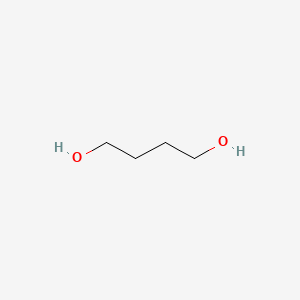
![1,4-Butanediol丨CAS 110-63-4]() 1,4-Butanediol丨CAS 110-63-4CAS No.: 110-63-4read more
1,4-Butanediol丨CAS 110-63-4CAS No.: 110-63-4read more
Product Name: 1,4-Butanediol
Molecular Formula: C4H10O2
Molecular Weight:... -
![FDCA丨CAS 3238-40-2]() FDCA丨CAS 3238-40-2Catalog No.: SS098300read more
FDCA丨CAS 3238-40-2Catalog No.: SS098300read more
CAS No.: 3238-40-2
Purity(HPLC): 99.9%min.
Product Name:... -
![Sodium Dodecyl Sulfate丨CAS 151-21-3]() Sodium Dodecyl Sulfate丨CAS 151-21-3CAS No.: 151-21-3read more
Sodium Dodecyl Sulfate丨CAS 151-21-3CAS No.: 151-21-3read more
Assay/Grade: EP11/99%min/95%min/CP2020
Product Name: Sodium dodecyl... -
![Glycerol丨CAS 56-81-5]() Glycerol丨CAS 56-81-5CAS No.: 56-81-5read more
Glycerol丨CAS 56-81-5CAS No.: 56-81-5read more
Grade: API/Injection/Pharmaceutical/Food/Industrial
Product Name:... -
![Cesium Carbonate丨CAS 534-17-8]() Cesium Carbonate丨CAS 534-17-8CAS No.: 534-17-8read more
Cesium Carbonate丨CAS 534-17-8CAS No.: 534-17-8read more
Assay: 99.9%min
Product Name: Cesium carbonate
Molecular Formula: Cs2CO3... -
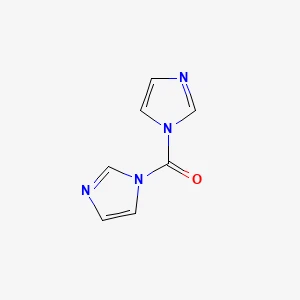
![1,1'-Carbonyldiimidazole丨CAS 530-62-1]() 1,1'-Carbonyldiimidazole丨CAS 530-62-1Catalog No.: SS080884read more
1,1'-Carbonyldiimidazole丨CAS 530-62-1Catalog No.: SS080884read more
CAS No.: 530-62-1
Assay(T): 98%min
Product Name:... -
![Palladium丨CAS 7440-05-3]() Palladium丨CAS 7440-05-3Catalog No.: SS067788read more
Palladium丨CAS 7440-05-3Catalog No.: SS067788read more
CAS No.: 7440-05-3
Assay(Pd): 10% Pd/C on dry basis.
Product Name:... -
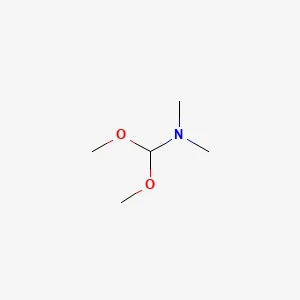
![N,N-Dimethylformamide Dimethyl Acetal丨CAS 4637-24-5]() N,N-Dimethylformamide Dimethyl Acetal丨CAS 4637-24-5Catalog No.: SS036295read more
N,N-Dimethylformamide Dimethyl Acetal丨CAS 4637-24-5Catalog No.: SS036295read more
CAS No.: 4637-24-5
Assay: 98%min
Product Name: N,N-Dimethylformamide...



Send Inquiry