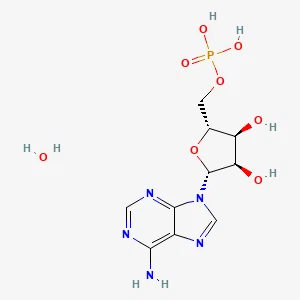
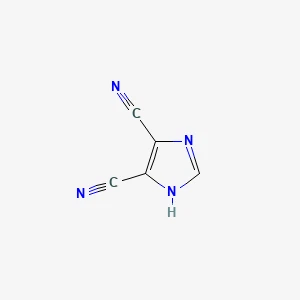
Hangzhou Leap Chem Co., Ltd. is one of the most professional manufacturers and suppliers of hypoxanthine monosodium丨cas 45738-97-4 in China. Welcome to wholesale bulk high quality chemical products at competitive price from our factory. If you have any enquiry about custom service, please feel free to email us.
Specifications
| Appearance | White to off-white powder |
| Assay | 98.0% min |
| Loss on drying | 10.0% max |
| Heavy metals | 10 ppm max |
Applications
Hypoxanthine monosodium is a purine derivative widely used in biochemical research, pharmaceutical studies, and cell biology. It is commonly applied as a component of cell culture media, particularly in hypoxanthine-aminopterin-thymidine systems, to support nucleotide salvage pathways and cell proliferation. The compound is used in studies of purine metabolism, nucleic acid synthesis, and enzyme activity involving hypoxanthine-guanine phosphoribosyltransferase. In molecular biology and genetics, hypoxanthine monosodium is utilized to investigate DNA and RNA turnover, mutagenesis, and metabolic disorders related to purine imbalance. It is also applied as a reference standard and intermediate in the synthesis of nucleoside analogs and other bioactive compounds.
Benefits
Hypoxanthine monosodium offers several advantages due to its high solubility, biochemical relevance, and well-characterized metabolic role. The monosodium salt form enhances aqueous solubility, making it convenient for use in cell culture media and enzymatic assays. It serves as an efficient substrate in the purine salvage pathway, supporting cellular growth and viability in selective culture systems. The compound demonstrates good chemical stability under standard storage conditions and provides consistent, reproducible results in research applications. Its compatibility with biological systems makes it a reliable tool for metabolic, genetic, and enzymatic studies.
Conclusion
Hypoxanthine monosodium is a valuable biochemical reagent with important applications in cell culture, purine metabolism research, and pharmaceutical development. Its benefits, including enhanced solubility, metabolic significance, and stability, make it an essential compound for studies of nucleotide synthesis, enzyme function, and cellular physiology. The compound continues to support advances in molecular biology, genetics, and biomedical research.