


Catalog No.: SS005865
CAS No.: 13709-42-7
Purity: 99.5%min.
Product Name: Neodymium(III) fluoride
Molecular Formula: NdF3
Molecular Weight: 201.23
Synonym(s): Neodymium fluoride (NdF3)
Product Introduction
Rare earth metals are a group of 17 chemically similar elements that are vital in modern technology and advanced manufacturing. Despite their name, these metals are relatively abundant in the Earth’s crust but are difficult to extract due to their dispersed nature. Rare earth metals like neodymium, dysprosium, and lanthanum are essential in the production of high-performance magnets, catalysts, and phosphors, driving advancements in electronics, renewable energy, and specialized machinery.
-
![Neodymium(III) Fluoride丨CAS 13709-42-7]()
-
![Cerium Chloride丨CAS 7790-86-5]() Cerium Chloride丨CAS 7790-86-5Catalog No.: SS030063read more
Cerium Chloride丨CAS 7790-86-5Catalog No.: SS030063read more
CAS No.: 7790-86-5
CeO2/TREO: 99.99%min
Product Name: Cerium Chloride
Molecular Formula: CeCl3
Molecular Weight: 246.47 -
![Europium Nitrate丨CAS 10031-53-5]() Europium Nitrate丨CAS 10031-53-5Catalog No.: SS112959read more
Europium Nitrate丨CAS 10031-53-5Catalog No.: SS112959read more
CAS No.: 10031-53-5
Eu2O3/TREO: 99.99% min
Product Name: Europium nitrate
Molecular Formula: Eu(NO3)3.6(H2O)
Molecular Weight: 446.07 -
![Cobalt Oxide丨CAS 1307-96-6]() Cobalt Oxide丨CAS 1307-96-6Catalog No.: SS125764read more
Cobalt Oxide丨CAS 1307-96-6Catalog No.: SS125764read more
CAS No.: 1307-96-6
Purity/Grade: 78%min
Product Name: Cobalt oxide
Molecular Formula: CoO
Molecular Weight: 74.93
Synonym(s): Cobalt(II) oxide -
![Europium Oxide丨CAS 1308-96-9]() Europium Oxide丨CAS 1308-96-9Catalog No.: SS127285read more
Europium Oxide丨CAS 1308-96-9Catalog No.: SS127285read more
CAS No.: 1308-96-9
Purity/Grade: 99.999%min
Product Name: Europium oxide
Molecular Formula: Eu2O3
Molecular Weight: 351.93 -
![Uranyl Acetate Dihydrate丨CAS 6159-44-0]() Uranyl Acetate Dihydrate丨CAS 6159-44-0Catalog No.: SS127823read more
Uranyl Acetate Dihydrate丨CAS 6159-44-0Catalog No.: SS127823read more
CAS No.: 6159-44-0
Purity: 98%min
Product Name: Uranyl acetate dihydrate
Molecular Formula: C4H10O8U
Molecular Weight: 424.15


Product advantages and features
Magnetic Properties
Rare earth metals like neodymium and samarium are critical in producing powerful magnets used in electric motors, wind turbines, and high-tech devices.
01
High Electrical Conductivity
These metals are excellent conductors, making them essential in electronic components such as capacitors and transistors.
02
Catalytic Efficiency
Rare earth elements like cerium and lanthanum are widely used as catalysts in the refining of petroleum and the production of environmentally friendly vehicles.
03
Optical Applications
Rare earth phosphors provide the vibrant colors in LED displays, fluorescent lights, and other visual technologies.
04
Thermal Stability
Many rare earth metals exhibit high thermal stability, making them ideal for high-temperature applications such as aerospace engineering.
05
Product type
1. Neodymium (Nd)
Used in the production of powerful permanent magnets found in electric vehicles, wind turbines, and consumer electronics.
2. Lanthanum (La)
Commonly used in catalysts, optical glass, and high-performance camera lenses due to its light-refractive properties.
3. Cerium (Ce)
Widely applied in catalytic converters, glass polishing, and as a stabilizer in automotive fuel additives.
4. Dysprosium (Dy)
Used in high-temperature magnets and in nuclear reactor control rods due to its excellent thermal stability and magnetic properties.
5. Yttrium (Y)
Essential in the production of phosphors for displays, ceramics, and certain superconductors.
Application of the product
Permanent Magnets: Neodymium and dysprosium are key components in strong magnets used in electric vehicles, renewable energy systems, and electronics.
Catalysts: Rare earth metals like lanthanum and cerium are used as catalysts in petroleum refining and in reducing vehicle emissions.
Optical Devices: Rare earth elements are used in lenses, lasers, and other optical components, providing clarity and enhanced light absorption.
Lighting and Displays: Yttrium and europium are used in phosphors to produce the vibrant colors seen in LEDs, flat-screen TVs, and other display technologies.
Advanced Ceramics: Certain rare earth metals are added to ceramic materials to improve their thermal stability, making them suitable for aerospace and industrial applications.
Material of the product
1
Neodymium-Iron-Boron (NdFeB): A combination used to create the strongest commercially available permanent magnets.
2
Cerium Oxide (CeO2): A versatile compound used in glass polishing, catalytic converters, and fuel cell technologies.
3
Lanthanum Oxide (La2O3): Employed in optical lenses and advanced glass products for its light-refractive properties.
4
Samarium-Cobalt (SmCo): A magnetic material known for its high thermal stability, used in aerospace and military applications.
5
Yttrium Oxide (Y2O3): Commonly used in phosphors for displays and in high-temperature ceramics.
Production Process Or Procedure
The extraction and refinement of rare earth metals involve several complex processes. The initial step typically involves mining the ore, which contains rare earth elements dispersed within other minerals. The ore is crushed, ground, and then subjected to chemical leaching to separate the rare earth elements. Following extraction, the metals undergo solvent extraction and ion exchange processes to purify and concentrate specific rare earth elements. The refined metals are then converted into oxides, alloys, or other forms depending on the intended application. Strict quality control ensures that the metals meet industry standards for performance and purity.
Components of the product
Neodymium Magnets
Neodymium combined with iron and boron forms the basis of strong permanent magnets used in electric motors.
Lanthanum Catalysts
Lanthanum-based compounds are essential in refining processes and emission control technologies.
Phosphors
Europium and yttrium are key components in phosphor compounds, which produce red, green, and blue colors in display technologies.
Alloys
Samarium and cobalt are alloyed to create high-temperature magnets used in aerospace applications.
Oxides and Salts
Rare earth metals are typically processed into oxides, which are then used in ceramics, glass, and electronics manufacturing.
Product maintenance and precautions
Storage Tips
Store rare earth metals in dry, temperature-controlled environments to prevent oxidation and moisture damage.
Handling Precautions
Use protective equipment when handling rare earth compounds, as some can be reactive or hazardous if ingested or inhaled.
Environmental Considerations
Dispose of rare earth waste according to regulatory guidelines, as some rare earth compounds may be toxic or environmentally harmful.
Regular Inspections
Check rare earth magnets and components regularly for signs of degradation, especially in high-stress applications.
Proper Disposal
Follow local regulations for the disposal or recycling of rare earth materials, as improper disposal can have significant environmental impacts.
Company advantages
Our Focus on Quality & Customer Experience
We dedicate to delivering high-quality products and exceptional customer service beyond your expectation.
Comprehensive Product Range
Extensive catalog of over 27,000 chemicals for diverse industries, offering both standard compounds and specialized solutions.
Strong Industry Expertise
Our experienced diverse team provides expert guidance, staying current with industry trends to deliver optimal chemical solutions tailored to your needs.
Competitive Pricing & Reliability
Competitive pricing and reliable deliveries ensure cost-effective, efficient supply chains without compromising quality.
How to collaborate with us
Partnering with LEAPChem gives you access to the expertise of a leading company with 18 years of experience in the chemical industry. We offer over 27,000 chemical substances tailored to meet diverse needs. All our products adhere to industry standards and are accompanied by the necessary certifications.
We collaborate with a wide range of partners, including:
• Research Laboratories
• Pharmaceutical Companies
• Cosmetics Manufacturers
• Electronics Manufacturers
• Chemical Manufacturers
• Universities and Colleges Worldwide
• And more.
We specialize in helping our clients find the right chemical solutions tailored to their specific requirements. Additionally, we provide custom synthesis services to meet the unique needs of our partners. Whether you need bulk quantities for industrial processes or small batches for specialized applications, we’ve got you covered.
If you are looking for a reliable chemical supplier, we would be delighted to hear from you. Please send your inquiry or project details to sales@leapchem.com. Our professional team is eager to collaborate with you and help achieve your goals.
FAQ
Q: What are rare earth metals used for?
A: Rare earth metals are used in high-tech applications like magnets, catalysts, displays, and optical devices.
Q: Why are rare earth metals important for green energy?
A: They are crucial in producing magnets for wind turbines and electric vehicle motors, which are key to clean energy solutions.
Q: Which industries use rare earth metals?
A: Industries like electronics, automotive, renewable energy, aerospace, and defense heavily rely on rare earth metals.
Q: Are rare earth metals rare?
A: Despite their name, they are relatively abundant but difficult to extract in pure forms, making them "rare" in a practical sense.
Q: How are rare earth metals mined?
A: They are extracted from ores using techniques like chemical leaching, solvent extraction, and ion exchange.
Q: What are the environmental impacts of rare earth mining?
A: Mining can cause significant environmental harm if not managed properly, including water pollution and habitat destruction.
Q: Which rare earth metal is used in magnets?
A: Neodymium is the primary metal used in strong permanent magnets found in electric vehicles and wind turbines.
Q: What are rare earth phosphors?
A: Phosphors made from rare earth metals like yttrium and europium are used to produce colors in LED and display technologies.
Q: Can rare earth metals be recycled?
A: Yes, but recycling is challenging due to the complex processing required, though it is a growing industry.
Q: What is the difference between light and heavy rare earth metals?
A: Light rare earths include elements like lanthanum and cerium, while heavy rare earths include dysprosium and terbium, each with different industrial uses.
Q: What is cerium used for?
A: Cerium is used in catalytic converters, glass polishing, and as an additive in fuel production.
Q: Are rare earth metals toxic?
A: Some rare earth compounds can be hazardous if mishandled, especially in powdered or aerosolized forms.
Q: How do rare earth metals contribute to electronics?
A: They enhance performance in components like capacitors, semiconductors, and magnets, critical in smartphones and other devices.
Q: What makes rare earth magnets so powerful?
A: The unique electron configurations of rare earth elements allow them to produce much stronger magnetic fields than traditional magnets.
Q: Which rare earth metal is used in optical devices?
A: Lanthanum is used in high-quality optical lenses, while yttrium and europium are used in phosphors for displays.
Hangzhou Leap Chem Co., Ltd. is well-known as one of the leading rare earth metals manufacturers and suppliers in China, also supports custom service. We warmly welcome you to wholesale bulk high quality rare earth metals from our factory.
CAS 6159 44 0, rare earth metals, Uranyl acetate dihydratePopular Products
-
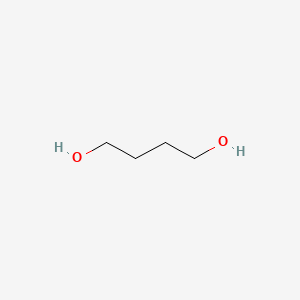
![1,4-Butanediol丨CAS 110-63-4]() 1,4-Butanediol丨CAS 110-63-4CAS No.: 110-63-4read more
1,4-Butanediol丨CAS 110-63-4CAS No.: 110-63-4read more
Product Name: 1,4-Butanediol
Molecular Formula: C4H10O2
Molecular Weight:... -
![FDCA丨CAS 3238-40-2]() FDCA丨CAS 3238-40-2Catalog No.: SS098300read more
FDCA丨CAS 3238-40-2Catalog No.: SS098300read more
CAS No.: 3238-40-2
Purity(HPLC): 99.9%min.
Product Name:... -
![Sodium Dodecyl Sulfate丨CAS 151-21-3]() Sodium Dodecyl Sulfate丨CAS 151-21-3CAS No.: 151-21-3read more
Sodium Dodecyl Sulfate丨CAS 151-21-3CAS No.: 151-21-3read more
Assay/Grade: EP11/99%min/95%min/CP2020
Product Name: Sodium dodecyl... -
![Glycerol丨CAS 56-81-5]() Glycerol丨CAS 56-81-5CAS No.: 56-81-5read more
Glycerol丨CAS 56-81-5CAS No.: 56-81-5read more
Grade: API/Injection/Pharmaceutical/Food/Industrial
Product Name:... -
![Cesium Carbonate丨CAS 534-17-8]() Cesium Carbonate丨CAS 534-17-8CAS No.: 534-17-8read more
Cesium Carbonate丨CAS 534-17-8CAS No.: 534-17-8read more
Assay: 99.9%min
Product Name: Cesium carbonate
Molecular Formula: Cs2CO3... -
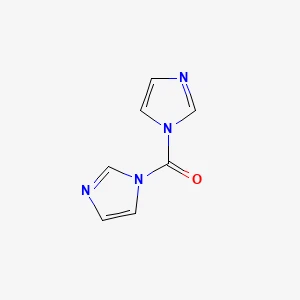
![1,1'-Carbonyldiimidazole丨CAS 530-62-1]() 1,1'-Carbonyldiimidazole丨CAS 530-62-1Catalog No.: SS080884read more
1,1'-Carbonyldiimidazole丨CAS 530-62-1Catalog No.: SS080884read more
CAS No.: 530-62-1
Assay(T): 98%min
Product Name:... -
![Palladium丨CAS 7440-05-3]() Palladium丨CAS 7440-05-3Catalog No.: SS067788read more
Palladium丨CAS 7440-05-3Catalog No.: SS067788read more
CAS No.: 7440-05-3
Assay(Pd): 10% Pd/C on dry basis.
Product Name:... -
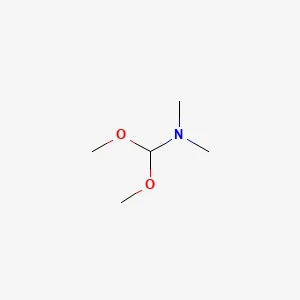
![N,N-Dimethylformamide Dimethyl Acetal丨CAS 4637-24-5]() N,N-Dimethylformamide Dimethyl Acetal丨CAS 4637-24-5Catalog No.: SS036295read more
N,N-Dimethylformamide Dimethyl Acetal丨CAS 4637-24-5Catalog No.: SS036295read more
CAS No.: 4637-24-5
Assay: 98%min
Product Name: N,N-Dimethylformamide...



Send Inquiry