


Catalog No.: SS133504
CAS No.: 64044-51-5
Grade: USP42/ EP11.0/ BP2023
Product Name: Lactose
Molecular Formula: C12H22O11.H2O
Molecular Weight: 360.31
Synonym(s):...
Product Introduction
Sugar Units, also known as monosaccharides, are the simplest form of carbohydrates and serve as the building blocks for more complex sugars like disaccharides and polysaccharides. They play an essential role in various biological processes, acting as a source of energy for cells, as well as components of nucleic acids (DNA and RNA). In both industrial and research contexts, sugar units are critical for biochemical processes, food production, and pharmaceutical formulations. Common sugar units include glucose, fructose, galactose, and ribose.
-
![Lactose丨CAS 64044-51-5]()
-
![D-mannopyranose 1,2,3,4,6-pentaacetate丨CAS 25941-03-1]() D-mannopyranose 1,2,3,4,6-pentaacetate丨CAS 25941-03-1Catalog No.: SS145031read more
D-mannopyranose 1,2,3,4,6-pentaacetate丨CAS 25941-03-1Catalog No.: SS145031read more
CAS No.: 25941-03-1
Purity: 98% min
Product Name: D-mannopyranose 1,2,3,4,6-pentaacetate
Molecular Formula: C16H22O11
Molecular Weight: 390.34
Synonym(s):... -
![D(-)-Fructose丨CAS 57-48-7]() D(-)-Fructose丨CAS 57-48-7Catalog No.: SS033875read more
D(-)-Fructose丨CAS 57-48-7Catalog No.: SS033875read more
CAS No.: 57-48-7
Grade/Assay: USP43/98.0~102.0%
Product Name: D(-)-Fructose
Molecular Formula: C6H12O6
Molecular Weight: 180.16
Synonym(s): D-Levulose; Fruit sugar -
![4-Methylumbelliferyl-beta-D-glucuronide丨CAS 6160-80-1]() 4-Methylumbelliferyl-beta-D-glucuronide丨CAS 6160-80-1Catalog No.: SS067055read more
4-Methylumbelliferyl-beta-D-glucuronide丨CAS 6160-80-1Catalog No.: SS067055read more
CAS No.: 6160-80-1
Purity(HPLC): 99%min
Product Name: 4-Methylumbelliferyl-beta-D-glucuronide
Molecular Formula: C16H16O9
Molecular Weight: 352.30
Synonym(s):... -
![L-Ribulose丨CAS 2042-27-5]() L-Ribulose丨CAS 2042-27-5Catalog No.: SS136226read more
L-Ribulose丨CAS 2042-27-5Catalog No.: SS136226read more
CAS No.: 2042-27-5
Purity: 95%min
Product Name: L-Ribulose
Molecular Formula: C5H10O5
Molecular Weight: 150.13 -
![Carbamic Acid, N-6-3,4,6-tri-O-acetyl-2-(acetylamino)-2-deoxy-β-D-galactopyranosyloxyhexyl-, Phenylmethyl Ester丨CAS 159173-77-0]() Carbamic Acid, N-6-3,4,6-tri-O-acetyl-2-(acetylamino)-2-d...Catalog No.: SS132474read more
Carbamic Acid, N-6-3,4,6-tri-O-acetyl-2-(acetylamino)-2-d...Catalog No.: SS132474read more
CAS No.: 159173-77-0
Purity(HPLC): 98% min
Product Name: Carbamic acid, N-6-3,4,6-tri-O-acetyl-2-(acetylamino)-2-deoxy-β-D-galactopyranosyloxyhexyl-, phenylmethyl ester
Molecular... -
![Ethyl Methyl 2,3,4-tri-O-acetyl-beta-D-glucopyranosiduronate丨CAS 77392-66-6]() Ethyl Methyl 2,3,4-tri-O-acetyl-beta-D-glucopyranosiduron...Catalog No.: SS116868read more
Ethyl Methyl 2,3,4-tri-O-acetyl-beta-D-glucopyranosiduron...Catalog No.: SS116868read more
CAS No.: 77392-66-6
Purity(HPLC): 98% min
Product Name: Ethyl methyl 2,3,4-tri-O-acetyl-beta-D-glucopyranosiduronate
Molecular Formula: C15H22O10
Molecular Weight: 362.32918... -
![L(+)-Arabinose丨CAS 87-72-9]() L(+)-Arabinose丨CAS 87-72-9Catalog No.: SS132715read more
L(+)-Arabinose丨CAS 87-72-9Catalog No.: SS132715read more
CAS No.: 87-72-9
Assay: 98.0% min
Product Name: L(+)-Arabinose
Molecular Formula: C5H10O5
Molecular Weight: 150.13 -
![2-Deoxy-2,2-difluoro-D-erythro-pentafuranous-1-ulose-3,5-dibenzoate丨CAS 122111-01-7]() 2-Deoxy-2,2-difluoro-D-erythro-pentafuranous-1-ulose-3,5-...Catalog No.: SS133058read more
2-Deoxy-2,2-difluoro-D-erythro-pentafuranous-1-ulose-3,5-...Catalog No.: SS133058read more
CAS No.: 122111-01-7
Assay(HPLC): 98%min
Product Name: 2-Deoxy-2,2-difluoro-D-erythro-pentafuranous-1-ulose-3,5-dibenzoate
Molecular Formula: C19H14F2O6
Molecular Weight:... -
![Tribenoside丨CAS 10310-32-4]() Tribenoside丨CAS 10310-32-4Catalog No.: SS132627read more
Tribenoside丨CAS 10310-32-4Catalog No.: SS132627read more
CAS No.: 10310-32-4
Grade: EP10
Product Name: Tribenoside
Molecular Formula: C29H34O6
Molecular Weight: 478.58 -
![Methyl Acetobromo-alpha-D-glucuronate丨CAS 21085-72-3]() Methyl Acetobromo-alpha-D-glucuronate丨CAS 21085-72-3Catalog No.: SS118679read more
Methyl Acetobromo-alpha-D-glucuronate丨CAS 21085-72-3Catalog No.: SS118679read more
CAS No.: 21085-72-3
Purity(HPLC): 98%min
Product Name: Methyl acetobromo-alpha-D-glucuronate
Certificate: ISO9001
Molecular Formula: C13H17BrO9
Molecular Weight:... -
![L(+)-Rhamnose Monohydrate丨CAS 10030-85-0]() L(+)-Rhamnose Monohydrate丨CAS 10030-85-0Catalog No.: SS020527read more
L(+)-Rhamnose Monohydrate丨CAS 10030-85-0Catalog No.: SS020527read more
CAS No.: 10030-85-0
Assay(HPLC): 98.0%min
Product Name: L(+)-Rhamnose monohydrate
Molecular Formula: C6H12O5.H2O
Molecular Weight: 182.17
Synonym(s):...


Product Advantages And Features
Primary Energy Source
Sugar units, particularly glucose, are the body’s primary source of energy, fueling cellular activities and metabolic processes.
Building Blocks for Complex Carbohydrates
Monosaccharides form the basis for more complex carbohydrates like starch and cellulose, which have various industrial and biological applications.
Vital in Cellular Communication
Sugar units are involved in cell signaling and molecular recognition, especially in glycoproteins and glycolipids that play a role in immune responses.
Versatile Industrial Use
Sugar units are used in food production, fermentation, cosmetics, and pharmaceuticals, making them highly versatile compounds.
Biocompatible
Since sugar units are naturally occurring in living organisms, they are biocompatible and safe for use in a wide range of applications, from medicine to cosmetics.
Involved in DNA and RNA Synthesis
Ribose and deoxyribose sugars are essential components of nucleic acids, highlighting their critical role in genetics and cellular functions.
Product Type
Glucose
The most common monosaccharide, glucose is essential for energy production in cells and is the primary sugar found in blood.
Fructose
Found naturally in fruits and honey, fructose is another energy-providing sugar unit used in food and beverage industries.
Galactose
Often combined with glucose to form lactose, galactose is a vital sugar in dairy products and important in the structure of biomolecules.
Ribose
A sugar unit that is a fundamental part of RNA molecules, essential for protein synthesis and various cellular processes.
Deoxyribose
A modified version of ribose found in DNA, where it forms the backbone structure of nucleic acid chains.
Mannose
A sugar unit involved in glycoprotein production and immune system function, with increasing research in therapeutic applications.
Application Of The Product
Sugar units are widely applied in various industries due to their diverse biological roles and functional properties:
01/
Food and Beverage Industry: Glucose and fructose are used as sweeteners, energy sources, and fermentation substrates in the production of beverages, baked goods, and other consumables.
02/
Pharmaceuticals: Sugars like ribose and deoxyribose are critical in the development of nucleic acid-based drugs and vaccines. Glucose solutions are used in IV therapy to provide immediate energy.
03/
Biotechnology: Sugar units are integral in biotechnological applications such as cell culture media, where glucose serves as a primary nutrient for growing cells.
04/
Cosmetics: Sugars are included in skincare products for their hydrating and exfoliating properties, as well as in biodegradable formulations.
05/
Biofuels: Sugar units, especially glucose, are fermented to produce ethanol, a renewable energy source used in biofuels.
06/
Research: In molecular biology and biochemistry, sugar units are used in studies related to metabolism, genetics, and cell signaling pathways.
Material Of The Product
Sugar units are typically derived from a variety of natural sources:
Plants
Many sugars, such as glucose and fructose, are extracted from plants like sugarcane, corn, and fruits. Plant-based sources are the most common for industrial production.
Honey
Honey contains natural sugars like fructose and glucose, which are used in food products and health supplements.
Lactose
Found in dairy products, lactose consists of glucose and galactose units, making it a valuable sugar in food production and pharmaceuticals.
Synthetic Sources
In some cases, sugar units are synthetically produced for use in pharmaceuticals and research applications to ensure high purity and consistency.
Production Process Or Procedure
The extraction, refinement, and synthesis of sugar units involve precise processes to ensure their quality and purity for various applications:
Extraction from Natural Sources
Sugar units are typically extracted from plant materials through a combination of mechanical and chemical processes. For example, glucose is often derived from corn via enzymatic hydrolysis.
Fermentation
In biofuel production, sugar units like glucose are fermented by microorganisms to produce ethanol. This process requires careful control to optimize yield and purity.
Crystallization
In food production, sugar units undergo crystallization to produce the solid sugar used in various products. The process ensures that the sugar is free from impurities.
Synthetic Processes
In the pharmaceutical industry, sugar units such as ribose can be synthetically produced to ensure a high level of purity and consistency, which is essential for DNA and RNA applications.
Components Of The Product
The core components of sugar units include:
Carbon Backbone
Sugars are composed of a carbon backbone (typically five or six carbon atoms) that forms a ring structure in solution.
Hydrogen and Oxygen Atoms
Sugars consist of hydrogen and oxygen atoms bonded to the carbon atoms, which form hydroxyl groups (-OH) that determine the sugar's chemical properties.
Functional Groups
Some sugar units, like ribose and deoxyribose, have additional functional groups that differentiate them from other sugars and make them suitable for specific biological functions.
Glycosidic Linkages
Sugar units can bond to other sugar molecules or molecules like proteins via glycosidic linkages, forming larger structures like polysaccharides or glycoproteins.
Product Maintenance And Precautions
Proper handling and storage of sugar units are crucial to maintaining their quality and preventing degradation:
Storage Conditions
Sugars should be stored in a cool, dry place to prevent crystallization or clumping. Exposure to moisture can lead to degradation or spoilage.
Temperature Sensitivity
Some sugars, particularly those used in pharmaceuticals or cosmetics, need to be stored at controlled temperatures to preserve their structural integrity.
Protection from Contamination
Sugars should be kept in sealed, airtight containers to prevent contamination from dust, moisture, or microorganisms, especially in industrial and research applications.
Shelf Life
Sugars have a long shelf life if stored properly, but certain specialized sugars used in research may have a shorter expiration period due to their high purity and sensitivity to environmental factors.
Company Advantages
Our Focus on Quality & Customer Experience
We dedicate to delivering high-quality products and exceptional customer service beyond your expectation.
Comprehensive Product Range
Extensive catalog of over 27,000 chemicals for diverse industries, offering both standard compounds and specialized solutions.
Strong Industry Expertise
Our experienced diverse team provides expert guidance, staying current with industry trends to deliver optimal chemical solutions tailored to your needs.
Competitive Pricing & Reliability
Competitive pricing and reliable deliveries ensure cost-effective, efficient supply chains without compromising quality.
How To Collaborate With Us
Partnering with LEAPChem gives you access to the expertise of a leading company with 18 years of experience in the chemical industry. We offer over 27,000 chemical substances tailored to meet diverse needs. All our products adhere to industry standards and are accompanied by the necessary certifications.
We collaborate with a wide range of partners, including:
• Research Laboratories
• Pharmaceutical Companies
• Cosmetics Manufacturers
• Electronics Manufacturers
• Chemical Manufacturers
• Universities and Colleges Worldwide
• And more.
We specialize in helping our clients find the right chemical solutions tailored to their specific requirements. Additionally, we provide custom synthesis services to meet the unique needs of our partners. Whether you need bulk quantities for industrial processes or small batches for specialized applications, we've got you covered.
If you are looking for a reliable chemical supplier, we would be delighted to hear from you. Please send your inquiry or project details to sales@leapchem.com. Our professional team is eager to collaborate with you and help achieve your goals.
FAQ
Q: What are sugar units?
A: Sugar units are the simplest form of carbohydrates (monosaccharides), such as glucose and fructose, which are essential for energy production and cellular processes.
Q: What is the most common sugar unit?
A: Glucose is the most common sugar unit, serving as the body's primary energy source and used widely in food, pharmaceuticals, and biotechnology.
Q: How are sugar units used in the food industry?
A: Sugar units like glucose and fructose are used as sweeteners, fermentation substrates, and preservatives in a wide range of food products.
Q: What role do sugar units play in pharmaceuticals?
A: Sugars such as ribose are critical in nucleic acid synthesis, while glucose is used in IV therapy to provide immediate energy to patients.
Q: Can sugar units be synthetically produced?
A: Yes, sugar units can be synthesized to ensure high purity and consistency, particularly for pharmaceutical and research purposes.
Q: What are the industrial uses of sugar units?
A: Sugar units are used in biofuel production, fermentation processes, cosmetics, and as building blocks for more complex carbohydrates in various applications.
Q: How do sugar units contribute to cellular function?
A: Sugar units provide energy to cells and play a role in cellular communication, particularly in glycoproteins and cell signaling pathways.
Q: What are the differences between glucose and fructose?
A: Glucose and fructose are both monosaccharides, but they differ in their structure and metabolism. Glucose is used directly by the body for energy, while fructose is primarily metabolized in the liver.
Q: What is ribose and why is it important?
A: Ribose is a sugar unit that forms part of the backbone of RNA, essential for protein synthesis and genetic expression.
Q: Are sugar units used in cosmetics?
A: Yes, sugars are used in skincare products for their hydrating and exfoliating properties, as well as in formulations that emphasize biocompatibility.
Q: How are sugar units stored?
A: Sugar units should be stored in a cool, dry place to prevent degradation or spoilage, particularly those used in food and pharmaceuticals.
Q: What are glycosidic linkages?
A: Glycosidic linkages are bonds that connect sugar units to other molecules, such as proteins or other sugars, forming larger and more complex structures like polysaccharides.
Hangzhou Leap Chem Co., Ltd. is well-known as one of the leading sugar units manufacturers and suppliers in China, also supports custom service. We warmly welcome you to wholesale bulk high quality sugar units from our factory.
sugar unitsPopular Products
-
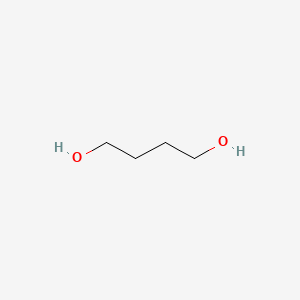
![1,4-Butanediol丨CAS 110-63-4]() 1,4-Butanediol丨CAS 110-63-4CAS No.: 110-63-4read more
1,4-Butanediol丨CAS 110-63-4CAS No.: 110-63-4read more
Product Name: 1,4-Butanediol
Molecular Formula: C4H10O2
Molecular Weight:... -
![FDCA丨CAS 3238-40-2]() FDCA丨CAS 3238-40-2Catalog No.: SS098300read more
FDCA丨CAS 3238-40-2Catalog No.: SS098300read more
CAS No.: 3238-40-2
Purity(HPLC): 99.9%min.
Product Name:... -
![Sodium Dodecyl Sulfate丨CAS 151-21-3]() Sodium Dodecyl Sulfate丨CAS 151-21-3CAS No.: 151-21-3read more
Sodium Dodecyl Sulfate丨CAS 151-21-3CAS No.: 151-21-3read more
Assay/Grade: EP11/99%min/95%min/CP2020
Product Name: Sodium dodecyl... -
![Glycerol丨CAS 56-81-5]() Glycerol丨CAS 56-81-5CAS No.: 56-81-5read more
Glycerol丨CAS 56-81-5CAS No.: 56-81-5read more
Grade: API/Injection/Pharmaceutical/Food/Industrial
Product Name:... -
![Cesium Carbonate丨CAS 534-17-8]() Cesium Carbonate丨CAS 534-17-8CAS No.: 534-17-8read more
Cesium Carbonate丨CAS 534-17-8CAS No.: 534-17-8read more
Assay: 99.9%min
Product Name: Cesium carbonate
Molecular Formula: Cs2CO3... -
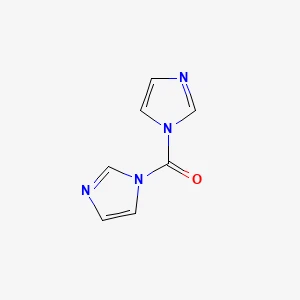
![1,1'-Carbonyldiimidazole丨CAS 530-62-1]() 1,1'-Carbonyldiimidazole丨CAS 530-62-1Catalog No.: SS080884read more
1,1'-Carbonyldiimidazole丨CAS 530-62-1Catalog No.: SS080884read more
CAS No.: 530-62-1
Assay(T): 98%min
Product Name:... -
![Palladium丨CAS 7440-05-3]() Palladium丨CAS 7440-05-3Catalog No.: SS067788read more
Palladium丨CAS 7440-05-3Catalog No.: SS067788read more
CAS No.: 7440-05-3
Assay(Pd): 10% Pd/C on dry basis.
Product Name:... -
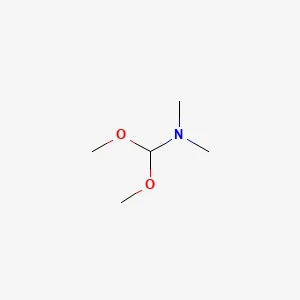
![N,N-Dimethylformamide Dimethyl Acetal丨CAS 4637-24-5]() N,N-Dimethylformamide Dimethyl Acetal丨CAS 4637-24-5Catalog No.: SS036295read more
N,N-Dimethylformamide Dimethyl Acetal丨CAS 4637-24-5Catalog No.: SS036295read more
CAS No.: 4637-24-5
Assay: 98%min
Product Name: N,N-Dimethylformamide...


Send Inquiry