


Catalog No.: SS084381
CAS No.: 2277-92-1
Grade/Assay: BP2023/98%-102%
Product Name: Oxyclozanide
Molecular Formula: C13H6Cl5NO3
Molecular Weight: 401.46
Synonym(s): Zanil
Product Introduction
Veterinary Medicines are pharmaceutical products designed specifically for the diagnosis, treatment, and prevention of diseases in animals. These medicines play a crucial role in animal health management, covering a wide range of species, from livestock to pets. Veterinary medicines ensure the well-being of animals, improve productivity in farming, and contribute to the prevention of zoonotic diseases—those that can be transmitted from animals to humans. They are vital for maintaining animal health, supporting food security, and ensuring the safety of animal-derived products.
-
![Oxyclozanide丨CAS 2277-92-1]()
-
![Monensin Sodium Salt丨CAS 22373-78-0]() Monensin Sodium Salt丨CAS 22373-78-0Catalog No.: SS135182read more
Monensin Sodium Salt丨CAS 22373-78-0Catalog No.: SS135182read more
CAS No.: 22373-78-0
Grade: 20%(100g:20g)
Product Name: Monensin sodium salt
Molecular Formula: C36H61NaO11
Molecular Weight: 692.86 -
![Closantel丨CAS 57808-65-8]() Closantel丨CAS 57808-65-8Catalog No.: SS136551read more
Closantel丨CAS 57808-65-8Catalog No.: SS136551read more
CAS No.: 57808-65-8
Assay: 98.0%~102.0%
Product Name: Closantel
Molecular Formula: C22H14Cl2I2N2O2
Molecular Weight: 663.08
Synonym(s):... -
![Oxfendazole丨CAS 53716-50-0]() Oxfendazole丨CAS 53716-50-0Catalog No.: SS118239read more
Oxfendazole丨CAS 53716-50-0Catalog No.: SS118239read more
CAS No.: 53716-50-0
Grade: EP11.0
Product Name: Oxfendazole
Molecular Formula: C15H13N3O3S
Molecular Weight: 315.35
Synonym(s):... -
![Maduramycin Ammonium丨CAS 84878-61-5]() Maduramycin Ammonium丨CAS 84878-61-5Catalog No.: SS089441read more
Maduramycin Ammonium丨CAS 84878-61-5Catalog No.: SS089441read more
CAS No.: 84878-61-5
Purity (Maduramy On dried): 90%min
Product Name: Maduramycin ammonium
Molecular Formula: C47H79O17.NH4
Molecular Weight: 934.17
Synonym(s): Cygro;... -
![Closantel Sodium丨CAS 61438-64-0]() Closantel Sodium丨CAS 61438-64-0Catalog No.: SS116971read more
Closantel Sodium丨CAS 61438-64-0Catalog No.: SS116971read more
CAS No.: 61438-64-0
Grade/Assay: BP2017/98%~102%
Product Name: Closantel sodium
Molecular Formula: C22H13Cl2I2N2NaO2
Molecular Weight: 685.06
Synonym(s): Closantel sodium... -
![Cefquinome Sulfate丨CAS 118443-89-3]() Cefquinome Sulfate丨CAS 118443-89-3Catalog No.: SS109778read more
Cefquinome Sulfate丨CAS 118443-89-3Catalog No.: SS109778read more
CAS No.: 118443-89-3
Grade: China pharmacopeia 2020
Product Name: Cefquinome sulfate
Molecular Formula: C23H24N6O5S2.H2SO4
Molecular Weight: 626.68 -
![Cephalonium丨CAS 5575-21-3]() Cephalonium丨CAS 5575-21-3Catalog No.: SS118071read more
Cephalonium丨CAS 5575-21-3Catalog No.: SS118071read more
CAS No.: 5575-21-3
Assay(on anhydrous): 98% min
Product Name: Cephalonium
Molecular Formula: C20H18N4O5S2
Molecular Weight: 458.51 -
![Valnemulin Hydrochloride丨CAS 133868-46-9]() Valnemulin Hydrochloride丨CAS 133868-46-9Catalog No.: SS118032read more
Valnemulin Hydrochloride丨CAS 133868-46-9Catalog No.: SS118032read more
CAS No.: 133868-46-9
Assay (on anhydrous): 96.5% min
Product Name: Valnemulin hydrochloride
Molecular Formula: C31H52N2O5S.HCl
Molecular Weight: 601.28 -
![Oxytetracycline Dihydrate丨CAS 6153-64-6]() Oxytetracycline Dihydrate丨CAS 6153-64-6Catalog No.: SS031510read more
Oxytetracycline Dihydrate丨CAS 6153-64-6Catalog No.: SS031510read more
CAS No.: 6153-64-6
Grade: USP38
Product Name: Oxytetracycline dihydrate
Molecular Formula: C22H26N2O10
Molecular Weight: 478.45 -
![Oxytetracycline Hydrochloride丨CAS 2058-46-0]() Oxytetracycline Hydrochloride丨CAS 2058-46-0Catalog No.: SS099004read more
Oxytetracycline Hydrochloride丨CAS 2058-46-0Catalog No.: SS099004read more
CAS No.: 2058-46-0
Grade: EP 10.0
Product Name: Oxytetracycline hydrochloride
Certificate: ISO9001; GMP
Molecular Formula: C22H24N2O9.HCl
Molecular Weight: 496.90 ... -
![Tulathromycin A丨CAS 217500-96-4]() Tulathromycin A丨CAS 217500-96-4Catalog No.: SS094987read more
Tulathromycin A丨CAS 217500-96-4Catalog No.: SS094987read more
CAS No.: 217500-96-4
Assay(on the dried substance): 96.0%~102.0%
Product Name: Tulathromycin A
Molecular Formula: C41H79N3O12
Molecular Weight: 806.08


Product Advantages And Features
Improved Animal Health
Veterinary medicines effectively treat and prevent diseases, ensuring animals remain healthy and productive.
Prevention of Zoonotic Diseases
By controlling animal diseases, veterinary medicines help prevent the transmission of zoonotic diseases to humans.
Increased Livestock Productivity
Healthy animals lead to higher production of milk, meat, eggs, and other products, boosting overall farm efficiency.
Wide Range of Treatments
Veterinary medicines cover a broad spectrum of conditions, including infections, parasites, nutritional deficiencies, and chronic diseases.
Animal Welfare Enhancement
These medicines improve the quality of life for pets and livestock by providing relief from pain, infections, and other ailments.
Product Type
Antibiotics
Used to treat bacterial infections in animals, antibiotics are crucial in combating diseases that affect both livestock and pets. They prevent the spread of infections and promote faster recovery.
Vaccines
Vaccines help prevent diseases by boosting the immune system, reducing the risk of outbreaks in livestock and pets. They are essential in controlling viral diseases like rabies, distemper, and foot-and-mouth disease.
Anti-Parasitics
Anti-parasitic medicines target internal and external parasites, such as worms, ticks, and fleas. They are vital in maintaining animal health and preventing parasite-borne illnesses.
Hormones
Veterinary hormones are used to regulate reproductive cycles, promote growth, and improve milk production in dairy animals.
Anti-inflammatory Drugs
These medicines are used to reduce inflammation, pain, and swelling in animals suffering from injuries, arthritis, or other inflammatory conditions.
Nutritional Supplements
Designed to address nutrient deficiencies, these supplements ensure animals receive the vitamins and minerals necessary for optimal health and productivity.
Anesthetics and Sedatives
Used during surgeries or medical procedures, these medicines help sedate or anesthetize animals, ensuring their safety and comfort.
Antifungal and Antiviral Medicines
These medicines treat fungal and viral infections, protecting animals from life-threatening diseases.
Probiotics
Probiotics are used to maintain a healthy gut flora in animals, improving digestion, nutrient absorption, and immune response.
Application Of The Product
Livestock Health Management
Veterinary medicines are essential in managing the health of livestock, ensuring they remain disease-free and productive. This includes treating infections, preventing parasite infestations, and improving reproductive efficiency.
Pet Care
Veterinary medicines are widely used in companion animals to treat various health issues, from infections and skin conditions to chronic diseases like diabetes and arthritis.
Disease Prevention
Vaccination is a key application of veterinary medicines, preventing the spread of infectious diseases in animals that could otherwise lead to severe economic losses or public health concerns.
Surgical Procedures
Anesthetics and pain relief medications are critical in veterinary surgeries and medical interventions, ensuring the safety and comfort of animals during procedures.
Parasitic Control
Anti-parasitic treatments are commonly used in both livestock and pets to control internal and external parasites, improving animal health and reducing the spread of parasitic diseases.
Nutritional Support
Nutritional supplements and probiotics help support overall health, particularly in animals with dietary deficiencies, ensuring optimal growth and productivity.
Material Of The Product
The materials used in veterinary medicines vary depending on the type of treatment. Common materials include:
Antibiotic Compounds
Such as penicillin, tetracycline, and sulfonamides, used for bacterial infections.
Vaccine Antigens
Derived from weakened or killed pathogens to stimulate the immune response without causing disease.
Anti-Parasitic Agents
Compounds like ivermectin or fenbendazole, designed to kill or repel parasites.
Hormonal Ingredients
Synthetic or natural hormones like oxytocin or estradiol for reproductive management and growth promotion.
Anti-Inflammatory Agents
Non-steroidal anti-inflammatory drugs (NSAIDs) like meloxicam or corticosteroids to manage pain and inflammation.
Vitamins and Minerals
Essential nutrients such as calcium, zinc, and vitamin D3, used in supplements to correct deficiencies.
Production Process Or Procedure
1. Research and Development
The creation of veterinary medicines starts with research to identify compounds that effectively treat animal diseases while ensuring safety for both the animals and consumers of animal products.
2. Formulation
Veterinary medicines are carefully formulated based on the type of animal, dosage requirements, and the disease being treated. This includes developing liquid, injectable, and oral formulations.
3. Testing and Approval
Before being released to the market, veterinary medicines undergo extensive testing for safety, efficacy, and potential side effects. Regulatory approval is required from veterinary health authorities.
4. Production and Quality Control
Manufacturing follows strict quality control procedures to ensure consistency, potency, and safety. Sterile environments are maintained to avoid contamination.
5. Packaging and Labeling
Veterinary medicines are packaged in secure, tamper-proof containers and labeled with dosage instructions, usage guidelines, and safety warnings.
Components Of The Product
Active Ingredients: The primary compounds responsible for treating or preventing diseases, such as antibiotics, anti-inflammatory agents, or antiparasitics.
Excipients: Inactive substances used to support the stability and delivery of the active ingredients, such as fillers, binders, and stabilizers.
Solvents: Used in liquid formulations to dissolve the active ingredients and ensure proper absorption in the animal’s system.
Preservatives: Added to prevent microbial growth in liquid medicines and ensure a longer shelf life.
Flavoring Agents: Often included in oral medications for pets to improve palatability and encourage easier administration.
Product Maintenance And Precautions
1
Proper Storage: Store veterinary medicines in a cool, dry place, away from direct sunlight and high temperatures. Refrigerate vaccines and other temperature-sensitive products as instructed.
2
Expiration Monitoring: Always check the expiration dates before using veterinary medicines. Expired products may lose their effectiveness and could pose risks to animal health.
3
Safe Handling: Wear gloves when handling veterinary medicines, particularly injectable and topical products, to prevent accidental exposure.
4
Correct Dosage: Administer the recommended dosage according to the animal's weight and the condition being treated. Overdosing or underdosing can lead to ineffective treatment or potential harm.
5
Disposal of Medicines: Properly dispose of unused or expired veterinary medicines by following local guidelines. Do not dispose of them in water sources or regular trash bins, as they can contaminate the environment.
Company Advantages
Our Focus on Quality & Customer Experience
We dedicate to delivering high-quality products and exceptional customer service beyond your expectation.
Comprehensive Product Range
Extensive catalog of over 27,000 chemicals for diverse industries, offering both standard compounds and specialized solutions.
Strong Industry Expertise
Our experienced diverse team provides expert guidance, staying current with industry trends to deliver optimal chemical solutions tailored to your needs.
Competitive Pricing & Reliability
Competitive pricing and reliable deliveries ensure cost-effective, efficient supply chains without compromising quality.
How To Collaborate With Us
Partnering with LEAPChem gives you access to the expertise of a leading company with 18 years of experience in the chemical industry. We offer over 27,000 chemical substances tailored to meet diverse needs. All our products adhere to industry standards and are accompanied by the necessary certifications.
We collaborate with a wide range of partners, including:
• Research Laboratories
• Pharmaceutical Companies
• Cosmetics Manufacturers
• Electronics Manufacturers
• Chemical Manufacturers
• Universities and Colleges Worldwide
• And more.
We specialize in helping our clients find the right chemical solutions tailored to their specific requirements. Additionally, we provide custom synthesis services to meet the unique needs of our partners. Whether you need bulk quantities for industrial processes or small batches for specialized applications, we've got you covered.
If you are looking for a reliable chemical supplier, we would be delighted to hear from you. Please send your inquiry or project details to sales@leapchem.com. Our professional team is eager to collaborate with you and help achieve your goals.
FAQ
Q: What are veterinary medicines used for?
A: Veterinary medicines are used to prevent, treat, and manage diseases in animals, improving their health and productivity.
Q: Can veterinary medicines be used in pets and livestock?
A: Yes, veterinary medicines are formulated for use in both pets (such as dogs and cats) and livestock (such as cattle, sheep, and poultry).
Q: Are antibiotics safe for animals?
A: When used under veterinary guidance, antibiotics are safe and effective in treating bacterial infections in animals. However, misuse can lead to antibiotic resistance.
Q: What are the common side effects of veterinary medicines?
A: Side effects vary by medication but can include allergic reactions, gastrointestinal issues, or temporary drowsiness. Always consult a veterinarian if side effects occur.
Q: Are there over-the-counter veterinary medicines?
A: Some veterinary medicines, like dewormers and nutritional supplements, are available over the counter, while others, such as antibiotics, require a prescription.
Q: How often should I administer vaccines to my pets or livestock?
A: Vaccination schedules depend on the type of animal and the disease. Your veterinarian can recommend the appropriate timing and frequency.
Q: Can humans take veterinary medicines?
A: No, veterinary medicines are formulated specifically for animals and should not be taken by humans under any circumstances.
Q: Do veterinary medicines require a prescription?
A: Many veterinary medicines, particularly antibiotics, vaccines, and anti-inflammatory drugs, require a prescription from a licensed veterinarian.
Q: Can I use expired veterinary medicines?
A: No, using expired veterinary medicines can be dangerous, as they may lose potency or become harmful. Always check expiration dates.
Q: Are there natural alternatives to veterinary medicines?
A: Some natural products, such as herbal supplements, are used in animal care. However, they are not a substitute for veterinary-prescribed medications when treating serious conditions.
Q: How do I know the correct dosage for my animal?
A: Dosage is typically determined by the animal's weight, age, and condition. Follow the veterinarian's instructions and the label guidelines.
Q: Can veterinary medicines be mixed with food?
A: Some medicines can be mixed with food to make administration easier, especially for pets. However, always consult your vet first to ensure this is safe and effective.
Q: Do veterinary medicines have withdrawal periods for livestock?
A: Yes, some veterinary medicines require a withdrawal period, during which the animal's meat, milk, or eggs should not be consumed to ensure safety for humans.
Q: What is the difference between veterinary medicines for pets and livestock?
A: While some medicines may overlap, livestock medicines often address large-scale issues like herd health and productivity, whereas pet medicines focus on individual animal care.
Q: How can I ensure the safe use of veterinary medicines?
A: Follow the veterinarian's instructions carefully, ensure proper storage, adhere to dosage guidelines, and monitor your animal for any adverse reactions.
Hangzhou Leap Chem Co., Ltd. is well-known as one of the leading veterinary medicines manufacturers and suppliers in China, also supports custom service. We warmly welcome you to wholesale bulk high quality veterinary medicines from our factory.
Sulfathiazole sodium, CAS 144 74 1, Apramycin sulfatePopular Products
-
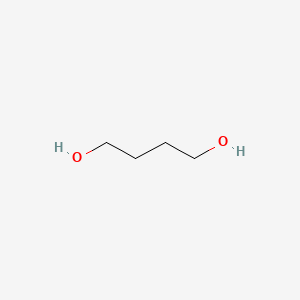
![1,4-Butanediol丨CAS 110-63-4]() 1,4-Butanediol丨CAS 110-63-4CAS No.: 110-63-4read more
1,4-Butanediol丨CAS 110-63-4CAS No.: 110-63-4read more
Product Name: 1,4-Butanediol
Molecular Formula: C4H10O2
Molecular Weight:... -
![FDCA丨CAS 3238-40-2]() FDCA丨CAS 3238-40-2Catalog No.: SS098300read more
FDCA丨CAS 3238-40-2Catalog No.: SS098300read more
CAS No.: 3238-40-2
Purity(HPLC): 99.9%min.
Product Name:... -
![Sodium Dodecyl Sulfate丨CAS 151-21-3]() Sodium Dodecyl Sulfate丨CAS 151-21-3CAS No.: 151-21-3read more
Sodium Dodecyl Sulfate丨CAS 151-21-3CAS No.: 151-21-3read more
Assay/Grade: EP11/99%min/95%min/CP2020
Product Name: Sodium dodecyl... -
![Glycerol丨CAS 56-81-5]() Glycerol丨CAS 56-81-5CAS No.: 56-81-5read more
Glycerol丨CAS 56-81-5CAS No.: 56-81-5read more
Grade: API/Injection/Pharmaceutical/Food/Industrial
Product Name:... -
![Cesium Carbonate丨CAS 534-17-8]() Cesium Carbonate丨CAS 534-17-8CAS No.: 534-17-8read more
Cesium Carbonate丨CAS 534-17-8CAS No.: 534-17-8read more
Assay: 99.9%min
Product Name: Cesium carbonate
Molecular Formula: Cs2CO3... -
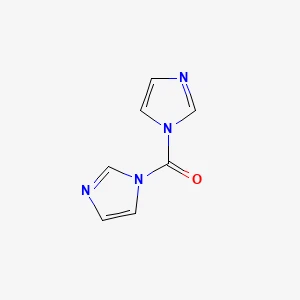
![1,1'-Carbonyldiimidazole丨CAS 530-62-1]() 1,1'-Carbonyldiimidazole丨CAS 530-62-1Catalog No.: SS080884read more
1,1'-Carbonyldiimidazole丨CAS 530-62-1Catalog No.: SS080884read more
CAS No.: 530-62-1
Assay(T): 98%min
Product Name:... -
![Palladium丨CAS 7440-05-3]() Palladium丨CAS 7440-05-3Catalog No.: SS067788read more
Palladium丨CAS 7440-05-3Catalog No.: SS067788read more
CAS No.: 7440-05-3
Assay(Pd): 10% Pd/C on dry basis.
Product Name:... -
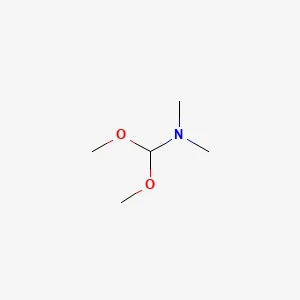
![N,N-Dimethylformamide Dimethyl Acetal丨CAS 4637-24-5]() N,N-Dimethylformamide Dimethyl Acetal丨CAS 4637-24-5Catalog No.: SS036295read more
N,N-Dimethylformamide Dimethyl Acetal丨CAS 4637-24-5Catalog No.: SS036295read more
CAS No.: 4637-24-5
Assay: 98%min
Product Name: N,N-Dimethylformamide...


Send Inquiry