


Catalog No.: SS130651
CAS No.: 61135-33-9
Purity: 98% min.
Product Name: 5-Ethynyl-2-deoxyuridine
Molecular Formula: C11H12N2O5
Molecular Weight: 252.22
Product Introduction
Fluorescein is a synthetic organic compound widely used as a fluorescent tracer in various scientific and medical applications. Known for its bright green fluorescence under ultraviolet or blue light, fluorescein is commonly utilized in diagnostics, biological research, ophthalmology, and chemical analysis. Its ability to bind with specific molecules and emit visible light makes it an invaluable tool for tracking and visualizing biological processes. Available in different forms, including sodium fluorescein and fluorescein isothiocyanate, it has applications ranging from detecting corneal injuries to mapping water flows in environmental studies.
-
![5-Ethynyl-2-deoxyuridine丨CAS 61135-33-9]()
-
![Fludrocortisone Acetate丨CAS 514-36-3]() Fludrocortisone Acetate丨CAS 514-36-3Catalog No.: SS128654read more
Fludrocortisone Acetate丨CAS 514-36-3Catalog No.: SS128654read more
CAS No.: 514-36-3
Grade/Assay: EP8.0/97% to 103%
Product Name: Fludrocortisone acetate
Molecular Formula: C23H31FO6
Molecular Weight: 422.49 -
![6-HEX丨CAS 155911-16-3]() 6-HEX丨CAS 155911-16-3Catalog No.: SS131747read more
6-HEX丨CAS 155911-16-3Catalog No.: SS131747read more
CAS No.: 155911-16-3
Purity: 95%min
Product Name: 6-HEX
Molecular Formula: C21H6Cl6O7
Molecular Weight: 582.99
Synonym(s):... -
![Fluorescein 6-isothiocyanate丨CAS 18861-78-4]() Fluorescein 6-isothiocyanate丨CAS 18861-78-4Catalog No.: SS131784read more
Fluorescein 6-isothiocyanate丨CAS 18861-78-4Catalog No.: SS131784read more
CAS No.: 18861-78-4
Purity(HPLC): 95%min
Product Name: Fluorescein 6-isothiocyanate
Molecular Formula: C21H11NO5S
Molecular Weight: 389.38
Synonym(s): Fluorescein... -
![6-Aminofluorescein丨CAS 51649-83-3]() 6-Aminofluorescein丨CAS 51649-83-3Catalog No.: SS131999read more
6-Aminofluorescein丨CAS 51649-83-3Catalog No.: SS131999read more
CAS No.: 51649-83-3
Purity(HPLC): 95%min
Product Name: 6-Aminofluorescein
Molecular Formula: C20H13NO5
Molecular Weight: 347.33
Synonym(s):... -
![5-Fluorescein Phosphoramidite丨CAS 204697-37-0]() 5-Fluorescein Phosphoramidite丨CAS 204697-37-0Catalog No.: SS086246read more
5-Fluorescein Phosphoramidite丨CAS 204697-37-0Catalog No.: SS086246read more
CAS No.: 204697-37-0
Assay(31P NMR): 95% min; Assay(HPLC): 95% min
Product Name: 5-Fluorescein phosphoramidite
Molecular Formula: C46H58N3O10P
Molecular Weight: 843.94... -
![D-Luciferin Potassium Salt丨CAS 115144-35-9]() D-Luciferin Potassium Salt丨CAS 115144-35-9Catalog No.: SS104591read more
D-Luciferin Potassium Salt丨CAS 115144-35-9Catalog No.: SS104591read more
CAS No.: 115144-35-9
Purity(HPLC): 99% min
Product Name: D-Luciferin potassium salt
Molecular Formula: C11H7KN2O3S2
Molecular Weight: 318.4
Synonym(s): Potassium... -
![D-Luciferin丨CAS 2591-17-5]() D-Luciferin丨CAS 2591-17-5Catalog No.: SS124268read more
D-Luciferin丨CAS 2591-17-5Catalog No.: SS124268read more
CAS No.: 2591-17-5
Assay: 98.0%min
Product Name: D-Luciferin
Molecular Formula: C11H8N2O3S2
Molecular Weight: 280.32
Synonym(s): Firefly Luciferin -
![Fluorescein Isothiocyanate丨CAS 27072-45-3]() Fluorescein Isothiocyanate丨CAS 27072-45-3Catalog No.: SS116874read more
Fluorescein Isothiocyanate丨CAS 27072-45-3Catalog No.: SS116874read more
CAS No.: 27072-45-3
Purity(HPLC): 95%min
Product Name: Fluorescein isothiocyanate
Molecular Formula: C21H11NO5S
Molecular Weight: 389.38
Synonym(s):... -
![5-Carboxyfluorescein丨CAS 76823-03-5]() 5-Carboxyfluorescein丨CAS 76823-03-5Catalog No.: SS019029read more
5-Carboxyfluorescein丨CAS 76823-03-5Catalog No.: SS019029read more
CAS No.: 76823-03-5
Purity(HPLC,254nm): 95%min.
Product Name: 5-Carboxyfluorescein
Molecular Formula: C21H12O7
Molecular Weight: 376.32
Synonym(s):... -
![6-Carboxyfluorescein丨CAS 3301-79-9]() 6-Carboxyfluorescein丨CAS 3301-79-9Catalog No.: SS131804read more
6-Carboxyfluorescein丨CAS 3301-79-9Catalog No.: SS131804read more
CAS No.: 3301-79-9
Purity: 99%min (HPLC)
Product Name: 6-Carboxyfluorescein
Molecular Formula: C21H12O7
Molecular Weight: 376.32
Synonym(s):... -
![5(6)-Carboxyfluorescein丨CAS 72088-94-9]() 5(6)-Carboxyfluorescein丨CAS 72088-94-9Catalog No.: SS115835read more
5(6)-Carboxyfluorescein丨CAS 72088-94-9Catalog No.: SS115835read more
CAS No.: 72088-94-9
Purity: 97%min
Product Name: 5(6)-Carboxyfluorescein
Molecular Formula: C21H12O7
Molecular Weight: 376.32
Synonym(s): 4(5)-Carboxyfluorescein;...


Product Advantages And Features
1
RHighly Fluorescent: Fluorescein emits a bright green color when exposed to light, making it ideal for detecting small concentrations of substances in biological and chemical assays.
2
Versatile Applications: From medical diagnostics to environmental studies, fluorescein is used across multiple fields for its excellent tracking and visualization properties.
3
Non-Toxic and Safe: Fluorescein is generally safe for use in medical procedures, such as eye exams and angiography, with minimal side effects.
4
Cost-Effective: Fluorescein is relatively inexpensive compared to other fluorescent tracers, making it a preferred choice in large-scale or routine studies.
5
Water-Soluble: Fluorescein dissolves easily in water, facilitating its use in biological and environmental applications where water-based solutions are required.
6
Long-Lasting Fluorescence: The compound maintains its fluorescent properties over time, providing consistent and reliable results in prolonged experiments or diagnostics.
7
Highly Sensitive: Fluorescein's sensitivity allows for the detection of minute quantities of substances, making it suitable for high-precision applications.
Product Type
Sodium Fluorescein
A water-soluble form used primarily in ophthalmology for diagnosing corneal injuries, foreign bodies in the eye, and retinal blood vessel health.
Fluorescein Isothiocyanate (FITC)
A derivative used extensively in biochemical research for labeling proteins, antibodies, and other biomolecules for fluorescence microscopy and flow cytometry.
Fluorescein Disodium Salt
Used in environmental applications, such as tracking water flow, detecting leaks in sewage systems, and studying river and ocean currents.
Fluorescein-Labeled Probes
These specialized forms of fluorescein are used in molecular biology for DNA sequencing and hybridization experiments, aiding in the detection of specific nucleotide sequences.
Topical Fluorescein Drops
Primarily used in clinical settings to detect abrasions, ulcers, and foreign bodies on the cornea.
Intravenous Fluorescein
Used in fluorescein angiography for visualizing blood flow in retinal and choroidal blood vessels in ophthalmology.
Application Of The Product
Fluorescein has a wide range of applications across various fields:
Ophthalmology: Fluorescein is widely used in eye exams to detect corneal injuries, foreign bodies, and monitor retinal blood vessels through fluorescein angiography.
Biological Research: FITC, a fluorescein derivative, is frequently used in immunofluorescence studies to label antibodies and track proteins in cell biology.
Environmental Science: Fluorescein is employed in tracking water flows, detecting leaks in pipelines, and studying the movement of contaminants in bodies of water.
Chemical Analysis: Used as a pH indicator and to track the movement of fluids in experiments, fluorescein is a common tool in chemical and biochemical studies.
Forensic Science: Fluorescein is used in crime scene investigations to detect latent blood stains, as it fluoresces under UV light when in contact with hemoglobin.
Clinical Diagnostics: Fluorescein-based tests can help diagnose various health conditions, including certain cancers, vascular disorders, and even gastric issues.
Cosmetic and Industrial Use: Some applications include using fluorescein as a colorant in cosmetics and tracer in industrial systems for leak detection.
Material Of The Product
Fluorescein is synthesized using a variety of chemical components that enable its unique fluorescent properties:
Phenol and Phthalic Anhydride
The core components used in the production of fluorescein. These compounds undergo a condensation reaction to form fluorescein's structure.
Sodium Salt (Sodium Fluorescein)
The most common form, sodium fluorescein is water-soluble and used extensively in medical and environmental applications.
Isothiocyanate Group
Found in fluorescein isothiocyanate (FITC), this reactive group allows fluorescein to bind with proteins, antibodies, and other molecules for use in research.
Hydroxyl Groups
These functional groups in fluorescein allow for its high solubility and reactivity, enabling it to be used in various chemical reactions and labeling techniques.
Production Process Or Procedure
The production of fluorescein involves precise chemical processes to ensure its effectiveness and purity:
Synthesis
Fluorescein is synthesized through the condensation of phthalic anhydride and resorcinol (or phenol), forming a highly fluorescent compound. This process requires careful temperature control and reaction times to produce pure fluorescein.
Purification
After synthesis, fluorescein undergoes purification to remove any unwanted by-products. Techniques such as recrystallization and chromatography are commonly used to achieve high purity levels.
Formulation
For different applications, fluorescein can be formulated into various products such as drops, powders, or solutions. In medical settings, it is often provided as a sterile solution for safe use.
Testing
Each batch of fluorescein is rigorously tested for fluorescence intensity, purity, and stability to ensure consistent performance in diagnostics and research applications.
Components Of The Product
Fluorescein products consist of several key components:
Active Ingredient (Fluorescein)
The core component responsible for fluorescence and its various applications in diagnostics and research.
Solvents
Depending on the form of fluorescein (e.g., sodium fluorescein), water or alcohol may be used as solvents to create liquid formulations for easier application.
Stabilizers
In certain formulations, stabilizers are added to prevent degradation and maintain the fluorescent properties of fluorescein over time.
Buffering Agents
Used in medical and laboratory applications to maintain the pH stability of fluorescein solutions, ensuring optimal performance in biological environments.
Product Maintenance And Precautions
To ensure the longevity and effectiveness of fluorescein, proper storage and handling are essential:
Storage Conditions
Fluorescein should be stored in a cool, dry place, away from direct sunlight. Exposure to light and heat can degrade its fluorescent properties.
Shelf Life
Always check expiration dates, as fluorescein can lose its fluorescence over time if stored improperly.
Handling
Handle fluorescein carefully to avoid contamination or spillage, especially when using powdered or liquid forms. In laboratory settings, wear protective gear to prevent skin or eye contact.
Disposal
Unused fluorescein should be disposed of according to local regulations, particularly in research or clinical settings, to avoid environmental contamination.
Company Advantages
Our Focus on Quality & Customer Experience
We dedicate to delivering high-quality products and exceptional customer service beyond your expectation.
Comprehensive Product Range
Extensive catalog of over 27,000 chemicals for diverse industries, offering both standard compounds and specialized solutions.
Strong Industry Expertise
Our experienced diverse team provides expert guidance, staying current with industry trends to deliver optimal chemical solutions tailored to your needs.
Competitive Pricing & Reliability
Competitive pricing and reliable deliveries ensure cost-effective, efficient supply chains without compromising quality.
How To Collaborate With Us
Partnering with LEAPChem gives you access to the expertise of a leading company with 18 years of experience in the chemical industry. We offer over 27,000 chemical substances tailored to meet diverse needs. All our products adhere to industry standards and are accompanied by the necessary certifications.
We collaborate with a wide range of partners, including:
• Research Laboratories
• Pharmaceutical Companies
• Cosmetics Manufacturers
• Electronics Manufacturers
• Chemical Manufacturers
• Universities and Colleges Worldwide
• And more.
We specialize in helping our clients find the right chemical solutions tailored to their specific requirements. Additionally, we provide custom synthesis services to meet the unique needs of our partners. Whether you need bulk quantities for industrial processes or small batches for specialized applications, we've got you covered.
If you are looking for a reliable chemical supplier, we would be delighted to hear from you. Please send your inquiry or project details to sales@leapchem.com. Our professional team is eager to collaborate with you and help achieve your goals.
FAQ
Q: What is fluorescein?
A: Fluorescein is a fluorescent compound used in diagnostics, research, and environmental applications for its ability to emit visible light when exposed to certain wavelengths.
Q: What is fluorescein used for?
A: It is used in eye exams, biological research, environmental studies, and chemical analysis to track movement, visualize processes, and detect leaks or abnormalities.
Q: How does fluorescein work?
A: Fluorescein absorbs light in the ultraviolet or blue range and emits it as bright green fluorescence, allowing it to be easily detected under specific lighting conditions.
Q: Is fluorescein safe for use in medical procedures?
A: Yes, fluorescein is generally considered safe for use in medical diagnostics, particularly in ophthalmology for detecting corneal injuries and in fluorescein angiography.
Q: How is fluorescein used in eye exams?
A: In eye exams, fluorescein is applied as eye drops to highlight damage to the cornea or detect foreign bodies under blue light.
Q: What are the different types of fluorescein?
A: The most common types include sodium fluorescein, fluorescein isothiocyanate (FITC), and fluorescein disodium salt, each suited for specific applications in medicine, research, or environmental studies.
Q: Can fluorescein be used for detecting leaks?
A: Yes, fluorescein is often used in environmental and industrial settings to detect leaks in water systems, pipes, and other fluid-containing structures.
Q: How should fluorescein be stored?
A: Store fluorescein in a cool, dry place, away from direct sunlight, to preserve its fluorescence and effectiveness.
Q: What are the side effects of fluorescein?
A: In rare cases, fluorescein can cause mild side effects, such as nausea, allergic reactions, or staining of the skin or clothes, but it is generally well-tolerated.
Q: Can fluorescein be used in biological research?
A: Yes, fluorescein is widely used in biological research for labeling proteins, tracking molecules, and studying cellular processes under fluorescence microscopy.
Q: What is FITC?
A: FITC (Fluorescein Isothiocyanate) is a derivative of fluorescein used to label biomolecules for fluorescence imaging and flow cytometry in research.
Q: Can fluorescein be harmful to the environment?
A: While fluorescein is generally considered safe, excessive amounts released into the environment should be avoided, as they may affect aquatic ecosystems.
Q: Is fluorescein suitable for long-term experiments?
A: Yes, fluorescein's fluorescence is stable, making it ideal for long-term tracking in experiments and diagnostic procedures.
Q: How long does fluorescein fluorescence last?
A: Fluorescein's fluorescence is long-lasting under proper conditions, but it can degrade over time if exposed to heat, light, or improper storage.
Q: Can fluorescein be reused?
A: In most cases, fluorescein is used for single applications, particularly in medical settings, to avoid contamination and ensure accurate results.
Hangzhou Leap Chem Co., Ltd. is well-known as one of the leading fluorescein manufacturers and suppliers in China, also supports custom service. We warmly welcome you to wholesale bulk high quality fluorescein from our factory.
fluoresceinPopular Products
-
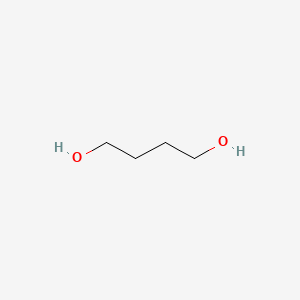
![1,4-Butanediol丨CAS 110-63-4]() 1,4-Butanediol丨CAS 110-63-4CAS No.: 110-63-4read more
1,4-Butanediol丨CAS 110-63-4CAS No.: 110-63-4read more
Product Name: 1,4-Butanediol
Molecular Formula: C4H10O2
Molecular Weight:... -
![FDCA丨CAS 3238-40-2]() FDCA丨CAS 3238-40-2Catalog No.: SS098300read more
FDCA丨CAS 3238-40-2Catalog No.: SS098300read more
CAS No.: 3238-40-2
Purity(HPLC): 99.9%min.
Product Name:... -
![Sodium Dodecyl Sulfate丨CAS 151-21-3]() Sodium Dodecyl Sulfate丨CAS 151-21-3CAS No.: 151-21-3read more
Sodium Dodecyl Sulfate丨CAS 151-21-3CAS No.: 151-21-3read more
Assay/Grade: EP11/99%min/95%min/CP2020
Product Name: Sodium dodecyl... -
![Glycerol丨CAS 56-81-5]() Glycerol丨CAS 56-81-5CAS No.: 56-81-5read more
Glycerol丨CAS 56-81-5CAS No.: 56-81-5read more
Grade: API/Injection/Pharmaceutical/Food/Industrial
Product Name:... -
![Cesium Carbonate丨CAS 534-17-8]() Cesium Carbonate丨CAS 534-17-8CAS No.: 534-17-8read more
Cesium Carbonate丨CAS 534-17-8CAS No.: 534-17-8read more
Assay: 99.9%min
Product Name: Cesium carbonate
Molecular Formula: Cs2CO3... -
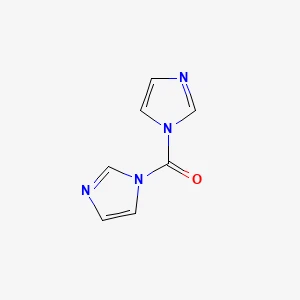
![1,1'-Carbonyldiimidazole丨CAS 530-62-1]() 1,1'-Carbonyldiimidazole丨CAS 530-62-1Catalog No.: SS080884read more
1,1'-Carbonyldiimidazole丨CAS 530-62-1Catalog No.: SS080884read more
CAS No.: 530-62-1
Assay(T): 98%min
Product Name:... -
![Palladium丨CAS 7440-05-3]() Palladium丨CAS 7440-05-3Catalog No.: SS067788read more
Palladium丨CAS 7440-05-3Catalog No.: SS067788read more
CAS No.: 7440-05-3
Assay(Pd): 10% Pd/C on dry basis.
Product Name:... -
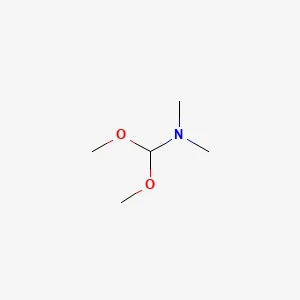
![N,N-Dimethylformamide Dimethyl Acetal丨CAS 4637-24-5]() N,N-Dimethylformamide Dimethyl Acetal丨CAS 4637-24-5Catalog No.: SS036295read more
N,N-Dimethylformamide Dimethyl Acetal丨CAS 4637-24-5Catalog No.: SS036295read more
CAS No.: 4637-24-5
Assay: 98%min
Product Name: N,N-Dimethylformamide...


Send Inquiry