


CAS No.: 104-80-3
Product Name: 2,5-Tetrahydrofurandimethanol
Molecular Formula: C6H12O3
Molecular Weight: 132.16
Synonym(s): THFDM
Product Introduction
Solvents are liquid substances used to dissolve, extract, or suspend other materials without chemically altering them. They play a crucial role in chemical reactions, pharmaceutical manufacturing, coatings, cleaning processes, and industrial applications. Common types include organic solvents (e.g., ethanol, acetone, and toluene) and inorganic solvents (e.g., water and ammonia). Solvents are widely used in paints, adhesives, cosmetics, and laboratory research, with high-purity grades available for analytical and pharmaceutical applications. Safe handling and proper selection are essential to ensure efficiency, stability, and regulatory compliance.
-
![2,5-Tetrahydrofurandimethanol (THFDM)丨CAS 104-80-3]()
-
![N,N-Dimethylacetamide丨CAS 127-19-5]() N,N-Dimethylacetamide丨CAS 127-19-5Catalog No.: SS145931read more
N,N-Dimethylacetamide丨CAS 127-19-5Catalog No.: SS145931read more
CAS No.: 127-19-5
Purity: 99.9%min
Product Name: N,N-Dimethylacetamide
Molecular Formula: C4H9NO
Molecular Weight: 87.12
Synonym(s): DMAC -
![Propyl Acetate丨CAS 109-60-4]() Propyl Acetate丨CAS 109-60-4Catalog No.: SS145817read more
Propyl Acetate丨CAS 109-60-4Catalog No.: SS145817read more
CAS No.: 109-60-4
N-propyl acetate(m/m): 99.7% min
Product Name: Propyl acetate
Certificates: ISO9001; REACH; ISO45001; ISO14001
Molecular Formula: C5H10O2
Molecular... -
![Formamide丨CAS 75-12-7]() Formamide丨CAS 75-12-7Catalog No.: SS109950read more
Formamide丨CAS 75-12-7Catalog No.: SS109950read more
CAS No.: 75-12-7
Assay: 99.5% min
Product Name: Formamide
Molecular Formula: CH3NO
Molecular Weight: 45.04 -
![Triethylene Glycol Butyl Ether丨CAS 143-22-6]() Triethylene Glycol Butyl Ether丨CAS 143-22-6Catalog No.: SS125665read more
Triethylene Glycol Butyl Ether丨CAS 143-22-6Catalog No.: SS125665read more
CAS No.: 143-22-6
Purity Wt Pct: 97%min
Product Name: Triethylene glycol butyl ether
Molecular Formula: C10H22O4
Molecular Weight: 206.28
Synonym(s):... -
![1-Ethoxy-2-(2-methoxyethoxy)ethane丨CAS 1002-67-1]() 1-Ethoxy-2-(2-methoxyethoxy)ethane丨CAS 1002-67-1Catalog No.: SS109138read more
1-Ethoxy-2-(2-methoxyethoxy)ethane丨CAS 1002-67-1Catalog No.: SS109138read more
CAS No.: 1002-67-1
Purity(a/a%): 99.5%min
Product Name: 1-Ethoxy-2-(2-methoxyethoxy)ethane
Certificate: ISO45001; ISO9001; ISO14001
Molecular Formula: C7H16O3
Molecular... -
![Diethylene Glycol Monohexyl Ether丨CAS 112-59-4]() Diethylene Glycol Monohexyl Ether丨CAS 112-59-4Catalog No.: SS142446read more
Diethylene Glycol Monohexyl Ether丨CAS 112-59-4Catalog No.: SS142446read more
CAS No.: 112-59-4
Purity: 98 wt% min
Product Name: Diethylene glycol monohexyl ether
Certificate: ISO45001; ISO9001; ISO14001
Molecular Formula: C10H22O3
Molecular Weight:... -
![Ethylene Glycol Diacetate丨CAS 111-55-7]() Ethylene Glycol Diacetate丨CAS 111-55-7Catalog No.: SS142744read more
Ethylene Glycol Diacetate丨CAS 111-55-7Catalog No.: SS142744read more
CAS No.: 111-55-7
Purity: 98%min
Product Name: Ethylene glycol diacetate
Certificate: ISO45001; CNAS; ISO14001
Molecular Formula: C6H10O4
Molecular Weight: 146.14... -
![2(2-Ethoxyethoxy)ethanol丨CAS 111-90-0]() 2(2-Ethoxyethoxy)ethanol丨CAS 111-90-0Catalog No.: SS140539read more
2(2-Ethoxyethoxy)ethanol丨CAS 111-90-0Catalog No.: SS140539read more
CAS No.: 111-90-0
Purity WT PCT: 99.0% min
Product Name: 2(2-Ethoxyethoxy)ethanol
Molecular Formula: C6H14O3
Molecular Weight: 134.17
Synonym(s): Carbitol; Diethylene... -
![Dibutyl Sulfide丨CAS 544-40-1]() Dibutyl Sulfide丨CAS 544-40-1Catalog No.: SS138015read more
Dibutyl Sulfide丨CAS 544-40-1Catalog No.: SS138015read more
CAS No.: 544-40-1
Purity(GC): 98.5% min
Product Name: Dibutyl sulfide
Molecular Formula: C8H18S
Molecular Weight: 146.29
Synonym(s): 1,1-Thiobisbutane; Butyl sulfide;... -
![1,3-Dioxolane丨CAS 646-06-0]() 1,3-Dioxolane丨CAS 646-06-0Catalog No.: SS141404read more
1,3-Dioxolane丨CAS 646-06-0Catalog No.: SS141404read more
CAS No.: 646-06-0
Grade/Purity: Electronic Grade/99.99% min
Product Name: 1,3-Dioxolane
Molecular Formula: C3H6O2
Molecular Weight: 74.08
Synonym(s): Ethylene glycol... -
![Trifluoroacetic Anhydride丨CAS 407-25-0]() Trifluoroacetic Anhydride丨CAS 407-25-0Catalog No.: SS139280read more
Trifluoroacetic Anhydride丨CAS 407-25-0Catalog No.: SS139280read more
CAS No.: 407-25-0
Purity: 99.5% min
Product Name: Trifluoroacetic anhydride
Certificate: ISO9001; ISO14001
Molecular Formula: C4F6O3
Molecular Weight: 210.03 ...


Product advantages and features
Facilitate Chemical Reactions
Solvents are essential in dissolving and dispersing reactants, enabling efficient chemical reactions and processes in laboratories, industries, and manufacturing.
Improve Product Formulation
Solvents help dissolve, dilute, or disperse substances to create uniform solutions or mixtures, enhancing the texture, stability, and performance of products such as paints, cosmetics, and pharmaceuticals.
Enhance Extraction Processes
Solvents are widely used in extraction techniques to separate valuable components from raw materials, such as extracting essential oils, natural products, and bioactive compounds.
Support Industrial Production
In industries such as pharmaceuticals, food processing, and chemicals, solvents are used to dissolve active ingredients and assist in formulating drugs, flavors, and additives.
Increase Efficiency of Laboratory Analysis
In analytical chemistry, solvents are crucial for sample preparation, purification, and separation processes such as chromatography, ensuring clean and accurate analysis.
Product type
01/
Water
The most common and universal polar solvent, used for dissolving a wide range of ionic compounds and polar molecules. It is essential in biological processes and laboratory applications.
02/
Alcohols
Polar solvents that can dissolve a wide variety of organic compounds, particularly hydrophobic substances. Common examples include methanol and ethanol, used in extraction, dissolution, and precipitation processes.
03/
Aromatics
Non-polar solvents with aromatic rings that are used to dissolve non-polar compounds. Examples include benzene, toluene, and xylene, commonly used in paint, coatings, and chemical synthesis.
04/
Acyclic Solvents
Non-polar solvents, typically alkanes, used for dissolving hydrophobic compounds. Examples include hexane, heptane, and cyclohexane, often used in extraction and purification.
05/
Ethers
Polar solvents with an oxygen atom bonded to two carbon atoms. Diethyl ether is commonly used in extraction, exothermic reactions, and solubilizing non-polar compounds.
06/
Ketones
Polar solvents with a carbonyl group, useful for dissolving a wide range of organic compounds. Examples: acetone, methyl ethyl ketone (MEK), commonly used in cleaning, degreasing, and solvent extraction.
05/
Esters
Polar organic solvents with ester groups, typically used for dissolving polymers and oils. Examples: ethyl acetate, butyl acetate, and methyl formate are used in painting, coatings, and chemical synthesis.
06/
Chlorinated Solvents
Halogenated solvents that are highly effective in dissolving non-polar compounds and are used in extraction, cleaning, and degreasing. Examples: chloroform, dichloromethane, and tetrachloroethylene.
Application of the product
Chemical Synthesis: Solvents provide a medium for reactants to interact, facilitating chemical reactions in processes like polymerization and pharmaceutical manufacturing.
Extraction and Purification: Solvents are used to extract specific compounds from natural sources and purify substances in laboratory or industrial processes.
Cleaning and Degreasing: Solvents like acetone and toluene are used to clean and degrease machinery, electronics, and metal surfaces by dissolving oils and residues.
Paints and Coatings: Solvents are employed in paints, varnishes, and coatings to dissolve pigments and resins, aiding in smooth application and faster drying.
Pharmaceuticals: Solvents dissolve active pharmaceutical ingredients (APIs) to form liquid medications, injections, and topical creams for proper absorption.
Cosmetics and Personal Care Products: Solvents help dissolve active ingredients and improve texture in cosmetic formulations like lotions, shampoos, and deodorants.
Laboratory Research: Solvents are essential in analytical techniques like titration and chromatography, where they dissolve samples for testing and separation.
Agriculture: Solvents are used in the formulation of pesticides, herbicides, and fertilizers to dissolve active ingredients for effective crop treatment and pest control.
Company advantages
Our Focus on Quality & Customer Experience
We dedicate to delivering high-quality products and exceptional customer service beyond your expectation.
Comprehensive Product Range
Extensive catalog of over 27,000 chemicals for diverse industries, offering both standard compounds and specialized solutions.
Strong Industry Expertise
Our experienced diverse team provides expert guidance, staying current with industry trends to deliver optimal chemical solutions tailored to your needs.
Competitive Pricing & Reliability
Competitive pricing and reliable deliveries ensure cost-effective, efficient supply chains without compromising quality.
How to collaborate with us
Partnering with LEAPChem gives you access to the expertise of a leading company with 18 years of experience in the chemical industry. We offer over 27,000 chemical substances tailored to meet diverse needs. All our products adhere to industry standards and are accompanied by the necessary certifications.
We collaborate with a wide range of partners, including:
• Research Laboratories
• Pharmaceutical Companies
• Cosmetics Manufacturers
• Electronics Manufacturers
• Chemical Manufacturers
• Universities and Colleges Worldwide
• And more.
We specialize in helping our clients find the right chemical solutions tailored to their specific requirements. Additionally, we provide custom synthesis services to meet the unique needs of our partners. Whether you need bulk quantities for industrial processes or small batches for specialized applications, we’ve got you covered.
If you are looking for a reliable chemical supplier, we would be delighted to hear from you. Please send your inquiry or project details to sales@leapchem.com. Our professional team is eager to collaborate with you and help achieve your goals.
FAQ
Q: What are solvents?
A: Solvents are substances, usually liquids, that dissolve other materials without chemically changing them, commonly used in industrial, laboratory, and household applications.
Q: What are the main types of solvents?
A: Solvents are classified into polar solvents (e.g., water, ethanol) and non-polar solvents (e.g., hexane, benzene). They can also be categorized as organic (carbon-based) or inorganic (such as water and ammonia).
Q: What are common examples of solvents?
A: Water, ethanol, acetone, methanol, isopropanol, chloroform, hexane, toluene, and acetonitrile are commonly used solvents.
Q: What are solvents used for?
A: Solvents are used in chemical synthesis, pharmaceutical production, laboratory analysis, cleaning, coatings, cosmetics, and industrial processes.
Q: How are solvents classified based on polarity?
A: Polar solvents dissolve polar substances (e.g., water, alcohols), while non-polar solvents dissolve non-polar substances (e.g., hydrocarbons like hexane).
Q: Why is solvent polarity important?
A: The polarity of a solvent determines its ability to dissolve different substances, affecting its use in chemical reactions, extractions, and separations.
Q: Are solvents hazardous?
A: Some solvents can be toxic, flammable, or volatile, requiring proper handling, ventilation, and storage. Always follow safety data sheets (SDS) for safe use.
Q: How should solvents be stored?
A: Solvents should be stored in cool, well-ventilated areas, away from heat and direct sunlight, in tightly sealed containers to prevent evaporation and contamination.
Q: Can solvents be recycled or reused?
A: Yes, many solvents can be recovered and purified through distillation or filtration for reuse, reducing waste and environmental impact.
Q: What is a green solvent?
A: Green solvents are environmentally friendly alternatives that reduce toxicity and pollution, such as water, supercritical CO₂, and bio-based solvents.
Q: How are solvents used in pharmaceuticals?
A: Solvents play a key role in drug formulation, extraction of active ingredients, and cleaning of pharmaceutical equipment.
Q: What are solvents used for in laboratory analysis?
A: Solvents are used in chromatography (HPLC, GC), spectrophotometry, extractions, and sample preparation for chemical analysis.
Q: Are solvents used in food production?
A: Yes, solvents like ethanol and hexane are used in food flavor extraction, decaffeination, and food additive production, but must meet safety regulations.
Q: What are volatile solvents?
A: Volatile solvents evaporate quickly at room temperature and are commonly used in paints, coatings, and cleaning solutions (e.g., acetone, methanol).
Q: How are solvents disposed of safely?
A: Solvents should be disposed of according to hazardous waste guidelines, avoiding direct disposal into drains or the environment to prevent pollution.
Hangzhou Leap Chem Co., Ltd. is well-known as one of the leading solvents manufacturers and suppliers in China, also supports custom service. We warmly welcome you to wholesale bulk high quality solvents from our factory.
106-89-8, CAS 872 50 4, solventsPopular Products
-
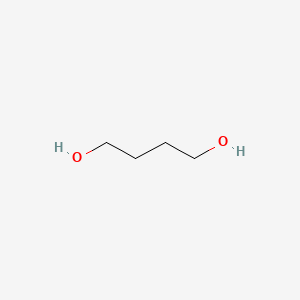
![1,4-Butanediol丨CAS 110-63-4]() 1,4-Butanediol丨CAS 110-63-4CAS No.: 110-63-4read more
1,4-Butanediol丨CAS 110-63-4CAS No.: 110-63-4read more
Product Name: 1,4-Butanediol
Molecular Formula: C4H10O2
Molecular Weight:... -
![FDCA丨CAS 3238-40-2]() FDCA丨CAS 3238-40-2Catalog No.: SS098300read more
FDCA丨CAS 3238-40-2Catalog No.: SS098300read more
CAS No.: 3238-40-2
Purity(HPLC): 99.9%min.
Product Name:... -
![Sodium Dodecyl Sulfate丨CAS 151-21-3]() Sodium Dodecyl Sulfate丨CAS 151-21-3CAS No.: 151-21-3read more
Sodium Dodecyl Sulfate丨CAS 151-21-3CAS No.: 151-21-3read more
Assay/Grade: EP11/99%min/95%min/CP2020
Product Name: Sodium dodecyl... -
![Glycerol丨CAS 56-81-5]() Glycerol丨CAS 56-81-5CAS No.: 56-81-5read more
Glycerol丨CAS 56-81-5CAS No.: 56-81-5read more
Grade: API/Injection/Pharmaceutical/Food/Industrial
Product Name:... -
![Cesium Carbonate丨CAS 534-17-8]() Cesium Carbonate丨CAS 534-17-8CAS No.: 534-17-8read more
Cesium Carbonate丨CAS 534-17-8CAS No.: 534-17-8read more
Assay: 99.9%min
Product Name: Cesium carbonate
Molecular Formula: Cs2CO3... -
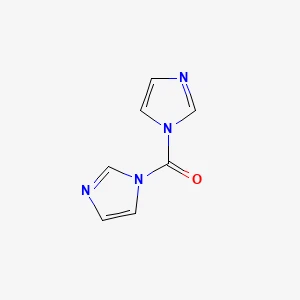
![1,1'-Carbonyldiimidazole丨CAS 530-62-1]() 1,1'-Carbonyldiimidazole丨CAS 530-62-1Catalog No.: SS080884read more
1,1'-Carbonyldiimidazole丨CAS 530-62-1Catalog No.: SS080884read more
CAS No.: 530-62-1
Assay(T): 98%min
Product Name:... -
![Palladium丨CAS 7440-05-3]() Palladium丨CAS 7440-05-3Catalog No.: SS067788read more
Palladium丨CAS 7440-05-3Catalog No.: SS067788read more
CAS No.: 7440-05-3
Assay(Pd): 10% Pd/C on dry basis.
Product Name:... -
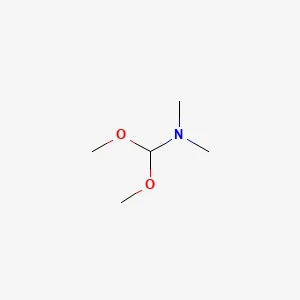
![N,N-Dimethylformamide Dimethyl Acetal丨CAS 4637-24-5]() N,N-Dimethylformamide Dimethyl Acetal丨CAS 4637-24-5Catalog No.: SS036295read more
N,N-Dimethylformamide Dimethyl Acetal丨CAS 4637-24-5Catalog No.: SS036295read more
CAS No.: 4637-24-5
Assay: 98%min
Product Name: N,N-Dimethylformamide...


Send Inquiry