


Catalog No.: SS098300
CAS No.: 3238-40-2
Purity(HPLC): 99.9%min.
Product Name: 2,5-Furandicarboxylic acid
Certificates: ISO/REACH/USDA
Molecular Formula: C6H4O5
Molecular Weight: 156.09...
Product Introduction
Resins are versatile organic compounds, either naturally derived or synthetically produced, used in a wide range of industries, including coatings, adhesives, plastics, and more. They serve as key binding agents in paints, varnishes, and composite materials, providing strength, durability, and flexibility. Resins can be thermoplastic or thermosetting, with each type offering specific properties suitable for various applications. From automotive coatings to furniture manufacturing, resins are fundamental in delivering high-performance products with enhanced functionality and longevity.
-
![FDCA丨CAS 3238-40-2]()
-
![Trimethylene Carbonate丨CAS 2453-03-4]() Trimethylene Carbonate丨CAS 2453-03-4CAS No.: 2453-03-4read more
Trimethylene Carbonate丨CAS 2453-03-4CAS No.: 2453-03-4read more
Product Name: Trimethylene carbonate
Molecular Formula: C4H6O3
Molecular Weight: 102.09
Synonym(s): 1,3-Dioxan-2-one -
![Poly(D,L-lactide)丨CAS 26023-30-3]() Poly(D,L-lactide)丨CAS 26023-30-3CAS No.: 26023-30-3read more
Poly(D,L-lactide)丨CAS 26023-30-3CAS No.: 26023-30-3read more
Product Name: Poly(D,L-lactide)
Molecular Formula: (C3H4O2)n
Synonym(s): Poly[oxy(1-methyl-2-oxo-1,2-ethanediyl)] -
![Alginic Acid丨CAS 9005-32-7]()
-
![2,5-Bis(aminomethyl)furan (BAMF)丨CAS 2213-51-6]() 2,5-Bis(aminomethyl)furan (BAMF)丨CAS 2213-51-6CAS No.: 2213-51-6read more
2,5-Bis(aminomethyl)furan (BAMF)丨CAS 2213-51-6CAS No.: 2213-51-6read more
Product Name: 2,5-Bis(aminomethyl)furan
Molecular Formula: C6H10N2O
Molecular Weight: 126.16
Synonym(s): BAMF -
![4-Hydroxystyrene丨CAS 2628-17-3]() 4-Hydroxystyrene丨CAS 2628-17-3Catalog No.: SS100768read more
4-Hydroxystyrene丨CAS 2628-17-3Catalog No.: SS100768read more
CAS No.: 2628-17-3
Purity(HPLC): 99%min.
Product Name: 4-Hydroxystyrene
Molecular Formula: C8H8O
Molecular Weight: 120.15
Synonym(s): 4-Vinylphenol; p-Vinylphenol -
![Dimethyl Maleate丨CAS 624-48-6]() Dimethyl Maleate丨CAS 624-48-6Catalog No.: SS035800read more
Dimethyl Maleate丨CAS 624-48-6Catalog No.: SS035800read more
CAS No.: 624-48-6
Purity(GC): 99%min
Product Name: Dimethyl maleate
Molecular Formula: C6H8O4
Molecular Weight: 144.13 -
![Tris(pentafluorophenyl)borane丨CAS 1109-15-5]() Tris(pentafluorophenyl)borane丨CAS 1109-15-5Catalog No.: SS136487read more
Tris(pentafluorophenyl)borane丨CAS 1109-15-5Catalog No.: SS136487read more
CAS No.: 1109-15-5
Assay: 98%min
Product Name: Tris(pentafluorophenyl)borane
Molecular Formula: C18BF15
Molecular Weight: 511.98 -
![1,4-Dioxane-2,5-dione丨CAS 502-97-6]() 1,4-Dioxane-2,5-dione丨CAS 502-97-6Catalog No.: SS126112read more
1,4-Dioxane-2,5-dione丨CAS 502-97-6Catalog No.: SS126112read more
CAS No.: 502-97-6
Purity: 98% min
Product Name: 1,4-Dioxane-2,5-dione
Molecular Formula: C4H4O4
Molecular Weight: 116.07
Synonym(s): Glycolide -
![Knorr Resin丨CAS 431041-83-7]() Knorr Resin丨CAS 431041-83-7Catalog No.: SS138460read more
Knorr Resin丨CAS 431041-83-7Catalog No.: SS138460read more
CAS No.: 431041-83-7
Loading: 0.3-0.8mmol/g
Product Name: Knorr Resin
Molecular Formula: C47H44N2O6
Molecular Weight: 732.86206 -
![Bisphenol A丨CAS 80-05-7]() Bisphenol A丨CAS 80-05-7Catalog No.: SS110069read more
Bisphenol A丨CAS 80-05-7Catalog No.: SS110069read more
CAS No.: 80-05-7
Purity: 99.6%min
Product Name: Bisphenol A
Molecular Formula: C15H16O2
Molecular Weight: 228.29
Synonym(s): 2,2-Bis-4-hydroxyphenylpropane;... -
![Ethyl Methacrylate丨CAS 97-63-2]() Ethyl Methacrylate丨CAS 97-63-2Catalog No.: SS003200read more
Ethyl Methacrylate丨CAS 97-63-2Catalog No.: SS003200read more
CAS No.: 97-63-2
Purity: 99.5% min
Product Name: Ethyl methacrylate
Molecular Formula: C6H10O2
Molecular Weight: 114.14


Product Advantages And Features
Durability
Resins provide superior strength and resistance to environmental factors like moisture, chemicals, and heat, enhancing the longevity of products.
Versatility
Resins can be used in a multitude of applications, from protective coatings and adhesives to molded plastics and composites.
Chemical Resistance
Many resins, especially epoxies and polyurethanes, offer excellent resistance to chemicals, making them ideal for industrial and protective coatings.
Adhesion
Resins improve the bonding of materials, ensuring strong adhesion in coatings, laminates, and adhesives.
Flexibility
Certain resins offer flexibility and elasticity, which is essential for applications requiring movement without cracking or breaking.
Customization
Resins can be formulated to meet specific requirements, such as UV resistance, heat resistance, or enhanced transparency.
Product Type
Epoxy Resins
Known for their excellent adhesive properties and chemical resistance, epoxy resins are used in coatings, adhesives, and composite materials. They provide strong, durable bonds and are widely used in industrial and construction applications.
Polyester Resins
Often used in fiberglass, marine, and automotive industries, polyester resins provide high strength and durability. They cure quickly and are commonly used in composite materials and reinforced plastics.
Acrylic Resins
These resins are used in coatings, adhesives, and sealants, offering superior clarity, UV resistance, and color retention. Acrylic resins are also widely used in water-based coatings.
Polyurethane Resins
Known for their flexibility, toughness, and abrasion resistance, polyurethane resins are used in a variety of applications, from protective coatings to foam products.
Phenolic Resins
Used in heat-resistant and fireproof applications, phenolic resins provide excellent thermal stability and are often found in electrical components and high-temperature adhesives.
Alkyd Resins
Commonly used in paints and varnishes, alkyd resins provide good gloss, durability, and resistance to wear. They are widely used in both solvent-based and water-based coatings.
Application Of The Product
01/
Protective Coatings: Resins are the primary binding agents in protective coatings for cars, industrial machinery, and infrastructure, providing durability and resistance to wear, corrosion, and chemicals.
02/
Adhesives: Many resins, especially epoxy and polyurethane, are used in high-performance adhesives for bonding various materials like metal, wood, and plastics.
03/
Composite Materials: Resins are essential in the production of composite materials such as fiberglass, carbon fiber, and reinforced plastics, which are used in industries like aerospace, automotive, and construction.
04/
Construction: In construction, resins are used in floor coatings, sealants, and structural adhesives, providing long-lasting protection and bonding strength.
05/
Electronics: Epoxy and phenolic resins are used in electrical components and circuit boards due to their insulating properties and heat resistance.
06/
Marine Industry: Polyester resins are widely used in boat construction and repair due to their water resistance and strength.
Material Of The Product
1
Monomers: These are the building blocks of resins. For example, epichlorohydrin is used in the production of epoxy resins, while styrene is used in polyester resins.
2
Catalysts: Catalysts are added to initiate the polymerization process, allowing the resin to cure or harden. Common catalysts include peroxide-based compounds for polyester resins.
3
Fillers: Fillers such as talc, calcium carbonate, and silica are added to resins to improve their mechanical properties, reduce cost, and modify viscosity.
4
Additives: Various additives such as UV stabilizers, flame retardants, and plasticizers are incorporated into resins to enhance performance in specific applications.
5
Cross-Linking Agents: Used in thermosetting resins like epoxies, cross-linking agents help create a network structure, improving the strength and heat resistance of the final product.
6
Solvents: Solvents like acetone or toluene are used to modify the viscosity of resins for easier application in coatings or adhesives.
Production Process Or Procedure
The manufacturing of resins involves a highly controlled chemical process, where monomers undergo polymerization to form the desired resin type. This process includes the careful selection of raw materials to achieve specific physical and chemical properties. During production, additives such as stabilizers, plasticizers, and fillers are introduced to modify the resin’s behavior under different conditions. Advanced technology and quality control measures ensure the consistency, purity, and performance of the resins. Whether the resin is used in coatings, adhesives, or composites, the craftsmanship behind its production ensures optimal results tailored to its intended application.
Components Of The Product
Base Resin: The primary polymer or monomer that forms the backbone of the resin. Examples include bisphenol A for epoxy resins and styrene for polyester resins.
Curing Agents: Chemicals that harden or "cure" the resin, such as amines in epoxy resins or peroxide-based initiators in polyester resins.
Additives: These include UV absorbers, stabilizers, and flame retardants, which are added to improve the resin’s performance in specific environments.
Fillers: Materials like silica or clay that are added to enhance mechanical strength, reduce shrinkage, and improve cost-effectiveness.
Pigments: Used to impart color to the resin, pigments are common in coatings and plastic applications where aesthetic appearance is important.
Plasticizers: Added to make the resin more flexible and workable, plasticizers are especially important in polyurethane and PVC applications.
Product Maintenance And Precautions
1. Storage
Store resins in a cool, dry place, away from direct sunlight and moisture to prevent premature curing or degradation. Keep containers tightly sealed to avoid contamination.
2. Handling
Always wear appropriate protective gear, such as gloves and masks, when handling resins, as certain types can be hazardous to skin and respiratory health.
3. Mixing
When preparing two-component resins like epoxies, ensure precise mixing ratios for optimal curing and performance. Follow manufacturer instructions carefully.
4. Shelf Life
Monitor the expiration dates of resins, as their performance may degrade over time if not used within the specified period.
5. Cleaning
Clean tools and equipment immediately after use with appropriate solvents to prevent resin buildup and hardening.
6. Disposal
Dispose of unused resins and their containers in compliance with local environmental regulations, as improper disposal can lead to contamination.
Company Advantages
Our Focus on Quality & Customer Experience
We dedicate to delivering high-quality products and exceptional customer service beyond your expectation.
Comprehensive Product Range
Extensive catalog of over 27,000 chemicals for diverse industries, offering both standard compounds and specialized solutions.
Strong Industry Expertise
Our experienced diverse team provides expert guidance, staying current with industry trends to deliver optimal chemical solutions tailored to your needs.
Competitive Pricing & Reliability
Competitive pricing and reliable deliveries ensure cost-effective, efficient supply chains without compromising quality.
How To Collaborate With Us
Partnering with LEAPChem gives you access to the expertise of a leading company with 18 years of experience in the chemical industry. We offer over 27,000 chemical substances tailored to meet diverse needs. All our products adhere to industry standards and are accompanied by the necessary certifications.
We collaborate with a wide range of partners, including:
• Research Laboratories
• Pharmaceutical Companies
• Cosmetics Manufacturers
• Electronics Manufacturers
• Chemical Manufacturers
• Universities and Colleges Worldwide
• And more.
We specialize in helping our clients find the right chemical solutions tailored to their specific requirements. Additionally, we provide custom synthesis services to meet the unique needs of our partners. Whether you need bulk quantities for industrial processes or small batches for specialized applications, we've got you covered.
If you are looking for a reliable chemical supplier, we would be delighted to hear from you. Please send your inquiry or project details to sales@leapchem.com. Our professional team is eager to collaborate with you and help achieve your goals.
FAQ
Q: What are resins used for?
A: Resins are used in a wide range of applications, including coatings, adhesives, plastics, and composite materials, due to their binding and protective properties.
Q: What is the difference between thermoplastic and thermosetting resins?
A: Thermoplastic resins soften when heated and can be reshaped, while thermosetting resins harden permanently and cannot be remolded once cured.
Q: How are epoxy resins different from polyester resins?
A: Epoxy resins offer superior adhesion, chemical resistance, and strength, while polyester resins are more cost-effective and are often used in fiberglass and marine applications.
Q: Are resins safe to use?
A: Most resins are safe when handled properly, but some may emit fumes or cause skin irritation, so it's important to follow safety guidelines and wear protective gear.
Q: How do I store resins?
A: Store resins in a cool, dry place, away from direct sunlight and moisture, and ensure containers are sealed tightly to prevent contamination.
Q: What are curing agents in resins?
A: Curing agents are chemicals added to resins to initiate the hardening process. For example, amines are commonly used with epoxy resins, while peroxides are used with polyester resins.
Q: Can resins be used outdoors?
A: Yes, resins such as acrylic and polyurethane are commonly used in outdoor coatings due to their UV resistance and durability.
Q: What are fillers in resins?
A: Fillers are materials added to resins to improve mechanical strength, reduce shrinkage, and lower costs. Examples include talc, silica, and calcium carbonate.
Q: Can resins be painted over?
A: Yes, resins, once cured, can be sanded and painted. However, the surface may need to be primed to ensure proper adhesion of the paint.
Q: What are the environmental impacts of resins?
A: Some synthetic resins can have environmental impacts if not disposed of properly, but there are also eco-friendly resin alternatives available, such as bio-based resins.
Q: How do UV stabilizers in resins work?
A: UV stabilizers absorb or block ultraviolet light, preventing the resin from degrading when exposed to sunlight, which helps in outdoor applications.
Q: Can I repair damaged resin surfaces?
A: Yes, small cracks or damages in resin surfaces can often be repaired using additional resin or adhesives, depending on the type of damage.
Q: Do resins degrade over time?
A: Resins can degrade over time, especially if exposed to harsh environmental conditions, but additives like UV stabilizers and antioxidants can prolong their lifespan.
Q: Are there eco-friendly resins available?
A: Yes, there are eco-friendly resins made from renewable resources, such as bio-based epoxies and plant-derived polyester resins.
Q: What are some common additives in resins?
A: Common additives include UV stabilizers, flame retardants, pigments, plasticizers, and fillers, each serving to enhance the performance of the resin in specific applications.
Hangzhou Leap Chem Co., Ltd. is well-known as one of the leading resins manufacturers and suppliers in China, also supports custom service. We warmly welcome you to wholesale bulk high quality resins from our factory.
Dibutyl maleate, CAS 2224 15 9, CAS 9002 84 0Popular Products
-
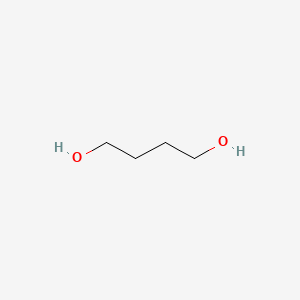
![1,4-Butanediol丨CAS 110-63-4]() 1,4-Butanediol丨CAS 110-63-4CAS No.: 110-63-4read more
1,4-Butanediol丨CAS 110-63-4CAS No.: 110-63-4read more
Product Name: 1,4-Butanediol
Molecular Formula: C4H10O2
Molecular Weight:... -
![FDCA丨CAS 3238-40-2]() FDCA丨CAS 3238-40-2Catalog No.: SS098300read more
FDCA丨CAS 3238-40-2Catalog No.: SS098300read more
CAS No.: 3238-40-2
Purity(HPLC): 99.9%min.
Product Name:... -
![Sodium Dodecyl Sulfate丨CAS 151-21-3]() Sodium Dodecyl Sulfate丨CAS 151-21-3CAS No.: 151-21-3read more
Sodium Dodecyl Sulfate丨CAS 151-21-3CAS No.: 151-21-3read more
Assay/Grade: EP11/99%min/95%min/CP2020
Product Name: Sodium dodecyl... -
![Glycerol丨CAS 56-81-5]() Glycerol丨CAS 56-81-5CAS No.: 56-81-5read more
Glycerol丨CAS 56-81-5CAS No.: 56-81-5read more
Grade: API/Injection/Pharmaceutical/Food/Industrial
Product Name:... -
![Cesium Carbonate丨CAS 534-17-8]() Cesium Carbonate丨CAS 534-17-8CAS No.: 534-17-8read more
Cesium Carbonate丨CAS 534-17-8CAS No.: 534-17-8read more
Assay: 99.9%min
Product Name: Cesium carbonate
Molecular Formula: Cs2CO3... -
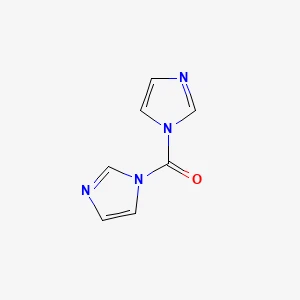
![1,1'-Carbonyldiimidazole丨CAS 530-62-1]() 1,1'-Carbonyldiimidazole丨CAS 530-62-1Catalog No.: SS080884read more
1,1'-Carbonyldiimidazole丨CAS 530-62-1Catalog No.: SS080884read more
CAS No.: 530-62-1
Assay(T): 98%min
Product Name:... -
![Palladium丨CAS 7440-05-3]() Palladium丨CAS 7440-05-3Catalog No.: SS067788read more
Palladium丨CAS 7440-05-3Catalog No.: SS067788read more
CAS No.: 7440-05-3
Assay(Pd): 10% Pd/C on dry basis.
Product Name:... -
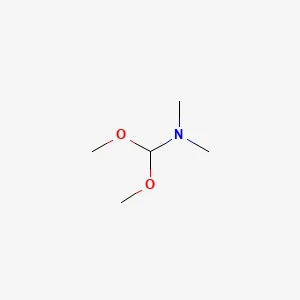
![N,N-Dimethylformamide Dimethyl Acetal丨CAS 4637-24-5]() N,N-Dimethylformamide Dimethyl Acetal丨CAS 4637-24-5Catalog No.: SS036295read more
N,N-Dimethylformamide Dimethyl Acetal丨CAS 4637-24-5Catalog No.: SS036295read more
CAS No.: 4637-24-5
Assay: 98%min
Product Name: N,N-Dimethylformamide...


Send Inquiry