


Catalog No.: SS111755
CAS No.: 593-50-0
Policosanol or Total alcohols: 98%min
Product Name: 1-Triacontanol
Molecular Formula: C30H62O
Molecular Weight: 438.82
Synonym(s): Melissyl alcohol;...
Product Introduction
Plant Growth Regulators (PGRs) are chemical substances that influence the growth, development, and differentiation of plants. These compounds can either promote or inhibit various physiological processes, including cell division, root and shoot growth, flowering, and fruit ripening. PGRs are essential tools in agriculture and horticulture, helping farmers and growers manage plant growth for improved yield, quality, and efficiency. Whether controlling plant height or inducing early flowering, PGRs allow for more precise management of crop production to meet market demands.
-
![1-Triacontanol丨CAS 593-50-0]()
-
![N-(2-Ethylhexyl)-5-norbornene-2,3-dicarboximide丨CAS 113-48-4]() N-(2-Ethylhexyl)-5-norbornene-2,3-dicarboximide丨CAS 113-48-4Catalog No.: SS133092read more
N-(2-Ethylhexyl)-5-norbornene-2,3-dicarboximide丨CAS 113-48-4Catalog No.: SS133092read more
CAS No.: 113-48-4
Assay (GC): 98%min
Product Name: N-(2-Ethylhexyl)-5-norbornene-2,3-dicarboximide
Molecular Formula: C17H25NO2
Molecular Weight: 275.39
Synonym(s): MGK 264... -
![Chlormequat Chloride丨CAS 999-81-5]() Chlormequat Chloride丨CAS 999-81-5Catalog No.: SS130852read more
Chlormequat Chloride丨CAS 999-81-5Catalog No.: SS130852read more
CAS No.: 999-81-5
Content: 98.0%min
Product Name: Chlormequat chloride
Molecular Formula: C5H13Cl2N
Molecular Weight: 158.07
Synonym(s):... -
![Benzyladenine丨CAS 1214-39-7]() Benzyladenine丨CAS 1214-39-7Catalog No.: SS107101read more
Benzyladenine丨CAS 1214-39-7Catalog No.: SS107101read more
CAS No.: 1214-39-7
Content(HPLC): 98%min
Product Name: Benzyladenine
Molecular Formula: C12H11N5
Molecular Weight: 225.25
Synonym(s): N-Benzyl-adenine;... -
![2-Diethylaminoethyl Hexanoate丨CAS 10369-83-2]() 2-Diethylaminoethyl Hexanoate丨CAS 10369-83-2Catalog No.: SS009305read more
2-Diethylaminoethyl Hexanoate丨CAS 10369-83-2Catalog No.: SS009305read more
CAS No.: 10369-83-2
Assay: 98% min
Product Name: 2-Diethylaminoethyl hexanoate
Molecular Formula: C12H25NO2
Molecular Weight: 215.33
Synonym(s): 2-(Diethylamino)ethyl... -
![Paclobutrazol丨CAS 76738-62-0]() Paclobutrazol丨CAS 76738-62-0Catalog No.: SS130051read more
Paclobutrazol丨CAS 76738-62-0Catalog No.: SS130051read more
CAS No.: 76738-62-0
Assay: 95% min
Product Name: Paclobutrazol
Molecular Formula: C15H20ClN3O
Molecular Weight: 293.79
Synonym(s): Friazole -
![Forchlorfenuron丨CAS 68157-60-8]() Forchlorfenuron丨CAS 68157-60-8Catalog No.: SS097067read more
Forchlorfenuron丨CAS 68157-60-8Catalog No.: SS097067read more
CAS No.: 68157-60-8
Assay(HPLC): 98%min
Product Name: Forchlorfenuron
Molecular Formula: C12H10ClN3O
Molecular Weight: 247.68
Synonym(s): 1-(2-chloropyridin-4-yl)-3-phenylurea -
![Thidiazuron丨CAS 51707-55-2]() Thidiazuron丨CAS 51707-55-2Catalog No.: SS011675read more
Thidiazuron丨CAS 51707-55-2Catalog No.: SS011675read more
CAS No.: 51707-55-2
Assay: 95%min
Product Name: Thidiazuron
Molecular Formula: C9H8N4OS
Molecular Weight: 220.25
Synonym(s): 1-Phenyl-3-(1,2,3-thiadiazol-5-yl)urea -
![(+)-Abscisic Acid丨CAS 21293-29-8]() (+)-Abscisic Acid丨CAS 21293-29-8Catalog No.: SS130843read more
(+)-Abscisic Acid丨CAS 21293-29-8Catalog No.: SS130843read more
CAS No.: 21293-29-8
Purity(HPLC): 98% min
Product Name: (+)-Abscisic acid
Molecular Formula: C15H20O4
Molecular Weight: 264.32
Synonym(s): Abscisic acid; (+)-cis,trans-Abscisic Acid -
![3-Indolebutyric Acid丨CAS 133-32-4]() 3-Indolebutyric Acid丨CAS 133-32-4Catalog No.: SS117966read more
3-Indolebutyric Acid丨CAS 133-32-4Catalog No.: SS117966read more
CAS No.: 133-32-4
Content: 98% min
Product Name: 3-Indolebutyric acid
Molecular Formula: C12H13NO2
Molecular Weight: 203.24
Synonym(s): Indole-3-Butyric Acid -
![Indole-3-acetic Acid丨CAS 87-51-4]() Indole-3-acetic Acid丨CAS 87-51-4Catalog No.: SS113134read more
Indole-3-acetic Acid丨CAS 87-51-4Catalog No.: SS113134read more
CAS No.: 87-51-4
Content(HPLC): 98% min
Product Name: Indole-3-acetic acid
Molecular Formula: C10H9NO2
Molecular Weight: 175.18
Synonym(s): Indoleacetic acid -
![Maleic Hydrazide丨CAS 123-33-1]() Maleic Hydrazide丨CAS 123-33-1Catalog No.: SS011508read more
Maleic Hydrazide丨CAS 123-33-1Catalog No.: SS011508read more
CAS No.: 123-33-1
Content: 99% min
Product Name: Maleic Hydrazide
Molecular Formula: C4H4N2O2
Molecular Weight: 112.09
Synonym(s): 3,6-Pyridazinediol; Maleic acid...


Product Advantages And Features
Enhanced Crop Yield
PGRs can optimize plant growth, leading to higher yields by controlling flowering, fruiting, and root development.
Improved Fruit Quality
By regulating growth and ripening, PGRs enhance the size, color, and taste of fruits, improving their market value.
Stress Resistance
PGRs can increase plants’ tolerance to environmental stressors like drought, temperature fluctuations, and salinity, ensuring better performance in challenging conditions.
Controlled Growth Patterns
Used to manage plant size and structure, PGRs help control excessive growth, making harvesting easier and preventing plant damage in high-density planting systems.
Targeted Action
PGRs can be applied in precise amounts to achieve specific outcomes, such as delaying fruit ripening, promoting root growth, or accelerating germination.
Product Type
1
Auxins: Auxins promote cell elongation, root initiation, and bud formation. They are commonly used to stimulate root growth in cuttings and control fruit drop.
2
Cytokinins: Cytokinins promote cell division and delay leaf aging. They are often used to enhance shoot growth and increase leaf size.
3
Gibberellins: Gibberellins encourage stem elongation, seed germination, and fruit enlargement. They are frequently applied to increase fruit size in grapes and citrus.
4
Ethylene: Ethylene regulates fruit ripening, flower wilting, and leaf drop. It is widely used to accelerate ripening in crops like tomatoes, bananas, and mangoes.
5
Abscisic Acid (ABA): ABA plays a key role in seed dormancy and stress responses. It helps plants withstand drought and other environmental stresses by closing stomata to reduce water loss.
6
Synthetic Growth Regulators: These are lab-manufactured compounds that mimic the effects of natural hormones. They are used to control plant height, promote root formation, or induce flowering.
7
Growth Inhibitors: These chemicals slow down or halt plant growth, often used to reduce excessive vegetative growth and manage plant size, especially in ornamental plants and turf grass.
Application Of The Product
Agricultural Crops
PGRs are widely used in agriculture to manage crop growth and improve yield. For example, they help promote root development in seedlings, enhance fruit size in orchards, and regulate flowering time in crops like cotton and wheat.
Horticulture and Floriculture
In horticulture, PGRs control the growth of ornamental plants, flowers, and shrubs. They help manage plant size, induce blooming, and improve plant aesthetics for landscaping and commercial sales.
Fruit Ripening Control
Ethylene-based PGRs are used to manage the timing of fruit ripening in bananas, tomatoes, and other fruits to align with market demands and improve post-harvest handling.
Seed Germination and Dormancy
PGRs like gibberellins break seed dormancy and promote faster germination, making them vital for seed treatments in commercial seed production.
Stress Resistance in Plants
By applying abscisic acid (ABA), plants can be made more resistant to drought, salinity, and temperature stress, allowing them to thrive in less-than-ideal environmental conditions.
Turf and Lawn Management
PGRs are used to reduce mowing frequency by slowing grass growth in golf courses, sports fields, and commercial landscapes, ensuring consistent appearance and reducing maintenance costs.
Material Of The Product
The materials used in producing PGRs vary depending on the type and desired effect. Common materials include:
Indole Acetic Acid (IAA)
A natural auxin used in synthetic formulations to promote rooting and bud growth.
Cytokinins (e.g., Kinetin, Zeatin)
Used to encourage cell division and leaf expansion.
Gibberellic Acid (GA3)
A widely used gibberellin that promotes growth and fruit enlargement.
Ethephon
A compound that releases ethylene gas, used for fruit ripening and flower induction.
Abscisic Acid (ABA)
Used to manage water stress and enhance drought tolerance.
Paclobutrazol
A synthetic growth inhibitor that slows down plant growth and promotes compactness.
Production Process Or Procedure
Extraction of Natural Hormones: Many PGRs, like auxins and gibberellins, are derived from natural plant sources through extraction and purification processes.
Synthetic Synthesis: Some PGRs are chemically synthesized in laboratories to mimic natural hormones or enhance their stability and effectiveness.
Formulation: After production, PGRs are formulated into liquid concentrates, granules, or powders to make them easier to apply in the field.
Quality Control: Rigorous testing ensures that PGRs meet the required purity levels and efficacy standards before being distributed for agricultural use.
Packaging and Storage: PGRs are carefully packaged to preserve their activity and prevent degradation, typically in sealed containers or bottles stored in controlled environments.
Components Of The Product
Active Hormonal Ingredients
These are the core compounds responsible for influencing plant growth, such as auxins, gibberellins, or cytokinins.
Stabilizers
Used to maintain the stability and shelf life of PGRs, ensuring their effectiveness during storage.
Solvents
Help dissolve the active ingredients in liquid formulations for easier application in the field.
Surfactants
Added to improve the distribution and absorption of PGRs when sprayed onto plants.
Preservatives
Ensure the longevity and prevent the breakdown of the product during storage and application.
Product Maintenance And Precautions
1. Storage Conditions
PGRs should be stored in cool, dry areas away from direct sunlight. They should remain sealed in their original containers to prevent contamination and degradation.
2. Proper Handling
Always wear protective gloves and masks when handling PGRs to avoid skin contact or inhalation. Follow safety guidelines outlined on the product label.
3. Expiration Monitoring
Regularly check the expiration dates of PGRs. Using products beyond their expiration may reduce their effectiveness or lead to undesired plant responses.
4. Mixing and Application
Ensure that PGRs are mixed correctly with water or other solvents as instructed. Improper mixing can result in poor performance or plant damage.
5. Disposal of Containers
Dispose of empty containers following local regulations. Do not reuse containers to store other substances, as residue from PGRs may remain.
Company Advantages
Our Focus on Quality & Customer Experience
We dedicate to delivering high-quality products and exceptional customer service beyond your expectation.
Comprehensive Product Range
Extensive catalog of over 27,000 chemicals for diverse industries, offering both standard compounds and specialized solutions.
Strong Industry Expertise
Our experienced diverse team provides expert guidance, staying current with industry trends to deliver optimal chemical solutions tailored to your needs.
Competitive Pricing & Reliability
Competitive pricing and reliable deliveries ensure cost-effective, efficient supply chains without compromising quality.
How To Collaborate With Us
Partnering with LEAPChem gives you access to the expertise of a leading company with 18 years of experience in the chemical industry. We offer over 27,000 chemical substances tailored to meet diverse needs. All our products adhere to industry standards and are accompanied by the necessary certifications.
We collaborate with a wide range of partners, including:
• Research Laboratories
• Pharmaceutical Companies
• Cosmetics Manufacturers
• Electronics Manufacturers
• Chemical Manufacturers
• Universities and Colleges Worldwide
• And more.
We specialize in helping our clients find the right chemical solutions tailored to their specific requirements. Additionally, we provide custom synthesis services to meet the unique needs of our partners. Whether you need bulk quantities for industrial processes or small batches for specialized applications, we've got you covered.
If you are looking for a reliable chemical supplier, we would be delighted to hear from you. Please send your inquiry or project details to sales@leapchem.com. Our professional team is eager to collaborate with you and help achieve your goals.
FAQ
Q: What are Plant Growth Regulators (PGRs)?
A: Plant Growth Regulators are chemical substances that influence the growth and development of plants, controlling processes like flowering, fruiting, and root growth.
Q: How do PGRs work?
A: PGRs either promote or inhibit certain plant physiological functions, such as cell division, elongation, and ripening, depending on the specific type of regulator used.
Q: What are the benefits of using PGRs in agriculture?
A: PGRs help farmers manage crop growth more precisely, improve fruit quality, increase yields, and make plants more resilient to environmental stressors.
Q: Are PGRs safe for plants?
A: When used correctly according to guidelines, PGRs are safe for plants and can greatly enhance growth. However, overuse or incorrect application can result in plant damage.
Q: How are PGRs applied?
A: PGRs can be applied as foliar sprays, soil drenches, or seed treatments, depending on the desired effect and crop type.
Q: Can PGRs be used on all plants?
A: PGRs are used for a wide variety of plants, including agricultural crops, fruit trees, flowers, and turf grass. Specific PGRs are formulated for different plant types.
Q: What is the difference between natural and synthetic PGRs?
A: Natural PGRs are derived from plant hormones, while synthetic PGRs are lab-manufactured compounds that mimic or enhance the effects of natural hormones.
Are PGRs used in organic farming?
Some PGRs, particularly natural or bio-based ones, may be allowed in organic farming. However, synthetic PGRs are generally not permitted in organic certification programs.
Q: How do PGRs help with fruit ripening?
A: Ethylene-based PGRs are commonly used to accelerate or synchronize fruit ripening, making harvesting more efficient and ensuring better market quality.
Q: Do PGRs affect plant health?
A: PGRs can promote better plant health by enhancing root development, improving stress resistance, and ensuring more efficient nutrient use.
Q: Can PGRs prevent fruit drop?
A: Yes, certain PGRs like auxins are used to prevent premature fruit drop, ensuring that crops reach full maturity before harvest.
Q: How do I know which PGR to use?
A: The choice of PGR depends on the desired outcome, such as promoting root growth, controlling plant height, or accelerating fruit ripening. Consult with an agronomist or product specialist for guidance.
Q: Are PGRs environmentally friendly?
A: Many modern PGRs are designed to be environmentally friendly and biodegradable. However, it's essential to follow application guidelines to avoid any adverse effects.
Q: Can PGRs be mixed with other agrochemicals?
A: Some PGRs can be tank-mixed with other fertilizers or pesticides, but compatibility depends on the specific products. Always check product labels for compatibility instructions.
Q: How long do PGRs take to show results?
A: The effect of PGRs varies depending on the type of regulator and plant species. Some PGRs, like ethylene-based ones, show rapid results, while others, like gibberellins, may take several days to weeks.
Hangzhou Leap Chem Co., Ltd. is well-known as one of the leading plant growth regulators manufacturers and suppliers in China, also supports custom service. We warmly welcome you to wholesale bulk high quality plant growth regulators from our factory.
CAS 420 04 2, Nitenpyram, CAS 150824 47 8Popular Products
-
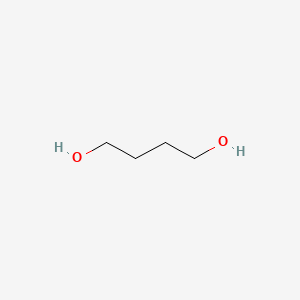
![1,4-Butanediol丨CAS 110-63-4]() 1,4-Butanediol丨CAS 110-63-4CAS No.: 110-63-4read more
1,4-Butanediol丨CAS 110-63-4CAS No.: 110-63-4read more
Product Name: 1,4-Butanediol
Molecular Formula: C4H10O2
Molecular Weight:... -
![FDCA丨CAS 3238-40-2]() FDCA丨CAS 3238-40-2Catalog No.: SS098300read more
FDCA丨CAS 3238-40-2Catalog No.: SS098300read more
CAS No.: 3238-40-2
Purity(HPLC): 99.9%min.
Product Name:... -
![Sodium Dodecyl Sulfate丨CAS 151-21-3]() Sodium Dodecyl Sulfate丨CAS 151-21-3CAS No.: 151-21-3read more
Sodium Dodecyl Sulfate丨CAS 151-21-3CAS No.: 151-21-3read more
Assay/Grade: EP11/99%min/95%min/CP2020
Product Name: Sodium dodecyl... -
![Glycerol丨CAS 56-81-5]() Glycerol丨CAS 56-81-5CAS No.: 56-81-5read more
Glycerol丨CAS 56-81-5CAS No.: 56-81-5read more
Grade: API/Injection/Pharmaceutical/Food/Industrial
Product Name:... -
![Cesium Carbonate丨CAS 534-17-8]() Cesium Carbonate丨CAS 534-17-8CAS No.: 534-17-8read more
Cesium Carbonate丨CAS 534-17-8CAS No.: 534-17-8read more
Assay: 99.9%min
Product Name: Cesium carbonate
Molecular Formula: Cs2CO3... -
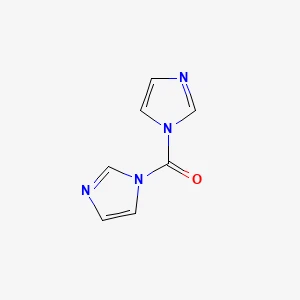
![1,1'-Carbonyldiimidazole丨CAS 530-62-1]() 1,1'-Carbonyldiimidazole丨CAS 530-62-1Catalog No.: SS080884read more
1,1'-Carbonyldiimidazole丨CAS 530-62-1Catalog No.: SS080884read more
CAS No.: 530-62-1
Assay(T): 98%min
Product Name:... -
![Palladium丨CAS 7440-05-3]() Palladium丨CAS 7440-05-3Catalog No.: SS067788read more
Palladium丨CAS 7440-05-3Catalog No.: SS067788read more
CAS No.: 7440-05-3
Assay(Pd): 10% Pd/C on dry basis.
Product Name:... -
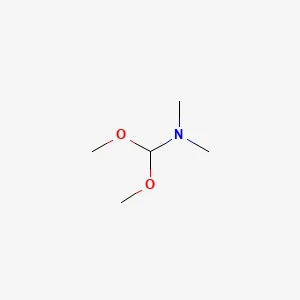
![N,N-Dimethylformamide Dimethyl Acetal丨CAS 4637-24-5]() N,N-Dimethylformamide Dimethyl Acetal丨CAS 4637-24-5Catalog No.: SS036295read more
N,N-Dimethylformamide Dimethyl Acetal丨CAS 4637-24-5Catalog No.: SS036295read more
CAS No.: 4637-24-5
Assay: 98%min
Product Name: N,N-Dimethylformamide...



Send Inquiry