


Catalog No.: SS138646
CAS No.: 26099-09-2
Solid content % (1g,74±2°C, Atmospheric baking 1.5h,then vacuum drying 4h): 50 min
Product Name: Polymaleic acid
Molecular Formula: (C4H4O4)n
Product Introduction
Water Treatment chemicals are specialized substances used to improve water quality by removing contaminants, controlling microbial growth, and preventing scaling or corrosion in water systems. These chemicals are essential for purifying water in municipal, industrial, and commercial applications, ensuring it meets safety and quality standards for human consumption, industrial processes, or environmental discharge. Common types of water treatment chemicals include coagulants, flocculants, disinfectants, scale inhibitors, and pH adjusters. Their usage plays a critical role in maintaining water safety, protecting equipment, and promoting sustainable water management.
-
![Polymaleic Acid丨CAS 26099-09-2]()
-
![Acrylates Copolymer丨CAS 25133-97-5]() Acrylates Copolymer丨CAS 25133-97-5Catalog No.: SS131437read more
Acrylates Copolymer丨CAS 25133-97-5Catalog No.: SS131437read more
CAS No.: 25133-97-5
Solid content: 30%min
Product Name: Acrylates copolymer -
![Poly(acrylamide-co-diallyldimethylammonium Chloride)丨CAS 26590-05-6]() Poly(acrylamide-co-diallyldimethylammonium Chloride)丨CAS ...Catalog No.: SS087488read more
Poly(acrylamide-co-diallyldimethylammonium Chloride)丨CAS ...Catalog No.: SS087488read more
CAS No.: 26590-05-6
Solid content: 9% to 11%
Product Name: Poly(acrylamide-co-diallyldimethylammonium chloride)
Molecular Formula: (C8H16N.C3H5NO.Cl)x
Molecular Weight: 232.75 -
![Sodium Benzotriazolate丨CAS 15217-42-2]() Sodium Benzotriazolate丨CAS 15217-42-2Catalog No.: SS128979read more
Sodium Benzotriazolate丨CAS 15217-42-2Catalog No.: SS128979read more
CAS No.: 15217-42-2
Content: 49.5%-51.0%
Product Name: Sodium benzotriazolate
Molecular Formula: C6H4N3Na
Molecular Weight: 141.11
Synonym(s): 1H-Benzotriazole sodium... -
![Sodium Aluminate丨CAS 1302-42-7]() Sodium Aluminate丨CAS 1302-42-7Catalog No.: SS129340read more
Sodium Aluminate丨CAS 1302-42-7Catalog No.: SS129340read more
CAS No.: 1302-42-7
Grade/Purity: AR/45%min
Product Name: Sodium aluminate
Molecular Formula: Al2Na2O4
Molecular Weight: 163.94 -
![Sodium Of Polyaspartic Acid丨CAS 181828-06-8]() Sodium Of Polyaspartic Acid丨CAS 181828-06-8Catalog No.: SS129043read more
Sodium Of Polyaspartic Acid丨CAS 181828-06-8Catalog No.: SS129043read more
CAS No.: 181828-06-8
Solid content : 40% min
Product Name: Sodium of polyaspartic acid -
![3-Chloro-2-hydroxypropyltrimethyl Ammonium Chloride丨CAS 3327-22-8]() 3-Chloro-2-hydroxypropyltrimethyl Ammonium Chloride丨CAS 3...Catalog No.: SS125600read more
3-Chloro-2-hydroxypropyltrimethyl Ammonium Chloride丨CAS 3...Catalog No.: SS125600read more
CAS No.: 3327-22-8
Content: 69%Min
Product Name: 3-Chloro-2-hydroxypropyltrimethyl ammonium chloride
Molecular Formula: C6H15Cl2NO
Molecular Weight: 188.10
Synonym(s):... -
![HEDTA-Trisodium Salt丨CAS 139-89-9]() HEDTA-Trisodium Salt丨CAS 139-89-9Catalog No.: SS090914read more
HEDTA-Trisodium Salt丨CAS 139-89-9Catalog No.: SS090914read more
CAS No.: 139-89-9
Assay: 39% min
Product Name: HEDTA-Trisodium Salt
Molecular Formula: C10H15N2Na3O7·2H2O
Molecular Weight: 380.24 -
![Aluminum Chlorohydrate丨CAS 1327-41-9]() Aluminum Chlorohydrate丨CAS 1327-41-9Catalog No.: SS131052read more
Aluminum Chlorohydrate丨CAS 1327-41-9Catalog No.: SS131052read more
CAS No.: 1327-41-9
Mass fraction(Al2O3): 29% min
Product Name: Aluminum chlorohydrate
Certificate: ISO9001
Molecular Formula: Al2Cl(OH)5
Molecular Weight: 174.45... -
![Aluminium Ammonium Sulfate Dodecahydrate丨CAS 7784-26-1]() Aluminium Ammonium Sulfate Dodecahydrate丨CAS 7784-26-1Catalog No.: SS130635read more
Aluminium Ammonium Sulfate Dodecahydrate丨CAS 7784-26-1Catalog No.: SS130635read more
CAS No.: 7784-26-1
Grade/Assay: AR/99.5%min
Product Name: Aluminium ammonium sulfate dodecahydrate
Molecular Formula: AlNH4.(SO4)2.12(H2O)
Molecular Weight: 453.33... -
![Aluminium Sulfate Octadecahydrate丨CAS 7784-31-8]() Aluminium Sulfate Octadecahydrate丨CAS 7784-31-8Catalog No.: SS130538read more
Aluminium Sulfate Octadecahydrate丨CAS 7784-31-8Catalog No.: SS130538read more
CAS No.: 7784-31-8
Grade/Assay: Reagent grade/99%min
Product Name: Aluminium sulfate octadecahydrate
Molecular Formula: Al2.(SO4)3.18(H2O)
Molecular Weight: 666.41 ... -
![Diethylenetriaminepentaacetic Acid丨CAS 67-43-6]() Diethylenetriaminepentaacetic Acid丨CAS 67-43-6Catalog No.: SS085827read more
Diethylenetriaminepentaacetic Acid丨CAS 67-43-6Catalog No.: SS085827read more
CAS No.: 67-43-6
Assay: 99.0% min
Product Name: Diethylenetriaminepentaacetic acid
Molecular Formula: C14H23N3O10
Molecular Weight: 393.35
Synonym(s): DTPA


Product Advantages And Features
Efficient Contaminant Removal
Water treatment chemicals effectively remove impurities, such as suspended solids, organic matter, and heavy metals, ensuring water quality.
Prevention of Corrosion and Scaling
Chemicals such as corrosion inhibitors and scale preventers protect pipelines and equipment, extending their operational lifespan and reducing maintenance costs.
Microbial Control
Disinfectants like chlorine, ozone, and biocides eliminate harmful bacteria, viruses, and other microorganisms, safeguarding public health and preventing waterborne diseases.
Improved Water Clarity
Coagulants and flocculants help aggregate suspended particles, resulting in clearer water with reduced turbidity.
Cost Efficiency
By improving water quality and protecting equipment, water treatment chemicals reduce the frequency of repairs and replacements, lowering overall operational costs.
Compliance with Regulations
Water treatment chemicals help industries and municipalities meet strict environmental and safety regulations, ensuring that discharged or reused water meets required quality standards.
Product Type
1
Coagulants and Flocculants: These chemicals are used to clump together small particles in water, making them easier to filter out. They are often used in wastewater treatment, municipal water systems, and industrial processes.
2
Disinfectants: Chemicals such as chlorine, ozone, and UV-based treatments are used to kill harmful microorganisms, ensuring water is safe for drinking or industrial use.
3
pH Adjusters: Acids and alkalis, such as hydrochloric acid or sodium hydroxide, are used to regulate the pH levels of water, optimizing treatment processes and protecting equipment.
4
Corrosion and Scale Inhibitors: These chemicals, including phosphates and silicates, prevent the buildup of scale in pipes and protect against corrosion, particularly in industrial boilers and cooling towers.
5
Oxidizers: These chemicals, such as hydrogen peroxide and potassium permanganate, are used to remove organic matter and oxidize contaminants like iron, manganese, and sulfur.
6
Biocides and Algaecides: These chemicals control the growth of bacteria, algae, and fungi in water systems, ensuring the water remains free from harmful microbial growth.
7
Defoamers: Used to reduce foam that forms during industrial water treatment processes, defoamers enhance water clarity and improve system efficiency.
Application Of The Product
Drinking Water Treatment
Water treatment chemicals such as chlorine and coagulants are widely used in municipal water treatment plants to ensure clean and safe drinking water.
Industrial Water Treatment
In industries such as power generation, manufacturing, and oil & gas, water treatment chemicals are used to prevent corrosion, scaling, and microbial contamination, ensuring the efficient operation of equipment.
Wastewater Treatment
Chemicals like coagulants, flocculants, and disinfectants are used to treat wastewater, removing harmful contaminants before the water is discharged or reused.
Cooling and Boiler Water Treatment
In industrial cooling towers and boilers, chemicals such as scale inhibitors and corrosion inhibitors are used to protect equipment, optimize water use, and improve energy efficiency.
Swimming Pools and Spas
Disinfectants, particularly chlorine and bromine, are essential for maintaining hygienic conditions in recreational water environments.
Food and Beverage Industry
Water treatment chemicals ensure that water used in the production and processing of food and beverages is free from contaminants and meets safety standards.
Material Of The Product
Chlorine and Chlorine Compounds: Widely used disinfectants for killing bacteria and viruses in water, ensuring microbial safety.
Aluminum Sulfate (Alum): A coagulant used to remove suspended particles and improve water clarity.
Sodium Hydroxide and Sulfuric Acid: Common pH adjusters used to regulate water acidity or alkalinity.
Phosphonates: Used as scale inhibitors to prevent the deposition of minerals in water systems.
Quaternary Ammonium Compounds (Quats): Powerful biocides and disinfectants used in water treatment to control microbial growth.
Hydrogen Peroxide: An oxidizer and disinfectant used to remove organic contaminants and oxidize metals like iron and manganese.
Polyacrylamides: Used as flocculants to aggregate particles, making them easier to remove during filtration processes.
Production Process Or Procedure
Producing water treatment chemicals requires precise chemical engineering and strict quality control. Manufacturers must carefully formulate and blend raw materials to create chemicals that are both effective and safe for various applications. Each batch undergoes rigorous testing for purity, concentration, and performance, ensuring consistency and reliability. Innovations in production techniques, such as green chemistry, are increasingly used to minimize environmental impact while maintaining high standards of quality. The craftsmanship behind water treatment chemicals ensures their efficacy in complex water treatment processes across different industries.
Components Of The Product
Chemical Feed Pumps
These are used to dose water treatment chemicals into the system at controlled rates, ensuring the correct amount of chemical is added for effective treatment.
Storage Tanks
Chemicals are stored in secure tanks that are resistant to corrosion and chemical reactions, ensuring safe storage before use.
Mixing Chambers
Water treatment systems often have dedicated areas where chemicals are mixed into the water, allowing for even distribution and optimal performance.
pH Monitoring Equipment
In systems that use pH adjusters, sensors and monitoring devices are essential for ensuring water pH stays within the desired range.
Safety Systems
Protective gear, ventilation systems, and containment units are vital to ensure safe handling and storage of potentially hazardous chemicals.
Product Maintenance And Precautions
01/
Regular System Inspection: Periodic checks of chemical dosing systems, pumps, and tanks ensure they are functioning correctly and delivering the right amount of chemicals.
02/
Chemical Storage Management: Ensure chemicals are stored in a cool, dry, and well-ventilated area, away from direct sunlight or extreme temperatures that could degrade their quality.
03/
Safety Precautions: Proper handling of chemicals is crucial. Operators should use protective equipment such as gloves, goggles, and masks when dealing with chemicals like chlorine or acids.
04/
pH Monitoring: Regularly monitor and adjust the pH levels of treated water to ensure optimal treatment effectiveness and protect system components from corrosion or scaling.
05/
Cleaning of System Components: Regular cleaning of pumps, filters, and mixing chambers helps prevent clogging and ensures the even distribution of chemicals.
06/
Water Quality Testing: Routinely test water to ensure that treatment chemicals are achieving desired results, especially in drinking water and industrial applications.
Company Advantages
Our Focus on Quality & Customer Experience
We dedicate to delivering high-quality products and exceptional customer service beyond your expectation.
Comprehensive Product Range
Extensive catalog of over 27,000 chemicals for diverse industries, offering both standard compounds and specialized solutions.
Strong Industry Expertise
Our experienced diverse team provides expert guidance, staying current with industry trends to deliver optimal chemical solutions tailored to your needs.
Competitive Pricing & Reliability
Competitive pricing and reliable deliveries ensure cost-effective, efficient supply chains without compromising quality.
How To Collaborate With Us
Partnering with LEAPChem gives you access to the expertise of a leading company with 18 years of experience in the chemical industry. We offer over 27,000 chemical substances tailored to meet diverse needs. All our products adhere to industry standards and are accompanied by the necessary certifications.
We collaborate with a wide range of partners, including:
• Research Laboratories
• Pharmaceutical Companies
• Cosmetics Manufacturers
• Electronics Manufacturers
• Chemical Manufacturers
• Universities and Colleges Worldwide
• And more.
We specialize in helping our clients find the right chemical solutions tailored to their specific requirements. Additionally, we provide custom synthesis services to meet the unique needs of our partners. Whether you need bulk quantities for industrial processes or small batches for specialized applications, we've got you covered.
If you are looking for a reliable chemical supplier, we would be delighted to hear from you. Please send your inquiry or project details to sales@leapchem.com. Our professional team is eager to collaborate with you and help achieve your goals.
FAQ
Q: What are water treatment chemicals?
A: Water treatment chemicals are substances used to remove contaminants, control microbial growth, and prevent scaling and corrosion in water systems.
Q: How do water treatment chemicals work?
A: These chemicals work by neutralizing contaminants, disinfecting water, adjusting pH levels, and protecting systems from corrosion or scaling.
Q: What is the role of disinfectants in water treatment?
A: Disinfectants like chlorine or ozone are used to kill harmful bacteria, viruses, and other pathogens, making water safe for consumption or use in industries.
Q: How often should I add water treatment chemicals?
A: The frequency depends on the system type and water quality. Regular monitoring and dosing based on water testing are essential for effective treatment.
Q: Are water treatment chemicals safe for the environment?
A: When used correctly and disposed of properly, most water treatment chemicals are safe. Many modern formulations focus on minimizing environmental impact.
Q: What are coagulants and flocculants used for?
A: Coagulants and flocculants help to aggregate small particles in water, making them easier to remove during filtration.
Q: Can I use water treatment chemicals in my home system?
A: Yes, many water treatment chemicals, such as chlorine tablets or pH adjusters, are available for home water filtration and softening systems.
Q: How do pH adjusters work?
A: pH adjusters, such as acids or alkalis, regulate the acidity or alkalinity of water, optimizing treatment processes and protecting system components.
Q: What chemicals are used for scale prevention?
A: Phosphonates and similar chemicals are commonly used to prevent the buildup of scale in industrial water systems.
Q: What is the difference between a biocide and an algaecide?
A: Biocides target a wide range of harmful microorganisms, while algaecides are specifically formulated to control algae growth.
Q: What happens if too much water treatment chemical is used?
A: Overdosing can lead to negative side effects, such as high chemical residue or corrosion. Proper dosing and monitoring are essential.
Q: Can water treatment chemicals cause corrosion?
A: Some chemicals, if overused or incorrectly applied, can contribute to corrosion. Corrosion inhibitors are typically added to prevent this.
Q: Is it necessary to test treated water regularly?
A: Yes, regular testing ensures the chemicals are working correctly and the water meets safety standards.
Q: How long do water treatment chemicals last?
A: The shelf life of water treatment chemicals varies but is typically between 6 months to 2 years, depending on storage conditions.
Q: What safety precautions should I take when handling these chemicals?
A: Always wear protective gear, ensure proper ventilation, and follow manufacturer guidelines to safely handle water treatment chemicals.
Hangzhou Leap Chem Co., Ltd. is well-known as one of the leading water treatment manufacturers and suppliers in China, also supports custom service. We warmly welcome you to wholesale bulk high quality water treatment from our factory.
Silver sulfate, 2809-21-4, 10294-26-5Popular Products
-
![FDCA丨CAS 3238-40-2]() FDCA丨CAS 3238-40-2Catalog No.: SS098300read more
FDCA丨CAS 3238-40-2Catalog No.: SS098300read more
CAS No.: 3238-40-2
Purity(HPLC): 99.9%min.
Product Name:... -
![Sodium Dodecyl Sulfate丨CAS 151-21-3]() Sodium Dodecyl Sulfate丨CAS 151-21-3CAS No.: 151-21-3read more
Sodium Dodecyl Sulfate丨CAS 151-21-3CAS No.: 151-21-3read more
Assay/Grade: EP11/99%min/95%min/CP2020
Product Name: Sodium dodecyl... -
![Glycerol丨CAS 56-81-5]() Glycerol丨CAS 56-81-5CAS No.: 56-81-5read more
Glycerol丨CAS 56-81-5CAS No.: 56-81-5read more
Grade: API/Injection/Pharmaceutical/Food/Industrial
Product Name:... -
![Cesium Carbonate丨CAS 534-17-8]() Cesium Carbonate丨CAS 534-17-8CAS No.: 534-17-8read more
Cesium Carbonate丨CAS 534-17-8CAS No.: 534-17-8read more
Assay: 99.9%min
Product Name: Cesium carbonate
Molecular Formula: Cs2CO3... -
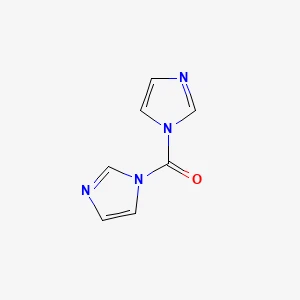
![1,1'-Carbonyldiimidazole丨CAS 530-62-1]() 1,1'-Carbonyldiimidazole丨CAS 530-62-1Catalog No.: SS080884read more
1,1'-Carbonyldiimidazole丨CAS 530-62-1Catalog No.: SS080884read more
CAS No.: 530-62-1
Assay(T): 98%min
Product Name:... -
![Palladium丨CAS 7440-05-3]() Palladium丨CAS 7440-05-3Catalog No.: SS067788read more
Palladium丨CAS 7440-05-3Catalog No.: SS067788read more
CAS No.: 7440-05-3
Assay(Pd): 10% Pd/C on dry basis.
Product Name:... -
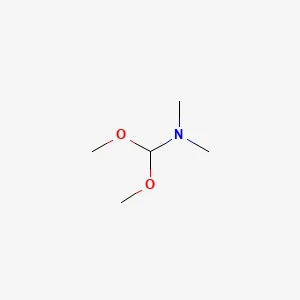
![N,N-Dimethylformamide Dimethyl Acetal丨CAS 4637-24-5]() N,N-Dimethylformamide Dimethyl Acetal丨CAS 4637-24-5Catalog No.: SS036295read more
N,N-Dimethylformamide Dimethyl Acetal丨CAS 4637-24-5Catalog No.: SS036295read more
CAS No.: 4637-24-5
Assay: 98%min
Product Name: N,N-Dimethylformamide... -
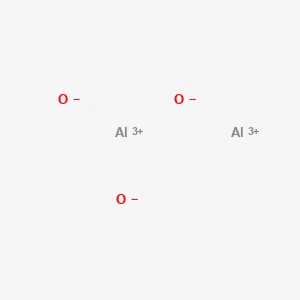
![Aluminum Oxide丨CAS 1344-28-1]() Aluminum Oxide丨CAS 1344-28-1Catalog No.: SS119815read more
Aluminum Oxide丨CAS 1344-28-1Catalog No.: SS119815read more
CAS No.: 1344-28-1
Purity: 99.99% min; Average particle size: 50nm...


Send Inquiry