


Catalog No.: SS136645
CAS No.: 33872-80-9
Content: 1.26-1.54M
Product Name: o-Tolylmagnesium chloride
Molecular Formula: C7H7ClMg
Molecular Weight: 150.89
Synonym(s): 2-methylphenylmagnesium...
Product Introduction
Grignard Reagents are organomagnesium compounds (R-Mg-X) used extensively in organic chemistry to form carbon-carbon bonds. These reagents are highly reactive and versatile, typically prepared by reacting alkyl, vinyl, or aryl halides (R-X) with magnesium metal in an anhydrous solvent, often ether. They serve as powerful nucleophiles in various organic transformations, including the formation of alcohols, carboxylic acids, ketones, and more complex organic molecules. Grignard reagents play a critical role in industrial chemical synthesis, pharmaceuticals, and laboratory research, providing a crucial building block for constructing complex molecular structures.
-
![O-Tolylmagnesium Chloride丨CAS 33872-80-9]()
-
![Isopropenylmagnesium Bromide丨CAS 13291-18-4]() Isopropenylmagnesium Bromide丨CAS 13291-18-4Catalog No.: SS136513read more
Isopropenylmagnesium Bromide丨CAS 13291-18-4Catalog No.: SS136513read more
CAS No.: 13291-18-4
Concentration: 0.95-1.0M in THF
Product Name: Isopropenylmagnesium bromide
Molecular Formula: C3H5BrMg
Molecular Weight: 145.28 -
![3-N,N-Dimethylaminopropylmagnesium Chloride丨CAS 154034-91-0]() 3-N,N-Dimethylaminopropylmagnesium Chloride丨CAS 154034-91-0Catalog No.: SS132746read more
3-N,N-Dimethylaminopropylmagnesium Chloride丨CAS 154034-91-0Catalog No.: SS132746read more
CAS No.: 154034-91-0
Titration-: 0.90~1.10M
Product Name: 3-N,N-Dimethylaminopropylmagnesium Chloride
Molecular Formula: C5H11ClMgN
Molecular Weight: 144.91 -
![Propylmagnesium Chloride丨CAS 2234-82-4]() Propylmagnesium Chloride丨CAS 2234-82-4Catalog No.: SS122637read more
Propylmagnesium Chloride丨CAS 2234-82-4Catalog No.: SS122637read more
CAS No.: 2234-82-4
1.0 M in 2-methyltetrahydrofuran & 2.0 M solution in diethyl ether
Product Name: Propylmagnesium chloride
Molecular Formula: C3H7ClMg
Molecular Weight:... -
![3,5-Difluorophenylmagnesium Bromide丨CAS 62351-47-7]() 3,5-Difluorophenylmagnesium Bromide丨CAS 62351-47-7Catalog No.: SS094174read more
3,5-Difluorophenylmagnesium Bromide丨CAS 62351-47-7Catalog No.: SS094174read more
CAS No.: 62351-47-7
Purity (magnesium content): 99% min
Product Name: 3,5-Difluorophenylmagnesium bromide
Molecular Formula: C6H3BrF2Mg
Molecular Weight: 217.29 -
![Magnesium Methyl Carbonate丨CAS 4861-79-4]() Magnesium Methyl Carbonate丨CAS 4861-79-4Catalog No.: SS132704read more
Magnesium Methyl Carbonate丨CAS 4861-79-4Catalog No.: SS132704read more
CAS No.: 4861-79-4
Titration by EDTA: 1.8-2.2M
Product Name: Magnesium Methyl Carbonate
Molecular Formula: C3H6MgO4
Molecular Weight: 130.38
Synonym(s): Magnesium Methyl... -
![Diethylzinc丨CAS 557-20-0]() Diethylzinc丨CAS 557-20-0Catalog No.: SS029767read more
Diethylzinc丨CAS 557-20-0Catalog No.: SS029767read more
CAS No.: 557-20-0
Assay: 1.0mol in Hexane solution
Product Name: Diethylzinc
Molecular Formula: C4H10Zn
Molecular Weight: 123.51
Synonym(s): Diethylzinc solution -
![Methylmagnesium Chloride丨CAS 676-58-4]() Methylmagnesium Chloride丨CAS 676-58-4Catalog No.: SS127662read more
Methylmagnesium Chloride丨CAS 676-58-4Catalog No.: SS127662read more
CAS No.: 676-58-4
Concentration(Titration): 2.80M-3.30M in THF
Product Name: Methylmagnesium chloride
Molecular Formula: CH3ClMg
Molecular Weight: 74.79
Synonym(s):... -
![Lithium Amide丨CAS 7782-89-0]() Lithium Amide丨CAS 7782-89-0Catalog No.: SS118556read more
Lithium Amide丨CAS 7782-89-0Catalog No.: SS118556read more
CAS No.: 7782-89-0
Assay: 95% min.
Product Name: Lithium amide
Molecular Formula: LiNH2
Molecular Weight: 22.96
Synonym(s): Lithamide -
![Ethynylmagnesium Bromide丨CAS 4301-14-8]() Ethynylmagnesium Bromide丨CAS 4301-14-8Catalog No.: SS131963read more
Ethynylmagnesium Bromide丨CAS 4301-14-8Catalog No.: SS131963read more
CAS No.: 4301-14-8
Concentration: 0.45M-0.60M
Product Name: Ethynylmagnesium bromide
Molecular Formula: C2HBrMg
Molecular Weight: 129.24
Synonym(s):... -
![Vinylmagnesium Bromide丨CAS 1826-67-1]() Vinylmagnesium Bromide丨CAS 1826-67-1Catalog No.: SS131943read more
Vinylmagnesium Bromide丨CAS 1826-67-1Catalog No.: SS131943read more
CAS No.: 1826-67-1
Concentration: 0.95M-1.10M
Product Name: Vinylmagnesium bromide
Molecular Formula: C2H3BrMg
Molecular Weight: 131.25
Synonym(s): Bromovinylmagnesium -
![Cyclopropylmagnesium Bromide丨CAS 23719-80-4]() Cyclopropylmagnesium Bromide丨CAS 23719-80-4Catalog No.: SS121846read more
Cyclopropylmagnesium Bromide丨CAS 23719-80-4Catalog No.: SS121846read more
CAS No.: 23719-80-4
Content: 0.5mol in THF
Product Name: Cyclopropylmagnesium bromide
Molecular Formula: C3H5BrMg
Molecular Weight: 145.28
Synonym(s):...


Product Advantages And Features
Versatile Reactivity
Grignard reagents can react with a wide range of electrophiles, including carbonyl compounds, esters, and epoxides, enabling diverse synthetic pathways in organic chemistry.
Carbon-Carbon Bond Formation
The primary advantage of Grignard reagents is their ability to form strong carbon-carbon bonds, making them indispensable in the synthesis of complex organic molecules.
Customizable
By altering the organic halide (R-X) used in the reaction, chemists can tailor Grignard reagents to suit specific applications, offering flexibility in organic synthesis.
Efficient Synthesis of Alcohols
Grignard reagents are highly effective in converting aldehydes and ketones into primary, secondary, or tertiary alcohols, which are important intermediates in pharmaceutical and industrial chemistry.
Cost-Effective
Magnesium, the core component of Grignard reagents, is relatively inexpensive and readily available, making the production of these reagents cost-efficient.
Widespread Industrial Use
Grignard reagents are used in large-scale industrial processes, including the manufacturing of pharmaceuticals, agrochemicals, and fine chemicals.
Product Type
Alkyl Grignard Reagents
These reagents consist of an alkyl group (R) bonded to magnesium (R-Mg-X). Alkyl Grignard reagents are widely used in nucleophilic addition reactions and alkylation processes in organic synthesis.
Aryl Grignard Reagents
Aryl Grignard reagents contain an aromatic group (Ar-Mg-X). These reagents are crucial for forming aromatic alcohols and introducing aryl groups into target molecules.
Vinyl Grignard Reagents
Vinyl Grignard reagents feature a vinyl group (CH2=CH-Mg-X) and are useful in creating carbon-carbon double bonds, facilitating the synthesis of alkenes and polymers.
Functionalized Grignard Reagents
These reagents contain additional functional groups, such as esters, ketones, or nitriles, allowing for more complex reactions and the synthesis of multifunctional compounds.
Heterocyclic Grignard Reagents
These reagents incorporate heterocycles, such as pyridines or thiophenes, expanding the applicability of Grignard reactions to include more diverse and biologically relevant structures.
Application Of The Product
1
Synthesis of Alcohols: Grignard reagents are used to convert carbonyl compounds (aldehydes and ketones) into alcohols, an essential step in the production of pharmaceuticals, fragrances, and fine chemicals.
2
Pharmaceutical Industry: Grignard reactions are employed in the synthesis of active pharmaceutical ingredients (APIs), particularly in the construction of complex organic molecules used in drug development.
3
Agrochemicals: Grignard reagents are used to manufacture herbicides, fungicides, and insecticides by forming crucial bonds in agrochemical molecules.
4
Polymer Industry: Vinyl Grignard reagents are utilized in polymerization processes, contributing to the creation of various polymers and plastics.
5
Material Science: Grignard reactions are used in the synthesis of novel materials with unique physical and chemical properties, including advanced coatings, adhesives, and resins.
6
Natural Product Synthesis: Grignard reagents play a key role in the total synthesis of natural products, facilitating the construction of complex structures found in nature.
7
Catalysis: Grignard reagents are sometimes used in catalytic cycles to enable or enhance chemical transformations in both industrial and academic settings.
Material Of The Product
1. Magnesium Metal (Mg)
Magnesium is the essential component that reacts with organic halides to form the Grignard reagent. The purity and form of magnesium (turnings, ribbons) are crucial to the reaction's success.
2. Organic Halides (R-X)
The organic halide serves as the carbon source in Grignard reagents, with alkyl, aryl, and vinyl halides being the most common types used.
3. Ethers (Solvents)
Ethers such as diethyl ether or tetrahydrofuran (THF) are used as solvents for Grignard reactions. Their coordination with the magnesium center stabilizes the Grignard reagent and enhances reactivity.
4. Carbonyl Compounds
Aldehydes, ketones, esters, and carboxylic acids are the primary electrophiles that react with Grignard reagents to form alcohols, ketones, and other functionalized compounds.
5. Catalysts
Certain Grignard reactions may require catalysts to improve reaction rates and yields, particularly in complex or industrial-scale processes.
Production Process Or Procedure
The preparation of Grignard reagents requires precision and control due to their sensitivity to moisture and air. The process begins by carefully preparing magnesium metal and the organic halide in a dry, inert atmosphere (typically under nitrogen or argon). An anhydrous solvent like ether is added to ensure that no water is present, as even trace amounts of moisture can deactivate the Grignard reagent. The reaction is initiated by adding the halide to the magnesium, which forms the organomagnesium compound. Continuous monitoring of the reaction is essential to maintain the correct stoichiometry and avoid side reactions.
Components Of The Product
Magnesium (Mg): Magnesium serves as the central metal atom, bonding with the organic group and the halide to form the Grignard reagent.
Organic Group (R): The organic group (alkyl, aryl, or vinyl) attached to the magnesium determines the reactivity and selectivity of the Grignard reagent.
Halide (X): Common halides used in Grignard reagents include bromides, chlorides, and iodides, with bromides being the most frequently used due to their optimal reactivity.
Solvent Molecules: Ether molecules coordinate with the magnesium center, stabilizing the Grignard reagent and promoting the reaction with electrophiles.
Electrophile: The target molecule, such as a carbonyl compound, serves as the electrophile that reacts with the Grignard reagent to form the desired product.
Product Maintenance And Precautions
Storage
Grignard reagents are highly reactive and sensitive to moisture and air. They should be stored in tightly sealed containers, preferably under an inert atmosphere, to prevent decomposition.
Handling Precautions
Always handle Grignard reagents in a dry, inert environment to avoid exposure to moisture, which can cause hydrolysis and deactivate the reagent.
Anhydrous Conditions
Ensure that all solvents and reagents used in the reaction are thoroughly dried and that equipment is free of water to prevent unwanted side reactions.
Temperature Control
Some Grignard reactions are exothermic, requiring careful temperature control to prevent runaway reactions or degradation of the product.
Waste Disposal
Dispose of unused Grignard reagents and byproducts following local environmental and safety regulations, as they can be hazardous to health and the environment.
Company Advantages
Our Focus on Quality & Customer Experience
We dedicate to delivering high-quality products and exceptional customer service beyond your expectation.
Comprehensive Product Range
Extensive catalog of over 27,000 chemicals for diverse industries, offering both standard compounds and specialized solutions.
Strong Industry Expertise
Our experienced diverse team provides expert guidance, staying current with industry trends to deliver optimal chemical solutions tailored to your needs.
Competitive Pricing & Reliability
Competitive pricing and reliable deliveries ensure cost-effective, efficient supply chains without compromising quality.
How To Collaborate With Us
Partnering with LEAPChem gives you access to the expertise of a leading company with 18 years of experience in the chemical industry. We offer over 27,000 chemical substances tailored to meet diverse needs. All our products adhere to industry standards and are accompanied by the necessary certifications.
We collaborate with a wide range of partners, including:
• Research Laboratories
• Pharmaceutical Companies
• Cosmetics Manufacturers
• Electronics Manufacturers
• Chemical Manufacturers
• Universities and Colleges Worldwide
• And more.
We specialize in helping our clients find the right chemical solutions tailored to their specific requirements. Additionally, we provide custom synthesis services to meet the unique needs of our partners. Whether you need bulk quantities for industrial processes or small batches for specialized applications, we've got you covered.
If you are looking for a reliable chemical supplier, we would be delighted to hear from you. Please send your inquiry or project details to sales@leapchem.com. Our professional team is eager to collaborate with you and help achieve your goals.
FAQ
Q: What are Grignard reagents?
A: Grignard reagents are organomagnesium compounds used in organic chemistry to form carbon-carbon bonds, crucial for synthesizing complex organic molecules.
Q: How are Grignard reagents prepared?
A: Grignard reagents are prepared by reacting an organic halide (R-X) with magnesium metal in an anhydrous solvent, usually ether.
Q: Why are Grignard reagents important?
A: They enable the formation of carbon-carbon bonds, making them indispensable in organic synthesis, including the production of alcohols, pharmaceuticals, and polymers.
Q: Can Grignard reagents react with water?
A: Yes, Grignard reagents are highly reactive with water, which deactivates them by converting the organomagnesium compound into an alkane.
Q: What are common solvents for Grignard reactions?
A: Diethyl ether and tetrahydrofuran (THF) are the most commonly used solvents because they stabilize the Grignard reagent.
Q: What types of compounds can Grignard reagents react with?
A: Grignard reagents react with aldehydes, ketones, esters, epoxides, and other electrophiles to form alcohols, carboxylic acids, and more complex molecules.
Q: What are the limitations of Grignard reagents?
A: Grignard reagents are highly moisture-sensitive and can be challenging to handle, requiring strict anhydrous conditions.
Q: How are Grignard reagents used in pharmaceuticals?
A: They are used to form key carbon-carbon bonds in the synthesis of active pharmaceutical ingredients (APIs) and other bioactive molecules.
Q: Can Grignard reagents be used in large-scale industrial processes?
A: Yes, Grignard reagents are commonly used in industrial-scale synthesis for producing agrochemicals, pharmaceuticals, and specialty chemicals.
Q: What safety precautions are needed when using Grignard reagents?
A: Always work in an inert atmosphere, wear protective gear, and avoid contact with water, as the reagents are highly reactive and can be hazardous.
Q: What happens if a Grignard reagent reacts with CO2?
A: The reaction between a Grignard reagent and CO2 produces a carboxylate salt, which can be further processed to form carboxylic acids.
Q: Can Grignard reagents form secondary and tertiary alcohols?
A: Yes, depending on the electrophile used, Grignard reagents can form primary, secondary, or tertiary alcohols.
Q: What is the role of magnesium in Grignard reagents?
A: Magnesium acts as the central atom that facilitates the formation of the organomagnesium bond, enabling the nucleophilic attack on electrophiles.
Q: Can Grignard reagents be used in asymmetric synthesis?
A: Yes, with the right chiral auxiliaries or catalysts, Grignard reagents can be used in asymmetric synthesis to create chiral molecules.
Q: What are the byproducts of a Grignard reaction?
A: The typical byproduct of a Grignard reaction is a magnesium salt (MgX2), which is usually removed during the purification process.
Hangzhou Leap Chem Co., Ltd. is well-known as one of the leading grignard reagents manufacturers and suppliers in China, also supports custom service. We warmly welcome you to wholesale bulk high quality grignard reagents from our factory.
grignard reagentsPopular Products
-
![FDCA丨CAS 3238-40-2]() FDCA丨CAS 3238-40-2Catalog No.: SS098300read more
FDCA丨CAS 3238-40-2Catalog No.: SS098300read more
CAS No.: 3238-40-2
Purity(HPLC): 99.9%min.
Product Name:... -
![Sodium Dodecyl Sulfate丨CAS 151-21-3]() Sodium Dodecyl Sulfate丨CAS 151-21-3CAS No.: 151-21-3read more
Sodium Dodecyl Sulfate丨CAS 151-21-3CAS No.: 151-21-3read more
Assay/Grade: EP11/99%min/95%min/CP2020
Product Name: Sodium dodecyl... -
![Glycerol丨CAS 56-81-5]() Glycerol丨CAS 56-81-5CAS No.: 56-81-5read more
Glycerol丨CAS 56-81-5CAS No.: 56-81-5read more
Grade: API/Injection/Pharmaceutical/Food/Industrial
Product Name:... -
![Cesium Carbonate丨CAS 534-17-8]() Cesium Carbonate丨CAS 534-17-8CAS No.: 534-17-8read more
Cesium Carbonate丨CAS 534-17-8CAS No.: 534-17-8read more
Assay: 99.9%min
Product Name: Cesium carbonate
Molecular Formula: Cs2CO3... -
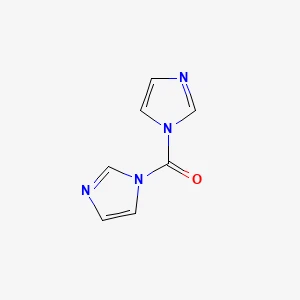
![1,1'-Carbonyldiimidazole丨CAS 530-62-1]() 1,1'-Carbonyldiimidazole丨CAS 530-62-1Catalog No.: SS080884read more
1,1'-Carbonyldiimidazole丨CAS 530-62-1Catalog No.: SS080884read more
CAS No.: 530-62-1
Assay(T): 98%min
Product Name:... -
![Palladium丨CAS 7440-05-3]() Palladium丨CAS 7440-05-3Catalog No.: SS067788read more
Palladium丨CAS 7440-05-3Catalog No.: SS067788read more
CAS No.: 7440-05-3
Assay(Pd): 10% Pd/C on dry basis.
Product Name:... -
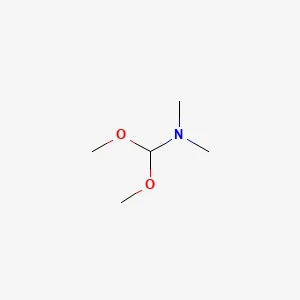
![N,N-Dimethylformamide Dimethyl Acetal丨CAS 4637-24-5]() N,N-Dimethylformamide Dimethyl Acetal丨CAS 4637-24-5Catalog No.: SS036295read more
N,N-Dimethylformamide Dimethyl Acetal丨CAS 4637-24-5Catalog No.: SS036295read more
CAS No.: 4637-24-5
Assay: 98%min
Product Name: N,N-Dimethylformamide... -
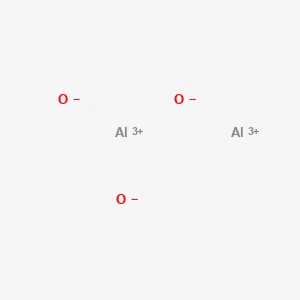
![Aluminum Oxide丨CAS 1344-28-1]() Aluminum Oxide丨CAS 1344-28-1Catalog No.: SS119815read more
Aluminum Oxide丨CAS 1344-28-1Catalog No.: SS119815read more
CAS No.: 1344-28-1
Purity: 99.99% min; Average particle size: 50nm...


Send Inquiry