


Catalog No.: SS102019
CAS No.: 598-50-5
Purity: 98% min.
Product Name: Methylurea
Molecular Formula: C2H6N2O
Molecular Weight: 74.08
Synonym(s): Monomethyl urea; N-Methylurea
Product Introduction
Pesticide Intermediates are essential chemical compounds used in the manufacturing of pesticides. They act as building blocks in the synthesis of active ingredients found in herbicides, insecticides, fungicides, and other agrochemical products. By serving as key raw materials, pesticide intermediates ensure the effectiveness and efficiency of crop protection solutions, ultimately supporting agricultural productivity and sustainability. These intermediates play a critical role in producing high-performance pesticides that help control pests and protect plants from diseases.
-
![Methylurea丨CAS 598-50-5]()
-
![Diethanolamine丨CAS 111-42-2]() Diethanolamine丨CAS 111-42-2Catalog No.: SS139667read more
Diethanolamine丨CAS 111-42-2Catalog No.: SS139667read more
CAS No.: 111-42-2
Diethanolamine(m/m): 99.30% min
Product Name: Diethanolamine
Certificate: ISO9001; ISO14001
Molecular Formula: C4H11NO2
Molecular Weight: 105.14... -
![N-Methylaniline丨CAS 100-61-8]() N-Methylaniline丨CAS 100-61-8Catalog No.: SS139352read more
N-Methylaniline丨CAS 100-61-8Catalog No.: SS139352read more
CAS No.: 100-61-8
N-methyl aniline assay: 99% min
Product Name: N-Methylaniline
Molecular Formula: C6H5NHCH3
Molecular Weight: 107.15
Synonym(s): Monomethylaniline -
![Acetylacetaldehyde dimethyl acetal丨CAS 5436-21-5]() Acetylacetaldehyde dimethyl acetal丨CAS 5436-21-5Catalog No.: SS007847read more
Acetylacetaldehyde dimethyl acetal丨CAS 5436-21-5Catalog No.: SS007847read more
CAS No.: 5436-21-5
Assay(GC): 92%min
Product Name: Acetylacetaldehyde dimethyl acetal
Molecular Formula: C6H12O3
Molecular Weight: 132.16
Synonym(s): 3-Ketobutyraldehyde... -
![Quinolinic Acid丨CAS 89-00-9]() Quinolinic Acid丨CAS 89-00-9Catalog No.: SS137333read more
Quinolinic Acid丨CAS 89-00-9Catalog No.: SS137333read more
CAS No.: 89-00-9
Content: 99%min
Product Name: Quinolinic acid
Molecular Formula: C10H7NO2
Molecular Weight: 167.12 -
![Terbutryn丨CAS 886-50-0]() Terbutryn丨CAS 886-50-0Catalog No.: SS012089read more
Terbutryn丨CAS 886-50-0Catalog No.: SS012089read more
CAS No.: 886-50-0
Assay: 95% min
Product Name: Terbutryn
Molecular Formula: C10H19N5S
Molecular Weight: 241.35
Synonym(s):... -
![3-Chloroaniline丨CAS 108-42-9]() 3-Chloroaniline丨CAS 108-42-9Catalog No.: SS091027read more
3-Chloroaniline丨CAS 108-42-9Catalog No.: SS091027read more
CAS No.: 108-42-9
Purity(HPLC): 99.5% min
Product Name: 3-Chloroaniline
Molecular Formula: C6H6ClN
Molecular Weight: 127.57
Synonym(s): 1-Amino-3-chlorobenzene -
![3-Chloro-4-methylaniline丨CAS 95-74-9]() 3-Chloro-4-methylaniline丨CAS 95-74-9Catalog No.: SS110635read more
3-Chloro-4-methylaniline丨CAS 95-74-9Catalog No.: SS110635read more
CAS No.: 95-74-9
Assay(GC): 99% min
Product Name: 3-Chloro-4-methylaniline
Molecular Formula: C7H8ClN
Molecular Weight: 141.6 -
![Sodium Benzenesulfonate丨CAS 515-42-4]() Sodium Benzenesulfonate丨CAS 515-42-4Catalog No.: SS089352read more
Sodium Benzenesulfonate丨CAS 515-42-4Catalog No.: SS089352read more
CAS No.: 515-42-4
Assay: 98% min
Product Name: Sodium benzenesulfonate
Molecular Formula: C6H5NaO3S
Molecular Weight: 180.15
Synonym(s): Benzenesulfonic acid sodium salt -
![5-Bromo-3,4-dimethylpyridin-2-amine丨CAS 374537-97-0]() 5-Bromo-3,4-dimethylpyridin-2-amine丨CAS 374537-97-0Catalog No.: SS133020read more
5-Bromo-3,4-dimethylpyridin-2-amine丨CAS 374537-97-0Catalog No.: SS133020read more
CAS No.: 374537-97-0
Purity (HPLC): 98.0%min
Product Name: 5-Bromo-3,4-dimethylpyridin-2-amine
Molecular Formula: C7H9BrN2
Molecular Weight: 201.06 -
![2-Chlorobenzothiazole丨CAS 615-20-3]() 2-Chlorobenzothiazole丨CAS 615-20-3Catalog No.: SS120911read more
2-Chlorobenzothiazole丨CAS 615-20-3Catalog No.: SS120911read more
CAS No.: 615-20-3
Purity(GC): 98.0%min
Product Name: 2-Chlorobenzothiazole
Molecular Formula: C7H4ClNS
Molecular Weight: 169.63
Synonym(s): 2-Chloro-1,3-benzothiazole -
![2-Chloro-6-nitrotoluene丨CAS 83-42-1]() 2-Chloro-6-nitrotoluene丨CAS 83-42-1Catalog No.: SS129607read more
2-Chloro-6-nitrotoluene丨CAS 83-42-1Catalog No.: SS129607read more
CAS No.: 83-42-1
Assay: 98.00% min
Product Name: 2-Chloro-6-nitrotoluene
Molecular Formula: C7H6ClNO2
Molecular Weight: 171.58
Synonym(s):...


Product Advantages And Features
Essential in Pesticide Production
Pesticide intermediates are crucial in the synthesis of active ingredients used in pest control products, ensuring their potency and effectiveness.
Cost-Effective Solution
Using intermediates allows pesticide manufacturers to produce high-quality products more efficiently, leading to cost savings in large-scale production.
Customizable Formulation
Pesticide intermediates enable the creation of specialized pesticide formulations to target specific pests, ensuring better control and minimizing crop damage.
High Purity Levels
Intermediates are produced with stringent quality control, ensuring the high purity necessary for reliable and consistent pesticide performance.
Versatile Applications
Pesticide intermediates are used across various types of pesticides, including insecticides, herbicides, fungicides, and more, making them essential for a broad range of agricultural needs.
Product Type
Insecticide Intermediates
These intermediates are used in the production of insecticides, which are designed to control insect pests that damage crops. Examples include intermediates for pyrethroids and organophosphates.
Herbicide Intermediates
Herbicide intermediates are key ingredients in the manufacture of herbicides, which are used to control weeds and unwanted vegetation. Popular intermediates are those used in glyphosate and sulfonylurea production.
Fungicide Intermediates
These intermediates are crucial in creating fungicides that protect crops from fungal diseases. They are used in the synthesis of products like azoxystrobin or carbendazim.
Selective Pesticide Intermediates
Intermediates that allow the creation of pesticides targeting specific pests or diseases, minimizing harm to non-target species, including beneficial insects or nearby crops.
Broad-Spectrum Pesticide Intermediates
Used to manufacture pesticides that control a wide range of pests, providing all-around protection for crops. These are critical for high-value or staple crops.
Eco-Friendly Pesticide Intermediates
These are intermediates designed for pesticides that have a lower environmental impact, used to produce bio-based or less toxic products for sustainable farming practices.
Application Of The Product
Agricultural Pesticide Manufacturing
Pesticide intermediates are used in the large-scale production of various pesticides, including herbicides, insecticides, and fungicides, to support commercial agriculture.
Greenhouse and Horticultural Pesticides
Intermediates are used to create pesticides tailored for greenhouses and horticultural crops, helping protect delicate plants from pests and diseases.
Biopesticides Production
Intermediates are also used in the synthesis of biopesticides, which are made from natural materials and offer a more environmentally friendly solution for pest control.
Household and Public Health Pesticides
They are used in the production of pesticides designed for household use, such as those targeting mosquitoes, flies, or ants, improving public health and hygiene.
Forestry and Ornamental Plants
Intermediates are utilized in pesticides for protecting trees and ornamental plants in forestry and landscaping industries from insects and diseases.
Stored Product Protection
Pesticides made from intermediates are used to protect stored grains and other agricultural products from pests, ensuring food quality and safety.
Material Of The Product
The materials used in pesticide intermediates vary depending on the type of pesticide being produced. Common materials include:
1
Aromatic Compounds: Used in the production of many herbicides and insecticides.
2
Alkylating Agents: Important for producing systemic pesticides that are absorbed by plants.
3
Sulfonamides: These are used in the synthesis of selective herbicides.
4
Amides and Carbamates: Commonly used in the production of fungicides and insecticides.
5
Phosphorus Compounds: Essential for creating organophosphate insecticides.
Production Process Or Procedure
Chemical Synthesis
Pesticide intermediates are created through a series of chemical reactions, where raw materials are transformed into compounds that can be used in pesticide production.
Purification
Once synthesized, the intermediate compounds undergo purification processes to ensure high levels of purity and consistency.
Quality Control
Extensive testing is done to ensure that the intermediates meet the required standards of quality and performance. This ensures the final pesticides will be effective and safe to use.
Storage and Packaging
After quality control, intermediates are stored in secure containers to preserve their stability and prevent contamination until they are used in pesticide manufacturing.
Components Of The Product
1. Active Precursors
The main components of pesticide intermediates, these are the chemicals that will form the active ingredient in the final pesticide product.
2. Catalysts
Help speed up chemical reactions during the synthesis of pesticide intermediates, making the production process more efficient.
3. Stabilizers
Ensure the intermediate remains chemically stable during storage and transport, preventing degradation.
4. Solvents
Used to dissolve other components and facilitate chemical reactions during the production process.
5. Additives
Certain intermediates may contain additives that enhance their performance or make them easier to handle during the pesticide manufacturing process.
Product Maintenance And Precautions
Proper Storage
Store pesticide intermediates in a cool, dry, and well-ventilated area away from direct sunlight. Ensure containers are sealed tightly to prevent contamination.
Handling Precautions
Always handle pesticide intermediates with protective equipment, including gloves, masks, and goggles, to avoid skin contact or inhalation of harmful chemicals.
Labeling and Documentation
Keep detailed records of all intermediates in storage, including batch numbers, production dates, and expiration dates. This helps ensure products are used within their effective period.
Monitor Expiration Dates
Use pesticide intermediates before their expiration date, as older products may lose effectiveness or become unstable.
Safe Disposal
Dispose of expired or contaminated intermediates according to local environmental regulations to avoid harm to the environment or water sources.
Company Advantages
Our Focus on Quality & Customer Experience
We dedicate to delivering high-quality products and exceptional customer service beyond your expectation.
Comprehensive Product Range
Extensive catalog of over 27,000 chemicals for diverse industries, offering both standard compounds and specialized solutions.
Strong Industry Expertise
Our experienced diverse team provides expert guidance, staying current with industry trends to deliver optimal chemical solutions tailored to your needs.
Competitive Pricing & Reliability
Competitive pricing and reliable deliveries ensure cost-effective, efficient supply chains without compromising quality.
How to collaborate with us
Partnering with LEAPChem gives you access to the expertise of a leading company with 18 years of experience in the chemical industry. We offer over 27,000 chemical substances tailored to meet diverse needs. All our products adhere to industry standards and are accompanied by the necessary certifications.
We collaborate with a wide range of partners, including:
• Research Laboratories
• Pharmaceutical Companies
• Cosmetics Manufacturers
• Electronics Manufacturers
• Chemical Manufacturers
• Universities and Colleges Worldwide
• And more.
We specialize in helping our clients find the right chemical solutions tailored to their specific requirements. Additionally, we provide custom synthesis services to meet the unique needs of our partners. Whether you need bulk quantities for industrial processes or small batches for specialized applications, we've got you covered.
If you are looking for a reliable chemical supplier, we would be delighted to hear from you. Please send your inquiry or project details to sales@leapchem.com. Our professional team is eager to collaborate with you and help achieve your goals.
FAQ
Q: What are pesticide intermediates used for?
A: Pesticide intermediates are chemical compounds used in the production of active ingredients for various pesticides, such as herbicides, insecticides, and fungicides.
Q: How are pesticide intermediates made?
A: Pesticide intermediates are synthesized through chemical reactions using raw materials. These processes are designed to create compounds that will be used in the final pesticide formulation.
Q: What types of pesticides use intermediates?
A: Intermediates are used in all types of pesticides, including herbicides, insecticides, fungicides, and biopesticides.
Q: Are pesticide intermediates harmful?
A: Pesticide intermediates are chemical compounds that can be hazardous if not handled properly. Proper protective equipment and safety precautions should always be used during handling.
Q: What is the difference between a pesticide and a pesticide intermediate?
A: Pesticide intermediates are raw materials used to create pesticides. Pesticides are the finished products applied to crops to control pests.
Q: Can pesticide intermediates be used directly on crops?
A: No, pesticide intermediates cannot be used directly. They are part of the manufacturing process for the active ingredients in pesticides, which are then formulated for safe and effective use.
Q: What materials are used in pesticide intermediates?
A: Common materials include aromatic compounds, amides, phosphorus compounds, and alkylating agents, depending on the type of pesticide being produced.
Q: How do pesticide intermediates improve pesticide production?
A: Pesticide intermediates streamline the production of pesticides by providing essential building blocks for creating active ingredients. This makes manufacturing more efficient and cost-effective.
Q: Are there eco-friendly pesticide intermediates?
A: Yes, there are intermediates designed for the production of biopesticides and other eco-friendly solutions that reduce environmental impact.
Q: How do I store pesticide intermediates?
A: Store intermediates in a cool, dry place away from direct sunlight, in sealed containers, to maintain their stability and effectiveness.
Q: Can pesticide intermediates be recycled?
A: In most cases, pesticide intermediates are single-use compounds and cannot be recycled. However, proper disposal methods should always be followed to minimize environmental impact.
Q: How long can pesticide intermediates be stored?
A: Pesticide intermediates have a specific shelf life, which can vary depending on the compound. Always check expiration dates and storage guidelines.
Q: Do pesticide intermediates degrade over time?
A: Yes, like most chemical compounds, pesticide intermediates can degrade over time, especially if exposed to unfavorable conditions such as heat or moisture.
Q: Are pesticide intermediates regulated?
A: Yes, the production and use of pesticide intermediates are regulated to ensure safety for humans, animals, and the environment. Compliance with local and international regulations is essential.
Q: Can pesticide intermediates affect the final pesticide product?
A: Yes, the quality and purity of intermediates directly impact the performance of the final pesticide. High-quality intermediates lead to more effective and stable pesticides.
Hangzhou Leap Chem Co., Ltd. is well-known as one of the leading pesticide intermediates manufacturers and suppliers in China. We warmly welcome you to wholesale cheap pesticide intermediates from our factory. Contact us for custom service.
pesticide intermediatesPopular Products
-
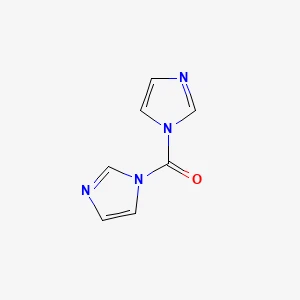
![1,1'-Carbonyldiimidazole丨CAS 530-62-1]() 1,1'-Carbonyldiimidazole丨CAS 530-62-1Catalog No.: SS080884read more
1,1'-Carbonyldiimidazole丨CAS 530-62-1Catalog No.: SS080884read more
CAS No.: 530-62-1
Assay(T): 98%min
Product Name:... -
![Palladium丨CAS 7440-05-3]() Palladium丨CAS 7440-05-3Catalog No.: SS067788read more
Palladium丨CAS 7440-05-3Catalog No.: SS067788read more
CAS No.: 7440-05-3
Assay(Pd): 10% Pd/C on dry basis.
Product Name:... -
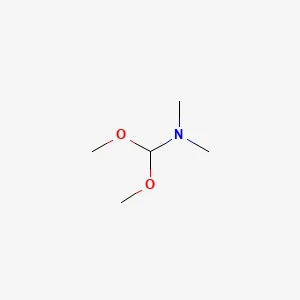
![N,N-Dimethylformamide Dimethyl Acetal丨CAS 4637-24-5]() N,N-Dimethylformamide Dimethyl Acetal丨CAS 4637-24-5Catalog No.: SS036295read more
N,N-Dimethylformamide Dimethyl Acetal丨CAS 4637-24-5Catalog No.: SS036295read more
CAS No.: 4637-24-5
Assay: 98%min
Product Name: N,N-Dimethylformamide... -
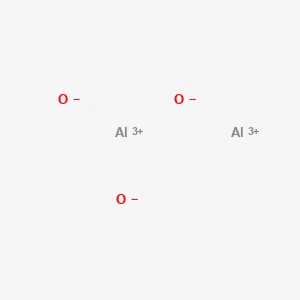
![Aluminum Oxide丨CAS 1344-28-1]() Aluminum Oxide丨CAS 1344-28-1Catalog No.: SS119815read more
Aluminum Oxide丨CAS 1344-28-1Catalog No.: SS119815read more
CAS No.: 1344-28-1
Purity: 99.99% min; Average particle size: 50nm... -
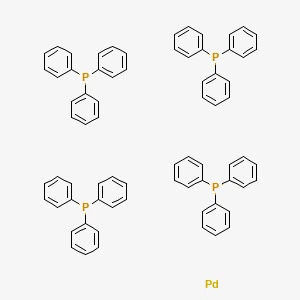
![Tetrakis(triphenylphosphine)palladium丨CAS 14221-01-3]() Tetrakis(triphenylphosphine)palladium丨CAS 14221-01-3Catalog No.: SS118525read more
Tetrakis(triphenylphosphine)palladium丨CAS 14221-01-3Catalog No.: SS118525read more
CAS No.: 14221-01-3
Purity: 99%min Pd: 9.2%min
Product Name:... -
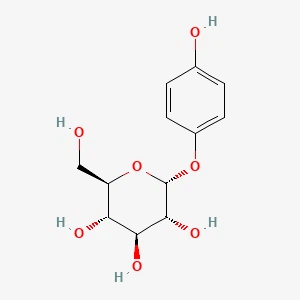
![Alpha-Arbutin丨CAS 84380-01-8]() Alpha-Arbutin丨CAS 84380-01-8Catalog No.: SS087082read more
Alpha-Arbutin丨CAS 84380-01-8Catalog No.: SS087082read more
CAS No.: 84380-01-8
Purity: 99.5%min.
Product Name: alpha-Arbutin... -
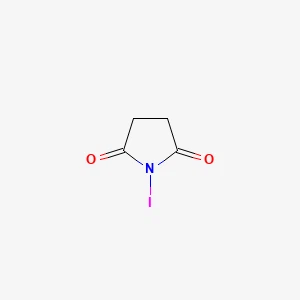
![N-Iodosuccinimide丨CAS 516-12-1]() N-Iodosuccinimide丨CAS 516-12-1Catalog No.: SS018455read more
N-Iodosuccinimide丨CAS 516-12-1Catalog No.: SS018455read more
CAS No.: 516-12-1
Purity: 98.0%min
Product Name: N-Iodosuccinimide... -
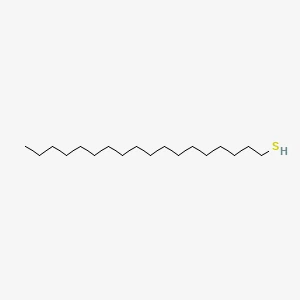
![Octadecanethiol丨CAS 2885-00-9]() Octadecanethiol丨CAS 2885-00-9Catalog No.: SS085366read more
Octadecanethiol丨CAS 2885-00-9Catalog No.: SS085366read more
CAS No.: 2885-00-9
Assay(GC): 98.00%min
Product Name: Octadecanethiol...

Send Inquiry