


Catalog No.: SS145563
CAS No.: 1113-41-3
Purity(HPLC): 98% min
Product Name: L-Penicillamine
Molecular Formula: C5H11NO2S
Molecular Weight: 149.21
Synonym(s): L-(+)-Penicillamine;...
Product Introduction
Amino Acids are organic compounds that serve as the building blocks of proteins, playing an essential role in virtually all biological processes. They are vital for the synthesis of proteins, enzymes, and hormones and are involved in energy production, cell structure, and metabolic regulation. Amino acids are classified into essential, non-essential, and conditional, depending on their dietary requirement. Beyond their biological importance, amino acids are widely used in industries such as pharmaceuticals, nutraceuticals, cosmetics, and food production, making them a versatile component in modern life sciences and commercial applications.
-
![L-Penicillamine丨CAS 1113-41-3]()
-
![L(+)-Arginine丨CAS 74-79-3]() L(+)-Arginine丨CAS 74-79-3Catalog No.: SS126384read more
L(+)-Arginine丨CAS 74-79-3Catalog No.: SS126384read more
CAS No.: 74-79-3
Assay/Grade: 98.5~101.5%/USP40
Product Name: L(+)-Arginine
Molecular Formula: C6H14N4O2
Molecular Weight: 174.20
Synonym(s): (S)-(+)-Arginine;... -
![N-Carbobenzyloxy-L-alanine丨CAS 1142-20-7]() N-Carbobenzyloxy-L-alanine丨CAS 1142-20-7Catalog No.: SS104426read more
N-Carbobenzyloxy-L-alanine丨CAS 1142-20-7Catalog No.: SS104426read more
CAS No.: 1142-20-7
Assay(HPLC): 99.0%min
Product Name: N-Carbobenzyloxy-L-alanine
Molecular Formula: C11H13NO4
Molecular Weight: 223.23
Synonym(s): Benzyloxycarbonyl-L-alanine -
![L-Glutamine丨CAS 56-85-9]() L-Glutamine丨CAS 56-85-9Catalog No.: SS129005read more
L-Glutamine丨CAS 56-85-9Catalog No.: SS129005read more
CAS No.: 56-85-9
Grade: FCC monograph
Product Name: L-Glutamine
Molecular Formula: C5H10N2O3
Molecular Weight: 146.14
Synonym(s): 2-Aminoglutaramic acid; Levoglutamide;... -
![Glycine丨CAS 56-40-6]() Glycine丨CAS 56-40-6Catalog No.: SS090061read more
Glycine丨CAS 56-40-6Catalog No.: SS090061read more
CAS No.: 56-40-6
Assay/Grade: 98.5~101.5%/ USP39
Product Name: Glycine
Molecular Formula: C2H5NO2
Molecular Weight: 75.07
Synonym(s): Aminoacetic Acid; Glycocoll; H-Gly-OH -
![Sodium Aspartate Monohydrate丨CAS 323194-76-9]() Sodium Aspartate Monohydrate丨CAS 323194-76-9Catalog No.: SS116174read more
Sodium Aspartate Monohydrate丨CAS 323194-76-9Catalog No.: SS116174read more
CAS No.: 323194-76-9
Assay/Grade:98.5% to 101.0%/ AJI92
Product Name: Sodium aspartate monohydrate
Molecular Formula: C4H8NNaO5
Molecular Weight: 173.1
Synonym(s):... -
![N-((9H-Fluoren-9-ylmethoxy)carbonyl)-L-alanine丨CAS 35661-39-3]() N-((9H-Fluoren-9-ylmethoxy)carbonyl)-L-alanine丨CAS 35661-...Catalog No.: SS122486read more
N-((9H-Fluoren-9-ylmethoxy)carbonyl)-L-alanine丨CAS 35661-...Catalog No.: SS122486read more
CAS No.: 35661-39-3
Purity(HPLC): 99%min
Product Name: N-((9H-Fluoren-9-ylmethoxy)carbonyl)-L-alanine
Molecular Formula: C18H17NO4
Molecular Weight: 311.34
Synonym(s):... -
![4-Nitro-L-phenylalanine Monohydrate丨CAS 207591-86-4]() 4-Nitro-L-phenylalanine Monohydrate丨CAS 207591-86-4Catalog No.: SS018776read more
4-Nitro-L-phenylalanine Monohydrate丨CAS 207591-86-4Catalog No.: SS018776read more
CAS No.: 207591-86-4
Purity(HPLC): 98%min
Product Name: 4-Nitro-L-phenylalanine monohydrate
Molecular Formula: C9H10N2O4.H2O
Molecular Weight: 228.20
Synonym(s):... -
![Leucine Methyl Ester Hydrochloride丨CAS 7517-19-3]() Leucine Methyl Ester Hydrochloride丨CAS 7517-19-3Catalog No.: SS115388read more
Leucine Methyl Ester Hydrochloride丨CAS 7517-19-3Catalog No.: SS115388read more
CAS No.: 7517-19-3
Assay: 98%min
Product Name: Leucine methyl ester hydrochloride
Molecular Formula: C7H15NO2.HCl
Molecular Weight: 181.66
Synonym(s): Methyl L-leucinate... -
![4-(4-Hydroxymethyl-3-methoxyphenoxy)butyric Acid丨CAS 136849-75-7]() 4-(4-Hydroxymethyl-3-methoxyphenoxy)butyric Acid丨CAS 1368...Catalog No.: SS106889read more
4-(4-Hydroxymethyl-3-methoxyphenoxy)butyric Acid丨CAS 1368...Catalog No.: SS106889read more
CAS No.: 136849-75-7
Purity(HPLC): 98.0%min
Product Name: 4-(4-Hydroxymethyl-3-methoxyphenoxy)butyric acid
Molecular Formula: C12H16O5
Molecular Weight: 240.25 -
![Benzyloxycarbonylserine丨CAS 1145-80-8]() Benzyloxycarbonylserine丨CAS 1145-80-8Catalog No.: SS128613read more
Benzyloxycarbonylserine丨CAS 1145-80-8Catalog No.: SS128613read more
CAS No.: 1145-80-8
Purity(HPLC): 98.0%min
Product Name: Benzyloxycarbonylserine
Molecular Formula: C11H13NO5
Molecular Weight: 239.23
Synonym(s): N-Cbz-L-Serine -
![Arginine Oxoglurate丨CAS 16856-18-1]() Arginine Oxoglurate丨CAS 16856-18-1Catalog No.: SS118364read more
Arginine Oxoglurate丨CAS 16856-18-1Catalog No.: SS118364read more
CAS No.: 16856-18-1
Assay: 98% to 102.0%
Product Name: Arginine oxoglurate
Molecular Formula: C6H14N4O2.C5H6O5
Molecular Weight: 320.3
Synonym(s): L-Arginine...


Product Advantages And Features
1
Protein Synthesis: Amino acids are fundamental to building proteins, which are crucial for muscle development, tissue repair, and enzyme production.
2
Cell Growth and Repair: They support the growth and repair of cells, making them essential for healing and recovery processes.
3
Energy Production: Certain amino acids can be converted into energy, especially during times of metabolic stress.
4
Support for Immune Function: Amino acids contribute to the production of antibodies and other immune system components, enhancing the body's ability to fight infections.
5
Regulation of Metabolism: Amino acids help regulate metabolic processes, including the synthesis of hormones and neurotransmitters, which are critical for maintaining balanced body functions.
6
Improved Cognitive Function: Some amino acids, such as tryptophan and tyrosine, are precursors to neurotransmitters, which support mood regulation and cognitive functions.
7
Versatility in Industrial Applications: Amino acids are widely used in a variety of industries, from pharmaceuticals for drug formulation to cosmetics for skin care and anti-aging products.
Product Type
Essential Amino Acids
These amino acids cannot be synthesized by the body and must be obtained through the diet. Key examples include:
• Leucine: Important for muscle protein synthesis and repair.
• Lysine: Supports calcium absorption and collagen formation.
• Tryptophan: Precursor to serotonin, which regulates mood and sleep.
Non-Essential Amino Acids
These are produced by the body and are not required in the diet. Examples include:
• Alanine: Plays a role in energy production and muscle tissue health.
• Asparagine: Involved in DNA synthesis and proper immune function.
Conditional Amino Acids
Normally synthesized by the body, but required from the diet during periods of illness or stress. Examples include:
• Arginine: Crucial for wound healing, immune function, and hormone release.
• Glutamine: Supports immune health and gut integrity.
Branched-Chain Amino Acids (BCAAs)
A subcategory of essential amino acids that are particularly important for muscle metabolism. Examples include:
Leucine, Isoleucine, and Valine: These are used directly by muscles for energy and recovery.
Application Of The Product
Amino acids have diverse applications across many industries:
Pharmaceuticals: Used in drug formulation to support therapeutic effects, wound healing, and as components of intravenous solutions.
Nutraceuticals and Supplements: Popular in dietary supplements to promote muscle recovery, energy metabolism, and overall health, particularly among athletes and bodybuilders.
Cosmetics and Skincare: Amino acids are key ingredients in anti-aging creams, serums, and lotions for skin hydration and collagen production.
Food and Beverage Industry: Amino acids are used to enhance flavors, improve nutritional value, and fortify foods such as infant formulas and sports drinks.
Biotechnology: Amino acids serve as buffers in biological experiments and are used in cell culture media to support cell growth and protein production.
Animal Nutrition: Amino acids are critical for animal feed formulations to promote healthy growth and optimize feed efficiency in livestock.
Agriculture: Used in fertilizers to boost plant growth and improve crop yields through enhanced nutrient absorption.
Material Of The Product
Amino acids are composed of organic molecules that contain a central carbon atom, an amine group (-NH2), a carboxyl group (-COOH), a hydrogen atom, and a distinctive side chain (R group). This R group is what differentiates one amino acid from another. Amino acids are typically derived from:
1. Natural Sources
Extracted from animal or plant proteins through hydrolysis.
2. Synthetic Processes
Produced via chemical synthesis or fermentation, ensuring purity and consistency for pharmaceutical and industrial applications.
Common materials used in the production of amino acids include glucose, ammonia, and other carbon and nitrogen-rich compounds.
Production Process Or Procedure
The production of amino acids involves meticulous processes to ensure high purity, stability, and biological activity:
Extraction and Purification
Natural amino acids are extracted from proteins through hydrolysis, followed by purification using techniques such as crystallization, ion exchange, and filtration.
Chemical Synthesis
Synthetic amino acids are created using chemical reactions that combine starting materials like ammonia and carbon-based compounds.
Fermentation
Certain amino acids are produced using microbial fermentation, where specific bacteria are engineered to convert sugars into the desired amino acid.
Quality Control
Rigorous testing ensures that amino acids meet pharmaceutical-grade standards, with quality checks for purity, optical activity (L- or D-isomers), and biological efficacy.
Components Of The Product
Amino acids have a consistent molecular structure, with key components:
Amino Group (-NH2)
This nitrogen-containing group is essential for forming peptide bonds that link amino acids together to build proteins.
Carboxyl Group (-COOH)
The acidic group that participates in peptide bond formation, releasing water as amino acids connect to form chains.
R Group (Side Chain)
Each amino acid has a unique R group that determines its chemical properties, such as whether it is polar, non-polar, acidic, or basic.
Peptide Bonds
Formed between the carboxyl group of one amino acid and the amino group of another, these bonds create the backbone of protein structures.
Product Maintenance And Precautions
To ensure the longevity and effectiveness of amino acids, proper storage and handling are essential:
Storage Conditions
Amino acids should be stored in a cool, dry place, protected from moisture and heat to prevent degradation or clumping.
Handling Precautions
Use appropriate protective gear when handling powdered amino acids in bulk to avoid inhalation or skin irritation.
Shelf Life
Regularly monitor expiration dates, especially for pharmaceutical and food-grade amino acids, to maintain their potency and efficacy.
Mixing and Compatibility
When using amino acids in formulations, ensure they are compatible with other ingredients to avoid unwanted reactions or loss of activity.
Company Advantages
Our Focus on Quality & Customer Experience
We dedicate to delivering high-quality products and exceptional customer service beyond your expectation.
Comprehensive Product Range
Extensive catalog of over 27,000 chemicals for diverse industries, offering both standard compounds and specialized solutions.
Strong Industry Expertise
Our experienced diverse team provides expert guidance, staying current with industry trends to deliver optimal chemical solutions tailored to your needs.
Competitive Pricing & Reliability
Competitive pricing and reliable deliveries ensure cost-effective, efficient supply chains without compromising quality.
How To Collaborate With Us
Partnering with LEAPChem gives you access to the expertise of a leading company with 18 years of experience in the chemical industry. We offer over 27,000 chemical substances tailored to meet diverse needs. All our products adhere to industry standards and are accompanied by the necessary certifications.
We collaborate with a wide range of partners, including:
• Research Laboratories
• Pharmaceutical Companies
• Cosmetics Manufacturers
• Electronics Manufacturers
• Chemical Manufacturers
• Universities and Colleges Worldwide
• And more.
We specialize in helping our clients find the right chemical solutions tailored to their specific requirements. Additionally, we provide custom synthesis services to meet the unique needs of our partners. Whether you need bulk quantities for industrial processes or small batches for specialized applications, we've got you covered.
If you are looking for a reliable chemical supplier, we would be delighted to hear from you. Please send your inquiry or project details to sales@leapchem.com. Our professional team is eager to collaborate with you and help achieve your goals.
FAQ
Q: What are amino acids?
A: Amino acids are organic compounds that form the building blocks of proteins, essential for various biological functions in humans, animals, and plants.
Q: Why are amino acids important?
A: They are crucial for protein synthesis, cell repair, energy production, and overall metabolic health.
Q: What are essential amino acids?
A: Essential amino acids cannot be synthesized by the body and must be obtained through diet. Examples include leucine, lysine, and tryptophan.
Q: What is the difference between essential and non-essential amino acids?
A: Essential amino acids must come from dietary sources, while non-essential amino acids are produced by the body.
Q: Can amino acids help with muscle recovery?
A: Yes, particularly branched-chain amino acids (BCAAs) like leucine, isoleucine, and valine, which promote muscle repair and recovery after exercise.
Q: What foods are high in amino acids?
A: Foods rich in amino acids include meat, fish, eggs, dairy products, soy, beans, and legumes.
Q: How are amino acids used in the pharmaceutical industry?
A: Amino acids are used in drug formulations, intravenous solutions, and treatments for various metabolic disorders.
Q: Are amino acids safe for daily consumption?
A: Yes, when taken in appropriate amounts, amino acids are safe for daily consumption, either through diet or supplements.
Q: What is the role of amino acids in skincare?
A: Amino acids hydrate the skin, improve collagen production, and support the skin's natural repair processes, making them common in anti-aging products.
Q: How are amino acids produced?
A: Amino acids can be extracted from natural proteins, chemically synthesized, or produced through fermentation using microorganisms.
Q: What is the function of BCAAs?
A: BCAAs (Branched-Chain Amino Acids) are used directly by muscles for energy and are known for their role in muscle growth and recovery.
Q: Can amino acids be used in animal nutrition?
A: Yes, amino acids are a key component in animal feed, promoting growth, improving feed efficiency, and ensuring the overall health of livestock.
Hangzhou Leap Chem Co., Ltd. is well-known as one of the leading amino acid manufacturers and suppliers in China, also supports custom service. We warmly welcome you to wholesale bulk high quality amino acid from our factory.
L-Cystine, life science, 56-89-3Popular Products
-
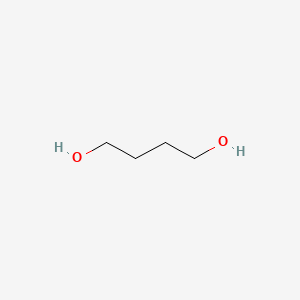
![1,4-Butanediol丨CAS 110-63-4]() 1,4-Butanediol丨CAS 110-63-4CAS No.: 110-63-4read more
1,4-Butanediol丨CAS 110-63-4CAS No.: 110-63-4read more
Product Name: 1,4-Butanediol
Molecular Formula: C4H10O2
Molecular Weight:... -
![FDCA丨CAS 3238-40-2]() FDCA丨CAS 3238-40-2Catalog No.: SS098300read more
FDCA丨CAS 3238-40-2Catalog No.: SS098300read more
CAS No.: 3238-40-2
Purity(HPLC): 99.9%min.
Product Name:... -
![Sodium Dodecyl Sulfate丨CAS 151-21-3]() Sodium Dodecyl Sulfate丨CAS 151-21-3CAS No.: 151-21-3read more
Sodium Dodecyl Sulfate丨CAS 151-21-3CAS No.: 151-21-3read more
Assay/Grade: EP11/99%min/95%min/CP2020
Product Name: Sodium dodecyl... -
![Glycerol丨CAS 56-81-5]() Glycerol丨CAS 56-81-5CAS No.: 56-81-5read more
Glycerol丨CAS 56-81-5CAS No.: 56-81-5read more
Grade: API/Injection/Pharmaceutical/Food/Industrial
Product Name:... -
![Cesium Carbonate丨CAS 534-17-8]() Cesium Carbonate丨CAS 534-17-8CAS No.: 534-17-8read more
Cesium Carbonate丨CAS 534-17-8CAS No.: 534-17-8read more
Assay: 99.9%min
Product Name: Cesium carbonate
Molecular Formula: Cs2CO3... -
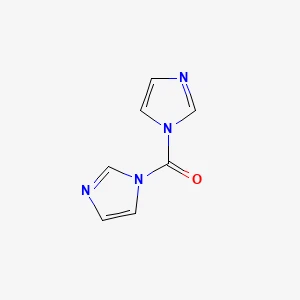
![1,1'-Carbonyldiimidazole丨CAS 530-62-1]() 1,1'-Carbonyldiimidazole丨CAS 530-62-1Catalog No.: SS080884read more
1,1'-Carbonyldiimidazole丨CAS 530-62-1Catalog No.: SS080884read more
CAS No.: 530-62-1
Assay(T): 98%min
Product Name:... -
![Palladium丨CAS 7440-05-3]() Palladium丨CAS 7440-05-3Catalog No.: SS067788read more
Palladium丨CAS 7440-05-3Catalog No.: SS067788read more
CAS No.: 7440-05-3
Assay(Pd): 10% Pd/C on dry basis.
Product Name:... -
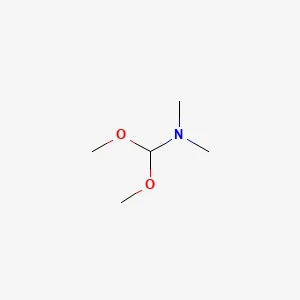
![N,N-Dimethylformamide Dimethyl Acetal丨CAS 4637-24-5]() N,N-Dimethylformamide Dimethyl Acetal丨CAS 4637-24-5Catalog No.: SS036295read more
N,N-Dimethylformamide Dimethyl Acetal丨CAS 4637-24-5Catalog No.: SS036295read more
CAS No.: 4637-24-5
Assay: 98%min
Product Name: N,N-Dimethylformamide...


Send Inquiry