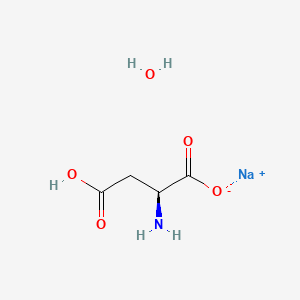
Hangzhou Leap Chem Co., Ltd. is one of the most professional manufacturers and suppliers of l-glutamine丨cas 56-85-9 in China. Welcome to wholesale bulk high quality chemical products at competitive price from our factory. If you have any enquiry about custom service, please feel free to email us.
Specifications
|
Grade |
FCC monograph |
|
Appearance |
White or almost white, crystal powder or colorless crystal |
|
Identification (IR) |
Confirms |
|
Assay |
98.5% - 101.5% |
|
Residue on ignition |
0.1% max |
|
Lead (Pb) |
3 ppm max |
|
Arsenic (As) |
1 ppm max |
|
Cadmium (Cd) |
1 ppm max |
|
Mercury (Hg) |
0.1 ppm max |
|
Heavy metals (Pb) |
5 ppm max |
|
Insoluble foreign matter (amino acids) |
5 mg / 100 g max |
|
Specific rotation [α]D20 |
+6.3° to +7.3° |
|
Loss on drying |
0.3% max |
Microbiological Information
|
Total aerobic microbial count |
1000 cfu/g max |
|
Molds and yeasts count |
100 cfu/g max |
|
Coliform bacteria |
Negative / 10 g |
|
Salmonella sp. |
Negative / 10 g |
|
Staphylococcus aureus |
Negative / 10 g |
Introduction
L-Glutamine丨CAS 56-85-9 is a naturally occurring α-amino acid and one of the 20 standard amino acids used by cells to build proteins. It is classified as a conditionally essential amino acid, meaning that while the body can usually synthesize enough of it, supplementation becomes necessary under certain conditions such as stress, illness, or injury.
It plays a vital role in various metabolic processes including protein synthesis, nitrogen transport, and cellular energy metabolism. Due to its multifaceted biological functions, L-glutamine is widely used in nutrition, medicine, and biotechnology.
Applications
1. Nutritional Supplementation
Used as a dietary supplement for athletes and individuals needing enhanced muscle recovery and immune support.
Helps reduce muscle soreness, improve muscle protein synthesis, and prevent muscle wasting during intense exercise or catabolic states.
Often included in parenteral nutrition formulas for patients unable to consume food orally.
2. Medical and Clinical Uses
Supports intestinal health by serving as a primary fuel source for enterocytes (intestinal cells), improving gut barrier function.
Used in treatment of critical illness, trauma, burns, and surgery recovery where glutamine demand increases.
Plays a role in immune system function, enhancing lymphocyte proliferation and cytokine production.
Investigated for use in cancer therapy, both as supportive care to mitigate side effects of chemotherapy and radiation, and as a potential modulator of cancer cell metabolism.
3. Cell Culture and Biotechnology
A key additive in cell culture media to support growth of mammalian cells, including hybridomas, stem cells, and CHO (Chinese hamster ovary) cells.
Essential for protein expression systems, vaccine production, and other biopharmaceutical manufacturing processes.
Helps maintain cell viability and promote proliferation due to its role in nitrogen metabolism and nucleotide synthesis.
4. Cosmetics and Personal Care
Incorporated in skincare formulations for its moisturizing and skin-repairing properties.
Supports skin hydration and regeneration by providing nitrogen for protein and nucleotide synthesis in skin cells.
Benefits
1. Supports Rapidly Dividing Cells
Critical for tissues with high turnover like the intestinal lining, immune cells, and skin.
Facilitates DNA and RNA synthesis, crucial for cell proliferation and repair.
2. Enhances Immune Function
Boosts lymphocyte function and cytokine production, improving immune response during stress or infection.
May reduce infection risk and improve recovery in immunocompromised patients.
3. Promotes Gut Health
Maintains intestinal mucosal integrity, reducing permeability and preventing bacterial translocation.
Useful in managing conditions like inflammatory bowel disease (IBD) and leaky gut syndrome.
4. Improves Muscle Recovery and Protein Metabolism
Helps prevent muscle catabolism by providing a nitrogen source for protein synthesis.
Supports muscle recovery in athletes and patients with muscle wasting conditions.
5. Versatile in Biotechnological Applications
Stabilizes cell culture conditions, supporting large-scale production of therapeutic proteins and vaccines.
Its supplementation optimizes yields and cell health in bioprocessing.
Conclusion
L-Glutamine丨CAS 56-85-9 is a vital amino acid with broad roles in human health, nutrition, and biotechnology. Its importance in supporting rapidly dividing cells, immune function, gut integrity, and muscle metabolism underlies its use in dietary supplements, medical treatments, and cell culture systems. The versatility and safety profile of L-glutamine make it indispensable in multiple scientific and clinical domains.