


Catalog No.: SS122415
CAS No.: 123-41-1
Assay: 43-45%
Product Name: Choline hydroxide
Molecular Formula: C5H15NO2
Molecular Weight: 121.18
Synonym(s): 2-Hydroxyethyl trimethylammonium...
Product Introduction
Biochemical reagents are high-purity chemical substances used in biological research, diagnostics, and industrial applications. They are essential for molecular biology, cell culture, enzymatic reactions, and analytical testing. Common types include buffers, enzymes, nucleotides, antibodies, and substrates, which support processes like DNA amplification, protein analysis, and drug discovery. These reagents must meet strict quality standards to ensure accuracy, reproducibility, and reliability in scientific and medical research.
-
![Choline Hydroxide丨CAS 123-41-1]()
-
![Thiazolyl Blue丨CAS 298-93-1]() Thiazolyl Blue丨CAS 298-93-1Catalog No.: SS084143read more
Thiazolyl Blue丨CAS 298-93-1Catalog No.: SS084143read more
CAS No.: 298-93-1
Assay: 98%min
Product Name: Thiazolyl Blue
Molecular Formula: C18H16BrN5S
Molecular Weight: 414.32
Synonym(s): MTT -
![Indigoidine丨CAS 2435-59-8]() Indigoidine丨CAS 2435-59-8Catalog No.: SS145841read more
Indigoidine丨CAS 2435-59-8Catalog No.: SS145841read more
CAS No.: 2435-59-8
Relative Content: 90.0% min
Product Name: Indigoidine
Molecular Formula: C10H8N4O4
Molecular Weight: 248.19492
Synonym(s):... -
![Benzyltriphenylphosphonium Chloride丨CAS 1100-88-5]() Benzyltriphenylphosphonium Chloride丨CAS 1100-88-5Catalog No.: SS143070read more
Benzyltriphenylphosphonium Chloride丨CAS 1100-88-5Catalog No.: SS143070read more
CAS No.: 1100-88-5
Assay: 99%min
Product Name: Benzyltriphenylphosphonium chloride
Molecular Formula: C25H22P.Cl
Molecular Weight: 388.87 -
![1,7-Phenanthroline丨CAS 230-46-6]() 1,7-Phenanthroline丨CAS 230-46-6Catalog No.: SS080074read more
1,7-Phenanthroline丨CAS 230-46-6Catalog No.: SS080074read more
CAS No.: 230-46-6
Purity(HPLC): 97%min
Product Name: 1,7-Phenanthroline
Molecular Formula: C12H8N2
Molecular Weight: 180.21 -
![Ferric Phosphate丨CAS 10045-86-0]() Ferric Phosphate丨CAS 10045-86-0Catalog No.: SS127581read more
Ferric Phosphate丨CAS 10045-86-0Catalog No.: SS127581read more
CAS No.: 10045-86-0
Grade: Industrial grade
Product Name: Ferric phosphate
Molecular Formula: FeO4P
Molecular Weight: 150.82
Synonym(s): Ferric orthophosphate; Iron(III)... -
![Thioflavine T丨CAS 2390-54-7]() Thioflavine T丨CAS 2390-54-7Catalog No.: SS141259read more
Thioflavine T丨CAS 2390-54-7Catalog No.: SS141259read more
CAS No.: 2390-54-7
Assay: 98%min
Product Name: Thioflavine T
Molecular Formula: C17H19ClN2S
Molecular Weight: 318.86
Synonym(s): C.I. 49005; Basic Yellow 1;... -
![Adenine Sulfate Dihydrate丨CAS 6509-19-9]() Adenine Sulfate Dihydrate丨CAS 6509-19-9Catalog No.: SS123653read more
Adenine Sulfate Dihydrate丨CAS 6509-19-9Catalog No.: SS123653read more
CAS No.: 6509-19-9
Purity(HPLC): 99%min
Product Name: Adenine Sulfate Dihydrate
Molecular Formula: C10H16N10O6S
Molecular Weight: 404.36 -
![Ethynyl Estradiol丨CAS 57-63-6]() Ethynyl Estradiol丨CAS 57-63-6Catalog No.: SS048969read more
Ethynyl Estradiol丨CAS 57-63-6Catalog No.: SS048969read more
CAS No.: 57-63-6
Grade/Content: USP36/97.0 ~ 102.0%
Product Name: Ethynyl estradiol
Molecular Formula: C20H24O2
Molecular Weight: 296.41
Synonym(s):... -
![5-Bromo-4-chloro-3-indolyl Phosphate P-toluidine Salt丨CAS 6578-06-9]() 5-Bromo-4-chloro-3-indolyl Phosphate P-toluidine Salt丨CAS...Catalog No.: SS084512read more
5-Bromo-4-chloro-3-indolyl Phosphate P-toluidine Salt丨CAS...Catalog No.: SS084512read more
CAS No.: 6578-06-9
Assay: 98%min
Product Name: 5-Bromo-4-chloro-3-indolyl phosphate p-toluidine salt
Molecular Formula: C8H6BrClNO4P.C7H9N
Molecular Weight: 433.62... -
![Isopropylamine丨CAS 75-31-0]() Isopropylamine丨CAS 75-31-0Catalog No.: SS111837read more
Isopropylamine丨CAS 75-31-0Catalog No.: SS111837read more
CAS No.: 75-31-0
Purity: 99.7%min
Product Name: Isopropylamine
Molecular Formula: C3H9N
Molecular Weight: 59.11
Synonym(s): 2-Aminopropane; 2-Propanamine; sec-Propylamine -
![Amylose丨CAS 9005-82-7]() Amylose丨CAS 9005-82-7Catalog No.: SS137200read more
Amylose丨CAS 9005-82-7Catalog No.: SS137200read more
CAS No.: 9005-82-7
Content: 30.0%min.
Product Name: Amylose
Molecular Formula: C18H32O16
Molecular Weight: 502.42
Synonym(s): Amylose chain


Product advantages and features
Precision & Accuracy in Research
Biochemical reagents enable highly accurate and reproducible results in molecular biology, genetics, and biochemical research, ensuring reliable data for experiments and diagnostics.
Support Complex Biochemical Reactions
They are essential for facilitating various enzymatic reactions, protein interactions, and DNA/RNA analysis, making them indispensable for research and development in biotech and pharmaceutical industries.
Enhance Diagnostic Procedures
Biochemical reagents are used in clinical diagnostics, enabling the detection of biomarkers, disease identification, and monitoring of metabolic processes, improving early diagnosis and patient care.
Boost Laboratory Efficiency
With ready-to-use formulations and high-purity standards, these reagents help streamline laboratory processes, reducing preparation time and ensuring consistent results across experiments.
Versatility Across Industries
Biochemical reagents are utilized in a variety of industries, including pharmaceuticals, agriculture, food safety, and environmental monitoring, offering solutions for quality control, product development, and safety testing.
Product type
01/
Enzymes
Proteins that catalyze specific biochemical reactions, speeding up processes like digestion, metabolism, and synthesis of cellular components. Examples: amylase, lipase, and DNA polymerase.
02/
Buffers
Chemicals that help maintain pH stability in solutions, ensuring the proper environment for enzyme activity and chemical reactions. Common examples: phosphate buffer, Tris buffer.
03/
Antibodies
Proteins used to recognize and bind specific antigens, commonly used in immunoassays (e.g., Western blotting, ELISA) for detecting proteins, nucleic acids, and pathogens.
04/
Chromatographic Reagents
Used in chromatography techniques to separate and identify components in mixtures. Examples include silica gel for column chromatography and mobile phases like methanol or acetonitrile.
05/
Stains and Dyes
Used to visualize cells, tissues, or specific molecules under a microscope. Examples: crystal violet, methylene blue, and nuclear stains like DAPI.
06/
Chemiluminescent Reagents
Reagents that produce light emission as part of a chemical reaction, commonly used in detection assays like Western blotting and ELISA.
05/
Redox Reagents
Substances involved in oxidation-reduction reactions, helping to detect or analyze specific molecules. Examples: NADH, hydrogen peroxide.
06/
Coenzymes and Cofactors
Non-protein molecules that assist enzymes in catalyzing biochemical reactions. Examples: NAD+, FAD, and ATP.
Application of the product
Chemical Analysis: Biochemical reagents are used to identify and quantify specific chemical substances in samples during various analytical procedures.
Enzyme Activity Assays: Biochemical reagents like substrates and cofactors are used to measure enzyme activity in laboratory experiments.
Immunoassays: Reagents such as antibodies are used to detect and quantify specific proteins, hormones, or pathogens in biological samples.
Cell Culture: Biochemical reagents, including growth factors and media supplements, are used to maintain and grow cells in laboratory cultures for research and testing.
DNA/RNA Analysis: Reagents such as primers and nucleotides are used in PCR (Polymerase Chain Reaction) and sequencing to analyze genetic material.
Protein Purification: Biochemical reagents like affinity tags and buffers are used to isolate and purify proteins from complex mixtures for study and use in research.
Diagnostics: Reagents are employed in diagnostic tests to detect the presence of diseases, infections, or abnormalities in clinical settings.
Research in Biochemistry: Biochemical reagents are used in various experimental procedures to explore the mechanisms of biochemical reactions, metabolic pathways, and cellular functions.
Company advantages
Our Focus on Quality & Customer Experience
We dedicate to delivering high-quality products and exceptional customer service beyond your expectation.
Comprehensive Product Range
Extensive catalog of over 27,000 chemicals for diverse industries, offering both standard compounds and specialized solutions.
Strong Industry Expertise
Our experienced diverse team provides expert guidance, staying current with industry trends to deliver optimal chemical solutions tailored to your needs.
Competitive Pricing & Reliability
Competitive pricing and reliable deliveries ensure cost-effective, efficient supply chains without compromising quality.
How to collaborate with us
Partnering with LEAPChem gives you access to the expertise of a leading company with 18 years of experience in the chemical industry. We offer over 27,000 chemical substances tailored to meet diverse needs. All our products adhere to industry standards and are accompanied by the necessary certifications.
We collaborate with a wide range of partners, including:
• Research Laboratories
• Pharmaceutical Companies
• Cosmetics Manufacturers
• Electronics Manufacturers
• Chemical Manufacturers
• Universities and Colleges Worldwide
• And more.
We specialize in helping our clients find the right chemical solutions tailored to their specific requirements. Additionally, we provide custom synthesis services to meet the unique needs of our partners. Whether you need bulk quantities for industrial processes or small batches for specialized applications, we’ve got you covered.
If you are looking for a reliable chemical supplier, we would be delighted to hear from you. Please send your inquiry or project details to sales@leapchem.com. Our professional team is eager to collaborate with you and help achieve your goals.
FAQ
Q: What are biochemical reagents?
A: Biochemical reagents are chemical substances used in biological and chemical research, diagnostics, and industrial applications to facilitate biochemical reactions and analyses.
Q: What are biochemical reagents used for?
A: They are used in laboratory research, medical diagnostics, drug development, biotechnology, and food testing to study biological processes and chemical interactions.
Q: What are some examples of biochemical reagents?
A: Common examples include buffers (Tris, PBS), enzymes (DNA polymerase, proteases), substrates, cofactors, and indicators (pH indicators, dyes).
Q: How do biochemical reagents differ from analytical reagents?
A: Biochemical reagents are used in biological and life sciences applications, while analytical reagents are primarily used in chemical and physical testing to determine the composition of substances.
Q: Why is the purity of biochemical reagents important?
A: High-purity reagents ensure accurate and reliable results in experiments, preventing contamination and unwanted side reactions.
Q: How are biochemical reagents stored?
A: Storage conditions vary, but many need cold storage (e.g., enzymes at -20°C), protection from light (e.g., fluorophores), or dry environments (e.g., lyophilized reagents).
Q: Are biochemical reagents hazardous?
A: Some can be hazardous and require proper handling, personal protective equipment (PPE), and safe disposal according to laboratory safety protocols.
Q: How are biochemical reagents classified?
A: They can be classified into buffers, enzymes, nucleotides, dyes & indicators, reducing agents, stabilizers, and substrates, among others.
Q: What are enzymes used for in biochemical research?
A: Enzymes like DNA polymerase, proteases, and reverse transcriptase are essential for processes such as PCR, protein digestion, and molecular cloning.
Q: How do buffers function in biochemical reactions?
A: Buffers maintain a stable pH environment, crucial for enzyme activity and biochemical processes in experiments.
Q: What is the role of biochemical reagents in medical diagnostics?
A: They are used in diagnostic tests such as ELISA, PCR, and blood glucose monitoring to detect diseases and medical conditions.
Q: Can biochemical reagents be used in drug development?
A: Yes, they play a critical role in drug screening, biochemical assays, and the development of new pharmaceuticals.
Q: Are biochemical reagents used in food testing?
A: Yes, they help detect contaminants, measure nutrient levels, and ensure food safety by identifying harmful substances.
Q: What precautions should be taken when handling biochemical reagents?
A: Follow safety guidelines, wear appropriate PPE, avoid contamination, and store them correctly to maintain stability and effectiveness.
Q: Where are biochemical reagents commonly used?
A: They are widely used in academic research, pharmaceutical companies, hospitals, diagnostic laboratories, and industrial biotechnology applications.
Hangzhou Leap Chem Co., Ltd. is well-known as one of the leading biochemical reagents manufacturers and suppliers in China, also supports custom service. We warmly welcome you to wholesale bulk high quality biochemical reagents from our factory.
biochemical reagentsPopular Products
-
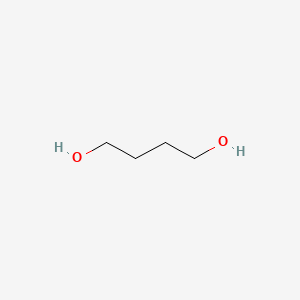
![1,4-Butanediol丨CAS 110-63-4]() 1,4-Butanediol丨CAS 110-63-4CAS No.: 110-63-4read more
1,4-Butanediol丨CAS 110-63-4CAS No.: 110-63-4read more
Product Name: 1,4-Butanediol
Molecular Formula: C4H10O2
Molecular Weight:... -
![FDCA丨CAS 3238-40-2]() FDCA丨CAS 3238-40-2Catalog No.: SS098300read more
FDCA丨CAS 3238-40-2Catalog No.: SS098300read more
CAS No.: 3238-40-2
Purity(HPLC): 99.9%min.
Product Name:... -
![Sodium Dodecyl Sulfate丨CAS 151-21-3]() Sodium Dodecyl Sulfate丨CAS 151-21-3CAS No.: 151-21-3read more
Sodium Dodecyl Sulfate丨CAS 151-21-3CAS No.: 151-21-3read more
Assay/Grade: EP11/99%min/95%min/CP2020
Product Name: Sodium dodecyl... -
![Glycerol丨CAS 56-81-5]() Glycerol丨CAS 56-81-5CAS No.: 56-81-5read more
Glycerol丨CAS 56-81-5CAS No.: 56-81-5read more
Grade: API/Injection/Pharmaceutical/Food/Industrial
Product Name:... -
![Cesium Carbonate丨CAS 534-17-8]() Cesium Carbonate丨CAS 534-17-8CAS No.: 534-17-8read more
Cesium Carbonate丨CAS 534-17-8CAS No.: 534-17-8read more
Assay: 99.9%min
Product Name: Cesium carbonate
Molecular Formula: Cs2CO3... -
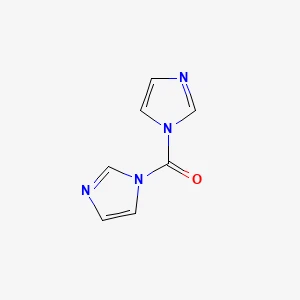
![1,1'-Carbonyldiimidazole丨CAS 530-62-1]() 1,1'-Carbonyldiimidazole丨CAS 530-62-1Catalog No.: SS080884read more
1,1'-Carbonyldiimidazole丨CAS 530-62-1Catalog No.: SS080884read more
CAS No.: 530-62-1
Assay(T): 98%min
Product Name:... -
![Palladium丨CAS 7440-05-3]() Palladium丨CAS 7440-05-3Catalog No.: SS067788read more
Palladium丨CAS 7440-05-3Catalog No.: SS067788read more
CAS No.: 7440-05-3
Assay(Pd): 10% Pd/C on dry basis.
Product Name:... -
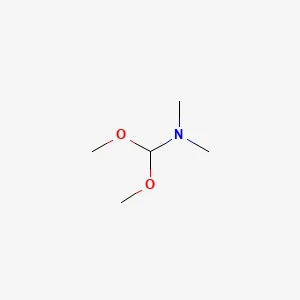
![N,N-Dimethylformamide Dimethyl Acetal丨CAS 4637-24-5]() N,N-Dimethylformamide Dimethyl Acetal丨CAS 4637-24-5Catalog No.: SS036295read more
N,N-Dimethylformamide Dimethyl Acetal丨CAS 4637-24-5Catalog No.: SS036295read more
CAS No.: 4637-24-5
Assay: 98%min
Product Name: N,N-Dimethylformamide...



Send Inquiry