


Catalog No.: SS023133
CAS No.: 114-86-3
Grade/Assay: CP 2010/99.0% min
Product Name: Phenformin
Molecular Formula: C10H15N5
Molecular Weight: 205.26
Synonym(s): 1-Phenethylbiguanide
Product Introduction
Guanidine is a highly versatile compound widely used in the chemical, cosmetic, and pharmaceutical industries. Known for its strong alkalinity, guanidine derivatives serve as essential building blocks in the synthesis of various products. In cosmetics, guanidine compounds are commonly found in hair relaxers and other formulations that require pH regulation or strong denaturing properties.
-
![Phenformin丨CAS 114-86-3]()
-
![Chlorhexidine丨CAS 55-56-1]() Chlorhexidine丨CAS 55-56-1Catalog No.: SS127916read more
Chlorhexidine丨CAS 55-56-1Catalog No.: SS127916read more
CAS No.: 55-56-1
Purity: 97.5%min.
Product Name: Chlorhexidine
Molecular Formula: C22H30Cl2N10
Molecular Weight: 505.45
Synonym(s):... -
![Guanidine Thiocyanate丨CAS 593-84-0]() Guanidine Thiocyanate丨CAS 593-84-0Catalog No.: SS077687read more
Guanidine Thiocyanate丨CAS 593-84-0Catalog No.: SS077687read more
CAS No.: 593-84-0
Purity: 99%min
Product Name: Guanidine thiocyanate
Molecular Formula: C2H6N4S;CH5N3.HSCN
Molecular Weight: 118.16
Synonym(s): GTC -
![Guanethidine Monosulfate丨CAS 645-43-2]() Guanethidine Monosulfate丨CAS 645-43-2Catalog No.: SS118581read more
Guanethidine Monosulfate丨CAS 645-43-2Catalog No.: SS118581read more
CAS No.: 645-43-2
Purity/Grade: USP32/ 97% to 103%
Product Name: Guanethidine monosulfate
Molecular Weight: 296.39
Molecular Formula: C10H24N4O4S
Synonym(s):... -
![Poly(hexamethylenebiguanide) Hydrochloride丨CAS 32289-58-0]() Poly(hexamethylenebiguanide) Hydrochloride丨CAS 32289-58-0Catalog No.: SS127878read more
Poly(hexamethylenebiguanide) Hydrochloride丨CAS 32289-58-0Catalog No.: SS127878read more
CAS No.: 32289-58-0
Assay(T): 98%min
Product Name: Poly(hexamethylenebiguanide) hydrochloride
Molecular Formula: C10H23N5
Molecular Weight: 213.32
Synonym(s):... -
![Guanidine Carbonate丨CAS 593-85-1]() Guanidine Carbonate丨CAS 593-85-1Catalog No.: SS124586read more
Guanidine Carbonate丨CAS 593-85-1Catalog No.: SS124586read more
CAS No.: 593-85-1
Purity/Grade: 99%min
Product Name: Guanidine carbonate
Molecular Formula: C3H12N6O3
Molecular Weight: 180.17 -
![Agmatine Sulfate丨CAS 2482-00-0]() Agmatine Sulfate丨CAS 2482-00-0Catalog No.: SS126769read more
Agmatine Sulfate丨CAS 2482-00-0Catalog No.: SS126769read more
CAS No.: 2482-00-0
Assay: 99%min
Product Name: Agmatine sulfate
Molecular Formula: C5H16N4O4S
Molecular Weight: 228.27
Synonym(s): 1-(4-Aminobutyl)guanidine sulfate


Product advantages and features
High Alkalinity
Guanidine is highly alkaline, making it effective in breaking down proteins and altering textures, which is especially useful in hair straightening and relaxing treatments.
Chemical Versatility
It serves as a precursor for the synthesis of numerous derivatives used in medical and industrial applications.
Stability
Guanidine compounds are chemically stable, ensuring consistent performance in various formulations.
Cost-Effective
Widely available and affordable, guanidine provides a cost-effective solution for large-scale manufacturing.
Compatibility
Guanidine and its derivatives can easily be integrated with other chemicals without causing unwanted reactions.
Product type
1
Guanidine Hydrochloride: Commonly used in hair care products as a denaturing agent and pH regulator, especially in hair relaxers.
2
Guanidine Carbonate: A less irritating alternative used in depilatories, hair straighteners, and as a buffering agent in cosmetics.
3
Guanidine Nitrate: Applied primarily in industrial uses but can also be a component in specialized hair care formulations.
4
Guanidine Phosphate: Utilized in flame retardants and as an intermediate in some cosmetic formulations.
5
Guanidine Sulfate: A chemical used in pharmaceutical and industrial applications but also found in certain personal care products.
Application of the product
Hair Relaxers and Straighteners: Used to break down the protein structure in hair, making it easier to style or straighten.
PH Regulators: Integrated into cosmetics that require precise pH control to maintain stability and effectiveness.
Depilatory Creams: Found in hair removal products where it helps dissolve keratin, making hair easier to remove.
Buffering Agents: Included in formulations to stabilize the pH and improve product shelf life.
Industrial Uses: Though not directly related to cosmetics, guanidine compounds are used in textile treatments, dyes, and explosives, showcasing its broad versatility.
Material of the product
Guanidine is often derived from materials like ammonia and cyanamide, which are combined under high-pressure conditions:
Cyanamide
A basic raw material that reacts with ammonia to produce guanidine.
Ammonia
A source of nitrogen used in the synthesis process.
Sodium Hydroxide
Sometimes used as a catalyst to facilitate the guanidine production process.
Additives and Stabilizers
Added during the formulation phase to enhance the stability and performance of guanidine-based products.
Production Process Or Procedure
The manufacturing process for guanidine typically begins with the reaction of cyanamide and ammonia in the presence of catalysts. Under controlled conditions of high temperature and pressure, this reaction forms guanidine salts. These salts can then be further processed into different guanidine derivatives depending on their intended application. In the case of cosmetic products, the guanidine is carefully blended with other active ingredients and stabilizers to produce a final formulation that meets specific industry standards. The product is then tested for pH balance, stability, and safety before packaging and distribution.
Components of the product
Guanidine Base
The active compound providing the necessary alkalinity and denaturing properties for hair and cosmetic applications.
01
Catalysts
Facilitate the production process by speeding up chemical reactions.
02
Stabilizers
Ensure the compound maintains its effectiveness over time, preventing breakdown or degradation.
03
PH Adjusters
Incorporated to fine-tune the formula, making it safe and effective for consumer use.
04
Conditioning Agents
Added in some formulations to reduce irritation and improve user experience, especially in hair care products.
05
Product maintenance and precautions
1. Storage Tips
Store guanidine-based products in a cool, dry place away from direct sunlight to prevent chemical degradation.
2. Safe Handling
Always wear protective gloves when handling guanidine compounds, as they can be irritating to the skin and eyes.
3. Application Precautions
For hair care products containing guanidine, follow the instructions carefully, especially when using relaxers, as overuse can lead to hair damage.
4. Disposal Guidelines
Dispose of unused or expired guanidine compounds according to local hazardous waste guidelines, as improper disposal can harm the environment.
5. Skin Irritation Prevention
Perform a patch test before using guanidine-based hair care products, especially if you have sensitive skin.
Company advantages
Our Focus on Quality & Customer Experience
We dedicate to delivering high-quality products and exceptional customer service beyond your expectation.
Comprehensive Product Range
Extensive catalog of over 27,000 chemicals for diverse industries, offering both standard compounds and specialized solutions.
Strong Industry Expertise
Our experienced diverse team provides expert guidance, staying current with industry trends to deliver optimal chemical solutions tailored to your needs.
Competitive Pricing & Reliability
Competitive pricing and reliable deliveries ensure cost-effective, efficient supply chains without compromising quality.
How to collaborate with us
Partnering with LEAPChem gives you access to the expertise of a leading company with 18 years of experience in the chemical industry. We offer over 27,000 chemical substances tailored to meet diverse needs. All our products adhere to industry standards and are accompanied by the necessary certifications.
We collaborate with a wide range of partners, including:
• Research Laboratories
• Pharmaceutical Companies
• Cosmetics Manufacturers
• Electronics Manufacturers
• Chemical Manufacturers
• Universities and Colleges Worldwide
• And more.
We specialize in helping our clients find the right chemical solutions tailored to their specific requirements. Additionally, we provide custom synthesis services to meet the unique needs of our partners. Whether you need bulk quantities for industrial processes or small batches for specialized applications, we’ve got you covered.
If you are looking for a reliable chemical supplier, we would be delighted to hear from you. Please send your inquiry or project details to sales@leapchem.com. Our professional team is eager to collaborate with you and help achieve your goals.
FAQ
Q: What is guanidine used for in cosmetics?
A: Guanidine is primarily used in hair care products like relaxers and depilatories due to its strong alkaline properties that break down keratin, making hair easier to style or remove.
Q: Is guanidine safe for sensitive skin?
A: While guanidine is effective, it can be irritating, especially for those with sensitive skin. It’s important to perform a patch test and follow instructions to avoid adverse reactions.
Q: How does guanidine work in hair relaxers?
A: Guanidine alters the protein structure in hair, breaking down bonds to reduce curls and create a straighter texture. This is achieved by raising the hair’s pH to soften and reshape it.
Q: What’s the difference between guanidine hydroxide and sodium hydroxide relaxers?
A: Guanidine hydroxide relaxers are often labeled as “no-lye” and are generally less irritating than sodium hydroxide (lye) relaxers, though they still require careful application.
Q: Can guanidine cause hair damage?
A: Yes, improper use or excessive application of guanidine can lead to hair damage, breakage, and scalp irritation. It’s important to follow the recommended usage guidelines.
Q: Are there alternatives to guanidine in hair care?
A: Yes, other ingredients like ammonium thioglycolate and lye are also used in hair relaxers, each with its own benefits and drawbacks in terms of strength and irritation potential.
Q: What are the environmental impacts of guanidine?
A: Guanidine, when disposed of improperly, can pose environmental hazards. It’s crucial to follow disposal regulations to minimize its impact on soil and water systems.
Q: How should I store guanidine-based products?
A: Keep guanidine products tightly sealed in a cool, dry environment to maintain their potency and prevent contamination.
Q: Can guanidine be used in DIY hair treatments?
A: It is not recommended to use guanidine in DIY treatments unless you are a professional, as incorrect usage can lead to severe hair and scalp damage.
Q: Is guanidine suitable for all hair types?
A: Guanidine relaxers are generally effective on thick, curly hair but may be too strong for fine or chemically treated hair, leading to potential over-processing.
Q: How is guanidine used as a pH regulator in cosmetics?
A: Guanidine is utilized as a pH regulator in cosmetic formulations to stabilize the acidity or alkalinity of products. Its strong buffering properties help maintain the desired pH level, ensuring that products remain effective and safe for use over time.
Q: What role does guanidine play in depilatory creams?
A: Guanidine is a key ingredient in depilatory creams, where it helps dissolve keratin, the protein in hair, allowing for easy removal. Its alkaline nature breaks down the hair structure, making it easier to wipe away unwanted hair during the application process.
Q: How does guanidine function as a buffering agent?
A: As a buffering agent, guanidine helps maintain the stability of a product’s pH, ensuring that the formula remains consistent under different storage conditions. This is especially important in cosmetic products that need to stay within a specific pH range to be safe and effective.
Q: What are the industrial uses of guanidine?
A: Beyond cosmetics, guanidine is widely used in industrial applications such as the production of textiles, dyes, and even explosives. Its strong alkalinity and chemical stability make it suitable for a variety of processes, including resin manufacturing and water treatment.
Q: What makes guanidine suitable for industrial applications?
A: Guanidine's high alkalinity, stability, and reactivity make it an ideal choice for various industrial processes such as resin production, water treatment, and even explosives manufacturing.
Q: How is guanidine used in textile manufacturing?
A: Guanidine is employed in textile processing as a treatment agent for fibers, helping enhance dye uptake and improve the durability of fabrics. Its chemical properties allow it to bond effectively with textile materials.
Q: Can guanidine be used in water treatment processes?
A: Yes, guanidine compounds are often used in water treatment as a corrosion inhibitor and pH adjuster, helping to maintain balanced water chemistry in industrial systems.
Q: Why is pH regulation important in cosmetics?
A: Maintaining the correct pH in cosmetic products ensures that they remain effective, safe, and gentle on the skin. Guanidine helps achieve this by stabilizing the pH, especially in formulations that need to be mildly acidic or alkaline.
Q: What types of cosmetic products use guanidine as a pH regulator?
A: Guanidine is commonly found in products like shampoos, conditioners, and skincare creams, where pH balance is crucial for product stability and consumer safety.
Q: How does guanidine enhance the shelf life of cosmetic products?
A: By acting as a buffering agent, guanidine helps prevent drastic changes in pH, which could lead to product degradation, separation, or reduced efficacy, ultimately extending the shelf life of cosmetic formulations.
Hangzhou Leap Chem Co., Ltd. is well-known as one of the leading guanidine manufacturers and suppliers in China, also supports custom service. We warmly welcome you to wholesale bulk high quality guanidine from our factory.
guanidinePopular Products
-
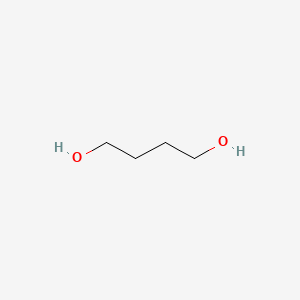
![1,4-Butanediol丨CAS 110-63-4]() 1,4-Butanediol丨CAS 110-63-4CAS No.: 110-63-4read more
1,4-Butanediol丨CAS 110-63-4CAS No.: 110-63-4read more
Product Name: 1,4-Butanediol
Molecular Formula: C4H10O2
Molecular Weight:... -
![FDCA丨CAS 3238-40-2]() FDCA丨CAS 3238-40-2Catalog No.: SS098300read more
FDCA丨CAS 3238-40-2Catalog No.: SS098300read more
CAS No.: 3238-40-2
Purity(HPLC): 99.9%min.
Product Name:... -
![Sodium Dodecyl Sulfate丨CAS 151-21-3]() Sodium Dodecyl Sulfate丨CAS 151-21-3CAS No.: 151-21-3read more
Sodium Dodecyl Sulfate丨CAS 151-21-3CAS No.: 151-21-3read more
Assay/Grade: EP11/99%min/95%min/CP2020
Product Name: Sodium dodecyl... -
![Glycerol丨CAS 56-81-5]() Glycerol丨CAS 56-81-5CAS No.: 56-81-5read more
Glycerol丨CAS 56-81-5CAS No.: 56-81-5read more
Grade: API/Injection/Pharmaceutical/Food/Industrial
Product Name:... -
![Cesium Carbonate丨CAS 534-17-8]() Cesium Carbonate丨CAS 534-17-8CAS No.: 534-17-8read more
Cesium Carbonate丨CAS 534-17-8CAS No.: 534-17-8read more
Assay: 99.9%min
Product Name: Cesium carbonate
Molecular Formula: Cs2CO3... -
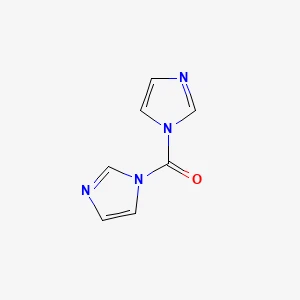
![1,1'-Carbonyldiimidazole丨CAS 530-62-1]() 1,1'-Carbonyldiimidazole丨CAS 530-62-1Catalog No.: SS080884read more
1,1'-Carbonyldiimidazole丨CAS 530-62-1Catalog No.: SS080884read more
CAS No.: 530-62-1
Assay(T): 98%min
Product Name:... -
![Palladium丨CAS 7440-05-3]() Palladium丨CAS 7440-05-3Catalog No.: SS067788read more
Palladium丨CAS 7440-05-3Catalog No.: SS067788read more
CAS No.: 7440-05-3
Assay(Pd): 10% Pd/C on dry basis.
Product Name:... -
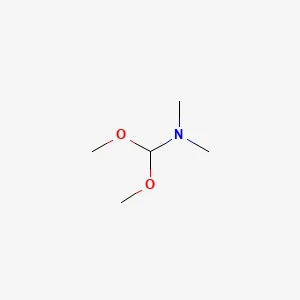
![N,N-Dimethylformamide Dimethyl Acetal丨CAS 4637-24-5]() N,N-Dimethylformamide Dimethyl Acetal丨CAS 4637-24-5Catalog No.: SS036295read more
N,N-Dimethylformamide Dimethyl Acetal丨CAS 4637-24-5Catalog No.: SS036295read more
CAS No.: 4637-24-5
Assay: 98%min
Product Name: N,N-Dimethylformamide...



Send Inquiry