


Catalog No.: SS136922
CAS No.: 18292-38-1
Assay(GC): 97%min
Product Name: Trimethyl(2-Methyl-2-Propen-1-Yl)-Silane
Molecular Formula: C7H16Si
Molecular Weight: 128.29
Synonym(s):...
Product Introduction
Silicon compounds are a diverse class of chemical substances that contain silicon, a key element in electronics, construction, and various industrial applications. These compounds range from simple silicates to advanced silanes and silicones, each offering unique properties. Silicon compounds are integral to the production of semiconductors, sealants, optical fibers, and more, playing a pivotal role in industries that drive modern technology and infrastructure.
-
![Trimethyl(2-Methyl-2-Propen-1-Yl)-Silane丨CAS 18292-38-1]()
-
![1,3-Divinyltetramethyldisilazane丨CAS 7691-02-3]() 1,3-Divinyltetramethyldisilazane丨CAS 7691-02-3Catalog No.: SS128103read more
1,3-Divinyltetramethyldisilazane丨CAS 7691-02-3Catalog No.: SS128103read more
CAS No.: 7691-02-3
Assay: 97%min
Product Name: 1,3-Divinyltetramethyldisilazane
Molecular Formula: C8H19NSi2
Molecular Weight: 185.41
Synonym(s):... -
![Sodium Trimethylsilanolate丨CAS 18027-10-6]() Sodium Trimethylsilanolate丨CAS 18027-10-6Catalog No.: SS128659read more
Sodium Trimethylsilanolate丨CAS 18027-10-6Catalog No.: SS128659read more
CAS No.: 18027-10-6
Assay (Titration by HCl): 94-112 %
Product Name: Sodium trimethylsilanolate
Molecular Formula: C3H9OSi.Na
Molecular Weight: 111.17 -
![Di-tert-butyl(dichloro)silane丨CAS 18395-90-9]() Di-tert-butyl(dichloro)silane丨CAS 18395-90-9Catalog No.: SS129501read more
Di-tert-butyl(dichloro)silane丨CAS 18395-90-9Catalog No.: SS129501read more
CAS No.: 18395-90-9
Purity(GC): 98% min
Product Name: Di-tert-butyl(dichloro)silane
Molecular Formula: C8H18Cl2Si
Molecular Weight: 213.22 -
![3-((Tert-butyldimethylsilyl)oxy)propanal丨CAS 89922-82-7]() 3-((Tert-butyldimethylsilyl)oxy)propanal丨CAS 89922-82-7Catalog No.: SS131402read more
3-((Tert-butyldimethylsilyl)oxy)propanal丨CAS 89922-82-7Catalog No.: SS131402read more
CAS No.: 89922-82-7
Purity(GC): 95% min
Product Name: 3-((Tert-butyldimethylsilyl)oxy)propanal
Molecular Formula: C9H20O2Si
Molecular Weight: 188.34 -
![1,3,5-Tris(3,3,3-trifluoropropyl)methylcyclotrisiloxane丨CAS 2374-14-3]() 1,3,5-Tris(3,3,3-trifluoropropyl)methylcyclotrisiloxane丨C...Catalog No.: SS130472read more
1,3,5-Tris(3,3,3-trifluoropropyl)methylcyclotrisiloxane丨C...Catalog No.: SS130472read more
CAS No.: 2374-14-3
Assay: 99.7% min.
Product Name: 1,3,5-Tris(3,3,3-trifluoropropyl)methylcyclotrisiloxane
Molecular Formula: C12H21F9O3Si3
Molecular Weight: 468.54 -
![N-Butylchlorodimethylsilane丨CAS 1000-50-6]() N-Butylchlorodimethylsilane丨CAS 1000-50-6Catalog No.: SS089738read more
N-Butylchlorodimethylsilane丨CAS 1000-50-6Catalog No.: SS089738read more
CAS No.: 1000-50-6
Purity(GC): 95.0% min
Product Name: n-Butylchlorodimethylsilane
Molecular Formula: C6H15ClSi
Molecular Weight: 150.72
Synonym(s):... -
![Tetramethyl Orthosilicate丨CAS 681-84-5]() Tetramethyl Orthosilicate丨CAS 681-84-5Catalog No.: SS130851read more
Tetramethyl Orthosilicate丨CAS 681-84-5Catalog No.: SS130851read more
CAS No.: 681-84-5
Assay: 99%min
Product Name: Tetramethyl orthosilicate
Molecular Formula: C4H12O4Si
Molecular Weight: 152.22
Synonym(s): Methyl silicate;... -
![1,3-Bis(3-cyanopropyl)tetramethyldisiloxane丨CAS 18027-80-0]() 1,3-Bis(3-cyanopropyl)tetramethyldisiloxane丨CAS 18027-80-0Catalog No.: SS129722read more
1,3-Bis(3-cyanopropyl)tetramethyldisiloxane丨CAS 18027-80-0Catalog No.: SS129722read more
CAS No.: 18027-80-0
Purity: 97% min
Product Name: 1,3-Bis(3-cyanopropyl)tetramethyldisiloxane
Molecular Formula: C12H24N2OSi2
Molecular Weight: 268.50
Synonym(s):... -
![Tributylsilane丨CAS 998-41-4]() Tributylsilane丨CAS 998-41-4Catalog No.: SS131879read more
Tributylsilane丨CAS 998-41-4Catalog No.: SS131879read more
CAS No.: 998-41-4
Purity: 98%min
Product Name: Tributylsilane
Molecular Formula: C12H27Si
Molecular Weight: 199.43
Synonym(s): Silane, tributyl- -
![Chloromethyltrimethylsilane丨CAS 2344-80-1]() Chloromethyltrimethylsilane丨CAS 2344-80-1Catalog No.: SS114245read more
Chloromethyltrimethylsilane丨CAS 2344-80-1Catalog No.: SS114245read more
CAS No.: 2344-80-1
Assay: 98% min
Product Name: Chloromethyltrimethylsilane
Molecular Formula: C4H11ClSi
Molecular Weight: 122.67
Synonym(s): (Chloromethyl)trimethylsilane;... -
![Tetrabutylammonium Difluorotriphenylsilicate丨CAS 163931-61-1]() Tetrabutylammonium Difluorotriphenylsilicate丨CAS 163931-61-1Catalog No.: SS131867read more
Tetrabutylammonium Difluorotriphenylsilicate丨CAS 163931-61-1Catalog No.: SS131867read more
CAS No.: 163931-61-1
Purity(by GC): 95% min
Product Name: Tetrabutylammonium difluorotriphenylsilicate
Molecular Formula: C34H51F2NSi
Molecular Weight: 539.86 ...


Product advantages and features
Thermal Stability
Silicon compounds, especially silicones, are highly resistant to temperature extremes, making them ideal for applications in electronics and automotive industries.
01
High Purity
Silicon-based materials used in semiconductors undergo rigorous refinement processes to achieve the ultra-high purity levels required for precision electronics.
02
Versatile Applications
From adhesives and coatings to electronic components, silicon compounds can be formulated for a broad range of industrial uses.
03
Excellent Insulating Properties
Silicon compounds are widely used as insulators due to their low electrical conductivity and high resistance to environmental factors.
04
Chemical Resistance
Many silicon compounds, such as silanes and silicones, offer superior resistance to chemicals, UV radiation, and moisture, enhancing durability.
05
Product type
1. Silicones
These flexible and stable polymers are used in sealants, adhesives, and coatings, providing thermal stability and water resistance.
2. Silanes
Silanes are used as coupling agents and surface modifiers, improving adhesion between dissimilar materials in paints, coatings, and composite manufacturing.
3. Silicon Dioxide (SiO₂)
Commonly known as silica, this compound is a key component in glass, ceramics, and as a dielectric material in electronics.
4. Polysilicon
High-purity polysilicon is essential in the production of photovoltaic cells for solar panels and in semiconductor manufacturing.
5. Silicates
These compounds, including sodium silicate and calcium silicate, are used in construction materials, detergents, and as insulation in industrial settings.
Application of the product
Semiconductor Manufacturing: High-purity silicon is the foundational material in microchips, transistors, and other electronic devices.
Construction and Building Materials: Silicon compounds are used in concrete additives, sealants, and insulation products that enhance structural integrity.
Automotive Industry: Silicones are widely applied in gaskets, hoses, and coatings, providing resistance to heat, oil, and environmental factors.
Optical Devices and Communications: Silicon dioxide is used in the production of optical fibers and lenses, enabling high-speed data transmission and precision optics.
Renewable Energy: Polysilicon is critical in producing solar panels, helping to convert sunlight into electrical energy efficiently.
Material of the product
1
Silicon Dioxide (SiO₂): A versatile material used in glass, ceramics, and as a dielectric layer in microelectronics.
2
Dimethylpolysiloxane: A silicone polymer used in lubricants, sealants, and as a key ingredient in flexible and waterproof coatings.
3
Tetraethyl Orthosilicate (TEOS): A precursor used in chemical vapor deposition (CVD) for creating thin films in semiconductor manufacturing.
4
Sodium Silicate: Commonly known as water glass, this compound is used in adhesives, cements, and as a corrosion inhibitor.
5
Trimethylsilanol (TMS): A silane compound used in modifying surfaces for better adhesion and moisture resistance in coatings and composites.
Production Process Or Procedure
The production of silicon compounds begins with the extraction of silica from quartz or sand. This silica is then refined and processed depending on the desired end product. In the case of polysilicon, silica is purified through chemical vapor deposition (CVD) and other methods to create ultra-pure silicon for electronics. For silicones, silica undergoes polymerization reactions, producing stable and flexible materials used in a wide range of applications. Advanced manufacturing techniques ensure precise control over purity, molecular structure, and performance characteristics, meeting the demanding standards of industries like electronics and construction.
Components of the product
Monomers
Used in the polymerization process to create silicones with desired mechanical and chemical properties.
Fillers and Additives
Enhance the performance of silicon compounds, adding properties like thermal conductivity, flame retardance, and UV resistance.
Catalysts
Essential in accelerating chemical reactions during the production of silanes, silicones, and other silicon-based products.
Crosslinkers
Enable the formation of stable silicone networks, providing flexibility and strength in adhesives and sealants.
Solvents
Used in the processing of silicon compounds, particularly in coatings and surface treatments, ensuring even distribution and adherence.
Product maintenance and precautions
Storage Guidelines
Store silicon compounds in dry, cool environments to avoid degradation, particularly for moisture-sensitive silanes and adhesives.
Proper Handling
Use appropriate PPE, such as gloves and goggles, when handling silicon chemicals to prevent skin irritation or inhalation of fumes.
Compatibility Testing
Test compatibility with other materials before large-scale application to prevent adverse chemical reactions.
Regular Inspections
Periodically check stored silicon products for any signs of separation, curing, or degradation, especially for sealants and adhesives.
Disposal Regulations
Follow local guidelines for the safe disposal of silicon-based chemicals, as some may require special handling to prevent environmental contamination.
Company advantages
Our Focus on Quality & Customer Experience
We dedicate to delivering high-quality products and exceptional customer service beyond your expectation.
Comprehensive Product Range
Extensive catalog of over 27,000 chemicals for diverse industries, offering both standard compounds and specialized solutions.
Strong Industry Expertise
Our experienced diverse team provides expert guidance, staying current with industry trends to deliver optimal chemical solutions tailored to your needs.
Competitive Pricing & Reliability
Competitive pricing and reliable deliveries ensure cost-effective, efficient supply chains without compromising quality.
How to collaborate with us
Partnering with LEAPChem gives you access to the expertise of a leading company with 18 years of experience in the chemical industry. We offer over 27,000 chemical substances tailored to meet diverse needs. All our products adhere to industry standards and are accompanied by the necessary certifications.
We collaborate with a wide range of partners, including:
• Research Laboratories
• Pharmaceutical Companies
• Cosmetics Manufacturers
• Electronics Manufacturers
• Chemical Manufacturers
• Universities and Colleges Worldwide
• And more.
We specialize in helping our clients find the right chemical solutions tailored to their specific requirements. Additionally, we provide custom synthesis services to meet the unique needs of our partners. Whether you need bulk quantities for industrial processes or small batches for specialized applications, we’ve got you covered.
If you are looking for a reliable chemical supplier, we would be delighted to hear from you. Please send your inquiry or project details to sales@leapchem.com. Our professional team is eager to collaborate with you and help achieve your goals.
FAQ
Q: What are silicon compounds used for?
A: Silicon compounds are used in semiconductors, construction materials, adhesives, sealants, and optical devices.
Q: Why are silicon compounds important in electronics?
A: They provide the foundational material for semiconductors and insulators, crucial in the production of microchips and other electronic components.
Q: What is the difference between silicones and silanes?
A: Silicones are polymers used in flexible, heat-resistant materials, while silanes are small molecules used for surface treatments and as coupling agents.
Q: How is polysilicon used in the solar industry?
A: Polysilicon is a key material in photovoltaic cells that convert sunlight into electricity in solar panels.
Q: What makes silicon compounds suitable for high-temperature applications?
A: Their thermal stability and resistance to degradation make them ideal for use in environments with extreme temperatures.
Q: What are the common types of silicon compounds in construction?
A: Silicones and silicates are widely used for sealants, coatings, and as concrete additives to enhance durability.
Q: How are silicon compounds purified for semiconductor use?
A: Advanced techniques like chemical vapor deposition (CVD) and zone refining are used to achieve the ultra-high purity levels required.
Q: What role do silicon compounds play in optical communications?
A: Silicon dioxide is essential in making optical fibers for high-speed data transmission and precision lenses.
Q: Can silicon compounds be recycled?
A: Some silicon materials, particularly those used in solar panels, can be recycled, though the process is complex and requires specialized facilities.
Q: How are silicones used in the automotive industry?
A: Silicones are used in gaskets, hoses, and coatings due to their flexibility and resistance to heat, oils, and environmental factors.
Q: What is silicon dioxide (SiO₂) commonly used for?
A: Silicon dioxide is used in glass manufacturing, as a filler in ceramics, and as an insulating layer in electronic devices.
Q: Are silicon compounds safe to handle?
A: Most are safe when handled with proper precautions, but some silanes and silicones require careful handling to avoid skin or respiratory irritation.
Q: How do silanes improve adhesion in coatings?
A: Silanes act as coupling agents, enhancing the bond between organic coatings and inorganic surfaces like metals or glass.
Q: What is the role of fillers in silicone products?
A: Fillers are added to silicones to improve properties like strength, thermal conductivity, or flame retardance.
Q: How are silicon compounds stored to maintain their effectiveness?
A: They should be stored in cool, dry environments away from moisture and contaminants to prevent degradation.
Hangzhou Leap Chem Co., Ltd. is well-known as one of the leading silicon compounds manufacturers and suppliers in China, also supports custom service. We warmly welcome you to wholesale bulk high quality silicon compounds from our factory.
9006-65-9, 2 4 6 8 Tetravinyl 2 4 6 8 tetramethylcyclotetrasiloxane, CAS 9006 65 9Popular Products
-
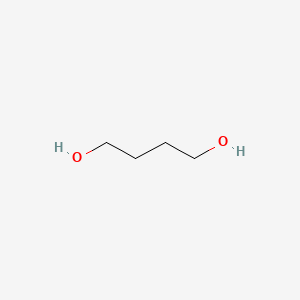
![1,4-Butanediol丨CAS 110-63-4]() 1,4-Butanediol丨CAS 110-63-4CAS No.: 110-63-4read more
1,4-Butanediol丨CAS 110-63-4CAS No.: 110-63-4read more
Product Name: 1,4-Butanediol
Molecular Formula: C4H10O2
Molecular Weight:... -
![FDCA丨CAS 3238-40-2]() FDCA丨CAS 3238-40-2Catalog No.: SS098300read more
FDCA丨CAS 3238-40-2Catalog No.: SS098300read more
CAS No.: 3238-40-2
Purity(HPLC): 99.9%min.
Product Name:... -
![Sodium Dodecyl Sulfate丨CAS 151-21-3]() Sodium Dodecyl Sulfate丨CAS 151-21-3CAS No.: 151-21-3read more
Sodium Dodecyl Sulfate丨CAS 151-21-3CAS No.: 151-21-3read more
Assay/Grade: EP11/99%min/95%min/CP2020
Product Name: Sodium dodecyl... -
![Glycerol丨CAS 56-81-5]() Glycerol丨CAS 56-81-5CAS No.: 56-81-5read more
Glycerol丨CAS 56-81-5CAS No.: 56-81-5read more
Grade: API/Injection/Pharmaceutical/Food/Industrial
Product Name:... -
![Cesium Carbonate丨CAS 534-17-8]() Cesium Carbonate丨CAS 534-17-8CAS No.: 534-17-8read more
Cesium Carbonate丨CAS 534-17-8CAS No.: 534-17-8read more
Assay: 99.9%min
Product Name: Cesium carbonate
Molecular Formula: Cs2CO3... -
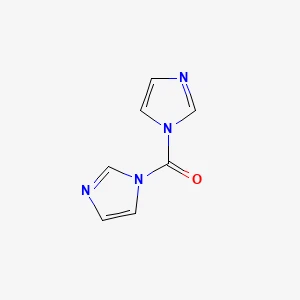
![1,1'-Carbonyldiimidazole丨CAS 530-62-1]() 1,1'-Carbonyldiimidazole丨CAS 530-62-1Catalog No.: SS080884read more
1,1'-Carbonyldiimidazole丨CAS 530-62-1Catalog No.: SS080884read more
CAS No.: 530-62-1
Assay(T): 98%min
Product Name:... -
![Palladium丨CAS 7440-05-3]() Palladium丨CAS 7440-05-3Catalog No.: SS067788read more
Palladium丨CAS 7440-05-3Catalog No.: SS067788read more
CAS No.: 7440-05-3
Assay(Pd): 10% Pd/C on dry basis.
Product Name:... -
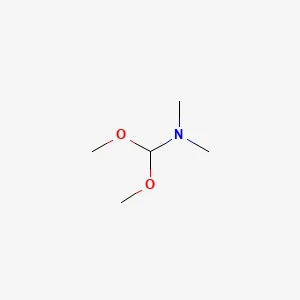
![N,N-Dimethylformamide Dimethyl Acetal丨CAS 4637-24-5]() N,N-Dimethylformamide Dimethyl Acetal丨CAS 4637-24-5Catalog No.: SS036295read more
N,N-Dimethylformamide Dimethyl Acetal丨CAS 4637-24-5Catalog No.: SS036295read more
CAS No.: 4637-24-5
Assay: 98%min
Product Name: N,N-Dimethylformamide...


Send Inquiry