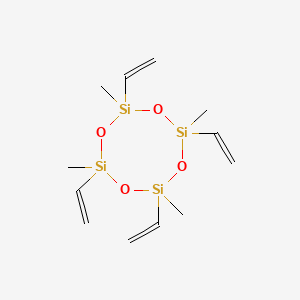

Hangzhou Leap Chem Co., Ltd. is one of the most professional manufacturers and suppliers of chloromethyltrimethylsilane丨cas 2344-80-1 in China. Welcome to wholesale bulk high quality chemical products at competitive price from our factory. If you have any enquiry about custom service, please feel free to email us.
Specifications
| Appearance: | Colorless liquid |
| Assay: | 98% min |
Transport Information
|
Parameter |
Specification |
|
UN Number |
1993 |
|
Class |
|
|
Packing Group |
|
|
H.S. Code |
2906199090303 |
|
Stability & Reactivity |
The product is chemically stable under standard ambient conditions. |
|
Storage |
Keep container tightly closed. Store in a cool and shaded area. Keep in a well-ventilated place. Use explosion-proof equipment. Protect from moisture. Keep under inert gas. Store locked up. |
|
Condition to Avoid |
Electrical spark Open flame Electrostatic discharge Exposure to moisture. |
|
Package |
Manufacturing Information
|
Parameter |
Specification |
|
Capacity |
|
|
Frequency |
|
|
Main Export Countries |
|
|
Capacity/Batch |
|
|
Experience |
Production since 2006 |
|
Stock |
In stock |
Applications
Chloromethyltrimethylsilane is a versatile organosilicon reagent widely used in organic synthesis, polymer chemistry, and surface modification. The compound combines a reactive chloromethyl electrophilic site with a trimethylsilyl (TMS) protecting group that imparts unique reactivity and steric effects.
1. Alkylation and Functional Group Introduction
The chloromethyl group acts as an electrophile that undergoes nucleophilic substitution reactions (S_N2) with a wide range of nucleophiles:
Alcohols, phenols → to form ethers
Amines → to form amines or ammonium salts
Thiols → to form thioethers
This makes it a valuable reagent to introduce trimethylsilylmethyl functionality into molecules, which serves as a protected or masked hydroxymethyl equivalent.
2. Intermediate in the Synthesis of Silicon-Containing Compounds
Used in the preparation of silyl-protected intermediates for pharmaceuticals and fine chemicals.
Provides a handle for further functionalization, such as converting the chloromethyl group into other functional groups after silyl protection.
Enables the synthesis of silicon-based polymers, monomers, and crosslinkers by subsequent polymerization or coupling reactions.
3. Protecting Group in Organic Synthesis
The trimethylsilyl group can serve as a protecting group for hydroxyl or carbanion functionalities during multi-step syntheses.
Chloromethyltrimethylsilane can install TMS-protected side chains that are stable under a variety of conditions but removable when needed.
4. Surface Modification and Silane Coupling
Utilized in surface functionalization of materials such as glass, silica, and metal oxides.
The chloromethyl group reacts with surface nucleophiles, enabling the covalent attachment of trimethylsilylmethyl groups.
This modification improves hydrophobicity, adhesion, and compatibility of surfaces with organic matrices.
5. Precursor in Polymer and Material Sciences
Acts as a building block in silicon-containing polymers and resins.
Allows incorporation of reactive chloromethyl sites into polymers, enabling crosslinking or further chemical modification.
Used in synthesis of silicone-based elastomers and specialty materials with tailored mechanical and chemical properties.
Benefits
1. Dual Reactivity: Electrophilic and Protecting
The combination of the chloromethyl electrophile and trimethylsilyl protecting group provides a unique dual-functionality, enabling stepwise synthesis and protection strategies.
Allows for selective functionalization of molecules under mild conditions.
2. Improved Stability and Handling
Compared to simple chloromethyl reagents, the trimethylsilyl group enhances stability and reduces volatility.
The reagent can be handled safely with appropriate precautions and stored under inert atmosphere.
3. Facilitates Complex Synthesis
The reagent provides a versatile platform for installing silicon-containing groups that can later be transformed or removed.
Enables the synthesis of molecules with improved solubility, lipophilicity, and chemical resistance.
4. Enhances Surface and Material Properties
Surfaces modified with TMS groups exhibit enhanced water repellency, chemical resistance, and improved adhesion to organic polymers.
Enables tailoring of surface energy and mechanical properties in composite materials.
5. Versatility Across Industries
Used in pharmaceutical synthesis, materials science, coatings, electronics, and specialty polymers.
Facilitates innovation in silicon-based materials and organosilicon chemistry.
Conclusion
Chloromethyltrimethylsilane (CAS 2344-80-1) is a powerful organosilicon reagent that combines the reactive chloromethyl electrophile with the protective trimethylsilyl group. Its dual reactivity enables:
Introduction of TMS-protected methyl groups into organic molecules
Surface functionalization of materials to improve hydrophobicity and adhesion
Use as an intermediate in silicon-containing polymer and fine chemical synthesis
Its unique properties make it indispensable in organic synthesis, material science, and industrial applications where precise molecular modification and surface engineering are critical.