


Catalog No.: SS018455
CAS No.: 516-12-1
Purity: 98.0%min
Product Name: N-Iodosuccinimide
Molecular Formula: C4H4INO2
Molecular Weight: 224.98
Synonym(s): 1-Iodo-2,5-pyrrolidinedione; NIS
Product Introduction
Analytical reagents are high-purity chemicals used in laboratory testing, quality control, and scientific research to ensure accurate and reliable analysis. They are essential for chemical identification, quantitative measurement, and instrument calibration in industries such as pharmaceuticals, environmental science, and food safety. Common types include pH indicators, titration solutions, chromatography solvents, and spectrophotometric standards. These reagents meet strict purity and quality standards, ensuring precise and reproducible results in analytical and diagnostic applications.
-
![N-Iodosuccinimide丨CAS 516-12-1]()
-
![Murexide丨CAS 3051-09-0]() Murexide丨CAS 3051-09-0Catalog No.: SS118947read more
Murexide丨CAS 3051-09-0Catalog No.: SS118947read more
CAS No.: 3051-09-0
Grade: Indicator grade
Product Name: Murexide
Molecular Formula: C8H8N6O6
Molecular Weight: 284.18
Synonym(s): Ammonium purpurate -
![N,N-Dimethylhexadecylamine丨CAS 112-69-6]() N,N-Dimethylhexadecylamine丨CAS 112-69-6Catalog No.: SS142321read more
N,N-Dimethylhexadecylamine丨CAS 112-69-6Catalog No.: SS142321read more
CAS No.: 112-69-6
Purity: 97%min
Product Name: N,N-Dimethylhexadecylamine
Molecular Formula: C18H39N
Molecular Weight: 269.51
Synonym(s): Armeen DM 16D -
![Potassium Thiocyanate丨CAS 333-20-0]() Potassium Thiocyanate丨CAS 333-20-0Catalog No.: SS084241read more
Potassium Thiocyanate丨CAS 333-20-0Catalog No.: SS084241read more
CAS No.: 333-20-0
Grade: AR
Product Name: Potassium thiocyanate
Molecular Formula: KCNS
Molecular Weight: 97.18
Synonym(s): Potassium rhodanide -
![4-Methylvaleryl Chloride丨CAS 38136-29-7]() 4-Methylvaleryl Chloride丨CAS 38136-29-7Catalog No.: SS004375read more
4-Methylvaleryl Chloride丨CAS 38136-29-7Catalog No.: SS004375read more
CAS No.: 38136-29-7
Assay: 98%min
Product Name: 4-Methylvaleryl chloride
Molecular Formula: C6H11ClO
Molecular Weight: 134.6
Synonym(s): Isocapronyl chloride -
![BAPTA Tetrasodium Salt Hydrate丨CAS 126824-24-6]() BAPTA Tetrasodium Salt Hydrate丨CAS 126824-24-6Catalog No.: SS077280read more
BAPTA Tetrasodium Salt Hydrate丨CAS 126824-24-6Catalog No.: SS077280read more
CAS No.: 126824-24-6
Purity(HPLC): 97%min
Product Name: BAPTA tetrasodium salt hydrate
Molecular Formula: C22H20N2Na4O10
Molecular Weight: 564.4 -
![5,10-Methylene Tetrahydro Folic Acid丨CAS 3432-99-3]() 5,10-Methylene Tetrahydro Folic Acid丨CAS 3432-99-3Catalog No.: SS142538read more
5,10-Methylene Tetrahydro Folic Acid丨CAS 3432-99-3Catalog No.: SS142538read more
CAS No.: 3432-99-3
Chemical Purity(HPLC Area%): 90%max
Product Name: 5,10-Methylene tetrahydro folic acid
Molecular Formula: C20H23N7O6
Molecular Weight: 457.4 -
![Trimethylacetic Anhydride丨CAS 1538-75-6]() Trimethylacetic Anhydride丨CAS 1538-75-6Catalog No.: SS084243read more
Trimethylacetic Anhydride丨CAS 1538-75-6Catalog No.: SS084243read more
CAS No.: 1538-75-6
Purity: 99%min
Product Name: Trimethylacetic anhydride
Molecular Formula: C10H18O3
Molecular Weight: 186.25 -
![O-isopropyl Ethylthiocarbamate丨CAS 141-98-0]() O-isopropyl Ethylthiocarbamate丨CAS 141-98-0Catalog No.: SS138767read more
O-isopropyl Ethylthiocarbamate丨CAS 141-98-0Catalog No.: SS138767read more
CAS No.: 141-98-0
Content: 95% min
Product Name: O-isopropyl ethylthiocarbamate
Molecular Formula: C6H13NOS
Molecular Weight: 147.24 -
![Barium Chloride Dihydrate丨CAS 10326-27-9]() Barium Chloride Dihydrate丨CAS 10326-27-9Catalog No.: SS132464read more
Barium Chloride Dihydrate丨CAS 10326-27-9Catalog No.: SS132464read more
CAS No.: 10326-27-9
Grade/Assay: Reagent Grade/99.5% min
Product Name: Barium chloride dihydrate
Molecular Formula: BaCl2.2(H2O)
Molecular Weight: 244.27 -
![1,3-Dihydroxynaphthalene丨CAS 132-86-5]() 1,3-Dihydroxynaphthalene丨CAS 132-86-5Catalog No.: SS067750read more
1,3-Dihydroxynaphthalene丨CAS 132-86-5Catalog No.: SS067750read more
CAS No.: 132-86-5
Assay(HPLC): 99.0%min
Product Name: 1,3-Dihydroxynaphthalene
Molecular Formula: C10H8O2
Molecular Weight: 160.17
Synonym(s): 1,3-Naphthalenediol -
![2,4-Dibromoaniline丨CAS 615-57-6]() 2,4-Dibromoaniline丨CAS 615-57-6Catalog No.: SS010781read more
2,4-Dibromoaniline丨CAS 615-57-6Catalog No.: SS010781read more
CAS No.: 615-57-6
Assay: 98%min
Product Name: 2,4-Dibromoaniline
Molecular Formula: C6H5Br2N
Molecular Weight: 250.92


Product advantages and features
High Precision & Accuracy
Analytical reagents provide exact, reliable measurements in laboratory testing, ensuring precise results in chemical analysis, quality control, and research.
Consistency & Reproducibility
These reagents are manufactured to rigorous purity standards, ensuring consistent performance and reproducible results across multiple experiments or batches.
Versatility Across Applications
Used in a wide range of analytical techniques such as titration, chromatography, spectroscopy, and colorimetry, analytical reagents are crucial in various industries like pharmaceuticals, food safety, environmental testing, and forensic science.
Support for Regulatory Compliance
High-quality analytical reagents are essential for ensuring that products meet global standards and regulatory requirements, including FDA, EPA, and ISO, for industries that prioritize safety and accuracy.
Enhance Diagnostic Capabilities
Analytical reagents enable sensitive detection of chemical compounds, contaminants, and biomarkers, playing a critical role in medical diagnostics, water testing, food analysis, and environmental monitoring.
Product type
01/
Acids and Bases
Used to adjust the pH of solutions or in titration to determine the concentration of specific substances. Examples: hydrochloric acid (HCl), sodium hydroxide (NaOH).
02/
Indicators
Substances that change color to indicate the presence or concentration of a chemical species, commonly used in titration. Examples: phenolphthalein, bromothymol blue.
03/
Oxidizing and Reducing Agents
Chemicals that facilitate oxidation-reduction reactions, often used to test the presence of specific elements or compounds. Examples: potassium permanganate, sodium thiosulfate.
04/
Solvents
Used to dissolve or dilute samples for analysis. The choice of solvent can affect the solubility and reaction behavior of the analyte. Examples: acetone, methanol, water.
05/
Complexing Agents
Chemicals that form complexes with metal ions or other molecules, helping to detect or analyze them. Examples: EDTA, sodium citrate.
06/
Titrants
Solutions of known concentration used to determine the concentration of an analyte in a sample. Examples: sodium hydroxide (NaOH) in acid-base titrations.
07/
Reagents for Precipitation
Substances used to precipitate certain ions or molecules from a solution, often used for separation and identification. Examples: silver nitrate (for chloride ions).
08/
Chromatographic Reagents
Used in chromatography to separate and analyze compounds in mixtures. Examples include silica gel (stationary phase) and methanol (mobile phase).
Application of the product
Chemical Analysis: Analytical reagents are used to detect and quantify specific substances in samples like water, soil, and food for chemical composition analysis.
Titration: Reagents such as sodium hydroxide and potassium permanganate are used in titration to determine the concentration of unknown solutions.
Chromatography: Analytical reagents help separate and identify compounds in complex mixtures during chromatographic techniques like gas or liquid chromatography.
Biological Testing: Reagents like antibodies and substrates are used in immunoassays and enzyme-linked assays to detect biological molecules in clinical diagnostics.
Spectroscopy: Reagents are used in spectroscopic methods to enhance detection and identify chemical structures in samples.
Environmental Monitoring: Analytical reagents are applied to measure pollutants such as heavy metals and toxins in air, water, and soil to ensure environmental compliance.
Food and Beverage Testing: Reagents are used to test the nutritional content, quality, and safety of food products by detecting preservatives, pH levels, and microbial contamination.
Pharmaceutical Research: In drug development and quality control, analytical reagents help identify the purity and stability of pharmaceutical compounds to ensure safety and efficacy.
Company advantages
Our Focus on Quality & Customer Experience
We dedicate to delivering high-quality products and exceptional customer service beyond your expectation.
Comprehensive Product Range
Extensive catalog of over 27,000 chemicals for diverse industries, offering both standard compounds and specialized solutions.
Strong Industry Expertise
Our experienced diverse team provides expert guidance, staying current with industry trends to deliver optimal chemical solutions tailored to your needs.
Competitive Pricing & Reliability
Competitive pricing and reliable deliveries ensure cost-effective, efficient supply chains without compromising quality.
How to collaborate with us
Partnering with LEAPChem gives you access to the expertise of a leading company with 18 years of experience in the chemical industry. We offer over 27,000 chemical substances tailored to meet diverse needs. All our products adhere to industry standards and are accompanied by the necessary certifications.
We collaborate with a wide range of partners, including:
• Research Laboratories
• Pharmaceutical Companies
• Cosmetics Manufacturers
• Electronics Manufacturers
• Chemical Manufacturers
• Universities and Colleges Worldwide
• And more.
We specialize in helping our clients find the right chemical solutions tailored to their specific requirements. Additionally, we provide custom synthesis services to meet the unique needs of our partners. Whether you need bulk quantities for industrial processes or small batches for specialized applications, we’ve got you covered.
If you are looking for a reliable chemical supplier, we would be delighted to hear from you. Please send your inquiry or project details to sales@leapchem.com. Our professional team is eager to collaborate with you and help achieve your goals.
FAQ
Q: What are analytical reagents?
A: Analytical reagents are high-purity chemicals used in laboratories for qualitative and quantitative analysis in chemical, biological, and industrial applications.
Q: What are analytical reagents used for?
A: They are used in chemical analysis, quality control, environmental testing, medical diagnostics, and research laboratories to detect and measure substances accurately.
Q: What is the difference between analytical reagents and biochemical reagents?
A: Analytical reagents are primarily used for chemical and instrumental analysis, while biochemical reagents are designed for biological and life science applications.
Q: What are the different grades of analytical reagents?
A: Common grades include AR (Analytical Reagent), ACS (American Chemical Society grade), HPLC grade (High-Performance Liquid Chromatography), and GR (Guaranteed Reagent).
Q: Why is reagent purity important in analytical testing?
A: High-purity reagents ensure accurate and reproducible results, reducing contamination and interference in experiments.
Q: How should analytical reagents be stored?
A: They should be stored according to manufacturer guidelines, considering factors such as temperature, humidity, and light exposure to maintain stability.
Q: What are examples of commonly used analytical reagents?
A: Examples include acids (HCl, H₂SO₄), bases (NaOH, KOH), indicators (phenolphthalein, methyl orange), solvents (ethanol, acetone), and titrants (silver nitrate, EDTA).
Q: How do pH indicators work as analytical reagents?
A: pH indicators change color at specific pH levels, helping determine the acidity or alkalinity of a solution in titrations.
Q: Are analytical reagents hazardous?
A: Some analytical reagents are hazardous and require careful handling, proper ventilation, and safety equipment to prevent health risks.
Q: How are analytical reagents used in environmental testing?
A: They help analyze water quality, air pollution, soil composition, and chemical contaminants in environmental monitoring.
Q: Can analytical reagents be used in food testing?
A: Yes, they help detect preservatives, contaminants, additives, and nutritional content in food and beverages.
Q: What is the role of solvents in analytical chemistry?
A: Solvents like methanol, acetonitrile, and hexane are used as mobile phases in chromatography, extractions, and sample preparation.
Q: How are analytical reagents used in titration?
A: They are used as titrants or indicators to determine the concentration of unknown solutions in acid-base, redox, and complexometric titrations.
Q: What are reference standards in analytical chemistry?
A: Reference standards are highly pure substances used to calibrate instruments and validate analytical methods for accurate measurement.
Q: Where are analytical reagents commonly used?
A: They are widely used in pharmaceuticals, environmental science, forensics, petrochemical industries, and academic research laboratories.
Hangzhou Leap Chem Co., Ltd. is well-known as one of the leading analytical reagents manufacturers and suppliers in China, also supports custom service. We warmly welcome you to wholesale bulk high quality analytical reagents from our factory.
CAS 1320 06 5, 1320-06-5, Solvent Red 27Popular Products
-
![FDCA丨CAS 3238-40-2]() FDCA丨CAS 3238-40-2Catalog No.: SS098300read more
FDCA丨CAS 3238-40-2Catalog No.: SS098300read more
CAS No.: 3238-40-2
Purity(HPLC): 99.9%min.
Product Name:... -
![Sodium Dodecyl Sulfate丨CAS 151-21-3]() Sodium Dodecyl Sulfate丨CAS 151-21-3CAS No.: 151-21-3read more
Sodium Dodecyl Sulfate丨CAS 151-21-3CAS No.: 151-21-3read more
Assay/Grade: EP11/99%min/95%min/CP2020
Product Name: Sodium dodecyl... -
![Glycerol丨CAS 56-81-5]() Glycerol丨CAS 56-81-5CAS No.: 56-81-5read more
Glycerol丨CAS 56-81-5CAS No.: 56-81-5read more
Grade: API/Injection/Pharmaceutical/Food/Industrial
Product Name:... -
![Cesium Carbonate丨CAS 534-17-8]() Cesium Carbonate丨CAS 534-17-8CAS No.: 534-17-8read more
Cesium Carbonate丨CAS 534-17-8CAS No.: 534-17-8read more
Assay: 99.9%min
Product Name: Cesium carbonate
Molecular Formula: Cs2CO3... -
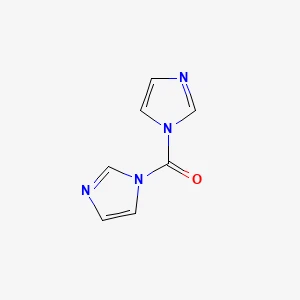
![1,1'-Carbonyldiimidazole丨CAS 530-62-1]() 1,1'-Carbonyldiimidazole丨CAS 530-62-1Catalog No.: SS080884read more
1,1'-Carbonyldiimidazole丨CAS 530-62-1Catalog No.: SS080884read more
CAS No.: 530-62-1
Assay(T): 98%min
Product Name:... -
![Palladium丨CAS 7440-05-3]() Palladium丨CAS 7440-05-3Catalog No.: SS067788read more
Palladium丨CAS 7440-05-3Catalog No.: SS067788read more
CAS No.: 7440-05-3
Assay(Pd): 10% Pd/C on dry basis.
Product Name:... -
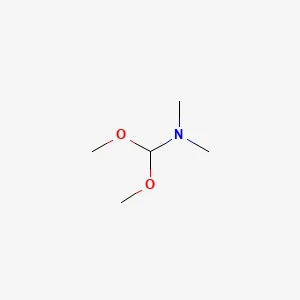
![N,N-Dimethylformamide Dimethyl Acetal丨CAS 4637-24-5]() N,N-Dimethylformamide Dimethyl Acetal丨CAS 4637-24-5Catalog No.: SS036295read more
N,N-Dimethylformamide Dimethyl Acetal丨CAS 4637-24-5Catalog No.: SS036295read more
CAS No.: 4637-24-5
Assay: 98%min
Product Name: N,N-Dimethylformamide... -
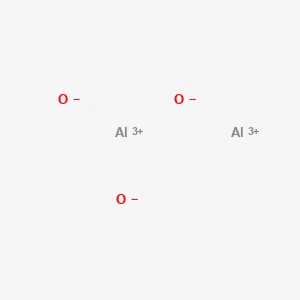
![Aluminum Oxide丨CAS 1344-28-1]() Aluminum Oxide丨CAS 1344-28-1Catalog No.: SS119815read more
Aluminum Oxide丨CAS 1344-28-1Catalog No.: SS119815read more
CAS No.: 1344-28-1
Purity: 99.99% min; Average particle size: 50nm...



Send Inquiry