


CAS No.: 534-17-8
Assay: 99.9%min
Product Name: Cesium carbonate
Molecular Formula: Cs2CO3
Molecular Weight: 325.82
Product Introduction
OLED (Organic Light Emitting Diode) materials are essential components used in modern display and lighting technologies. These materials consist of organic compounds that emit light when an electric current is applied, enabling the production of flexible, high-contrast, and energy-efficient displays. OLED technology is widely used in smartphones, televisions, wearable devices, and next-generation lighting solutions due to its superior image quality, wide viewing angles, and thin design.
-
![Cesium Carbonate丨CAS 534-17-8]()
-
![Methoxy Pyrene丨CAS 34246-96-3]() Methoxy Pyrene丨CAS 34246-96-3Catalog No.: SS141649read more
Methoxy Pyrene丨CAS 34246-96-3Catalog No.: SS141649read more
CAS No.: 34246-96-3
Purity (HPLC) 99.0% min
Product Name: Methoxy pyrene
Certificate: ISO9001
Molecular Formula: C17H12O
Molecular Weight: 232.28 -
![2-Amino-4-chlorobiphenyl Hydrochloride丨CAS 1204-44-0]() 2-Amino-4-chlorobiphenyl Hydrochloride丨CAS 1204-44-0Catalog No.: SS137109read more
2-Amino-4-chlorobiphenyl Hydrochloride丨CAS 1204-44-0Catalog No.: SS137109read more
CAS No.: 1204-44-0
Purity(by HPLC): 98% min
Product Name: 2-Amino-4-chlorobiphenyl hydrochloride
Molecular Formula: C12H11Cl2N
Molecular Weight: 240.13 -
![2-(4-bromophenyl)propan-2-ol丨CAS 2077-19-2]() 2-(4-bromophenyl)propan-2-ol丨CAS 2077-19-2Catalog No.: SS072169read more
2-(4-bromophenyl)propan-2-ol丨CAS 2077-19-2Catalog No.: SS072169read more
CAS No.: 2077-19-2
Purity(HPLC): 98% min
Product Name: 2-(4-bromophenyl)propan-2-ol
Molecular Formula: C9H11BrO
Molecular Weight: 215.09
Synonym(s): Mophenyl)-2-propanol -
![2-Fluorophenylboronic Acid丨CAS 1993-03-9]() 2-Fluorophenylboronic Acid丨CAS 1993-03-9Catalog No.: SS092863read more
2-Fluorophenylboronic Acid丨CAS 1993-03-9Catalog No.: SS092863read more
CAS No.: 1993-03-9
Assay(HPLC): 99.0%min
Product Name: 2-Fluorophenylboronic acid
Molecular Formula: C6H6BFO2
Molecular Weight: 139.92 -
![Diisopropyldichlorosilane丨CAS 7751-38-4]() Diisopropyldichlorosilane丨CAS 7751-38-4Catalog No.: SS136565read more
Diisopropyldichlorosilane丨CAS 7751-38-4Catalog No.: SS136565read more
CAS No.: 7751-38-4
Purity(GC): 98% min
Product Name: Diisopropyldichlorosilane
Molecular Formula: C6H14Cl2Si
Molecular Weight: 185.17 -
![9,10-Dihydroacridine丨CAS 92-81-9]() 9,10-Dihydroacridine丨CAS 92-81-9Catalog No.: SS082468read more
9,10-Dihydroacridine丨CAS 92-81-9Catalog No.: SS082468read more
CAS No.: 92-81-9
Purity: 98%min
Product Name: 9,10-Dihydroacridine
Molecular Formula: C13H11N
Molecular Weight: 181.23
Synonym(s): 9-Aza-9,10-dihydroanthracene; Acridane;... -
![Paliocolor LC 756丨CAS 223572-88-1]() Paliocolor LC 756丨CAS 223572-88-1Catalog No.: SS019189read more
Paliocolor LC 756丨CAS 223572-88-1Catalog No.: SS019189read more
CAS No.: 223572-88-1
Purity: 90%min
Product Name: Paliocolor LC 756
Molecular Formula: C50H46O20
Molecular Weight: 966.89 -
![4-bromo-9h-fluoren-9-one丨CAS 4269-17-4]() 4-bromo-9h-fluoren-9-one丨CAS 4269-17-4Catalog No.: SS012486read more
4-bromo-9h-fluoren-9-one丨CAS 4269-17-4Catalog No.: SS012486read more
CAS No.: 4269-17-4
Purity: 98%min
Product Name: 4-bromo-9h-fluoren-9-one
Molecular Formula: C13H7BrO
Molecular Weight: 259.1 -
![4-Chlorobiphenyl丨CAS 2051-62-9]() 4-Chlorobiphenyl丨CAS 2051-62-9Catalog No.: SS107304read more
4-Chlorobiphenyl丨CAS 2051-62-9Catalog No.: SS107304read more
CAS No.: 2051-62-9
Purity: 99%min
Product Name: 4-Chlorobiphenyl
Molecular Formula: C12H9Cl
Molecular Weight: 188.66
Synonym(s): 1-Chloro-4-phenylbenzene;... -
![N-(4-(naphthalen-1-yl)phenyl)naphthalen-1-amine丨CAS 936916-07-3]() N-(4-(naphthalen-1-yl)phenyl)naphthalen-1-amine丨CAS 93691...Catalog No.: SS107718read more
N-(4-(naphthalen-1-yl)phenyl)naphthalen-1-amine丨CAS 93691...Catalog No.: SS107718read more
CAS No.: 936916-07-3
Purity: 99%min
Product Name: N-(4-(naphthalen-1-yl)phenyl)naphthalen-1-amine
Molecular Formula: C26H19N
Molecular Weight: 345.44 -
![9-(2-Naphthyl)anthracene丨CAS 7424-72-8]() 9-(2-Naphthyl)anthracene丨CAS 7424-72-8Catalog No.: SS067569read more
9-(2-Naphthyl)anthracene丨CAS 7424-72-8Catalog No.: SS067569read more
CAS No.: 7424-72-8
Purity(HPLC): 99.5%min
Product Name: 9-(2-Naphthyl)anthracene
Molecular Formula: C24H16
Molecular Weight: 304.38


Product advantages and features
High Image Quality
OLED materials produce vibrant colors, deep blacks, and high contrast ratios, resulting in superior visual performance.
01
Flexibility and Thinness
OLEDs can be made on flexible substrates, allowing for ultra-thin displays and innovative designs, including foldable and curved screens.
02
Energy Efficiency
OLED materials are more energy-efficient compared to traditional display technologies, as they emit light only where needed, reducing power consumption.
03
Wide Viewing Angles
OLED displays maintain consistent brightness and color accuracy from nearly any viewing angle.
04
Fast Response Times
OLEDs offer faster refresh rates and response times, making them ideal for high-performance displays in gaming and video applications.
05
Product type
1. Small Molecule OLEDs (SM-OLEDs)
Commonly used in display panels due to their high brightness, efficiency, and long lifespan.
2. Polymer OLEDs (P-OLEDs)
Offer flexibility and are often used in large-area displays and lighting applications.
3. Phosphorescent OLEDs (PHOLEDs)
Highly efficient materials that convert almost all electrical energy into light, used in high-end displays.
4. Fluorescent OLEDs
Provide stable performance and are used in certain layers of OLED devices to enhance overall efficiency.
5. Transparent OLEDs (TOLEDs)
Used in applications requiring see-through displays, like heads-up displays in vehicles and smart windows.
Application of the product
Consumer Electronics: Used in smartphones, tablets, and wearable devices, OLEDs deliver high-resolution displays with vibrant colors and deep contrast.
Television and Monitors: OLED technology is widely adopted in premium TVs and computer monitors for its superior image quality and ultra-thin design.
Automotive Displays: OLEDs are used in car dashboards, control panels, and heads-up displays due to their flexibility and excellent visibility.
Lighting Solutions: OLED materials are increasingly being used in architectural and ambient lighting for their ability to create thin, flexible, and energy-efficient light sources.
Virtual and Augmented Reality (VR/AR): OLED displays provide high contrast, fast response times, and low latency, making them ideal for immersive VR/AR experiences.
Material of the product
1
Emissive Layer Compounds (Organic Molecules): Key materials responsible for light emission in OLED devices, tuned to emit specific colors like red, green, and blue.
2
Conductive Polymers: Used in polymer OLEDs (P-OLEDs) to transport charges and improve device efficiency.
3
Electron Transport Materials (ETM): Facilitate the movement of electrons to the emissive layer, ensuring efficient light generation.
4
Hole Transport Materials (HTM): Assist in the flow of holes (positive charges) toward the emissive layer, crucial for balanced charge injection.
5
Encapsulation Materials: Protect the OLED layers from moisture and oxygen, significantly extending the device's lifespan.
Production Process Or Procedure
The manufacturing of OLED materials involves synthesizing organic compounds that are then deposited onto substrates using methods such as vacuum thermal evaporation (VTE) for small-molecule OLEDs or inkjet printing for polymer OLEDs. These layers include the emissive, electron transport, and hole transport layers, each tailored for specific performance characteristics. The organic layers are typically sandwiched between electrodes and protected with encapsulation materials. Once fully assembled, OLED panels undergo rigorous testing to ensure consistent performance, color accuracy, and longevity before being integrated into consumer products.
Components of the product
Organic Emitters
The core materials in OLEDs that generate light in response to electrical current.
Substrates
Flexible or rigid substrates like glass or plastic serve as the base for OLED layers.
Electrodes (Anode/Cathode)
Transparent and conductive materials like indium tin oxide (ITO) facilitate charge injection into the organic layers.
Encapsulation Layers
Protective coatings that shield the organic materials from environmental damage, extending the lifespan of the OLED device.
Charge Transport Layers
Layers that control the flow of electrons and holes, ensuring efficient and stable light emission.
Product maintenance and precautions
Storage Tips
Store OLED materials in dry, temperature-controlled environments to prevent degradation caused by moisture or heat.
Handling Precautions
Use protective gear such as gloves and masks when handling organic compounds, as some materials can be sensitive to air and light.
Encapsulation Integrity
Regularly inspect OLED devices for signs of encapsulation failure, which can lead to moisture ingress and performance degradation.
Temperature Management
Avoid exposing OLED displays to extreme temperatures, as high heat can accelerate material degradation.
Proper Disposal
Follow environmental regulations when disposing of OLED materials, as some compounds may be hazardous or require specialized recycling.
Company advantages
Our Focus on Quality & Customer Experience
We dedicate to delivering high-quality products and exceptional customer service beyond your expectation.
Comprehensive Product Range
Extensive catalog of over 27,000 chemicals for diverse industries, offering both standard compounds and specialized solutions.
Strong Industry Expertise
Our experienced diverse team provides expert guidance, staying current with industry trends to deliver optimal chemical solutions tailored to your needs.
Competitive Pricing & Reliability
Competitive pricing and reliable deliveries ensure cost-effective, efficient supply chains without compromising quality.
How to collaborate with us
Partnering with LEAPChem gives you access to the expertise of a leading company with 18 years of experience in the chemical industry. We offer over 27,000 chemical substances tailored to meet diverse needs. All our products adhere to industry standards and are accompanied by the necessary certifications.
We collaborate with a wide range of partners, including:
• Research Laboratories
• Pharmaceutical Companies
• Cosmetics Manufacturers
• Electronics Manufacturers
• Chemical Manufacturers
• Universities and Colleges Worldwide
• And more.
We specialize in helping our clients find the right chemical solutions tailored to their specific requirements. Additionally, we provide custom synthesis services to meet the unique needs of our partners. Whether you need bulk quantities for industrial processes or small batches for specialized applications, we’ve got you covered.
If you are looking for a reliable chemical supplier, we would be delighted to hear from you. Please send your inquiry or project details to sales@leapchem.com. Our professional team is eager to collaborate with you and help achieve your goals.
FAQ
Q: What are OLED materials?
A: OLED materials are organic compounds used to create displays and lighting solutions, offering superior image quality and energy efficiency.
Q: What are the types of OLED materials?
A: Common types include small molecule OLEDs, polymer OLEDs, phosphorescent OLEDs, fluorescent OLEDs, and transparent OLEDs.
Q: What are the applications of OLED materials?
A: OLED materials are used in consumer electronics, automotive displays, architectural lighting, and VR/AR devices.
Q: Why are OLED displays better than traditional LCDs?
A: OLED displays offer better contrast, faster response times, wider viewing angles, and thinner designs compared to LCDs.
Q: How long do OLED materials last?
A: With proper encapsulation, OLED materials can last for many years, although lifespan varies depending on usage and environmental factors.
Q: Are OLED materials environmentally friendly?
A: OLEDs consume less power and use fewer hazardous materials than traditional displays, making them a more sustainable option.
Q: What is the difference between PHOLEDs and fluorescent OLEDs?
A: PHOLEDs are more efficient as they convert nearly all electrical energy into light, while fluorescent OLEDs are less efficient but more stable.
Q: What industries use OLED materials?
A: OLEDs are widely used in consumer electronics, automotive, lighting, and virtual reality industries.
Q: Can OLED materials be recycled?
A: While recycling of OLED materials is challenging due to the complex organic structures, research is ongoing to develop sustainable recycling methods.
Q: What is the role of encapsulation in OLEDs?
A: Encapsulation protects OLED layers from moisture and oxygen, which can degrade the performance and lifespan of the device.
Q: Why are OLED displays used in smartphones?
A: OLEDs offer vibrant colors, thin profiles, and high energy efficiency, making them ideal for mobile devices.
Q: What makes OLEDs suitable for automotive displays?
A: OLEDs provide sharp visuals, flexibility for curved designs, and excellent visibility, even in bright conditions.
Q: How are OLED materials manufactured?
A: OLED materials are synthesized and then deposited onto substrates using methods like thermal evaporation or inkjet printing.
Q: What are transparent OLEDs?
A: Transparent OLEDs are displays that allow light to pass through when turned off, useful for heads-up displays and smart windows.
Hangzhou Leap Chem Co., Ltd. is well-known as one of the leading oled materials manufacturers and suppliers in China, also supports custom service. We warmly welcome you to wholesale bulk high quality oled materials from our factory.
98327-87-8, 2 2 Bis diphenylphosphino 1 1 binaphthyl, 26608-06-0Popular Products
-
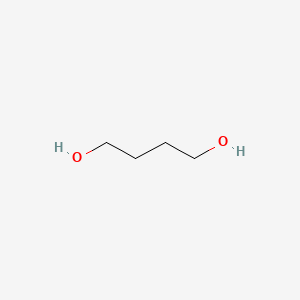
![1,4-Butanediol丨CAS 110-63-4]() 1,4-Butanediol丨CAS 110-63-4CAS No.: 110-63-4read more
1,4-Butanediol丨CAS 110-63-4CAS No.: 110-63-4read more
Product Name: 1,4-Butanediol
Molecular Formula: C4H10O2
Molecular Weight:... -
![FDCA丨CAS 3238-40-2]() FDCA丨CAS 3238-40-2Catalog No.: SS098300read more
FDCA丨CAS 3238-40-2Catalog No.: SS098300read more
CAS No.: 3238-40-2
Purity(HPLC): 99.9%min.
Product Name:... -
![Sodium Dodecyl Sulfate丨CAS 151-21-3]() Sodium Dodecyl Sulfate丨CAS 151-21-3CAS No.: 151-21-3read more
Sodium Dodecyl Sulfate丨CAS 151-21-3CAS No.: 151-21-3read more
Assay/Grade: EP11/99%min/95%min/CP2020
Product Name: Sodium dodecyl... -
![Glycerol丨CAS 56-81-5]() Glycerol丨CAS 56-81-5CAS No.: 56-81-5read more
Glycerol丨CAS 56-81-5CAS No.: 56-81-5read more
Grade: API/Injection/Pharmaceutical/Food/Industrial
Product Name:... -
![Cesium Carbonate丨CAS 534-17-8]() Cesium Carbonate丨CAS 534-17-8CAS No.: 534-17-8read more
Cesium Carbonate丨CAS 534-17-8CAS No.: 534-17-8read more
Assay: 99.9%min
Product Name: Cesium carbonate
Molecular Formula: Cs2CO3... -
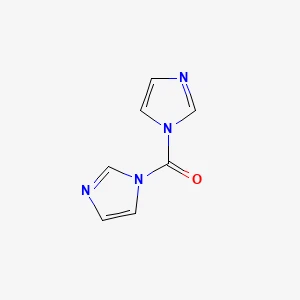
![1,1'-Carbonyldiimidazole丨CAS 530-62-1]() 1,1'-Carbonyldiimidazole丨CAS 530-62-1Catalog No.: SS080884read more
1,1'-Carbonyldiimidazole丨CAS 530-62-1Catalog No.: SS080884read more
CAS No.: 530-62-1
Assay(T): 98%min
Product Name:... -
![Palladium丨CAS 7440-05-3]() Palladium丨CAS 7440-05-3Catalog No.: SS067788read more
Palladium丨CAS 7440-05-3Catalog No.: SS067788read more
CAS No.: 7440-05-3
Assay(Pd): 10% Pd/C on dry basis.
Product Name:... -
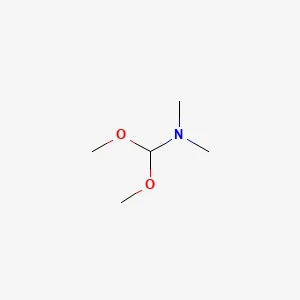
![N,N-Dimethylformamide Dimethyl Acetal丨CAS 4637-24-5]() N,N-Dimethylformamide Dimethyl Acetal丨CAS 4637-24-5Catalog No.: SS036295read more
N,N-Dimethylformamide Dimethyl Acetal丨CAS 4637-24-5Catalog No.: SS036295read more
CAS No.: 4637-24-5
Assay: 98%min
Product Name: N,N-Dimethylformamide...


Send Inquiry