


Catalog No.: SS145222
CAS No.: 63517-33-9
Purity: 95% min by HNMR
Product Name: XtalFluor-M
Molecular Formula: C4H8BF6NOS
Molecular Weight: 242.98
Synonym(s): Difluoro(morpholino)sulfonium...
Product Introduction
Fluorine (F) is the most reactive and electronegative of all the elements, belonging to the halogen group in the periodic table. It exists as a pale yellow gas at room temperature and is primarily known for forming strong bonds with other elements, especially in the form of fluorides. Fluorine is a critical component in many industrial applications due to its unique chemical properties, such as its ability to enhance the durability, resistance, and functionality of various products. From electronics and pharmaceuticals to chemical manufacturing and refrigeration, fluorine plays a key role in improving the performance and longevity of numerous materials and systems.
-
![XtalFluor-M丨CAS 63517-33-9]()
-
![2-Bromo-5-fluoronitrobenzene丨CAS 446-09-3]() 2-Bromo-5-fluoronitrobenzene丨CAS 446-09-3Catalog No.: SS133359read more
2-Bromo-5-fluoronitrobenzene丨CAS 446-09-3Catalog No.: SS133359read more
CAS No.: 446-09-3
Purity: 98% min
Product Name: 2-Bromo-5-fluoronitrobenzene
Molecular Formula: C6H3BrFNO2
Molecular Weight: 220.00
Synonym(s):... -
![Decafluorobiphenyl丨CAS 434-90-2]() Decafluorobiphenyl丨CAS 434-90-2Catalog No.: SS137239read more
Decafluorobiphenyl丨CAS 434-90-2Catalog No.: SS137239read more
CAS No.: 434-90-2
Purity: 98% min
Product Name: Decafluorobiphenyl
Molecular Formula: C12F10
Molecular Weight: 334.11
Synonym(s): Perfluorobiphenyl -
![1H,1H,7H-Dodecafluoroheptanol丨CAS 335-99-9]() 1H,1H,7H-Dodecafluoroheptanol丨CAS 335-99-9Catalog No.: SS136227read more
1H,1H,7H-Dodecafluoroheptanol丨CAS 335-99-9Catalog No.: SS136227read more
CAS No.: 335-99-9
Purity: 97% min
Product Name: 1H,1H,7H-Dodecafluoroheptanol
Molecular Formula: C7H4F12O
Molecular Weight: 332.09
Synonym(s):... -
![1,4-Diiodooctafluorobutane丨CAS 375-50-8]() 1,4-Diiodooctafluorobutane丨CAS 375-50-8Catalog No.: SS132002read more
1,4-Diiodooctafluorobutane丨CAS 375-50-8Catalog No.: SS132002read more
CAS No.: 375-50-8
Purity: 98%Min
Product Name: 1,4-Diiodooctafluorobutane
Molecular Formula: C4F8I2
Molecular Weight: 453.84
Synonym(s): Octafluoro-1,4-diiodobutane -
![4-(Trifluoromethyl)phenylacetylene丨CAS 705-31-7]() 4-(Trifluoromethyl)phenylacetylene丨CAS 705-31-7Catalog No.: SS061070read more
4-(Trifluoromethyl)phenylacetylene丨CAS 705-31-7Catalog No.: SS061070read more
CAS No.: 705-31-7
Purity: 98%min
Product Name: 4-(Trifluoromethyl)phenylacetylene
Molecular Formula: C9H5F3
Molecular Weight: 170.13
Synonym(s): 4-Ethynyltrifluoroluene;... -
![3,3,3-Trifluoropropylene Carbonate丨CAS 167951-80-6]() 3,3,3-Trifluoropropylene Carbonate丨CAS 167951-80-6Catalog No.: SS132697read more
3,3,3-Trifluoropropylene Carbonate丨CAS 167951-80-6Catalog No.: SS132697read more
CAS No.: 167951-80-6
Purity(GC-MS): 98.0% min.
Product Name: 3,3,3-Trifluoropropylene carbonate
Molecular Formula: C4H3F3O3
Molecular Weight: 156.06
Synonym(s):... -
![2,2,3,3,4,4,4-Heptafluorobutyl Methacrylate丨CAS 13695-31-3]() 2,2,3,3,4,4,4-Heptafluorobutyl Methacrylate丨CAS 13695-31-3Catalog No.: SS132695read more
2,2,3,3,4,4,4-Heptafluorobutyl Methacrylate丨CAS 13695-31-3Catalog No.: SS132695read more
CAS No.: 13695-31-3
Purity: 98% min.
Product Name: 2,2,3,3,4,4,4-Heptafluorobutyl methacrylate
Molecular Formula: C8H7F7O2
Molecular Weight: 268.13
Synonym(s): 2-Propenoic... -
![Perfluorooctane丨CAS 307-34-6]() Perfluorooctane丨CAS 307-34-6Catalog No.: SS132856read more
Perfluorooctane丨CAS 307-34-6Catalog No.: SS132856read more
CAS No.: 307-34-6
Purity(GC): 99%min
Product Name: Perfluorooctane
Molecular Formula: C8F18
Molecular Weight: 438.06
Synonym(s): Octadecafluorooctane -
![4-Bromo-2-fluorobenzaldehyde丨CAS 57848-46-1]() 4-Bromo-2-fluorobenzaldehyde丨CAS 57848-46-1Catalog No.: SS131271read more
4-Bromo-2-fluorobenzaldehyde丨CAS 57848-46-1Catalog No.: SS131271read more
CAS No.: 57848-46-1
Purity(GC): 98%min
Product Name: 4-Bromo-2-fluorobenzaldehyde
Molecular Formula: C7H4BrFO
Molecular Weight: 203.01
Synonym(s):... -
![Sodium Trifluoromethanesulfinate丨CAS 2926-29-6]() Sodium Trifluoromethanesulfinate丨CAS 2926-29-6Catalog No.: SS131251read more
Sodium Trifluoromethanesulfinate丨CAS 2926-29-6Catalog No.: SS131251read more
CAS No.: 2926-29-6
Purity: 95%min
Product Name: Sodium trifluoromethanesulfinate
Molecular Formula: CF3NaO2S
Molecular Weight: 156.06 -
![2-Difluoromethanesulfonylpyridine丨CAS 1219454-89-3]() 2-Difluoromethanesulfonylpyridine丨CAS 1219454-89-3Catalog No.: SS131475read more
2-Difluoromethanesulfonylpyridine丨CAS 1219454-89-3Catalog No.: SS131475read more
CAS No.: 1219454-89-3
Purity: 98% min.
Product Name: 2-Difluoromethanesulfonylpyridine
Molecular Formula: C6H5F2NO2S
Molecular Weight: 193.17
Synonym(s):...


Product Advantages And Features
Extreme Reactivity
Fluorine's high reactivity allows it to form strong, stable bonds with many elements, making it indispensable in creating robust materials like Teflon (polytetrafluoroethylene) used in non-stick cookware and industrial coatings.
Corrosion Resistance
Fluorine-based compounds, such as fluoropolymers, are highly resistant to corrosion, making them ideal for use in harsh chemical environments, including pipelines, valves, and seals.
Thermal Stability
Fluorine-containing materials exhibit excellent thermal stability, maintaining their properties at high temperatures, which makes them valuable in aerospace, automotive, and electronics industries.
Enhanced Electrical Insulation
Fluorine compounds provide superior insulation in electrical applications, preventing breakdowns and ensuring safety in high-performance devices and circuits.
Applications in Pharmaceuticals
Fluorine is commonly used in the pharmaceutical industry to enhance the bioavailability and stability of drugs, making medications more effective and longer-lasting.
Water and Stain Repellency
Fluorinated chemicals are used in coatings that provide water, oil, and stain resistance in fabrics, textiles, and other surfaces, improving product longevity and cleanliness.
Product Type
01/
Hydrofluoric Acid (HF): A highly corrosive liquid used in glass etching, metal processing, and the production of fluorocarbons. Hydrofluoric acid is also essential in refining petroleum and manufacturing various chemicals.
02/
Fluoropolymers: These are high-performance plastics, such as polytetrafluoroethylene (PTFE), known for their resistance to heat, chemicals, and electrical insulation. Fluoropolymers are used in coatings, gaskets, and non-stick surfaces.
03/
Fluorocarbons: Fluorocarbons are compounds consisting of carbon and fluorine, used in refrigerants, aerosols, and lubricants. Chlorofluorocarbons (CFCs) and hydrofluorocarbons (HFCs) are common types with environmental significance.
04/
Fluoroelastomers: A class of synthetic rubber that exhibits exceptional resistance to extreme temperatures, chemicals, and oils. Fluoroelastomers are widely used in the automotive and aerospace industries for gaskets, seals, and hoses.
05/
Inorganic Fluorides: These include compounds like calcium fluoride (CaF2), used in optics and metallurgy, and sodium fluoride (NaF), which is commonly used in dental products for preventing tooth decay.
06/
Organofluorine Compounds: These are organic compounds that contain fluorine atoms, frequently used in pharmaceuticals, agrochemicals, and fluorosurfactants for their ability to enhance chemical stability and activity.
Application Of The Product
1
Pharmaceuticals: Fluorine atoms are incorporated into drug molecules to increase their potency, bioavailability, and metabolic stability, making fluorinated drugs more effective in treating diseases.
2
Chemical Manufacturing:Fluorine is used in the production of a wide range of chemicals, including refrigerants, solvents, and polymers. Its reactivity allows it to form essential building blocks for many chemical processes.
3
Aerospace and Automotive Industries: Fluorine-based materials, such as fluoroelastomers and fluoropolymers, are used in seals, gaskets, and coatings that must withstand extreme temperatures, pressures, and chemical exposures in demanding environments.
4
Electrical and Electronics: Fluorine-containing compounds are widely used in the insulation of electrical cables, circuits, and components, offering high thermal resistance and durability in electronic devices.
5
Refrigeration and Air Conditioning: Fluorocarbons, such as hydrofluorocarbons (HFCs), are used as refrigerants in cooling systems, ensuring efficient and environmentally friendly temperature control.
6
Textile and Surface Protection: Fluorine-based coatings provide fabrics, carpets, and other surfaces with water, oil, and stain resistance, extending their usability and making them easier to maintain.
7
Metal Processing: Hydrofluoric acid is used in the pickling and cleaning of metals, as well as in the etching of glass and semiconductor materials, providing high-precision finishing.
Material Of The Product
Fluorspar (Calcium Fluoride)
Fluorspar is the primary raw material used in the production of fluorine and its compounds, such as hydrofluoric acid, which is a precursor for many fluorinated chemicals.
Ethylene and Tetrafluoroethylene (TFE)
These are key monomers used in the production of fluoropolymers, such as PTFE, which are crucial for applications requiring chemical resistance and low friction.
Chlorofluorocarbons (CFCs)
These are fluorine-based compounds used historically in refrigerants and propellants, although their use has been phased out due to environmental concerns regarding ozone depletion.
Lithium Hexafluorophosphate (LiPF6)
This fluorinated compound is used as an electrolyte in lithium-ion batteries, enabling efficient ion transport and long battery life.
Fluorine Gas (F2)
Used as a highly reactive oxidizing agent in chemical synthesis, fluorine gas is essential in the production of many advanced materials, including uranium hexafluoride for nuclear fuel processing.
Production Process Or Procedure
The production of fluorine and its compounds involves precise and controlled processes due to the element’s highly reactive nature. Industrial production begins with the extraction of fluorspar, which is converted into hydrofluoric acid through chemical reactions. This acid then serves as a building block for various fluorinated products, from polymers to refrigerants. Advanced manufacturing techniques ensure the purity and stability of fluorine compounds, with stringent safety measures to handle the hazardous nature of fluorine, particularly in gaseous form.
Components Of The Product
Active Fluorine Atoms
Fluorine atoms are responsible for the reactivity and strength of the chemical bonds in fluorine-containing compounds, providing high durability and resistance in the materials they form.
Catalysts
Catalysts are often used in the production of fluorine compounds to control the reactivity and optimize the efficiency of chemical reactions, particularly in polymerization processes.
Stabilizers
Stabilizers are added to fluorinated products, such as refrigerants and fluoropolymers, to prevent degradation and ensure long-term performance under harsh conditions.
Solvents
Organic and inorganic solvents are frequently used in the production and application of fluorine compounds, helping to dissolve reactants and control reaction environments.
Product Maintenance And Precautions
Proper Storage
Fluorine compounds, particularly fluorine gas and hydrofluoric acid, should be stored in corrosion-resistant containers under carefully controlled conditions to prevent leaks and reactions with the environment.
Handling Precautions
Due to fluorine's high reactivity and toxicity, strict safety protocols must be followed during handling, including the use of protective clothing, gloves, and goggles.
Regular Inspections
Equipment used in the production and application of fluorine-based products should be inspected regularly for signs of corrosion, leaks, or other damage to ensure safe and efficient operation.
Waste Management
Waste products containing fluorine compounds should be disposed of according to environmental regulations, particularly because some fluorinated chemicals can have a significant environmental impact.
Company Advantages
Our Focus on Quality & Customer Experience
We dedicate to delivering high-quality products and exceptional customer service beyond your expectation.
Comprehensive Product Range
Extensive catalog of over 27,000 chemicals for diverse industries, offering both standard compounds and specialized solutions.
Strong Industry Expertise
Our experienced diverse team provides expert guidance, staying current with industry trends to deliver optimal chemical solutions tailored to your needs.
Competitive Pricing & Reliability
Competitive pricing and reliable deliveries ensure cost-effective, efficient supply chains without compromising quality.
How To Collaborate With Us
Partnering with LEAPChem gives you access to the expertise of a leading company with 18 years of experience in the chemical industry. We offer over 27,000 chemical substances tailored to meet diverse needs. All our products adhere to industry standards and are accompanied by the necessary certifications.
We collaborate with a wide range of partners, including:
• Research Laboratories
• Pharmaceutical Companies
• Cosmetics Manufacturers
• Electronics Manufacturers
• Chemical Manufacturers
• Universities and Colleges Worldwide
• And more.
We specialize in helping our clients find the right chemical solutions tailored to their specific requirements. Additionally, we provide custom synthesis services to meet the unique needs of our partners. Whether you need bulk quantities for industrial processes or small batches for specialized applications, we've got you covered.
If you are looking for a reliable chemical supplier, we would be delighted to hear from you. Please send your inquiry or project details to sales@leapchem.com. Our professional team is eager to collaborate with you and help achieve your goals.
FAQ
Q: What is fluorine?
A: Fluorine is a highly reactive, pale yellow gas that belongs to the halogen group of elements, known for forming strong bonds with other elements, especially in the form of fluorides.
Q: What are fluorine's main applications?
A: Fluorine is used in pharmaceuticals, chemical manufacturing, aerospace, electronics, refrigeration, and surface protection, among many other industrial applications.
What is a fluoropolymer?
Fluoropolymers are high-performance plastics that contain fluorine, providing chemical resistance, thermal stability, and low friction, making them useful in coatings, gaskets, and electrical insulation.
Q: Why is fluorine important in pharmaceuticals?
A: Fluorine improves the bioavailability and stability of drugs, making medications more effective and longer-lasting in the human body.
Q: What are fluorocarbons used for?
A: Fluorocarbons are used as refrigerants, solvents, and lubricants, with hydrofluorocarbons (HFCs) being common in air conditioning and refrigeration systems.
Q: Is fluorine dangerous?
A: Fluorine is highly reactive and toxic, requiring strict safety measures for handling and storage, particularly in gaseous or liquid forms.
Q: What is hydrofluoric acid used for?
A: Hydrofluoric acid is used in glass etching, metal processing, and the production of fluorocarbons. It is also involved in the refining of petroleum.
Q: How do fluorine compounds enhance insulation?
A: Fluorine compounds, particularly in fluoropolymers, provide superior electrical insulation and thermal stability, making them ideal for use in high-performance electronics.
Q: What are fluoroelastomers?
A: Fluoroelastomers are synthetic rubbers that resist extreme temperatures, chemicals, and oils, often used in automotive and aerospace seals and gaskets.
Q: Why are fluorine-based materials corrosion-resistant?
A: Fluorine forms strong bonds that resist chemical degradation, making fluorine-based materials highly resistant to corrosion in harsh environments.
Q: How does fluorine affect the environment?
A: Some fluorine compounds, like CFCs, have been found to contribute to ozone depletion. However, newer alternatives like HFCs are being developed to minimize environmental impact.
Q: Can fluorine be found naturally?
A: Fluorine is not found in its elemental form in nature due to its reactivity, but it is commonly found in minerals such as fluorspar (CaF2).
Q: What are fluorinated coatings used for?
A: Fluorinated coatings are applied to textiles, carpets, and other surfaces to provide water, oil, and stain resistance, making them more durable and easier to clean.
Q: How is fluorine gas produced?
A: Fluorine gas is produced through the electrolysis of hydrogen fluoride in a process known as the fluorine electrolysis method.
Q: What safety precautions are required when handling fluorine?
A: When handling fluorine, it's essential to use protective equipment, work in well-ventilated areas, and follow proper storage protocols to avoid exposure to toxic fumes or burns.
Hangzhou Leap Chem Co., Ltd. is well-known as one of the leading fluorine manufacturers and suppliers in China, also supports custom service. We warmly welcome you to wholesale bulk high quality fluorine from our factory.
fluorine, chemical synthesisPopular Products
-
![FDCA丨CAS 3238-40-2]() FDCA丨CAS 3238-40-2Catalog No.: SS098300read more
FDCA丨CAS 3238-40-2Catalog No.: SS098300read more
CAS No.: 3238-40-2
Purity(HPLC): 99.9%min.
Product Name:... -
![Sodium Dodecyl Sulfate丨CAS 151-21-3]() Sodium Dodecyl Sulfate丨CAS 151-21-3CAS No.: 151-21-3read more
Sodium Dodecyl Sulfate丨CAS 151-21-3CAS No.: 151-21-3read more
Assay/Grade: EP11/99%min/95%min/CP2020
Product Name: Sodium dodecyl... -
![Glycerol丨CAS 56-81-5]() Glycerol丨CAS 56-81-5CAS No.: 56-81-5read more
Glycerol丨CAS 56-81-5CAS No.: 56-81-5read more
Grade: API/Injection/Pharmaceutical/Food/Industrial
Product Name:... -
![Cesium Carbonate丨CAS 534-17-8]() Cesium Carbonate丨CAS 534-17-8CAS No.: 534-17-8read more
Cesium Carbonate丨CAS 534-17-8CAS No.: 534-17-8read more
Assay: 99.9%min
Product Name: Cesium carbonate
Molecular Formula: Cs2CO3... -
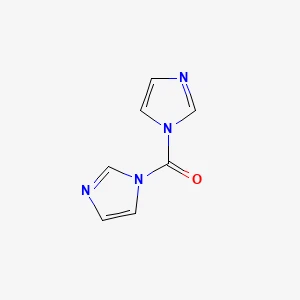
![1,1'-Carbonyldiimidazole丨CAS 530-62-1]() 1,1'-Carbonyldiimidazole丨CAS 530-62-1Catalog No.: SS080884read more
1,1'-Carbonyldiimidazole丨CAS 530-62-1Catalog No.: SS080884read more
CAS No.: 530-62-1
Assay(T): 98%min
Product Name:... -
![Palladium丨CAS 7440-05-3]() Palladium丨CAS 7440-05-3Catalog No.: SS067788read more
Palladium丨CAS 7440-05-3Catalog No.: SS067788read more
CAS No.: 7440-05-3
Assay(Pd): 10% Pd/C on dry basis.
Product Name:... -
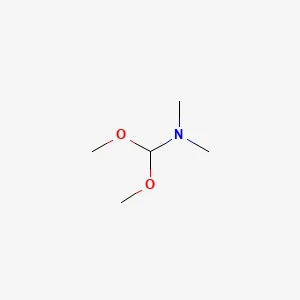
![N,N-Dimethylformamide Dimethyl Acetal丨CAS 4637-24-5]() N,N-Dimethylformamide Dimethyl Acetal丨CAS 4637-24-5Catalog No.: SS036295read more
N,N-Dimethylformamide Dimethyl Acetal丨CAS 4637-24-5Catalog No.: SS036295read more
CAS No.: 4637-24-5
Assay: 98%min
Product Name: N,N-Dimethylformamide... -
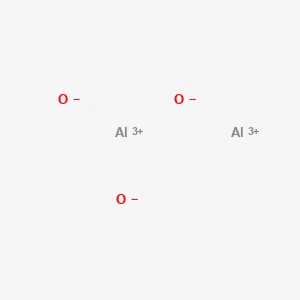
![Aluminum Oxide丨CAS 1344-28-1]() Aluminum Oxide丨CAS 1344-28-1Catalog No.: SS119815read more
Aluminum Oxide丨CAS 1344-28-1Catalog No.: SS119815read more
CAS No.: 1344-28-1
Purity: 99.99% min; Average particle size: 50nm...


Send Inquiry