


Catalog No.: SS047644
CAS No.: 119-24-4
Purity(NMR): 95% min.
Product Name: Pteroic Acid
Molecular Formula: C14H12N6O3
Molecular Weight: 312.28
Product Introduction
An Active Pharmaceutical Ingredient (API) is the primary component in a drug that produces the intended therapeutic effect. In any pharmaceutical formulation, the API is the biologically active substance responsible for treating, diagnosing, or preventing disease. APIs are manufactured through various processes, including chemical synthesis, fermentation, and biotechnological methods. High-purity APIs are essential in ensuring the safety, efficacy, and quality of medications.
-
![Pteroic Acid丨CAS 119-24-4]()
-
![Framycetin Sulphate丨CAS 4146-30-9]() Framycetin Sulphate丨CAS 4146-30-9Catalog No.: SS145838read more
Framycetin Sulphate丨CAS 4146-30-9Catalog No.: SS145838read more
CAS No.: 4146-30-9
Assay (Dried basis): 630 IU/mg min
Product Name: Framycetin sulphate
Molecular Formula: C23H46N6O13.H2SO4
Molecular Weight: 712.72
Synonym(s): Neomycin... -
![Ondansetron Hydrochloride丨CAS 103639-04-9]() Ondansetron Hydrochloride丨CAS 103639-04-9Catalog No.: SS115506read more
Ondansetron Hydrochloride丨CAS 103639-04-9Catalog No.: SS115506read more
CAS No.: 103639-04-9
Grade: USP42
Product Name: Ondansetron hydrochloride
Molecular Formula: C18H19N3O.HCl
Molecular Weight: 329.82
Synonym(s):... -
![(S)-Flurbiprofen丨CAS 51543-39-6]() (S)-Flurbiprofen丨CAS 51543-39-6Catalog No.: SS145342read more
(S)-Flurbiprofen丨CAS 51543-39-6Catalog No.: SS145342read more
CAS No.: 51543-39-6
Assay (Calculated by dry product): 98.0% to 102.0%
Product Name: (S)-Flurbiprofen
Molecular Formula: C15H13FO2
Molecular Weight: 244.26
Synonym(s):... -
![Veliparib丨CAS 912444-00-9]() Veliparib丨CAS 912444-00-9Catalog No.: SS016931read more
Veliparib丨CAS 912444-00-9Catalog No.: SS016931read more
CAS No.: 912444-00-9
Assay: 98.0% - 102.0%
Product Name: Veliparib
Molecular Formula: C13H16N4O
Molecular Weight: 244.29
Synonym(s):... -
![Calcium Dobesilate丨CAS 20123-80-2]() Calcium Dobesilate丨CAS 20123-80-2Catalog No.: SS144465read more
Calcium Dobesilate丨CAS 20123-80-2Catalog No.: SS144465read more
CAS No.: 20123-80-2
Grade: EP11.0
Product Name: Calcium dobesilate
Molecular Formula: (C6H5O5S)2.Ca; C12H10Ca2O10S2
Molecular Weight: 418.41 -
![Lisinopril丨CAS 83915-83-7]() Lisinopril丨CAS 83915-83-7Catalog No.: SS143223read more
Lisinopril丨CAS 83915-83-7Catalog No.: SS143223read more
CAS No.: 83915-83-7
Grade: EP10.0
Product Name: Lisinopril
Molecular Formula: C21H31O5N3.2(H2O)
Molecular Weight: 441.52
Synonym(s):... -
![Baricitinib丨CAS 1187594-09-7]() Baricitinib丨CAS 1187594-09-7Catalog No.: SS093544read more
Baricitinib丨CAS 1187594-09-7Catalog No.: SS093544read more
CAS No.: 1187594-09-7
Assay: 98%-102%
Product Name: Baricitinib
Molecular Formula: C16H17N7O2S
Molecular Weight: 371.4 -
![Cefadroxil Monohydrate丨CAS 66592-87-8]() Cefadroxil Monohydrate丨CAS 66592-87-8Catalog No.: SS142292read more
Cefadroxil Monohydrate丨CAS 66592-87-8Catalog No.: SS142292read more
CAS No.: 66592-87-8
Grade: BP2025
Product Name: Cefadroxil Monohydrate
Molecular Formula: C16H17N3O5S.H2O
Molecular Weight: 381.41 -
![Minocycline Hydrochloride丨CAS 13614-98-7]() Minocycline Hydrochloride丨CAS 13614-98-7Catalog No.: SS142211read more
Minocycline Hydrochloride丨CAS 13614-98-7Catalog No.: SS142211read more
CAS No.: 13614-98-7
Grade: EP grade
Product Name: Minocycline hydrochloride
Molecular Formula: C23H27N3O7.HCl
Molecular Weight: 493.94 -
![Carbidopa Monohydrate丨CAS 38821-49-7]() Carbidopa Monohydrate丨CAS 38821-49-7Catalog No.: SS085937read more
Carbidopa Monohydrate丨CAS 38821-49-7Catalog No.: SS085937read more
CAS No.: 38821-49-7
Grade: USP43
Product Name: Carbidopa Monohydrate
Molecular Formula: C10H16N2O5
Molecular Weight: 244.25
Synonym(s):... -
![Heparin Sodium丨CAS 9041-08-1]() Heparin Sodium丨CAS 9041-08-1Catalog No.: SS111990read more
Heparin Sodium丨CAS 9041-08-1Catalog No.: SS111990read more
CAS No.: 9041-08-1
Grade: EP 11.0
Product Name: Heparin sodium
Certificate: ISO9001


Product advantages and features
Therapeutic Efficacy
APIs are the core components that provide the drug’s intended medicinal effects.
01
Precision and Consistency
Produced under strict regulatory standards, ensuring consistent potency and purity across batches.
02
Wide Application in Drug Formulation
APIs are used in various dosage forms like tablets, capsules, injectables, and topical formulations.
03
Customization
APIs can be modified and optimized for different routes of administration, enhancing drug performance.
04
Global Compliance
APIs are manufactured according to GMP, FDA, and other international standards, ensuring they meet stringent quality and safety requirements.
05
Product type
1. Synthetic APIs
Manufactured through chemical synthesis, commonly used in most conventional drugs.
2. Biological APIs
Produced from living organisms using biotechnological processes; commonly used in vaccines, monoclonal antibodies, and other biologics.
3. Natural APIs
Derived from natural sources like plants, minerals, or marine organisms, these are used in herbal or traditional medicines.
4. High-Potency APIs (HPAPIs)
Used in specialized treatments like oncology, where very small doses provide significant therapeutic effects.
5. Generic APIs
Chemically identical to branded APIs but produced for off-patent drugs, making them cost-effective alternatives.
Application of the product
Pharmaceutical Manufacturing: APIs are the central ingredients in creating various medications used for treating numerous health conditions.
Research and Development: APIs are critical in drug discovery, testing, and clinical trials for developing new therapeutics.
Personalized Medicine: Tailored APIs are used in customized treatments that cater to individual patient needs.
Generic Drug Production: Widely used in the production of generic medications after patents expire, making treatments more accessible.
Biopharmaceuticals: APIs are essential in advanced biologics, including gene therapy and advanced cancer treatments.
Material of the product
1
Organic Compounds: Most APIs are based on organic molecules, synthesized to achieve specific medicinal properties.
2
Biological Materials: APIs in biopharmaceuticals are derived from proteins, enzymes, or other biomolecules produced via recombinant DNA technology.
3
Mineral Sources: Some APIs, like those used in supplements, are derived from minerals and are purified for medical use.
4
Plant Extracts: Natural APIs derived from plants are often used in traditional and alternative medicine.
5
EPeptides and Oligonucleotides: Specialized materials used in targeted therapies and advanced drug formulations.
Production Process Or Procedure
API manufacturing begins with the sourcing of raw materials, which are then subjected to chemical synthesis or biotechnological processes. The synthesis involves complex reactions, purification steps, and refining to achieve the desired purity and potency. After production, APIs undergo rigorous quality control, including tests for impurities, stability, and potency. The final product is then packaged, labeled, and prepared for distribution to pharmaceutical companies for formulation.
Components of the product
Active Substance
The main therapeutic component that delivers the medicinal effect.
Impurities and By-products
Controlled and minimized during the production process to meet safety standards.
Stabilizers
Added to ensure the API remains stable during manufacturing and storage.
Solvents
Used during synthesis, carefully removed during purification.
Isomeric Forms
In some cases, APIs may consist of specific isomers or enantiomers that exhibit the desired biological activity.
Product maintenance and precautions
Storage Conditions
Store APIs in controlled environments with specific temperature and humidity levels to prevent degradation.
Proper Handling
Use protective equipment when handling APIs, especially HPAPIs, which require containment strategies.
Batch Testing
Regularly test batches for potency, purity, and stability to ensure consistent quality.
Compliance with Regulations
Follow all local and international guidelines for API handling, storage, and transportation.
Monitoring Shelf Life
Track expiration dates and perform stability testing to guarantee the API remains effective over time.
Company advantages
Our Focus on Quality & Customer Experience
We dedicate to delivering high-quality products and exceptional customer service beyond your expectation.
Comprehensive Product Range
Extensive catalog of over 27,000 chemicals for diverse industries, offering both standard compounds and specialized solutions.
Strong Industry Expertise
Our experienced diverse team provides expert guidance, staying current with industry trends to deliver optimal chemical solutions tailored to your needs.
Competitive Pricing & Reliability
Competitive pricing and reliable deliveries ensure cost-effective, efficient supply chains without compromising quality.
How to collaborate with us
Partnering with LEAPChem gives you access to the expertise of a leading company with 18 years of experience in the chemical industry. We offer over 27,000 chemical substances tailored to meet diverse needs. All our products adhere to industry standards and are accompanied by the necessary certifications.
We collaborate with a wide range of partners, including:
• Research Laboratories
• Pharmaceutical Companies
• Cosmetics Manufacturers
• Electronics Manufacturers
• Chemical Manufacturers
• Universities and Colleges Worldwide
• And more.
We specialize in helping our clients find the right chemical solutions tailored to their specific requirements. Additionally, we provide custom synthesis services to meet the unique needs of our partners. Whether you need bulk quantities for industrial processes or small batches for specialized applications, we’ve got you covered.
If you are looking for a reliable chemical supplier, we would be delighted to hear from you. Please send your inquiry or project details to sales@leapchem.com. Our professional team is eager to collaborate with you and help achieve your goals.
FAQ
Q: What is an API in pharmaceuticals?
A: An API (Active Pharmaceutical Ingredient) is the biologically active component in a drug responsible for its therapeutic effect.
Q: How are APIs manufactured?
A: APIs are manufactured through processes like chemical synthesis, fermentation, or biotechnological methods, depending on the nature of the drug.
Q: What is the difference between an API and a drug?
A: An API is the active component in a drug, while the drug includes the API along with excipients and other components that form the final medication.
Q: What is the importance of purity in APIs?
A: High purity is crucial for APIs as impurities can impact drug safety, effectiveness, and compliance with regulatory standards.
Q: Are there different types of APIs?
A: Yes, APIs can be synthetic, biological, natural, or high-potency, each serving different therapeutic needs.
Q: How are APIs tested for quality?
A: APIs undergo rigorous testing, including HPLC, GC, and stability testing, to ensure they meet specifications for purity, potency, and safety.
Q: What are HPAPIs, and where are they used?
A: High-Potency APIs (HPAPIs) are highly effective in small doses and are commonly used in treatments for cancer and other serious conditions.
Q: How are APIs stored?
A: APIs are stored in controlled conditions with specified temperature, humidity, and light exposure to maintain stability and prevent degradation.
Q: What are the global regulations governing API production?
A: APIs must comply with Good Manufacturing Practices (GMP), FDA, EMA, and other international regulatory standards for safety and quality.
Q: Can APIs be customized for specific drug formulations?
A: Yes, APIs can be tailored to optimize drug delivery, solubility, and absorption for different medical conditions.
Q: What role do APIs play in generic drug production?
A: APIs are essential in generic drugs, providing the same therapeutic effects as branded drugs but at a more affordable price after patent expiry.
Q: What are biological APIs?
A: Biological APIs are derived from living organisms and are used in biopharmaceuticals like vaccines, insulin, and monoclonal antibodies.
Q: What are the challenges in API manufacturing?
A: Challenges include maintaining consistent purity, preventing contamination, scaling production, and meeting regulatory standards.
Q: How are APIs used in personalized medicine?
A: APIs can be customized in personalized medicine to target specific patient needs, improving treatment outcomes.
Q: What testing methods ensure API quality?
A: Techniques like mass spectrometry, chromatography, and spectroscopic analysis are used to verify API quality.
Q: Why is the manufacturing environment critical for APIs?
A: A controlled environment is essential for preventing contamination, maintaining consistent quality, and ensuring regulatory compliance.
Q: How do biopharmaceuticals utilize APIs?
A: Biopharmaceuticals rely on APIs produced through biotechnological processes, targeting diseases at a molecular level.
Q: What is the significance of generic APIs?
A: Generic APIs provide cost-effective options for patients by enabling the production of affordable medications with proven efficacy.
Q: What safety measures should be taken when handling APIs?
A: Proper protective equipment, containment strategies, and regular monitoring are necessary, especially with hazardous or potent APIs.
Q: How do APIs contribute to drug research and development?
A: APIs are fundamental in preclinical studies, formulation development, and clinical trials, helping to bring new drugs to market.
Hangzhou Leap Chem Co., Ltd. is well-known as one of the leading api manufacturers and suppliers in China, also supports custom service. We warmly welcome you to wholesale bulk high quality api from our factory.
32986-56-4, 1115-70-4, NabumetonePopular Products
-
![FDCA丨CAS 3238-40-2]() FDCA丨CAS 3238-40-2Catalog No.: SS098300read more
FDCA丨CAS 3238-40-2Catalog No.: SS098300read more
CAS No.: 3238-40-2
Purity(HPLC): 99.9%min.
Product Name:... -
![Sodium Dodecyl Sulfate丨CAS 151-21-3]() Sodium Dodecyl Sulfate丨CAS 151-21-3CAS No.: 151-21-3read more
Sodium Dodecyl Sulfate丨CAS 151-21-3CAS No.: 151-21-3read more
Assay/Grade: EP11/99%min/95%min/CP2020
Product Name: Sodium dodecyl... -
![Glycerol丨CAS 56-81-5]() Glycerol丨CAS 56-81-5CAS No.: 56-81-5read more
Glycerol丨CAS 56-81-5CAS No.: 56-81-5read more
Grade: API/Injection/Pharmaceutical/Food/Industrial
Product Name:... -
![Cesium Carbonate丨CAS 534-17-8]() Cesium Carbonate丨CAS 534-17-8CAS No.: 534-17-8read more
Cesium Carbonate丨CAS 534-17-8CAS No.: 534-17-8read more
Assay: 99.9%min
Product Name: Cesium carbonate
Molecular Formula: Cs2CO3... -
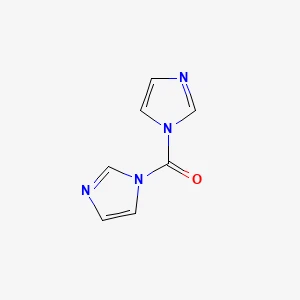
![1,1'-Carbonyldiimidazole丨CAS 530-62-1]() 1,1'-Carbonyldiimidazole丨CAS 530-62-1Catalog No.: SS080884read more
1,1'-Carbonyldiimidazole丨CAS 530-62-1Catalog No.: SS080884read more
CAS No.: 530-62-1
Assay(T): 98%min
Product Name:... -
![Palladium丨CAS 7440-05-3]() Palladium丨CAS 7440-05-3Catalog No.: SS067788read more
Palladium丨CAS 7440-05-3Catalog No.: SS067788read more
CAS No.: 7440-05-3
Assay(Pd): 10% Pd/C on dry basis.
Product Name:... -
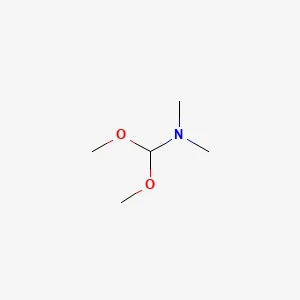
![N,N-Dimethylformamide Dimethyl Acetal丨CAS 4637-24-5]() N,N-Dimethylformamide Dimethyl Acetal丨CAS 4637-24-5Catalog No.: SS036295read more
N,N-Dimethylformamide Dimethyl Acetal丨CAS 4637-24-5Catalog No.: SS036295read more
CAS No.: 4637-24-5
Assay: 98%min
Product Name: N,N-Dimethylformamide... -
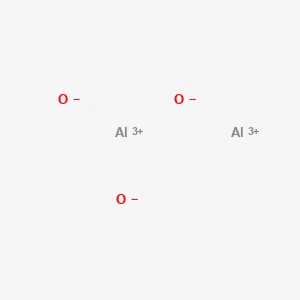
![Aluminum Oxide丨CAS 1344-28-1]() Aluminum Oxide丨CAS 1344-28-1Catalog No.: SS119815read more
Aluminum Oxide丨CAS 1344-28-1Catalog No.: SS119815read more
CAS No.: 1344-28-1
Purity: 99.99% min; Average particle size: 50nm...



Send Inquiry