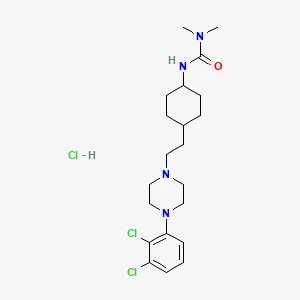
Hangzhou Leap Chem Co., Ltd. is one of the most professional manufacturers and suppliers of baricitinib丨cas 1187594-09-7 in China. Welcome to wholesale bulk high quality chemical products at competitive price from our factory. If you have any enquiry about custom service, please feel free to email us.
Specifications
| Appearance | White to off-white crystalline powder |
| Assay | 98%-102% |
| Identification | Should be in accordance with reference |
| Melting point | 211-216 °C |
| Water | 0.5% max |
| Residue on ignition | 0.2% max |
| Heavy metals | 10 ppm max |
| Single impurity | 0.1% max |
| Total impurities | 1% max |
| Methanol | 0.3% max |
| Dichloromethane | 0.06% max |
| Ethanol | 0.5% max |
| Tetrahydrofuran | 0.072% max |
| Acetonitrile | 0.041% max |
| N,N-Dimethylformamide | 0.088% max |
Applications
Baricitinib is primarily used in the treatment of autoimmune disorders, most notably moderate to severe rheumatoid arthritis, where it helps reduce joint inflammation, pain, and structural damage. It is also under investigation and in use for other inflammatory and immune-mediated conditions, including atopic dermatitis and certain cytokine storm syndromes. In addition, baricitinib has been studied as an adjunct treatment in viral infections, where modulation of overactive immune responses can improve patient outcomes. In pharmaceutical research, it serves as a model compound for JAK inhibition studies, helping scientists understand kinase selectivity, signaling pathways, and drug metabolism. Its well-characterized pharmacokinetics and mechanism of action make it a valuable reference molecule for developing new targeted therapies for autoimmune and inflammatory diseases.
Benefits
One of the main benefits of baricitinib is its ability to selectively inhibit JAK1 and JAK2, which allows targeted modulation of cytokine signaling while minimizing broad immunosuppression. This selectivity contributes to its effectiveness in reducing inflammation and improving clinical outcomes in patients with rheumatoid arthritis and other immune-mediated conditions. It is orally bioavailable, offering convenience over injectable biologics and improving patient adherence to therapy. Baricitinib has a predictable pharmacokinetic profile, allowing flexible dosing regimens and combination therapy potential. Additionally, its small-molecule nature facilitates chemical manufacturing, stability, and scalability compared with large biologic drugs. Its therapeutic efficacy in controlling overactive immune responses highlights its clinical importance in both chronic autoimmune conditions and acute inflammatory situations.
Conclusion
Baricitinib is a potent JAK1/JAK2 inhibitor with broad applications in autoimmune disease treatment and inflammatory condition management. Its selective mechanism, oral bioavailability, and well-established pharmacological profile make it a valuable therapeutic agent and research tool in immunology and pharmaceutical development. As targeted kinase inhibitors continue to shape modern medicine, baricitinib remains an important drug in the treatment of rheumatoid arthritis and other immune-mediated disorders.