

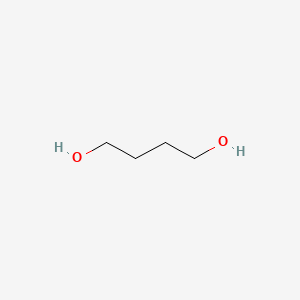
CAS No.: 110-63-4
Product Name: 1,4-Butanediol
Molecular Formula: C4H10O2
Molecular Weight:...
Product Introduction
Diagnostic Chemicals are essential compounds used in laboratory tests and medical diagnostics to detect, measure, and monitor various health conditions. These chemicals facilitate the identification of diseases, monitor treatment progress, and provide data for medical research. Diagnostic chemicals are found in a wide range of tests, from blood glucose monitoring to advanced molecular diagnostics, helping clinicians and researchers gain accurate insights into the body’s biochemical processes. Commonly used in hospitals, laboratories, and research institutions, diagnostic chemicals form the backbone of modern medical diagnostics and are crucial for ensuring accurate and timely health assessments.
Product Advantages And Features
1
Accurate Diagnosis: Diagnostic chemicals ensure precise detection of diseases, enabling clinicians to make informed treatment decisions based on reliable data.
2
Early Detection: These chemicals help identify diseases at an early stage, facilitating timely intervention and improving patient outcomes.
3
Wide Range of Applications: From glucose testing to cancer biomarker detection, diagnostic chemicals are used across a broad spectrum of health conditions.
4
Critical for Monitoring: They play a key role in tracking disease progression, monitoring treatment efficacy, and adjusting therapy as needed.
5
Rapid Results: Diagnostic chemicals enable rapid testing and analysis, which is critical in emergency situations and routine health screenings.
6
High Sensitivity and Specificity: These chemicals are formulated to ensure high sensitivity and specificity, reducing the risk of false positives or negatives in diagnostic tests.
7
Supporting Research and Development: Beyond clinical use, diagnostic chemicals are vital for developing new tests and understanding disease mechanisms in research laboratories.
Product Type
Reagents: Chemical substances used in reactions to detect or quantify another substance. Common reagents include glucose oxidase for blood sugar testing and reagents for cholesterol assays.
Enzymes: Enzymes such as horseradish peroxidase and alkaline phosphatase are used in diagnostic assays to catalyze reactions that produce measurable signals, like color changes, for detection.
Indicators: Chemicals that change color or exhibit other signals when they react with specific substances, often used in pH tests or pregnancy tests.
Antibodies: Monoclonal and polyclonal antibodies are crucial in immunoassays such as ELISA (Enzyme-Linked Immunosorbent Assay) and lateral flow tests, helping detect specific antigens or pathogens.
Fluorescent Dyes: Fluorescein and rhodamine are used in diagnostics to label and visualize biological molecules, particularly in imaging and microscopy-based diagnostics.
Buffer Solutions: Buffer systems, like phosphate-buffered saline (PBS), stabilize pH levels in diagnostic reactions, ensuring accuracy and consistency in the testing environment.
Chromogenic Substrates: These chemicals produce a color change when exposed to enzymes during diagnostic assays, providing a visual cue for detecting substances such as proteins or pathogens.
Nucleic Acid Probes: Short sequences of DNA or RNA used in molecular diagnostics to detect specific genetic material, commonly used in PCR (Polymerase Chain Reaction) tests and DNA sequencing.
Electrolytes: Diagnostic chemicals like potassium, sodium, and chloride are measured in blood chemistry tests to assess electrolyte imbalances and monitor overall health.
Radiolabeled Compounds: Used in imaging diagnostics, these chemicals are tagged with radioactive isotopes for use in PET scans or other imaging techniques to visualize physiological processes inside the body.
Application Of The Product
01/
Reagents: Chemical substances used in reactions to detect or quantify another substance. Common reagents include glucose oxidase for blood sugar testing and reagents for cholesterol assays.
02/
Enzymes: Enzymes such as horseradish peroxidase and alkaline phosphatase are used in diagnostic assays to catalyze reactions that produce measurable signals, like color changes, for detection.
03/
Indicators: Chemicals that change color or exhibit other signals when they react with specific substances, often used in pH tests or pregnancy tests.
04/
Antibodies: Monoclonal and polyclonal antibodies are crucial in immunoassays such as ELISA (Enzyme-Linked Immunosorbent Assay) and lateral flow tests, helping detect specific antigens or pathogens.
05/
Fluorescent Dyes: Fluorescein and rhodamine are used in diagnostics to label and visualize biological molecules, particularly in imaging and microscopy-based diagnostics.
06/
Buffer Solutions: Buffer systems, like phosphate-buffered saline (PBS), stabilize pH levels in diagnostic reactions, ensuring accuracy and consistency in the testing environment.
07/
Chromogenic Substrates: These chemicals produce a color change when exposed to enzymes during diagnostic assays, providing a visual cue for detecting substances such as proteins or pathogens.
08/
Nucleic Acid Probes: Short sequences of DNA or RNA used in molecular diagnostics to detect specific genetic material, commonly used in PCR (Polymerase Chain Reaction) tests and DNA sequencing.
09/
Electrolytes: Diagnostic chemicals like potassium, sodium, and chloride are measured in blood chemistry tests to assess electrolyte imbalances and monitor overall health.
10/
Radiolabeled Compounds: Used in imaging diagnostics, these chemicals are tagged with radioactive isotopes for use in PET scans or other imaging techniques to visualize physiological processes inside the body.
Material Of The Product
Diagnostic chemicals are composed of carefully chosen materials that ensure the accuracy and reliability of diagnostic tests:
1
Reagent-Grade Chemicals: High-purity substances like glucose oxidase or uricase are used to react with specific analytes in blood or urine tests, ensuring precise results.
2
Enzymatic Substrates: Substances that interact with enzymes to produce a measurable signal, commonly used in ELISA and other immunoassays.
3
Monoclonal and Polyclonal Antibodies: Used in a variety of diagnostic tests, including immunoassays, to detect pathogens or proteins with high specificity.
4
Fluorescent Dyes: Fluorophores like fluorescein are used in imaging diagnostics, allowing visualization of biological samples under a microscope.
5
Chromophores: Compounds that produce color changes in response to enzyme reactions, essential for visual diagnostics and test strip analysis.
6
Nucleotides: Building blocks for nucleic acid amplification in molecular diagnostics, essential for detecting viral DNA/RNA, genetic mutations, and gene expression levels.
7
Buffers and Stabilizers: Solutions like PBS and Tris buffer are used to maintain optimal conditions for the chemical reactions involved in diagnostic assays.
8
Radiolabeled Isotopes: Radioactive tracers used in imaging diagnostics to visualize processes within the body during PET scans or nuclear medicine tests.
Production Process Or Procedure
The production of diagnostic chemicals involves a series of highly controlled processes to ensure they meet the highest standards of quality and safety:
Precision Formulation
Each diagnostic chemical is formulated with meticulous attention to purity, concentration, and stability to ensure reliable and accurate test results.
Sterility and Contamination Control
Diagnostic chemicals are manufactured in sterile environments to prevent contamination that could compromise test results.
Quality Assurance Testing
Rigorous quality control processes are followed, including batch testing for sensitivity, specificity, and stability, ensuring that each batch meets regulatory standards.
Custom Synthesis
Diagnostic chemicals are often synthesized according to specific research or clinical needs, allowing for tailored solutions in diagnostics.
Storage and Preservation
Chemicals are stored under controlled conditions (temperature, humidity) to preserve their activity and effectiveness over time.
Components Of The Product
1. Active Diagnostic Agents
These are the key components, such as enzymes or antibodies, that react with the target analyte to produce a measurable signal.
2. Buffers
Solutions that maintain the pH and ionic balance required for diagnostic reactions to proceed optimally.
3. Stabilizers
Chemicals that ensure the diagnostic agents remain stable during storage and use, protecting them from degradation or denaturation.
4. Signal Generators
Substances that amplify or generate signals, such as fluorescent markers or chromogenic substrates, used to visualize results.
5. Carriers and Diluents
In some tests, carriers and diluents are added to ensure the uniform distribution of diagnostic chemicals during testing.
Product Maintenance And Precautions
Proper Storage Conditions
Store diagnostic chemicals in cool, dry places, away from direct sunlight or extreme temperatures, to maintain their stability and effectiveness.
Expiration Date Monitoring
Regularly check the expiration dates of diagnostic chemicals, as their efficacy may diminish over time.
Sterile Handling: Use sterile techniques when preparing or handling diagnostic chemicals to prevent contamination, which could skew test results.
Sterile Handling
Use sterile techniques when preparing or handling diagnostic chemicals to prevent contamination, which could skew test results.
Proper Labeling
Always label diagnostic chemicals clearly with batch numbers, expiration dates, and storage conditions to avoid confusion in busy laboratories.
Calibration and Validation
Diagnostic equipment should be regularly calibrated, and tests using diagnostic chemicals should be validated to ensure they provide accurate and reliable results.
Company Advantages
Our Focus on Quality & Customer Experience
We dedicate to delivering high-quality products and exceptional customer service beyond your expectation.
Comprehensive Product Range
Extensive catalog of over 27,000 chemicals for diverse industries, offering both standard compounds and specialized solutions.
Strong Industry Expertise
Our experienced diverse team provides expert guidance, staying current with industry trends to deliver optimal chemical solutions tailored to your needs.
Competitive Pricing & Reliability
Competitive pricing and reliable deliveries ensure cost-effective, efficient supply chains without compromising quality.
How To Collaborate With Us
Partnering with LEAPChem gives you access to the expertise of a leading company with 18 years of experience in the chemical industry. We offer over 27,000 chemical substances tailored to meet diverse needs. All our products adhere to industry standards and are accompanied by the necessary certifications.
We collaborate with a wide range of partners, including:
• Research Laboratories
• Pharmaceutical Companies
• Cosmetics Manufacturers
• Electronics Manufacturers
• Chemical Manufacturers
• Universities and Colleges Worldwide
• And more.
We specialize in helping our clients find the right chemical solutions tailored to their specific requirements. Additionally, we provide custom synthesis services to meet the unique needs of our partners. Whether you need bulk quantities for industrial processes or small batches for specialized applications, we've got you covered.
If you are looking for a reliable chemical supplier, we would be delighted to hear from you. Please send your inquiry or project details to sales@leapchem.com. Our professional team is eager to collaborate with you and help achieve your goals.
FAQ
Q: What are diagnostic chemicals?
A: Diagnostic chemicals are substances used in medical and laboratory tests to detect, measure, or monitor biological markers and health conditions.
Q: How are diagnostic chemicals used in healthcare?
A: They are used in clinical diagnostics to detect diseases, monitor treatment progress, and help in early disease detection.
Q: What is an example of a diagnostic chemical?
A: Glucose oxidase is a commonly used diagnostic chemical in blood glucose monitoring tests.
Q: Are diagnostic chemicals safe to use?
A: Yes, diagnostic chemicals are manufactured under strict quality control and safety guidelines, but they should be handled according to safety protocols.
Q: Can diagnostic chemicals expire?
A: Yes, diagnostic chemicals have a shelf life, and using expired chemicals can lead to inaccurate results.
Q: What is the role of antibodies in diagnostic tests?
A: Antibodies are used to detect specific antigens in immunoassays, providing critical information about infections or immune responses.
Q: How do diagnostic chemicals work in PCR tests?
A: In PCR tests, diagnostic chemicals like nucleotides and enzymes amplify specific DNA or RNA sequences to detect genetic material.
Q: What are chromogenic substrates used for?
A: Chromogenic substrates are used in diagnostic assays to produce color changes that indicate the presence of a specific analyte.
Q: Why is pH important in diagnostic reactions?
A: Proper pH ensures that the biochemical reactions in diagnostic tests occur efficiently and accurately.
Q: How do fluorescent dyes work in diagnostics?
A: Fluorescent dyes emit light when exposed to specific wavelengths, allowing visualization of biological samples in imaging-based diagnostics.
Q: What tests use radiolabeled compounds?
A: Radiolabeled compounds are used in imaging diagnostics like PET scans to visualize internal processes and detect abnormalities.
Q: Can diagnostic chemicals be used in home tests?
A: Yes, diagnostic chemicals are used in home tests like pregnancy kits and glucose meters, providing convenient and rapid results.
Q: What role do diagnostic chemicals play in drug development?
A: In drug development, these chemicals help monitor biochemical markers during clinical trials to assess drug efficacy and safety.
Q: Do diagnostic chemicals require special storage?
A: Yes, many diagnostic chemicals need to be stored in specific conditions, such as refrigeration, to maintain their stability.
Q: How can I ensure the accuracy of tests using diagnostic chemicals?
A: Always follow the manufacturer’s instructions, use within expiration dates, and ensure proper storage and handling to maintain accuracy.
Hangzhou Leap Chem Co., Ltd. is well-known as one of the leading diagnostic chemicals manufacturers and suppliers in China, also supports custom service. We warmly welcome you to wholesale bulk high quality diagnostic chemicals from our factory.
Popular Products
-
![1,4-Butanediol丨CAS 110-63-4]()
-
![FDCA丨CAS 3238-40-2]() FDCA丨CAS 3238-40-2Catalog No.: SS098300read more
FDCA丨CAS 3238-40-2Catalog No.: SS098300read more
CAS No.: 3238-40-2
Purity(HPLC): 99.9%min.
Product Name:... -
![Sodium Dodecyl Sulfate丨CAS 151-21-3]() Sodium Dodecyl Sulfate丨CAS 151-21-3CAS No.: 151-21-3read more
Sodium Dodecyl Sulfate丨CAS 151-21-3CAS No.: 151-21-3read more
Assay/Grade: EP11/99%min/95%min/CP2020
Product Name: Sodium dodecyl... -
![Glycerol丨CAS 56-81-5]() Glycerol丨CAS 56-81-5CAS No.: 56-81-5read more
Glycerol丨CAS 56-81-5CAS No.: 56-81-5read more
Grade: API/Injection/Pharmaceutical/Food/Industrial
Product Name:... -
![Cesium Carbonate丨CAS 534-17-8]() Cesium Carbonate丨CAS 534-17-8CAS No.: 534-17-8read more
Cesium Carbonate丨CAS 534-17-8CAS No.: 534-17-8read more
Assay: 99.9%min
Product Name: Cesium carbonate
Molecular Formula: Cs2CO3... -
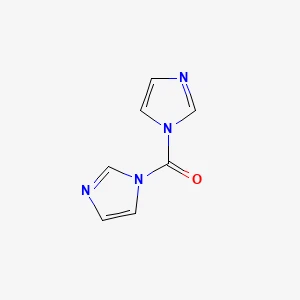
![1,1'-Carbonyldiimidazole丨CAS 530-62-1]() 1,1'-Carbonyldiimidazole丨CAS 530-62-1Catalog No.: SS080884read more
1,1'-Carbonyldiimidazole丨CAS 530-62-1Catalog No.: SS080884read more
CAS No.: 530-62-1
Assay(T): 98%min
Product Name:... -
![Palladium丨CAS 7440-05-3]() Palladium丨CAS 7440-05-3Catalog No.: SS067788read more
Palladium丨CAS 7440-05-3Catalog No.: SS067788read more
CAS No.: 7440-05-3
Assay(Pd): 10% Pd/C on dry basis.
Product Name:... -
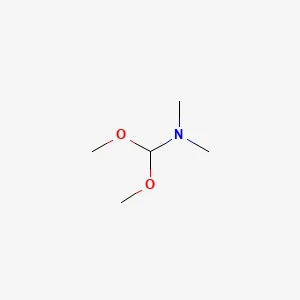
![N,N-Dimethylformamide Dimethyl Acetal丨CAS 4637-24-5]() N,N-Dimethylformamide Dimethyl Acetal丨CAS 4637-24-5Catalog No.: SS036295read more
N,N-Dimethylformamide Dimethyl Acetal丨CAS 4637-24-5Catalog No.: SS036295read more
CAS No.: 4637-24-5
Assay: 98%min
Product Name: N,N-Dimethylformamide...



Send Inquiry