


Catalog No.: SS067788
CAS No.: 7440-05-3
Assay(Pd): 10% Pd/C on dry basis.
Product Name: Palladium
Certifications: ISO9001
Molecular Formula: Pd
Molecular Weight: 106.42
Synonym(s): Pd;...
Product Introduction
Catalysts and Auxiliary Agents are essential chemicals used in various industrial processes to accelerate reactions, enhance efficiency, and improve product quality. Catalysts lower the activation energy of chemical reactions, enabling faster production rates without being consumed in the process. Auxiliary agents, on the other hand, are substances that assist in chemical reactions or improve the properties of the final product, such as emulsifiers, stabilizers, and dispersants. These products play a crucial role in industries like petrochemicals, pharmaceuticals, environmental protection, and manufacturing, contributing to sustainable and cost-effective operations.
-
![Palladium丨CAS 7440-05-3]()
-
![Tetrakis(triphenylphosphine)palladium丨CAS 14221-01-3]() Tetrakis(triphenylphosphine)palladium丨CAS 14221-01-3Catalog No.: SS118525read more
Tetrakis(triphenylphosphine)palladium丨CAS 14221-01-3Catalog No.: SS118525read more
CAS No.: 14221-01-3
Purity: 99%min Pd: 9.2%min
Product Name: Tetrakis(triphenylphosphine)palladium
Molecular Formula: C72H60P4Pd
Molecular Weight: 1155.58
Synonym(s):... -
![1,4-Phthalaldehyde丨CAS 623-27-8]() 1,4-Phthalaldehyde丨CAS 623-27-8Catalog No.: SS006720read more
1,4-Phthalaldehyde丨CAS 623-27-8Catalog No.: SS006720read more
CAS No.: 623-27-8
Assay(HPLC): 99%min.
Product Name: 1,4-Phthalaldehyde
Molecular Formula: C8H6O2
Molecular Weight: 134.13
Synonym(s): 1,4-Benzenedicarboxaldehyde -
![Platinum(0)-1,3-divinyl-1,1,3,3-tetramethyldisiloxane丨CAS 68478-92-2]() Platinum(0)-1,3-divinyl-1,1,3,3-tetramethyldisiloxane丨CAS...Catalog No.: SS141885read more
Platinum(0)-1,3-divinyl-1,1,3,3-tetramethyldisiloxane丨CAS...Catalog No.: SS141885read more
CAS No.: 68478-92-2
Pt: 2.0%±0.05%
Product Name: Platinum(0)-1,3-divinyl-1,1,3,3-tetramethyldisiloxane
Molecular Formula: C8H18OPtSi2
Molecular Weight: 381.48 -
![1,2,3,4,5-Pentamethylcyclopentadiene丨CAS 4045-44-7]() 1,2,3,4,5-Pentamethylcyclopentadiene丨CAS 4045-44-7Catalog No.: SS139582read more
1,2,3,4,5-Pentamethylcyclopentadiene丨CAS 4045-44-7Catalog No.: SS139582read more
CAS No.: 4045-44-7
Purity: 95% min
Product Name: 1,2,3,4,5-Pentamethylcyclopentadiene
Molecular Formula: C10H16
Molecular Weight: 136.24
Synonym(s):... -
![Nickel(II) Chloride Hexahydrate丨CAS 7791-20-0]() Nickel(II) Chloride Hexahydrate丨CAS 7791-20-0Catalog No.: SS145146read more
Nickel(II) Chloride Hexahydrate丨CAS 7791-20-0Catalog No.: SS145146read more
CAS No.: 7791-20-0
Ni: 24% min
Product Name: Nickel(II) chloride hexahydrate
Molecular Formula: NiCl2.6(H2O)
Molecular Weight: 237.68 -
![Silver Chloride丨CAS 7783-90-6]() Silver Chloride丨CAS 7783-90-6Catalog No.: SS143943read more
Silver Chloride丨CAS 7783-90-6Catalog No.: SS143943read more
CAS No.: 7783-90-6
Purity: 99.5%min
Product Name: Silver chloride
Molecular Formula: AgCl
Molecular Weight: 143.32
Synonym(s): Silver(I) chloride -
![Bis(diphenylphosphino)methane丨CAS 2071-20-7]() Bis(diphenylphosphino)methane丨CAS 2071-20-7Catalog No.: SS143224read more
Bis(diphenylphosphino)methane丨CAS 2071-20-7Catalog No.: SS143224read more
CAS No.: 2071-20-7
Purity(HPLC): 98%min
Product Name: Bis(diphenylphosphino)methane
Molecular Formula: C25H22P2
Molecular Weight: 384.40
Synonym(s):... -
![Silver Trifluoroacetate丨CAS 2966-50-9]() Silver Trifluoroacetate丨CAS 2966-50-9Catalog No.: SS143064read more
Silver Trifluoroacetate丨CAS 2966-50-9Catalog No.: SS143064read more
CAS No.: 2966-50-9
Purity(Ag): 48.8%
Product Name: Silver trifluoroacetate
Molecular Formula: C2AgF3O2
Molecular Weight: 220.88 -
![12-Hydroxystearic Acid丨CAS 106-14-9]() 12-Hydroxystearic Acid丨CAS 106-14-9Catalog No.: SS075973read more
12-Hydroxystearic Acid丨CAS 106-14-9Catalog No.: SS075973read more
CAS No.: 106-14-9
Acid value(mgkoh/g): 177-187
Product Name: 12-Hydroxystearic acid
Molecular Formula: C18H36O3
Molecular Weight: 300.48
Synonym(s): 12-Hydroxyoctadecanoic... -
![Phosphorous Acid丨CAS 10294-56-1]() Phosphorous Acid丨CAS 10294-56-1Catalog No.: SS141073read more
Phosphorous Acid丨CAS 10294-56-1Catalog No.: SS141073read more
CAS No.: 10294-56-1
Assay: 99%min
Product Name: Phosphorous acid
Molecular Formula: H3PO3
Molecular Weight: 81.99 -
![Dess-Martin Periodinane丨CAS 87413-09-0]() Dess-Martin Periodinane丨CAS 87413-09-0Catalog No.: SS084257read more
Dess-Martin Periodinane丨CAS 87413-09-0Catalog No.: SS084257read more
CAS No.: 87413-09-0
Assay(by titration): 98%min.
Product Name: Dess-Martin periodinane
Molecular Formula: C13H13IO8
Molecular Weight: 424.14
Synonym(s):...


Product Advantages And Features
Increased Reaction Speed
Catalysts accelerate chemical reactions, reducing the time and energy required for production processes.
Lower Energy Consumption
By lowering activation energy, catalysts help reduce the need for high temperatures and pressures, saving energy.
Improved Product Quality
Auxiliary agents enhance the texture, appearance, and performance of final products, ensuring consistent and high-quality outputs.
Cost Efficiency
Faster reaction times and reduced energy demands translate into lower operational costs for industries.
Environmental Benefits
Catalysts promote greener processes by minimizing waste and emissions, contributing to more sustainable production methods.
Versatility
Catalysts and auxiliary agents are used in a wide range of industries, from refining and chemical synthesis to food production and pharmaceuticals.
Product Type
1
Heterogeneous Catalysts: These are solid catalysts used in reactions involving liquid or gaseous reactants. Examples include metal oxides and zeolites used in refining and chemical synthesis.
2
Homogeneous Catalysts: Soluble catalysts that operate within the same phase as the reactants, often used in the manufacture of fine chemicals and pharmaceuticals.
3
Biocatalysts: Enzymes that accelerate biochemical reactions, widely used in pharmaceuticals, food processing, and biofuels production.
4
Phase Transfer Catalysts (PTCs): These facilitate the transfer of a reactant from one phase to another, enabling reactions between immiscible substances, commonly used in organic synthesis.
5
Dispersants: Auxiliary agents that improve the distribution of particles in liquids, ensuring uniformity in products like paints, coatings, and lubricants.
6
Emulsifiers: Used to stabilize mixtures of oil and water, emulsifiers are critical in food production, cosmetics, and pharmaceuticals.
7
Antifoaming Agents: Prevent the formation of foam during chemical processes, used in industries like fermentation, textiles, and water treatment.
Application Of The Product
Petrochemical Industry: Catalysts are essential in refining crude oil, breaking down complex hydrocarbons into fuels and chemicals, and optimizing processes like catalytic cracking and reforming.
Pharmaceuticals: Catalysts accelerate chemical synthesis for drug production, while auxiliary agents like emulsifiers and stabilizers ensure the quality of formulations.
Environmental Protection: Catalysts are key in pollution control technologies such as catalytic converters in automobiles, which reduce harmful emissions.
Polymer Manufacturing: Catalysts aid in the polymerization process, creating plastics, rubber, and synthetic fibers, while auxiliary agents help control viscosity and improve product performance.
Food and Beverage: Enzymes (biocatalysts) are used to enhance flavor, improve texture, and increase the shelf life of food products. Emulsifiers and stabilizers are used in dairy products, sauces, and dressings.
Water Treatment: Catalysts and auxiliary agents are used in the purification of water by speeding up reactions that remove contaminants and improve water quality.
Textile Industry: Dispersants and stabilizers are used in dyeing and finishing processes to ensure uniform color distribution and fabric quality.
Material Of The Product
Metal Catalysts
Platinum, palladium, and nickel are commonly used metals in industrial catalysts due to their high efficiency in chemical reactions such as hydrogenation and oxidation.
Zeolites
Microporous aluminosilicates used in petrochemical refining and as adsorbents in environmental applications like gas purification.
Enzymes
Biological catalysts derived from proteins, used in biocatalysis for sustainable chemical processes in food, pharmaceutical, and biofuel industries.
Surfactants
These act as emulsifiers or dispersants in auxiliary agents, improving the mixture of otherwise immiscible liquids.
Organic Acids and Bases
Used in homogeneous catalysis to promote specific chemical transformations, commonly in pharmaceutical synthesis.
Silica Gel
A solid material used in catalytic support systems and as an adsorbent in moisture control and chemical separations.
Production Process Or Procedure
The production of catalysts and auxiliary agents requires precise craftsmanship to ensure high efficiency and selectivity. The process begins with the selection of high-purity raw materials, followed by controlled mixing and formulation to create the desired chemical structure. Catalysts are often manufactured by coating active metals onto a support material such as silica or alumina, ensuring maximum surface area for reaction. Auxiliary agents undergo thorough testing to ensure they perform optimally in diverse conditions, such as varying temperatures and pH levels. Strict quality control procedures are in place to test for activity, stability, and environmental impact, ensuring consistent performance across industries.
Components Of The Product
Active Metals
The core component of many catalysts, such as platinum, palladium, or nickel, responsible for accelerating reactions in processes like hydrogenation and oxidation.
Support Materials
In heterogeneous catalysts, these materials (e.g., silica, alumina) provide a surface on which the catalytic reaction occurs.
Promoters
Chemicals added to catalysts to enhance their activity, stability, or selectivity, ensuring improved performance in specific reactions.
Inhibitors
Substances that prevent side reactions, increasing the catalyst’s efficiency and selectivity by focusing on the desired chemical reaction.
Dispersing Agents
Auxiliary agents that ensure the even distribution of particles in solutions, preventing clumping and ensuring uniformity in applications like coatings and paints.
Stabilizers
Added to auxiliary agents to prolong shelf life and maintain product integrity during storage and use.
Product Maintenance And Precautions
Proper Storage
Store catalysts and auxiliary agents in a cool, dry place, away from direct sunlight and moisture, to prevent degradation of their reactive properties.
Handling with Care
Follow safety guidelines when handling catalysts, especially those containing hazardous metals, to avoid contamination or exposure to toxic substances.
Cleaning and Regeneration
Many catalysts can be regenerated after use to restore their activity, especially in industrial applications like refining, where they are reused in multiple cycles.
Replacement Schedule
Depending on the application, catalysts may lose efficiency over time and need to be replaced to ensure optimal reaction speeds and product quality.
Safe Disposal
Follow proper disposal methods for catalysts and auxiliary agents, particularly those containing metals or chemicals that may be harmful to the environment.
Company Advantages
Our Focus on Quality & Customer Experience
We dedicate to delivering high-quality products and exceptional customer service beyond your expectation.
Comprehensive Product Range
Extensive catalog of over 27,000 chemicals for diverse industries, offering both standard compounds and specialized solutions.
Strong Industry Expertise
Our experienced diverse team provides expert guidance, staying current with industry trends to deliver optimal chemical solutions tailored to your needs.
Competitive Pricing & Reliability
Competitive pricing and reliable deliveries ensure cost-effective, efficient supply chains without compromising quality.
How To Collaborate With Us
Partnering with LEAPChem gives you access to the expertise of a leading company with 18 years of experience in the chemical industry. We offer over 27,000 chemical substances tailored to meet diverse needs. All our products adhere to industry standards and are accompanied by the necessary certifications.
We collaborate with a wide range of partners, including:
• Research Laboratories
• Pharmaceutical Companies
• Cosmetics Manufacturers
• Electronics Manufacturers
• Chemical Manufacturers
• Universities and Colleges Worldwide
• And more.
We specialize in helping our clients find the right chemical solutions tailored to their specific requirements. Additionally, we provide custom synthesis services to meet the unique needs of our partners. Whether you need bulk quantities for industrial processes or small batches for specialized applications, we've got you covered.
If you are looking for a reliable chemical supplier, we would be delighted to hear from you. Please send your inquiry or project details to sales@leapchem.com. Our professional team is eager to collaborate with you and help achieve your goals.
FAQ
Q: What are catalysts?
A: Catalysts are substances that increase the rate of chemical reactions without being consumed in the process.
Q: How do catalysts work?
A: They lower the activation energy required for reactions, allowing them to occur more quickly and efficiently.
Q: What is the difference between homogeneous and heterogeneous catalysts?
A: Homogeneous catalysts are in the same phase as the reactants, while heterogeneous catalysts exist in a different phase.
Q: Can catalysts be reused?
A: Yes, many industrial catalysts can be regenerated and reused multiple times, especially in refining and chemical production.
Q: What are phase transfer catalysts (PTCs)?
A: PTCs facilitate the transfer of reactants between immiscible phases (such as oil and water), enabling reactions that wouldn’t otherwise occur.
Q: What industries use catalysts the most?
A: Key industries include petrochemicals, pharmaceuticals, food processing, environmental protection, and polymer manufacturing.
Q: What's the role of auxiliary agents in manufacturing?
A: Auxiliary agents, like dispersants and emulsifiers, help improve product quality by ensuring uniform distribution, texture, and stability.
Q: Are biocatalysts environmentally friendly?
A: Yes, biocatalysts like enzymes are biodegradable and contribute to more sustainable and environmentally friendly processes.
Q: Do catalysts affect the quality of the final product?
A: Catalysts can improve product quality by making processes more efficient and reducing unwanted side reactions.
Q: Can catalysts be used in environmental applications?
A: Yes, catalysts are used in pollution control (e.g., catalytic converters) to reduce emissions and environmental pollutants.
Q: Are auxiliary agents safe for food and cosmetics?
A: Auxiliary agents used in food and cosmetics are specially formulated and tested to ensure safety for human consumption or skin contact.
Q: How do dispersants work in industrial applications?
A: Dispersants ensure that particles are evenly distributed in a solution, preventing clumping and improving the performance of products like paints and coatings.
Q: Can catalysts be used at high temperatures?
A: Yes, many catalysts are designed to work under extreme temperatures, especially in industrial processes like refining and chemical synthesis.
Q: What are metal catalysts used for?
A: Metal catalysts are used in a variety of reactions, including hydrogenation, oxidation, and cross-coupling reactions.
Q: How do you know when to replace a catalyst?
A: If performance drops significantly or the reaction does not proceed as expected, it may be time to replace the catalyst.
Q: Can catalysts be environmentally friendly?
A: Yes, many catalysts enable cleaner production methods and help reduce waste and emissions.
Q: What is catalyst poisoning?
A: Catalyst poisoning occurs when impurities bind to active sites, blocking reactants from accessing them.
Q: Are all catalysts expensive?
A: Not all catalysts are costly; there are many affordable options depending on the specific application and requirements.
Q: What is the role of supports in heterogeneous catalysts?
A: Supports provide stability and increase the surface area for reaction, enhancing catalyst effectiveness.
Q: How are catalysts tested for effectiveness?
A: Catalysts are tested for activity, selectivity, and stability under controlled conditions to ensure optimal performance.
Hangzhou Leap Chem Co., Ltd. is well-known as one of the leading catalysts & auxiliary agents manufacturers and suppliers in China, also supports custom service. We warmly welcome you to wholesale bulk high quality catalysts & auxiliary agents from our factory.
CAS 35948 25 5, Potassium tert butanolate, Lithium stearatePopular Products
-
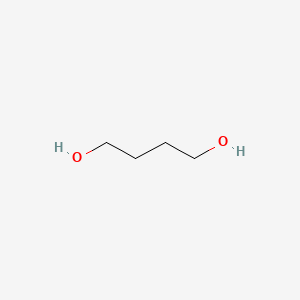
![1,4-Butanediol丨CAS 110-63-4]() 1,4-Butanediol丨CAS 110-63-4CAS No.: 110-63-4read more
1,4-Butanediol丨CAS 110-63-4CAS No.: 110-63-4read more
Product Name: 1,4-Butanediol
Molecular Formula: C4H10O2
Molecular Weight:... -
![FDCA丨CAS 3238-40-2]() FDCA丨CAS 3238-40-2Catalog No.: SS098300read more
FDCA丨CAS 3238-40-2Catalog No.: SS098300read more
CAS No.: 3238-40-2
Purity(HPLC): 99.9%min.
Product Name:... -
![Sodium Dodecyl Sulfate丨CAS 151-21-3]() Sodium Dodecyl Sulfate丨CAS 151-21-3CAS No.: 151-21-3read more
Sodium Dodecyl Sulfate丨CAS 151-21-3CAS No.: 151-21-3read more
Assay/Grade: EP11/99%min/95%min/CP2020
Product Name: Sodium dodecyl... -
![Glycerol丨CAS 56-81-5]() Glycerol丨CAS 56-81-5CAS No.: 56-81-5read more
Glycerol丨CAS 56-81-5CAS No.: 56-81-5read more
Grade: API/Injection/Pharmaceutical/Food/Industrial
Product Name:... -
![Cesium Carbonate丨CAS 534-17-8]() Cesium Carbonate丨CAS 534-17-8CAS No.: 534-17-8read more
Cesium Carbonate丨CAS 534-17-8CAS No.: 534-17-8read more
Assay: 99.9%min
Product Name: Cesium carbonate
Molecular Formula: Cs2CO3... -
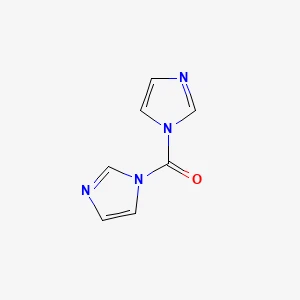
![1,1'-Carbonyldiimidazole丨CAS 530-62-1]() 1,1'-Carbonyldiimidazole丨CAS 530-62-1Catalog No.: SS080884read more
1,1'-Carbonyldiimidazole丨CAS 530-62-1Catalog No.: SS080884read more
CAS No.: 530-62-1
Assay(T): 98%min
Product Name:... -
![Palladium丨CAS 7440-05-3]() Palladium丨CAS 7440-05-3Catalog No.: SS067788read more
Palladium丨CAS 7440-05-3Catalog No.: SS067788read more
CAS No.: 7440-05-3
Assay(Pd): 10% Pd/C on dry basis.
Product Name:... -
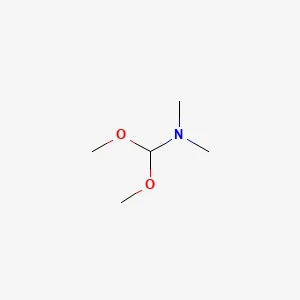
![N,N-Dimethylformamide Dimethyl Acetal丨CAS 4637-24-5]() N,N-Dimethylformamide Dimethyl Acetal丨CAS 4637-24-5Catalog No.: SS036295read more
N,N-Dimethylformamide Dimethyl Acetal丨CAS 4637-24-5Catalog No.: SS036295read more
CAS No.: 4637-24-5
Assay: 98%min
Product Name: N,N-Dimethylformamide...



Send Inquiry