


Catalog No.: SS139358
CAS No.: 119168-77-3
Purity: 95%min
Product Name: Tebufenpyrad
Molecular Formula: C18H24ClN3O
Molecular Weight: 333.86
Synonym(s):...
Product Introduction
Insecticides are chemical substances designed to control, repel, or eliminate insects that can harm crops, livestock, and stored goods. By preventing or reducing insect infestations, insecticides play a vital role in agriculture, improving crop yields, maintaining food quality, and protecting plants from damage. They are used in a variety of settings, from large-scale farms to gardens and households, ensuring both food security and crop health.
-
![Tebufenpyrad丨CAS 119168-77-3]()
-
![Fenoxycarb丨CAS 79127-80-3]() Fenoxycarb丨CAS 79127-80-3Catalog No.: SS132378read more
Fenoxycarb丨CAS 79127-80-3Catalog No.: SS132378read more
CAS No.: 79127-80-3
Assay: 96% min
Product Name: Fenoxycarb
Molecular Formula: C17H19NO4
Molecular Weight: 301.34
Synonym(s): Ethyl (2-(4-phenoxyphenoxy)ethyl)carbamate -
![Etoxazole丨CAS 153233-91-1]() Etoxazole丨CAS 153233-91-1Catalog No.: SS122990read more
Etoxazole丨CAS 153233-91-1Catalog No.: SS122990read more
CAS No.: 153233-91-1
Assay: 96.0% min
Product Name: Etoxazole
Molecular Formula: C21H23F2NO2
Molecular Weight: 359.41
Synonym(s):... -
![Diflubenzuron丨CAS 35367-38-5]() Diflubenzuron丨CAS 35367-38-5Catalog No.: SS132597read more
Diflubenzuron丨CAS 35367-38-5Catalog No.: SS132597read more
CAS No.: 35367-38-5
Assay: 97.0% min.
Product Name: Diflubenzuron
Molecular Formula: C14H9ClF2N2O2
Molecular Weight: 310.69
Synonym(s):... -
![N,N-Diethyl-3-methylbenzamide丨CAS 134-62-3]() N,N-Diethyl-3-methylbenzamide丨CAS 134-62-3Catalog No.: SS110641read more
N,N-Diethyl-3-methylbenzamide丨CAS 134-62-3Catalog No.: SS110641read more
CAS No.: 134-62-3
Purity(GC): 99%min
Product Name: N,N-Diethyl-3-methylbenzamide
Molecular Formula: C12H17NO
Molecular Weight: 191.27
Synonym(s): N,N-Diethyl-m-toluamide -
![Tetramethrin丨CAS 7696-12-0]() Tetramethrin丨CAS 7696-12-0Catalog No.: SS124971read more
Tetramethrin丨CAS 7696-12-0Catalog No.: SS124971read more
CAS No.: 7696-12-0
Assay: 92.0%min
Product Name: Tetramethrin
Molecular Formula: C19H25NO4
Molecular Weight: 331.41 -
![Chlorfenapyr丨CAS 122453-73-0]() Chlorfenapyr丨CAS 122453-73-0Catalog No.: SS132628read more
Chlorfenapyr丨CAS 122453-73-0Catalog No.: SS132628read more
CAS No.: 122453-73-0
Assay: 98%min
Product Name: Chlorfenapyr
Molecular Formula: C15H11BrClF3N2O
Molecular Weight: 407.62
Synonym(s):... -
![Tert-Butylamine丨CAS 75-64-9]() Tert-Butylamine丨CAS 75-64-9Catalog No.: SS131035read more
Tert-Butylamine丨CAS 75-64-9Catalog No.: SS131035read more
CAS No.: 75-64-9
Purity: 99.5%min
Product Name: tert-Butylamine
Molecular Formula: C4H11N
Molecular Weight: 73.14
Synonym(s): 2-Amino-2-methylpropane -
![2,4,6-Trichlorophenol丨CAS 88-06-2]() 2,4,6-Trichlorophenol丨CAS 88-06-2Catalog No.: SS131161read more
2,4,6-Trichlorophenol丨CAS 88-06-2Catalog No.: SS131161read more
CAS No.: 88-06-2
Assay: 99.5%min
Product Name: 2,4,6-Trichlorophenol
Molecular Formula: C6H3Cl3O
Molecular Weight: 197.45 -
![Lufenuron丨CAS 103055-07-8]() Lufenuron丨CAS 103055-07-8Catalog No.: SS115331read more
Lufenuron丨CAS 103055-07-8Catalog No.: SS115331read more
CAS No.: 103055-07-8
Purity: 97.0%min
Product Name: Lufenuron
Molecular Formula: C17H8Cl2F8N2O3
Molecular Weight: 511.15 -
![Carbimazole丨CAS 22232-54-8]() Carbimazole丨CAS 22232-54-8Catalog No.: SS127070read more
Carbimazole丨CAS 22232-54-8Catalog No.: SS127070read more
CAS No.: 22232-54-8
Grade/Assay: BP2015/98%~102%
Product Name: Carbimazole
Molecular Formula: C7H10N2O2S
Molecular Weight: 186.23 -
![Indoxacarb丨CAS 144171-61-9]() Indoxacarb丨CAS 144171-61-9Catalog No.: SS078097read more
Indoxacarb丨CAS 144171-61-9Catalog No.: SS078097read more
CAS No.: 144171-61-9
Total mass fraction of Indocarb: 95.0% min
Product Name: Indoxacarb
Molecular Formula: C22H17ClF3N3O7
Molecular Weight: 527.83


Product Advantages And Features
Effective Pest Control
Insecticides target and kill harmful insects, protecting crops and livestock from damage, diseases, and infestation.
Increased Crop Yields
By minimizing insect damage, insecticides help crops grow healthier and stronger, resulting in higher productivity.
Wide Range of Application
Insecticides can be applied in different environments, from agriculture fields to homes and public spaces, controlling pests everywhere.
Rapid Action
Many insecticides work quickly, providing immediate relief from insect infestations and preventing further damage.
Targeted Formulations
Some insecticides are designed to target specific pests without harming beneficial insects like pollinators, which helps preserve ecological balance.
Product Type
1
Contact Insecticides: These insecticides kill insects upon direct contact by damaging their exoskeleton or disrupting their nervous system. They provide fast results but require thorough application to ensure all insects are reached.
2
Systemic Insecticides: Systemic insecticides are absorbed by plants and transferred through their tissues. When insects feed on the plant, they ingest the toxic chemicals, resulting in their death. These are effective for pests like aphids and leafhoppers.
3
Ingested Insecticides: Ingested insecticides work when pests consume them, often included in baits or as part of systemic insecticides. These are useful for pests like caterpillars and beetles.
4
Repellents: Repellent insecticides do not kill insects but keep them away from crops or other protected areas. They are frequently used in combination with other pest control methods to manage pest behavior.
5
Natural (Biological) Insecticides: Derived from natural sources, such as plants (e.g., neem oil) or bacteria (e.g., Bacillus thuringiensis), biological insecticides offer a safer, eco-friendly approach to pest control, particularly in organic farming.
6
Synthetic Insecticides: These are chemically formulated compounds, such as pyrethroids and organophosphates, designed to kill or repel a wide range of insects. They are among the most commonly used in conventional farming.
7
Growth Regulators: Insect growth regulators (IGRs) disrupt the life cycle of insects, preventing them from maturing or reproducing. They are particularly useful for controlling populations over the long term without immediately killing adult insects.
Application Of The Product
Field Crops
Insecticides are commonly used in large-scale agriculture to protect essential crops like corn, soybeans, and cotton from insect damage.
Greenhouses
Insecticides help control pest populations in controlled environments, like greenhouses, where high-value crops are grown year-round.
Fruit and Vegetable Farming
Used to protect fruits, vegetables, and other high-value crops from pests that can cause significant damage or make produce unmarketable.
Livestock Protection
Insecticides are also used to protect livestock from harmful insects, such as flies and ticks, which can cause disease and discomfort.
Stored Grains and Goods
They are used in storage areas to protect grains and other agricultural products from insects that can spoil or infest stored goods.
Public Health and Residential Use
Insecticides are used in households and public spaces to control nuisance pests like mosquitoes, flies, ants, and cockroaches, improving hygiene and comfort.
Material Of The Product
Insecticides are made from a variety of materials, depending on their type and use:
Pyrethroids
Synthetic compounds based on the natural pyrethrins from chrysanthemum flowers, widely used due to their quick action and low toxicity to humans.
Organophosphates
Powerful insecticides that disrupt insect nervous systems. They are effective but can be toxic if misused.
Carbamates
Similar to organophosphates but with a broader range of use, including agricultural and household applications.
Neem Oil
A natural insecticide derived from the neem tree, often used in organic farming to repel and kill insects.
Bacillus thuringiensis (Bt)
A naturally occurring bacterium that produces proteins toxic to certain insects, commonly used in organic and integrated pest management systems.
Production Process Or Procedure
Synthesis of Active Ingredients
Active ingredients are created through chemical synthesis or extracted from natural sources like plants and bacteria. These ingredients undergo extensive testing for effectiveness and safety.
Formulation
The active ingredient is combined with other substances, such as solvents, emulsifiers, and surfactants, to create a stable and effective product that can be easily applied.
Testing and Quality Control
Each batch of insecticide is tested for potency, consistency, and safety. Quality control ensures the product meets regulatory standards and performs as intended.
Packaging
The final product is packaged in secure, clearly labeled containers, which provide proper storage guidelines and safety information.
Components Of The Product
1. Active Ingredient
The primary chemical or biological agent that kills or repels insects. Examples include pyrethroids, neem oil, or Bacillus thuringiensis.
2. Solvents
Help dissolve the active ingredient and make it easier to apply. Water, oils, or alcohols are commonly used as solvents.
3. Surfactants
These allow the insecticide to spread more evenly across surfaces, ensuring thorough coverage of plants or target areas.
4. Carriers
Used to dilute the active ingredient and provide bulk to the formulation. Carriers are often water, oils, or dust-based materials.
5. Stabilizers
Help maintain the chemical stability of the insecticide during storage, preventing degradation and ensuring a longer shelf life.
Product Maintenance And Precautions
Proper Storage: Store insecticides in cool, dry places away from direct sunlight and moisture. Always keep containers sealed tightly to prevent contamination or degradation.
Follow Label Instructions: Always use insecticides according to the manufacturer's instructions, ensuring the correct application rates and methods to avoid overuse or harm to non-target organisms.
Expiration Monitoring: Check expiration dates and use insecticides before they expire. Expired products may lose their effectiveness and pose a risk to plants or animals.
Safety Precautions: Wear appropriate protective gear when handling insecticides, including gloves and masks, to avoid accidental contact or inhalation.
Safe Disposal: Dispose of empty containers and unused insecticides according to local environmental regulations. Never pour insecticides into water sources or throw them in regular trash.
Company Advantages
Our Focus on Quality & Customer Experience
We dedicate to delivering high-quality products and exceptional customer service beyond your expectation.
Comprehensive Product Range
Extensive catalog of over 27,000 chemicals for diverse industries, offering both standard compounds and specialized solutions.
Strong Industry Expertise
Our experienced diverse team provides expert guidance, staying current with industry trends to deliver optimal chemical solutions tailored to your needs.
Competitive Pricing & Reliability
Competitive pricing and reliable deliveries ensure cost-effective, efficient supply chains without compromising quality.
How To Collaborate With Us
Partnering with LEAPChem gives you access to the expertise of a leading company with 18 years of experience in the chemical industry. We offer over 27,000 chemical substances tailored to meet diverse needs. All our products adhere to industry standards and are accompanied by the necessary certifications.
We collaborate with a wide range of partners, including:
• Research Laboratories
• Pharmaceutical Companies
• Cosmetics Manufacturers
• Electronics Manufacturers
• Chemical Manufacturers
• Universities and Colleges Worldwide
• And more.
We specialize in helping our clients find the right chemical solutions tailored to their specific requirements. Additionally, we provide custom synthesis services to meet the unique needs of our partners. Whether you need bulk quantities for industrial processes or small batches for specialized applications, we've got you covered.
If you are looking for a reliable chemical supplier, we would be delighted to hear from you. Please send your inquiry or project details to sales@leapchem.com. Our professional team is eager to collaborate with you and help achieve your goals.
FAQ
Q: What are insecticides used for?
A: Insecticides are used to control or eliminate harmful insects that damage crops, livestock, or stored goods.
Q: How do insecticides work?
A: Insecticides work by poisoning or repelling insects, either on contact, through ingestion, or by disrupting their life cycle.
Q: What is the difference between contact and systemic insecticides?
A: Contact insecticides kill insects upon direct contact, while systemic insecticides are absorbed by plants and kill insects when they feed on the plant.
Q: Are insecticides safe for humans?
A: Most insecticides are safe when used according to the label’s instructions. However, direct contact or overexposure can pose risks, so proper protective measures are necessary.
Q: Can insecticides harm beneficial insects?
A: Some insecticides can harm beneficial insects like bees or ladybugs. Selective insecticides are designed to minimize this risk, targeting only harmful pests.
Q: What is the best way to apply insecticides?
A: Insecticides can be applied as sprays, powders, or baits. The best method depends on the type of insecticide and the pest being targeted.
Q: How long do insecticides remain effective?
A: The duration of effectiveness depends on the insecticide. Some last for a few days, while others offer longer protection. Check the label for specific details.
Q: Can insecticides be used indoors?
A: Yes, certain insecticides are designed for indoor use to control household pests like ants, cockroaches, and flies.
Q: What are biological insecticides?
A: Biological insecticides are derived from natural organisms like bacteria or plants. They are often used in organic farming as eco-friendly pest control solutions.
Q: Are there insecticides for organic farming?
A: Yes, natural insecticides like neem oil and Bacillus thuringiensis (Bt) are approved for use in organic farming.
Q: How do I prevent insecticide resistance?
A: Rotate different classes of insecticides and use integrated pest management (IPM) practices to reduce the risk of insects developing resistance.
Q: Can I mix insecticides with other agrochemicals?
A: Some insecticides can be mixed with fertilizers or fungicides, but always read labels carefully and test for compatibility to avoid negative interactions.
Q: What are insect growth regulators (IGRs)?
A: IGRs are a type of insecticide that disrupts the life cycle of insects, preventing them from reaching maturity and reproducing.
Q: How do I store insecticides safely?
A: Store insecticides in their original containers in a cool, dry place away from children and pets.
Q: What should I do if I accidentally spill insecticides?
A: Clean up the spill immediately using absorbent materials like sand or sawdust, and dispose of the contaminated material according to local regulations.
Hangzhou Leap Chem Co., Ltd. is well-known as one of the leading insecticides manufacturers and suppliers in China, also supports custom service. We warmly welcome you to wholesale bulk high quality insecticides from our factory.
1 2 4 Trichlorobenzene, Copper naphthenate, 27519-02-4Popular Products
-
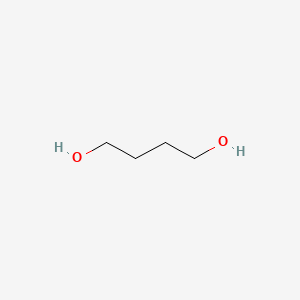
![1,4-Butanediol丨CAS 110-63-4]() 1,4-Butanediol丨CAS 110-63-4CAS No.: 110-63-4read more
1,4-Butanediol丨CAS 110-63-4CAS No.: 110-63-4read more
Product Name: 1,4-Butanediol
Molecular Formula: C4H10O2
Molecular Weight:... -
![FDCA丨CAS 3238-40-2]() FDCA丨CAS 3238-40-2Catalog No.: SS098300read more
FDCA丨CAS 3238-40-2Catalog No.: SS098300read more
CAS No.: 3238-40-2
Purity(HPLC): 99.9%min.
Product Name:... -
![Sodium Dodecyl Sulfate丨CAS 151-21-3]() Sodium Dodecyl Sulfate丨CAS 151-21-3CAS No.: 151-21-3read more
Sodium Dodecyl Sulfate丨CAS 151-21-3CAS No.: 151-21-3read more
Assay/Grade: EP11/99%min/95%min/CP2020
Product Name: Sodium dodecyl... -
![Glycerol丨CAS 56-81-5]() Glycerol丨CAS 56-81-5CAS No.: 56-81-5read more
Glycerol丨CAS 56-81-5CAS No.: 56-81-5read more
Grade: API/Injection/Pharmaceutical/Food/Industrial
Product Name:... -
![Cesium Carbonate丨CAS 534-17-8]() Cesium Carbonate丨CAS 534-17-8CAS No.: 534-17-8read more
Cesium Carbonate丨CAS 534-17-8CAS No.: 534-17-8read more
Assay: 99.9%min
Product Name: Cesium carbonate
Molecular Formula: Cs2CO3... -
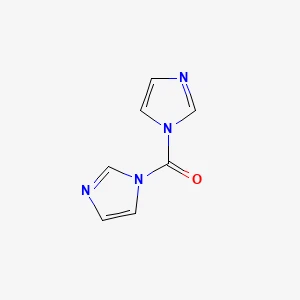
![1,1'-Carbonyldiimidazole丨CAS 530-62-1]() 1,1'-Carbonyldiimidazole丨CAS 530-62-1Catalog No.: SS080884read more
1,1'-Carbonyldiimidazole丨CAS 530-62-1Catalog No.: SS080884read more
CAS No.: 530-62-1
Assay(T): 98%min
Product Name:... -
![Palladium丨CAS 7440-05-3]() Palladium丨CAS 7440-05-3Catalog No.: SS067788read more
Palladium丨CAS 7440-05-3Catalog No.: SS067788read more
CAS No.: 7440-05-3
Assay(Pd): 10% Pd/C on dry basis.
Product Name:... -
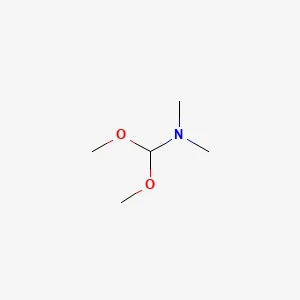
![N,N-Dimethylformamide Dimethyl Acetal丨CAS 4637-24-5]() N,N-Dimethylformamide Dimethyl Acetal丨CAS 4637-24-5Catalog No.: SS036295read more
N,N-Dimethylformamide Dimethyl Acetal丨CAS 4637-24-5Catalog No.: SS036295read more
CAS No.: 4637-24-5
Assay: 98%min
Product Name: N,N-Dimethylformamide...


Send Inquiry