


Catalog No.: SS087082
CAS No.: 84380-01-8
Purity: 99.5%min.
Product Name: alpha-Arbutin
Certifications: Halal; Kosher
Molecular Formula: C12H16O7
Molecular Weight: 272.25
Synonym(s):...
Product Introduction
Cosmetic chemicals are the essential building blocks used in a wide range of beauty and personal care products. These chemicals serve various purposes, from enhancing texture and fragrance to ensuring the product's stability and effectiveness. Whether derived from natural sources or synthesized in labs, cosmetic chemicals are critical to delivering the desired results in skincare, haircare, and makeup products.
-
![Alpha-Arbutin丨CAS 84380-01-8]()
-
![2,3-Butanediol丨CAS 513-85-9]() 2,3-Butanediol丨CAS 513-85-9CAS No.: 513-85-9read more
2,3-Butanediol丨CAS 513-85-9CAS No.: 513-85-9read more
Product Name: 2,3-Butanediol
Molecular Formula: C4H10O2
Molecular Weight: 90.12
Synonym(s): Butane-2,3-diol -
![Glyceryl 1-monooctanoate丨CAS 26402-26-6]() Glyceryl 1-monooctanoate丨CAS 26402-26-6CAS No.: 26402-26-6read more
Glyceryl 1-monooctanoate丨CAS 26402-26-6CAS No.: 26402-26-6read more
Product Name: Glyceryl 1-monooctanoate
Molecular Formula: C11H22O4
Molecular Weight: 218.29
Synonym(s): Monoctanoin -
![Capryloyl Glycine丨CAS 14246-53-8]() Capryloyl Glycine丨CAS 14246-53-8CAS No.: 14246-53-8read more
Capryloyl Glycine丨CAS 14246-53-8CAS No.: 14246-53-8read more
Product Name: Capryloyl Glycine
Molecular Formula: C10H19NO3
Molecular Weight: 201.26
Synonym(s): N-(1-Oxooctyl)glycine -
![Sodium Iodate丨CAS 7681-55-2]() Sodium Iodate丨CAS 7681-55-2Catalog No.: SS145443read more
Sodium Iodate丨CAS 7681-55-2Catalog No.: SS145443read more
CAS No.: 7681-55-2
Assay: 99% min
Product Name: Sodium iodate
Molecular Formula: NaIO3
Molecular Weight: 197.89 -
![Emodin丨CAS 518-82-1]() Emodin丨CAS 518-82-1Catalog No.: SS100499read more
Emodin丨CAS 518-82-1Catalog No.: SS100499read more
CAS No.: 518-82-1
Purity(HPLC): 95% min.
Product Name: Emodin
Molecular Formula: C15H10O5
Molecular Weight: 270.24
Synonym(s): 1,3,8-Trihydroxy-6-methylanthraquinone -
![Poncirin丨CAS 14941-08-3]() Poncirin丨CAS 14941-08-3Catalog No.: SS103025read more
Poncirin丨CAS 14941-08-3Catalog No.: SS103025read more
CAS No.: 14941-08-3
Purity: 98% min.
Product Name: Poncirin
Molecular Formula: C28H34O14
Molecular Weight: 594.6
Synonym(s): Isosakuranetin-7-O-neohesperidoside -
![Menthyl Acetate丨CAS 89-48-5]() Menthyl Acetate丨CAS 89-48-5Catalog No.: SS145288read more
Menthyl Acetate丨CAS 89-48-5Catalog No.: SS145288read more
CAS No.: 89-48-5
Chromatographic Purity By GC: 99%min
Product Name: Menthyl acetate
Molecular Formula: C12H22O2
Molecular Weight: 198.3
Synonym(s): Cyclohexanol,... -
![Methyl Cyclopentenolone丨CAS 80-71-7]() Methyl Cyclopentenolone丨CAS 80-71-7Catalog No.: SS129437read more
Methyl Cyclopentenolone丨CAS 80-71-7Catalog No.: SS129437read more
CAS No.: 80-71-7
Purity: 95%min
Product Name: Methyl cyclopentenolone
Molecular Formula: C6H8O2
Molecular Weight: 112.13
Synonym(s):... -
![Hexaglycerol丨CAS 36675-34-0]() Hexaglycerol丨CAS 36675-34-0Catalog No.: SS145221read more
Hexaglycerol丨CAS 36675-34-0Catalog No.: SS145221read more
CAS No.: 36675-34-0
Effective mass content: 95%min
Product Name: Hexaglycerol
Molecular Formula: C18H38O13
Molecular Weight: 462.5 -
![Tetraglycerol丨CAS 56491-53-3]() Tetraglycerol丨CAS 56491-53-3Catalog No.: SS141016read more
Tetraglycerol丨CAS 56491-53-3Catalog No.: SS141016read more
CAS No.: 56491-53-3
Effective content: 99%min
Product Name: Tetraglycerol
Molecular Formula: C12H32O12
Molecular Weight: 368.38 -
![Lomefloxacin Hydrochloride丨CAS 98079-52-8]() Lomefloxacin Hydrochloride丨CAS 98079-52-8Catalog No.: SS067093read more
Lomefloxacin Hydrochloride丨CAS 98079-52-8Catalog No.: SS067093read more
CAS No.: 98079-52-8
Assay(based on dried product): 98.5% min.
Product Name: Lomefloxacin hydrochloride
Molecular Formula: C17H19F2N3O3.HCl
Molecular Weight: 387.81


Product advantages and features
Customized Formulations
They allow for the creation of customized formulations tailored to meet various skin types, concerns, and preferences, from anti-aging serums to sensitive skin moisturizers.
Effective Preservatives
They include effective preservatives that protect products from microbial contamination, ensuring safety and longevity.
Advanced Active Ingredients
Active ingredients like retinoids, peptides, and antioxidants target specific skin issues, providing solutions for anti-aging, acne treatment, and skin brightening.
Consistent Quality
Cosmetic chemicals are produced under strict quality control standards, ensuring consistency and reliability in the performance and safety of products.
Innovation and Trends
Cosmetic chemicals drive innovation and incorporate the latest trends, ensuring that products meet current consumer preferences and technological advancements.
Product type
Cosmetic chemicals are essential for formulating effective and safe personal care products. They fall into several key categories, each serving a specific purpose in product development
01/
Preservatives (are used to prevent microbial growth and extend the shelf life of products): Parabens, Phenoxyethanol, Sorbic Acid.
02/
Emollients (are used to soften and smooth the skin by forming a barrier that locks in moisture): Oils (jojoba, almond, and argan oil), Butters, Silicones.
03/
Emulsifiers (are used to stabilize and blend oil and water-based ingredients, creating a consistent product texture): Lecithin, Polysorbates, Gums.
04/
Surfactants (are used to lower the surface tension between liquids, aiding in cleansing and foaming): Anionic Surfactants (SLS, SLES), Nonionic Surfactants, Cationic Surfactants.
05/
Active Ingredients (are used to provide targeted benefits such as anti-aging, brightening, or acne treatment): Antioxidants (Vitamin C, Vitamin E, green tea extract), Retinoids, Alpha Hydroxy Acids (AHAs).
06/
Fragrances (are used to provide a pleasant scent and enhance the sensory experience of cosmetic products): Synthetic Fragrances, Essential Oils, Fragrance-Free.
Application of the product
Cosmetic chemicals are versatile and used across various product categories:
1. Skincare Products
Enhance hydration, exfoliation, and anti-aging effects. Ingredients like hyaluronic acid and retinoids target specific skin concerns.
2. Haircare Products
Improve texture and manageability. Surfactants and conditioning agents are used in shampoos and conditioners for cleansing and detangling.
3. Makeup
Provide color, texture, and longevity. Colorants and emollients are key in foundations, lipsticks, and eye shadows.
4. Sunscreens
Protect against UV damage using UV filters like zinc oxide and titanium dioxide.
5. Body Care
Offer moisturizing and soothing benefits in lotions and body washes using emollients and fragrance chemicals.
Material of the product
Cosmetic chemicals are formulated from various materials, each serving specific functions:
1
Active Ingredients: These provide targeted benefits, such as hydration, anti-aging, or acne treatment. Examples include hyaluronic acid, retinol, and salicylic acid.
2
Emollients: Materials like oils (e.g., jojoba, argan) and butters (e.g., shea, cocoa) are used to soften and smooth the skin.
3
Surfactants: Ingredients like sodium lauryl sulfate and decyl glucoside aid in cleansing and foaming.
4
Emulsifiers: Materials such as lecithin and polysorbates help blend oil and water-based components, ensuring product consistency.
5
Preservatives: Chemicals like phenoxyethanol and parabens prevent microbial growth, extending product shelf life.
6
Colorants and Fragrances: Synthetic dyes, pigments, and natural essential oils are used to enhance visual appeal and scent.
7
Stabilizers and Thickeners: Ingredients such as xanthan gum and silica are used to maintain product texture and stability.
Production process or procedure
The manufacturing process of cosmetic chemicals involves several stages, each critical for ensuring product quality and consistency. First, raw materials are sourced and carefully tested for purity. Next, the chemicals are blended and emulsified using precise formulations, ensuring that they achieve the desired texture, stability, and efficacy. Advanced equipment and processes, such as homogenization, are employed to create uniform mixtures. Finally, rigorous quality control tests are performed to guarantee that the final product meets both safety standards and performance criteria before being packaged and distributed.
Components of the product
Oils and Butters
These hydrating components, like shea butter and jojoba oil, provide moisture and create a protective layer on the skin.
Silicones
Widely used for creating smooth textures, silicones like dimethicone help products glide easily and leave a silky finish.
Preservatives
Chemicals like parabens or phenoxyethanol prevent microbial growth, ensuring that the product remains safe and effective over time.
Fragrances
Essential oils or synthetic fragrances are added to give products a pleasant scent, enhancing the overall user experience.
Active chemicals
These include chemicals like retinoids or hyaluronic acid that deliver targeted benefits such as anti-aging, brightening, or hydration.
Product maintenance and precautions
To ensure the effectiveness and safety of cosmetic chemicals, follow these maintenance tips:
Storage
Keep products in a cool, dry place away from direct sunlight and heat. High temperatures and humidity can degrade chemicals.
Sealing
Ensure containers are tightly sealed after use to prevent contamination and evaporation.
Expiration Dates
Adhere to expiration dates and discard products past their prime to avoid using ineffective or potentially harmful chemicals.
Hygiene
Use clean applicators and avoid direct contact with the product to minimize contamination.
Labeling
Follow usage instructions on labels and avoid mixing products unless directed by a professional.
Patch Testing
Always conduct a patch test before using a new product to check for adverse reactions.
Company advantages
Our Focus on Quality & Customer Experience
We dedicate to delivering high-quality products and exceptional customer service beyond your expectation.
Comprehensive Product Range:
Extensive catalog of over 27,000 chemicals for diverse industries, offering both standard compounds and specialized solutions.
Strong Industry Expertise
Our experienced diverse team provides expert guidance, staying current with industry trends to deliver optimal chemical solutions tailored to your needs.
Competitive Pricing & Reliability
Competitive pricing and reliable deliveries ensure cost-effective, efficient supply chains without compromising quality.
How to collaborate with us
Partnering with LEAPChem gives you access to the expertise of a leading company with 18 years of experience in the chemical industry. We offer over 27,000 chemical substances tailored to meet diverse needs. All our products adhere to industry standards and are accompanied by the necessary certifications.
We collaborate with a wide range of partners, including:
• Research Laboratories
• Pharmaceutical Companies
• Cosmetics Manufacturers
• Electronics Manufacturers
• Chemical Manufacturers
• Universities and Colleges Worldwide
• And more.
We specialize in helping our clients find the right chemical solutions tailored to their specific requirements. Additionally, we provide custom synthesis services to meet the unique needs of our partners. Whether you need bulk quantities for industrial processes or small batches for specialized applications, we’ve got you covered.
If you are looking for a reliable chemical supplier, we would be delighted to hear from you. Please send your inquiry or project details to sales@leapchem.com. Our professional team is eager to collaborate with you and help achieve your goals.
FAQ
Q: What are cosmetic chemicals?
A: Cosmetic chemicals are substances used in the formulation of cosmetic and personal care products. They include ingredients like emollients, surfactants, preservatives, and active agents that provide texture, stability, and performance.
Q: Are cosmetic chemicals safe to use?
A: Yes, cosmetic chemicals are extensively tested for safety and regulated by authorities like the FDA and EU. Reputable manufacturers use safe concentrations within the industry guidelines.
Q: What are the common categories of cosmetic chemicals?
A: Cosmetic chemicals fall into several categories including preservatives, emollients, emulsifiers, surfactants, fragrances, and colorants.
Q: What is the role of preservatives in cosmetics?
A: Preservatives prevent the growth of bacteria, mold, and yeast in cosmetic products, ensuring they remain safe and effective throughout their shelf life.
Q: What are parabens and why are they used?
A: Parabens are preservatives used in cosmetics to prevent the growth of harmful bacteria and mold. They are widely used because of their effectiveness and stability.
Q: Are there paraben-free alternatives for preservatives?
A: Yes, alternatives like phenoxyethanol, benzyl alcohol, and potassium sorbate are commonly used in paraben-free formulations.
Q: What are surfactants and how are they used in cosmetics?
A: Surfactants are chemicals that reduce surface tension, allowing products to spread evenly. They are used in cleansers, shampoos, and soaps for their lathering and cleansing properties.
Q: What are emulsifiers in cosmetics?
A: Emulsifiers are ingredients that help blend oil and water-based components, ensuring a consistent and stable product texture, common in lotions and creams.
Q: Are synthetic fragrances safe in cosmetics?
A: Synthetic fragrances are safe when used within recommended guidelines. However, some people may be sensitive to them, which is why fragrance-free or hypoallergenic options are available.
Q: What are active ingredients in cosmetic products?
A: Active ingredients are substances that provide a specific benefit, like anti-aging, moisturizing, or acne treatment. Examples include hyaluronic acid, retinol, and salicylic acid.
Q: What are the environmental impacts of cosmetic chemicals?
A: Some cosmetic chemicals can have environmental impacts, especially if they are non-biodegradable or toxic to marine life. Companies are increasingly adopting eco-friendly and sustainable alternatives.
Q: What are silicones and why are they used in cosmetics?
A: Silicones are smooth, water-resistant ingredients used for their ability to give products a silky feel, enhance spreadability, and create a barrier on the skin or hair.
Q: What is the role of antioxidants in cosmetics?
A: Antioxidants like Vitamin C and E are used in cosmetics to protect skin from damage caused by free radicals, which contribute to aging and other skin issues.
Q: What is the significance of pH in cosmetic formulations?
A: The pH level in cosmetic formulations is critical as it affects product stability and skin compatibility. Products are typically formulated to be pH-balanced for skin health.
Q: Are there vegan cosmetic chemicals?
A: Yes, vegan cosmetic chemicals are free from animal-derived ingredients. These formulations use plant-based or synthetic alternatives and are often labeled as vegan.
Q: How can I ensure the quality of cosmetic chemicals?
A: Ensure the quality of cosmetic chemicals by sourcing from reputable suppliers that provide certifications like ISO, GMP, and detailed safety data sheets (SDS).
Hangzhou Leap Chem Co., Ltd. is well-known as one of the leading cosmetic chemicals manufacturers and suppliers in China, also supports custom service. We warmly welcome you to wholesale bulk high quality cosmetic chemicals from our factory.
Popular Products
-
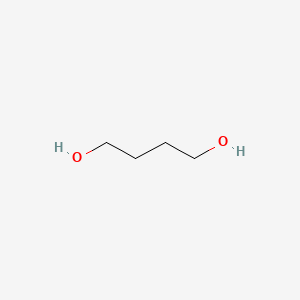
![1,4-Butanediol丨CAS 110-63-4]() 1,4-Butanediol丨CAS 110-63-4CAS No.: 110-63-4read more
1,4-Butanediol丨CAS 110-63-4CAS No.: 110-63-4read more
Product Name: 1,4-Butanediol
Molecular Formula: C4H10O2
Molecular Weight:... -
![FDCA丨CAS 3238-40-2]() FDCA丨CAS 3238-40-2Catalog No.: SS098300read more
FDCA丨CAS 3238-40-2Catalog No.: SS098300read more
CAS No.: 3238-40-2
Purity(HPLC): 99.9%min.
Product Name:... -
![Sodium Dodecyl Sulfate丨CAS 151-21-3]() Sodium Dodecyl Sulfate丨CAS 151-21-3CAS No.: 151-21-3read more
Sodium Dodecyl Sulfate丨CAS 151-21-3CAS No.: 151-21-3read more
Assay/Grade: EP11/99%min/95%min/CP2020
Product Name: Sodium dodecyl... -
![Glycerol丨CAS 56-81-5]() Glycerol丨CAS 56-81-5CAS No.: 56-81-5read more
Glycerol丨CAS 56-81-5CAS No.: 56-81-5read more
Grade: API/Injection/Pharmaceutical/Food/Industrial
Product Name:... -
![Cesium Carbonate丨CAS 534-17-8]() Cesium Carbonate丨CAS 534-17-8CAS No.: 534-17-8read more
Cesium Carbonate丨CAS 534-17-8CAS No.: 534-17-8read more
Assay: 99.9%min
Product Name: Cesium carbonate
Molecular Formula: Cs2CO3... -
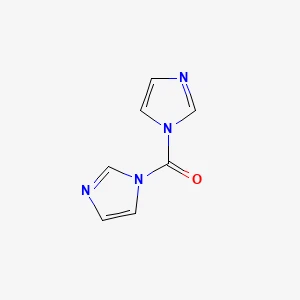
![1,1'-Carbonyldiimidazole丨CAS 530-62-1]() 1,1'-Carbonyldiimidazole丨CAS 530-62-1Catalog No.: SS080884read more
1,1'-Carbonyldiimidazole丨CAS 530-62-1Catalog No.: SS080884read more
CAS No.: 530-62-1
Assay(T): 98%min
Product Name:... -
![Palladium丨CAS 7440-05-3]() Palladium丨CAS 7440-05-3Catalog No.: SS067788read more
Palladium丨CAS 7440-05-3Catalog No.: SS067788read more
CAS No.: 7440-05-3
Assay(Pd): 10% Pd/C on dry basis.
Product Name:... -
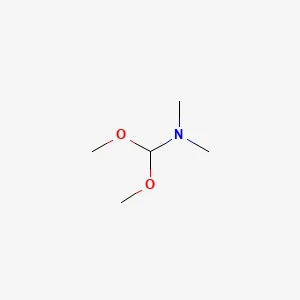
![N,N-Dimethylformamide Dimethyl Acetal丨CAS 4637-24-5]() N,N-Dimethylformamide Dimethyl Acetal丨CAS 4637-24-5Catalog No.: SS036295read more
N,N-Dimethylformamide Dimethyl Acetal丨CAS 4637-24-5Catalog No.: SS036295read more
CAS No.: 4637-24-5
Assay: 98%min
Product Name: N,N-Dimethylformamide...


Send Inquiry