


Catalog No.: SS133798
CAS No.: 104206-82-8
Assay: 95.0% min
Product Name: Mesotrione
Molecular Formula: C14H13NO7S
Molecular Weight: 339.32
Synonym(s):...
Product Introduction
Herbicides are chemical substances specifically formulated to control or eliminate unwanted plants, commonly known as weeds. These chemicals play a crucial role in agriculture by helping farmers protect crops from weed competition, allowing the plants to grow more efficiently and yield higher outputs. By reducing the need for manual weeding and ensuring healthier crops, herbicides significantly contribute to the productivity and sustainability of modern farming.
-
![Mesotrione丨CAS 104206-82-8]()
-
![Chlorimuron-ethyl丨CAS 90982-32-4]() Chlorimuron-ethyl丨CAS 90982-32-4Catalog No.: SS124145read more
Chlorimuron-ethyl丨CAS 90982-32-4Catalog No.: SS124145read more
CAS No.: 90982-32-4
Content: 95.0%min
Product Name: Chlorimuron-ethyl
Molecular Formula: C15H15ClN4O6S
Molecular Weight: 414.82
Synonym(s): Chlorimuron ethyl ester -
![Cyhalofop-butyl丨CAS 122008-85-9]() Cyhalofop-butyl丨CAS 122008-85-9Catalog No.: SS012353read more
Cyhalofop-butyl丨CAS 122008-85-9Catalog No.: SS012353read more
CAS No.: 122008-85-9
Assay(R): 96%min
Product Name: Cyhalofop-butyl
Molecular Formula: C20H20FNO4
Molecular Weight: 357.37
Synonym(s):... -
![Clomazone丨CAS 81777-89-1]() Clomazone丨CAS 81777-89-1Catalog No.: SS006162read more
Clomazone丨CAS 81777-89-1Catalog No.: SS006162read more
CAS No.: 81777-89-1
Content(W/W): 93% min
Product Name: Clomazone
Molecular Formula: C12H14ClNO2
Molecular Weight: 239.7 -
![Dicamba丨CAS 1918-00-9]() Dicamba丨CAS 1918-00-9Catalog No.: SS130137read more
Dicamba丨CAS 1918-00-9Catalog No.: SS130137read more
CAS No.: 1918-00-9
Content of active ingredient: 96% min.
Product Name: Dicamba
Molecular Formula: C8H6Cl2O3
Molecular Weight: 221.04
Synonym(s):... -
![Glyphosate丨CAS 1071-83-6]() Glyphosate丨CAS 1071-83-6Catalog No.: SS119055read more
Glyphosate丨CAS 1071-83-6Catalog No.: SS119055read more
CAS No.: 1071-83-6
Content of Active Ingredient: 95%min.
Product Name: Glyphosate
Molecular Formula: C3H8NO5P
Molecular Weight: 169.07
Synonym(s): N-(Phosphonomethyl)glycine -
![Pretilachlor丨CAS 51218-49-6]() Pretilachlor丨CAS 51218-49-6Catalog No.: SS116616read more
Pretilachlor丨CAS 51218-49-6Catalog No.: SS116616read more
CAS No.: 51218-49-6
Assay: 95%min
Product Name: Pretilachlor
Molecular Formula: C17H26ClNO2
Molecular Weight: 311.85
Synonym(s):... -
![Acetochlor丨CAS 34256-82-1]() Acetochlor丨CAS 34256-82-1Catalog No.: SS118733read more
Acetochlor丨CAS 34256-82-1Catalog No.: SS118733read more
CAS No.: 34256-82-1
Assay: 90% min
Product Name: Acetochlor
Molecular Formula: C14H20ClNO2
Molecular Weight: 269.77
Synonym(s):... -
![2,4-Dichlorophenoxyacetic Acid丨CAS 94-75-7]() 2,4-Dichlorophenoxyacetic Acid丨CAS 94-75-7Catalog No.: SS108042read more
2,4-Dichlorophenoxyacetic Acid丨CAS 94-75-7Catalog No.: SS108042read more
CAS No.: 94-75-7
Assay: 97%min.
Product Name: 2,4-Dichlorophenoxyacetic acid
Molecular Formula: Cl2C6H3OCH2CO2H
Molecular Weight: 221.04
Synonym(s): 2,4-Dichlorophenoxyacetic acid -
![Dimethyl Carbonate丨CAS 616-38-6]() Dimethyl Carbonate丨CAS 616-38-6Catalog No.: SS127492read more
Dimethyl Carbonate丨CAS 616-38-6Catalog No.: SS127492read more
CAS No.: 616-38-6
Assay: 99.9%min
Product Name: Dimethyl carbonate
Molecular Formula: C3H6O3
Molecular Weight: 90.08
Synonym(s): Methyl carbonate; Carbonic acid dimethyl... -
![Atrazine丨CAS 1912-24-9]() Atrazine丨CAS 1912-24-9Catalog No.: SS004192read more
Atrazine丨CAS 1912-24-9Catalog No.: SS004192read more
CAS No.: 1912-24-9
Assay: 97%min.
Product Name: Atrazine
Certifications: ISO9001
Molecular Formula: C8H14ClN5
Molecular Weight: 215.68
Synonym(s): Gesaprim;... -
![Monolinuron丨CAS 1746-81-2]() Monolinuron丨CAS 1746-81-2Catalog No.: SS010760read more
Monolinuron丨CAS 1746-81-2Catalog No.: SS010760read more
CAS No.: 1746-81-2
Purity (HPLC): 99.0%min.
Product Name: Monolinuron
Molecular Formula: C9H11ClN2O2
Molecular Weight: 214.65
Synonym(s):...


Product Advantages And Features
Effective Weed Control
Herbicides efficiently eliminate weeds that compete with crops for nutrients, water, and sunlight, boosting overall crop productivity.
Increased Crop Yield
By reducing weed pressure, herbicides enable crops to thrive, resulting in higher yields and better-quality produce.
Labor and Time Savings
Using herbicides minimizes the need for labor-intensive manual weeding, freeing up time and reducing costs for farmers.
Selective and Non-Selective Options
Herbicides are available in selective formulations that target specific weeds without harming crops, as well as non-selective formulations that kill all vegetation.
Improved Soil Health
By minimizing mechanical tillage for weed control, herbicides help preserve soil structure and reduce erosion, contributing to long-term soil fertility.
Product Type
1
Selective Herbicides: Selective herbicides target specific weed species while leaving crops unharmed, making them ideal for crop protection without damaging desirable plants.
2
Non-Selective Herbicides: Non-selective herbicides kill all vegetation, both weeds and crops. These are often used for clearing land or controlling weeds in non-crop areas.
3
Pre-Emergent Herbicides: Applied before weed seeds germinate, pre-emergent herbicides prevent the emergence of new weeds by inhibiting seedling growth.
4
Post-Emergent Herbicides: These herbicides are applied after weeds have emerged, killing actively growing weeds by disrupting their biological processes.
5
Contact Herbicides: Contact herbicides kill weeds by damaging the plant's surface tissues upon contact. They are fast-acting but typically require thorough coverage.
6
Systemic Herbicides: Systemic herbicides are absorbed by the weed and translocated throughout the plant, killing it from the inside out. These are effective for perennial weeds with deep root systems.
7
Herbicide-Tolerant Crops: Some crops are genetically modified to tolerate specific herbicides, allowing farmers to use powerful weed control measures without harming the crop itself.
Application Of The Product
1. Row Crops
Herbicides are widely used in the cultivation of row crops like corn, soybeans, and wheat to control weeds that would otherwise reduce yields.
2. Orchards and Vineyards
Herbicides help manage weeds around fruit trees and grapevines, promoting healthy growth without competition from unwanted plants.
3. Vegetable Gardens
In commercial vegetable farming, herbicides are crucial for keeping weeds at bay, ensuring that crops like tomatoes, lettuce, and carrots receive the nutrients they need.
4. Public Spaces and Lawns
Herbicides are used to control weeds in parks, sports fields, and residential lawns, keeping these areas clear of invasive plants and improving their aesthetic appeal.
5. Forestry
Herbicides are sometimes used in forest management to control invasive plant species and encourage the growth of desired tree species in reforestation projects.
Material Of The Product
The active ingredients in herbicides vary based on the type and application but may include:
Glyphosate
A common non-selective herbicide used to kill all plants, often in preparation for planting.
Atrazine
A selective herbicide used primarily in corn crops to control broadleaf and grassy weeds.
2,4-D
A selective herbicide that targets broadleaf weeds without harming grasses, used in both agriculture and lawn care.
Paraquat
A fast-acting contact herbicide used for controlling weeds in fruit orchards and other non-crop areas.
Production Process Or Procedure
01.
Active Ingredient Synthesis
The active ingredients of herbicides are chemically synthesized in labs, where their potency and environmental safety are rigorously tested.
02.
Formulation
Herbicides are formulated by combining active ingredients with carriers, surfactants, and other substances that improve their application and effectiveness.
03.
Quality Control
Before herbicides are distributed, they undergo thorough quality control checks to ensure consistent performance and safety.
04.
Packaging
The final product is packaged in containers designed to protect it from environmental factors and ensure safe handling during transportation and use.
Components Of The Product
The company conducted a competitive advantage analysis to identify its strengths and weaknesses compared to its rivals.
Active Ingredient
The chemical compound responsible for killing or inhibiting weed growth, such as glyphosate or 2,4-D.
Surfactants
These are added to help the herbicide spread more evenly over plant surfaces, ensuring effective coverage and absorption.
Solvents
Used to dissolve or dilute the active ingredient, making it easier to apply.
Stabilizers
These prevent the degradation of the herbicide during storage, ensuring it remains effective over time.
Carriers
Often water or oil-based substances that allow the herbicide to be applied evenly across large areas.
Product Maintenance And Precautions
1. Proper Storage
Store herbicides in a cool, dry place, away from direct sunlight and moisture to preserve their effectiveness.
2. Follow Usage Instructions
Always follow the recommended application rates and instructions on the label to avoid overuse or harm to crops and the environment.
3. Check Expiration Dates
Herbicides have a shelf life. Always use them before they expire to ensure optimal performance.
4. Avoid Contamination
Keep herbicides sealed tightly and stored separately from food and water supplies to prevent contamination.
5. Safe Disposal
Dispose of unused or expired herbicides according to local regulations to avoid harming the environment.
Company Advantages
Our Focus on Quality & Customer Experience
We dedicate to delivering high-quality products and exceptional customer service beyond your expectation.
Comprehensive Product Range
Extensive catalog of over 27,000 chemicals for diverse industries, offering both standard compounds and specialized solutions.
Strong Industry Expertise
Our experienced diverse team provides expert guidance, staying current with industry trends to deliver optimal chemical solutions tailored to your needs.
Competitive Pricing & Reliability
Competitive pricing and reliable deliveries ensure cost-effective, efficient supply chains without compromising quality.
How To Collaborate With Us
Partnering with LEAPChem gives you access to the expertise of a leading company with 18 years of experience in the chemical industry. We offer over 27,000 chemical substances tailored to meet diverse needs. All our products adhere to industry standards and are accompanied by the necessary certifications.
We collaborate with a wide range of partners, including:
• Research Laboratories
• Pharmaceutical Companies
• Cosmetics Manufacturers
• Electronics Manufacturers
• Chemical Manufacturers
• Universities and Colleges Worldwide
• And more.
We specialize in helping our clients find the right chemical solutions tailored to their specific requirements. Additionally, we provide custom synthesis services to meet the unique needs of our partners. Whether you need bulk quantities for industrial processes or small batches for specialized applications, we've got you covered.
If you are looking for a reliable chemical supplier, we would be delighted to hear from you. Please send your inquiry or project details to sales@leapchem.com. Our professional team is eager to collaborate with you and help achieve your goals.
FAQ
Q: What are herbicides used for?
A: Herbicides are used to control or eliminate unwanted plants (weeds) in agricultural fields, lawns, public spaces, and other areas where weed control is necessary.
Q: What is the difference between selective and non-selective herbicides?
A: Selective herbicides target specific types of weeds without harming crops, while non-selective herbicides kill all vegetation in the treated area.
Q: When should I apply herbicides?
A: Pre-emergent herbicides should be applied before weeds germinate, while post-emergent herbicides are applied after weeds have started growing.
Q: Are herbicides safe for the environment?
A: When used correctly, modern herbicides are designed to minimize environmental impact. However, improper use can harm non-target plants, wildlife, and water sources.
Q: How do systemic herbicides work?
A: Systemic herbicides are absorbed by the weed and travel through its vascular system, killing the entire plant, including the roots.
Q: Can I use herbicides in organic farming?
A: Synthetic herbicides are not allowed in organic farming, but there are organic herbicide options made from natural substances like vinegar or essential oils.
Q: How long do herbicides take to work?
A: Some herbicides show effects within hours (e.g., contact herbicides), while systemic herbicides may take several days to kill weeds completely.
Q: Are herbicides harmful to animals?
A: Herbicides can be harmful if ingested by animals. It's important to keep animals away from treated areas until the herbicide has dried or as directed by the label.
Q: Can herbicides affect crops?
A: Selective herbicides are designed to target weeds without harming crops. Non-selective herbicides, however, can damage or kill any plants they come into contact with.
Q: How can I prevent herbicide resistance?
A: To prevent herbicide-resistant weeds from developing, rotate between different types of herbicides and integrate other weed management practices, such as crop rotation.
Q: Can I mix herbicides with other agrochemicals?
A: Some herbicides can be mixed with fertilizers or pesticides, but always check the product labels for compatibility and follow guidelines to avoid negative interactions.
Q: What is herbicide drift?
A: Herbicide drift occurs when herbicides are carried by wind to non-target areas, potentially damaging other crops or plants. Always apply herbicides in calm weather to prevent drift.
Q: How should I store herbicides?
A: Store herbicides in their original containers in a cool, dry, and well-ventilated area, away from food, water, and animals.
Q: Are herbicides safe for human health?
A: When used according to the manufacturer’s instructions, herbicides are safe for human health. Always wear protective gear and avoid direct contact during application.
Q: Can I replant immediately after using herbicides?
A: For non-selective herbicides, you may need to wait a period of time before replanting, as they can affect seed germination. Check the label for specific replanting guidelines.
Q: What are pre-emergent herbicides?
A: Pre-emergent herbicides are applied to soil before weed seeds germinate, preventing them from growing into mature plants.
Q: Do herbicides affect soil health?
A: Some herbicides can remain in the soil for a period, potentially affecting soil organisms. However, many modern herbicides are designed to break down quickly, reducing long-term impact.
Hangzhou Leap Chem Co., Ltd. is well-known as one of the leading herbicides manufacturers and suppliers in China, also supports custom service. We warmly welcome you to wholesale bulk high quality herbicides from our factory.
CAS 1912 24 9, 616-38-6, MonolinuronPopular Products
-
![FDCA丨CAS 3238-40-2]() FDCA丨CAS 3238-40-2Catalog No.: SS098300read more
FDCA丨CAS 3238-40-2Catalog No.: SS098300read more
CAS No.: 3238-40-2
Purity(HPLC): 99.9%min.
Product Name:... -
![Sodium Dodecyl Sulfate丨CAS 151-21-3]() Sodium Dodecyl Sulfate丨CAS 151-21-3CAS No.: 151-21-3read more
Sodium Dodecyl Sulfate丨CAS 151-21-3CAS No.: 151-21-3read more
Assay/Grade: EP11/99%min/95%min/CP2020
Product Name: Sodium dodecyl... -
![Glycerol丨CAS 56-81-5]() Glycerol丨CAS 56-81-5CAS No.: 56-81-5read more
Glycerol丨CAS 56-81-5CAS No.: 56-81-5read more
Grade: API/Injection/Pharmaceutical/Food/Industrial
Product Name:... -
![Cesium Carbonate丨CAS 534-17-8]() Cesium Carbonate丨CAS 534-17-8CAS No.: 534-17-8read more
Cesium Carbonate丨CAS 534-17-8CAS No.: 534-17-8read more
Assay: 99.9%min
Product Name: Cesium carbonate
Molecular Formula: Cs2CO3... -
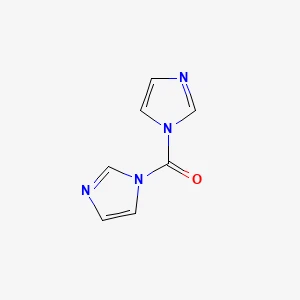
![1,1'-Carbonyldiimidazole丨CAS 530-62-1]() 1,1'-Carbonyldiimidazole丨CAS 530-62-1Catalog No.: SS080884read more
1,1'-Carbonyldiimidazole丨CAS 530-62-1Catalog No.: SS080884read more
CAS No.: 530-62-1
Assay(T): 98%min
Product Name:... -
![Palladium丨CAS 7440-05-3]() Palladium丨CAS 7440-05-3Catalog No.: SS067788read more
Palladium丨CAS 7440-05-3Catalog No.: SS067788read more
CAS No.: 7440-05-3
Assay(Pd): 10% Pd/C on dry basis.
Product Name:... -
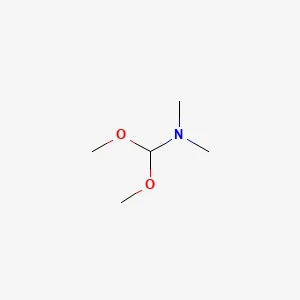
![N,N-Dimethylformamide Dimethyl Acetal丨CAS 4637-24-5]() N,N-Dimethylformamide Dimethyl Acetal丨CAS 4637-24-5Catalog No.: SS036295read more
N,N-Dimethylformamide Dimethyl Acetal丨CAS 4637-24-5Catalog No.: SS036295read more
CAS No.: 4637-24-5
Assay: 98%min
Product Name: N,N-Dimethylformamide... -
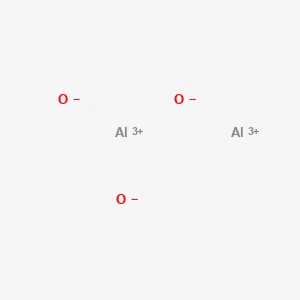
![Aluminum Oxide丨CAS 1344-28-1]() Aluminum Oxide丨CAS 1344-28-1Catalog No.: SS119815read more
Aluminum Oxide丨CAS 1344-28-1Catalog No.: SS119815read more
CAS No.: 1344-28-1
Purity: 99.99% min; Average particle size: 50nm...



Send Inquiry