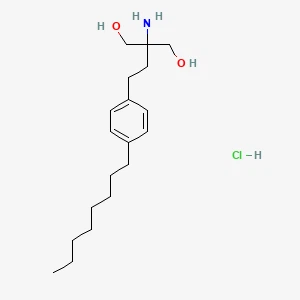

Hangzhou Leap Chem Co., Ltd. is one of the most professional manufacturers and suppliers of minocycline hydrochloride丨cas 13614-98-7 in China. Welcome to wholesale bulk high quality chemical products at competitive price from our factory. If you have any enquiry about custom service, please feel free to email us.
Specifications
| Grade | EP grade |
| Appearance | Yellow crystalline powder |
| Assay (calculated on anhydrous substance) | 94.5%-102.0% |
| Identification (IR) | IR absorption spectrum should correspond to reference substance |
| Chlorides | Positive |
| Appearance of solution | Clear, A450nm: 0.23 max |
| pH | 3.5-4.5 |
| Water | 5.0%-8.0% |
| RRT = 0.16 | 0.2% max |
| Any other impurity | 0.15% max |
| Total impurities | 3.5% max |
Applications
Minocycline hydrochloride is primarily used in medical therapy for treating bacterial infections caused by susceptible Gram-positive and Gram-negative bacteria. It is commonly prescribed for respiratory tract infections, skin and soft tissue infections, acne vulgaris, and certain sexually transmitted infections. Due to its high lipid solubility, minocycline demonstrates excellent penetration into skin tissues and central nervous system tissues, making it useful in neurological and dermatological treatments. Beyond antimicrobial use, it has been studied for anti-inflammatory and neuroprotective properties, particularly in research on neurodegenerative disorders and autoimmune diseases. In dermatology, it is frequently used in long-term acne management where anti-inflammatory activity is as important as antibacterial action. In pharmaceutical research, minocycline hydrochloride also serves as a model compound for studying tetracycline pharmacokinetics, drug resistance mechanisms, and protein synthesis inhibition pathways.
Benefits
One of the key advantages of minocycline hydrochloride is its broad-spectrum antibacterial efficacy combined with strong pharmacokinetic performance. Compared with earlier tetracyclines, it exhibits higher oral bioavailability and superior tissue distribution due to enhanced lipophilicity. The compound works by inhibiting bacterial protein synthesis through binding to the 30S ribosomal subunit, effectively suppressing bacterial growth. Its anti-inflammatory activity provides additional therapeutic benefits in chronic inflammatory skin and neurological conditions. Another advantage is its effectiveness against certain tetracycline-resistant bacterial strains, expanding its clinical utility. From a pharmaceutical formulation perspective, the hydrochloride salt form improves water solubility and improves drug stability, facilitating production of injectable and oral dosage forms. However, controlled dosage is important to minimize potential side effects such as dizziness, pigmentation changes, or gastrointestinal discomfort.
Conclusion
Minocycline hydrochloride is a highly valuable therapeutic antibiotic with strong antibacterial, anti-inflammatory, and tissue-penetrating properties. Its broad clinical applications, improved pharmacokinetics, and research value make it an important drug in modern medicine and pharmaceutical development. Continued research into its non-antibiotic pharmacological effects may further expand its therapeutic potential in future medical treatments.