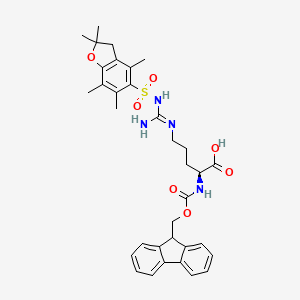
Hangzhou Leap Chem Co., Ltd. is one of the most professional manufacturers and suppliers of lactase丨cas 9031-11-2 in China. Welcome to wholesale bulk high quality chemical products at competitive price from our factory. If you have any enquiry about custom service, please feel free to email us.
Specifications
| Appearance | White to light brown powder |
| Activity | 100,000 ALU/g min |
| Water | 7.0% max |
| Lead (Pb) | 5 mg/kg max |
| Arsenic (As) | 3 mg/kg max |
| Total colony count | 50,000 CFU/g max |
| E. coli | 30 CFU/g max |
| Escherichia coli | 3.0 MPN/g max |
| Salmonella | Negative / 25 g |
| Total molds and yeasts | 50 CFU/g max |
Applications
Lactase is an enzyme widely used in the food, pharmaceutical, and biotechnology industries to hydrolyze lactose into glucose and galactose. Its primary application is in the production of lactose-free and low-lactose dairy products such as milk, yogurt, cheese, and ice cream, making these products suitable for lactose-intolerant consumers. In the pharmaceutical and nutraceutical sectors, lactase is formulated into dietary supplements and digestive aids to support lactose digestion. Lactase is also applied in food processing to improve sweetness, solubility, and fermentability of dairy ingredients, as well as in biotechnology and research settings for enzymatic studies and controlled carbohydrate conversion processes.
Benefits
Lactase offers significant advantages due to its high specificity, efficiency, and safety. By breaking down lactose, it helps prevent digestive discomfort associated with lactose intolerance, such as bloating, gas, and diarrhea. The enzyme improves the sensory properties of dairy products by enhancing sweetness and reducing crystallization issues. Lactase is effective under mild processing conditions, making it suitable for industrial-scale food production without compromising product quality. It is non-toxic, biodegradable, and compatible with various formulations, ensuring reliable performance in both consumer products and industrial applications.
Conclusion
Lactase is a valuable enzyme with broad applications in dairy processing, dietary supplements, and biotechnology. Its benefits, including efficient lactose hydrolysis, improved digestibility, enhanced product quality, and formulation versatility, make it an essential component in lactose-free food production and digestive health solutions. Continued use of lactase supports inclusive nutrition, food innovation, and improved consumer well-being.