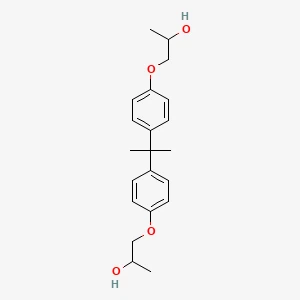
Surfactants, short for surface - active agents, are compounds that lower the surface tension between two liquids, between a gas and a liquid, or between a liquid and a solid. These remarkable substances have long been a staple in various industries, but with the advancement of technology and changing market demands, new and exciting applications are constantly emerging. As a surfactant supplier, I am thrilled to share some of these emerging applications with you.
1. Biotechnology and Pharmaceuticals
In the field of biotechnology and pharmaceuticals, surfactants are finding novel uses. One of the key areas is in drug delivery systems. Surfactants can form micelles, which are tiny spherical structures that can encapsulate hydrophobic drugs. This encapsulation not only improves the solubility of the drugs but also enhances their bioavailability. For example, in the development of liposomal drug delivery systems, surfactants play a crucial role in stabilizing the liposomes and controlling the release of the encapsulated drugs.
Moreover, surfactants are used in the formulation of vaccines. They can help in the emulsification process, ensuring that the antigen is evenly distributed in the vaccine formulation. This improves the immune response and the efficacy of the vaccine. Additionally, surfactants can be used to modify the surface properties of nanoparticles used in targeted drug delivery. By attaching specific ligands to the surfactant - coated nanoparticles, drugs can be delivered directly to the diseased cells, minimizing side effects on healthy tissues.
2. Environmental Remediation
Surfactants are increasingly being used in environmental remediation efforts. One of the significant applications is in soil and groundwater remediation. When soil or groundwater is contaminated with hydrophobic organic compounds such as oil and grease, surfactants can be used to increase the solubility and mobility of these contaminants. This process, known as surfactant - enhanced soil washing, allows for the efficient removal of contaminants from the soil.
Surfactants can also be used in the treatment of oil - contaminated water. They can break down the oil droplets into smaller particles, making it easier to separate the oil from the water. This is particularly useful in the cleanup of oil spills in marine environments. By using environmentally friendly surfactants, we can minimize the impact on the ecosystem while effectively removing the oil.
3. Energy Storage
The energy storage sector is another area where surfactants are making an impact. In lithium - ion batteries, surfactants are used in the electrolyte formulation. They can improve the wettability of the electrodes, which enhances the ion transport and the overall performance of the battery. By reducing the internal resistance of the battery, surfactants can increase the battery's charge - discharge efficiency and its cycle life.
In fuel cells, surfactants are used to improve the dispersion of catalysts. A well - dispersed catalyst has a larger surface area, which increases the reaction rate and the efficiency of the fuel cell. Surfactants can also help in preventing the aggregation of catalyst particles, ensuring their long - term stability.
4. Nanotechnology
Nanotechnology relies heavily on surfactants for the synthesis and stabilization of nanoparticles. Surfactants can act as capping agents during the nanoparticle synthesis process. They adsorb onto the surface of the nanoparticles, preventing their agglomeration and controlling their size and shape. For example, in the synthesis of gold nanoparticles, surfactants such as cetyltrimethylammonium bromide (CTAB) are commonly used to produce monodisperse nanoparticles with well - defined shapes.
Surfactants are also used in the assembly of nanomaterials. They can mediate the self - assembly of nanoparticles into ordered structures, which have unique optical, electrical, and mechanical properties. These ordered nanomaterials have potential applications in sensors, electronics, and photonics.
5. Personal Care and Cosmetics
In the personal care and cosmetics industry, emerging trends are driving new applications of surfactants. Consumers are increasingly demanding products that are not only effective but also environmentally friendly and gentle on the skin. Surfactants with low irritation potential, such as alkyl polyglucosides, are being used more widely in shampoos, body washes, and facial cleansers.
Surfactants are also being used in the development of advanced skincare products. For example, they can be used to create microemulsions, which are transparent and stable systems that can deliver active ingredients more effectively to the skin. These microemulsions can improve the penetration of vitamins, antioxidants, and other beneficial compounds into the skin, enhancing the product's efficacy.
Our Product Offerings
As a surfactant supplier, we offer a wide range of high - quality surfactants to meet the diverse needs of these emerging applications. For example, we supply Pyridinium, 1-(phenylmethyl)-, Et Me Derivs., Chlorides丨CAS 68909 - 18 - 2, which has unique surface - active properties and can be used in various industrial processes. Another product is Phytic Acid丨CAS 83 - 86 - 3, which is not only a natural surfactant but also has antioxidant and chelating properties, making it suitable for use in personal care and environmental applications. We also provide Sodium 1 - octanesulfonate丨CAS 5324 - 84 - 5, a widely used anionic surfactant with excellent solubility and surface - active performance.
Contact Us for Procurement
If you are interested in our surfactant products and would like to discuss your specific requirements, we encourage you to reach out to us. Our team of experts is ready to provide you with detailed product information, technical support, and customized solutions. Whether you are in the biotechnology, environmental, energy, nanotechnology, or personal care industry, we have the right surfactants for your emerging applications.


References
- Rosen, M. J., & Kunjappu, J. T. (2012). Surfactants and Interfacial Phenomena. John Wiley & Sons.
- Myers, D. (2011). Surfactant Science and Technology. John Wiley & Sons.
- Mittal, K. L. (Ed.). (2016). Surfactants in Solution. Springer.